Can You Take Ozempic With a Foot Ulcer?
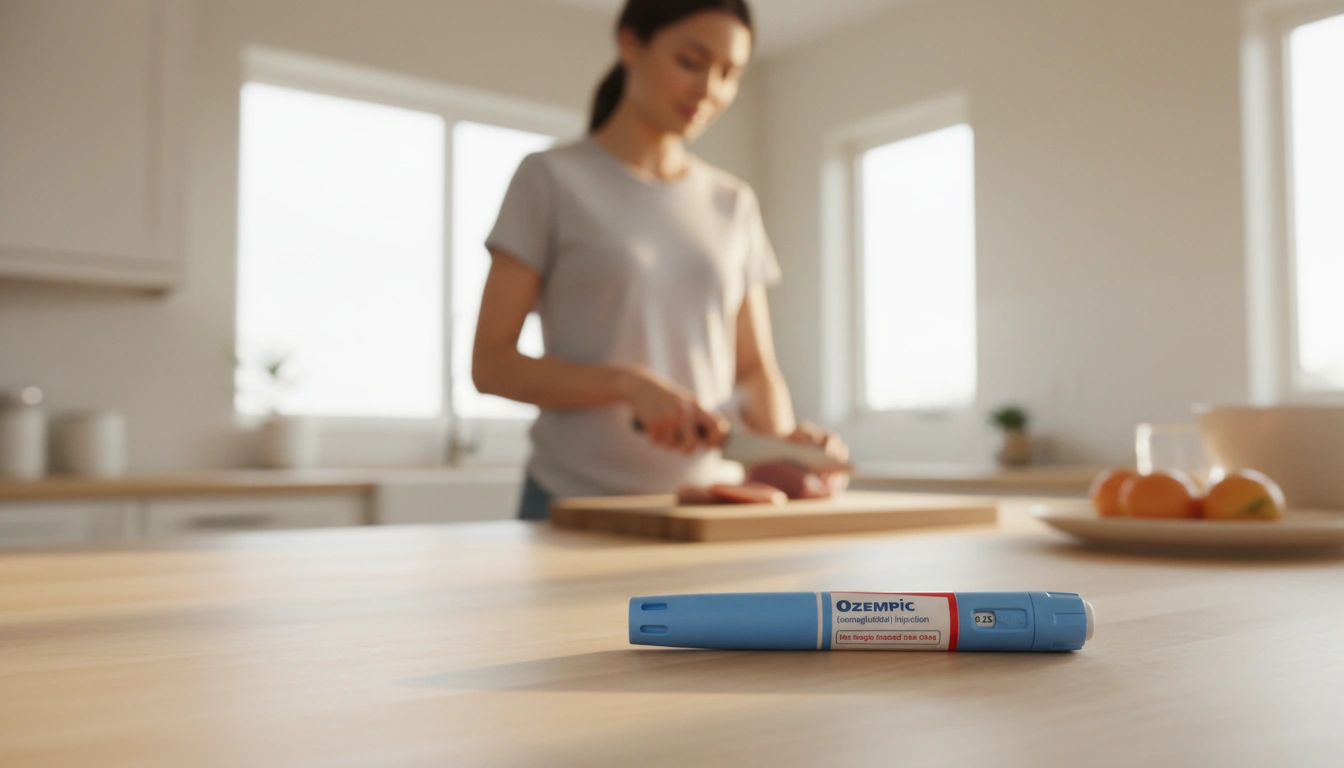
Foot ulcers are one of the most serious everyday problems in type 2 diabetes. Nerve damage can hide a blister or pressure spot until it opens, and reduced blood flow can make healing slow. Many people with a foot ulcer already take Ozempic or another GLP-1 for blood sugar. If that is you, the question is usually not whether to stop, but how to make sure your treatment supports healing rather than getting in its way.
The short answer
Many people with a foot ulcer continue Ozempic under their care team’s guidance. Steady blood sugar supports healing in general, but Ozempic does not treat the wound itself, and a smaller appetite can make it harder to eat the protein and energy healing tissue needs. Tell your podiatrist or wound team that you take Ozempic, eat on a schedule, watch for lows, and get same-day care for any sign of infection.
How appetite affects healing
A study of semaglutide 2.4 mg, the dose in Wegovy and higher than Ozempic doses, found that it reduced how much people ate at a meal and changed their hunger and fullness ratings. Eating less helps with blood sugar and weight, but healing a wound takes protein and enough overall energy. If you are barely eating, healing may be slower. Include a protein food at each meal, eat small meals by the clock rather than waiting for hunger, and ask about a dietitian.
What heals a foot ulcer
- Offloading, using a boot, special shoe, or cast to keep pressure off the wound.
- Wound care, including cleaning, dressings, and removing dead tissue when needed.
- Treating infection quickly.
- Good circulation, sometimes with help from a vascular specialist.
- Blood sugar control and nutrition.
Lows and other diabetes medicines
The prescribing information for Wegovy, which contains semaglutide, the same active ingredient as Ozempic, at a higher dose, notes that patients with diabetes mellitus taking it in combination with insulin or an insulin secretagogue, such as a sulfonylurea, may have an increased risk of hypoglycemia, including severe hypoglycemia. Eating less while on those medicines raises that risk. Check your blood sugar as directed, and never change insulin or a sulfonylurea on your own.
Signs of infection
Get same-day care for redness that spreads, warmth, swelling, pus or drainage that increases, a bad smell, new or worse pain, red streaks up the leg, fever, chills, or skin that turns dark or black. Call 911 for confusion, a high fever, or feeling very unwell. Reduced feeling in the foot can hide how serious an infection is.
Daily care
- Check both feet every day, with a mirror or a helper.
- Change dressings exactly as your wound team directs.
- Never go barefoot, indoors or out.
- Stick with your offloading device, even when the foot does not hurt.
- Keep every wound care appointment.
Dose increases
Ozempic is started at a low dose and increased gradually. Appetite often drops further after a step up. Our guide on the Ozempic starting dose covers what the early weeks usually look like. If eating enough is a struggle while your ulcer heals, ask your provider whether to stay at your current dose.
Antibiotics and procedures
If you need antibiotics, take every dose, and tell your provider if nausea makes them hard to keep down. If you need a procedure to clean the wound or surgery, tell the team that you take Ozempic, since it slows stomach emptying and can affect planning for sedation.
Injections and routine
A foot ulcer does not change where you inject. Keep a steady injection day and rotate sites. Our guide on GLP-1 injection sites covers each area, and our guide on rotating injection sites covers how to build a rotation.
Do not stop on your own
Stopping Ozempic without a plan can push blood sugar up, which may slow healing. Talk to your provider before making any change. Our guide on taking a break and restarting covers why stopping and restarting is more involved than it sounds.
Watch for the signs of under-eating closely, since healing depends on good nutrition: persistent fatigue, feeling cold, hair shedding, dizziness when you stand, losing strength, and losing weight faster than you and your provider intended.
Consider this scenario: a woman with type 2 diabetes on Ozempic and a sulfonylurea has an ulcer on the ball of her foot. She eats one small meal a day because she is never hungry, and her wound has barely changed in a month. Telling her wound team and provider about her eating, adding small protein-rich meals on a schedule, having her sulfonylurea reviewed, and wearing her offloading boot every time she walked would very likely have helped her heal faster.
The short version
Many people with a foot ulcer continue Ozempic under their care team’s guidance. Ozempic does not treat the wound, and a low appetite can leave you short on the protein and energy healing needs. Eat small protein-rich meals on a schedule, watch for lows, follow your offloading and wound care plan, and get same-day care for signs of infection. Never change your diabetes medicines on your own.
If you want a provider who will coordinate with your podiatrist or wound team, TrimRx includes ongoing provider access alongside treatment.
This information is for educational purposes and is not medical advice. Consult with a healthcare provider before starting any medication. Individual results may vary.

Transforming Lives, One Step at a Time
Keep reading
Can You Use an Enema on Ozempic?
Constipation is one of the side effects people struggle with most on Ozempic or another GLP-1. When days go by without a bowel movement…

Can You Take Ozempic With an Abdominal Hernia?
An abdominal hernia is a bulge where tissue pushes through a weak spot in the muscles of the belly wall. Common types include umbilical…

Can You Take Ozempic If You Have Hemorrhoids?
Hemorrhoids are swollen veins in and around the rectum and anus. They are very common, and they tend to flare with straining, hard stools,…


