Can You Use an Enema on Ozempic?
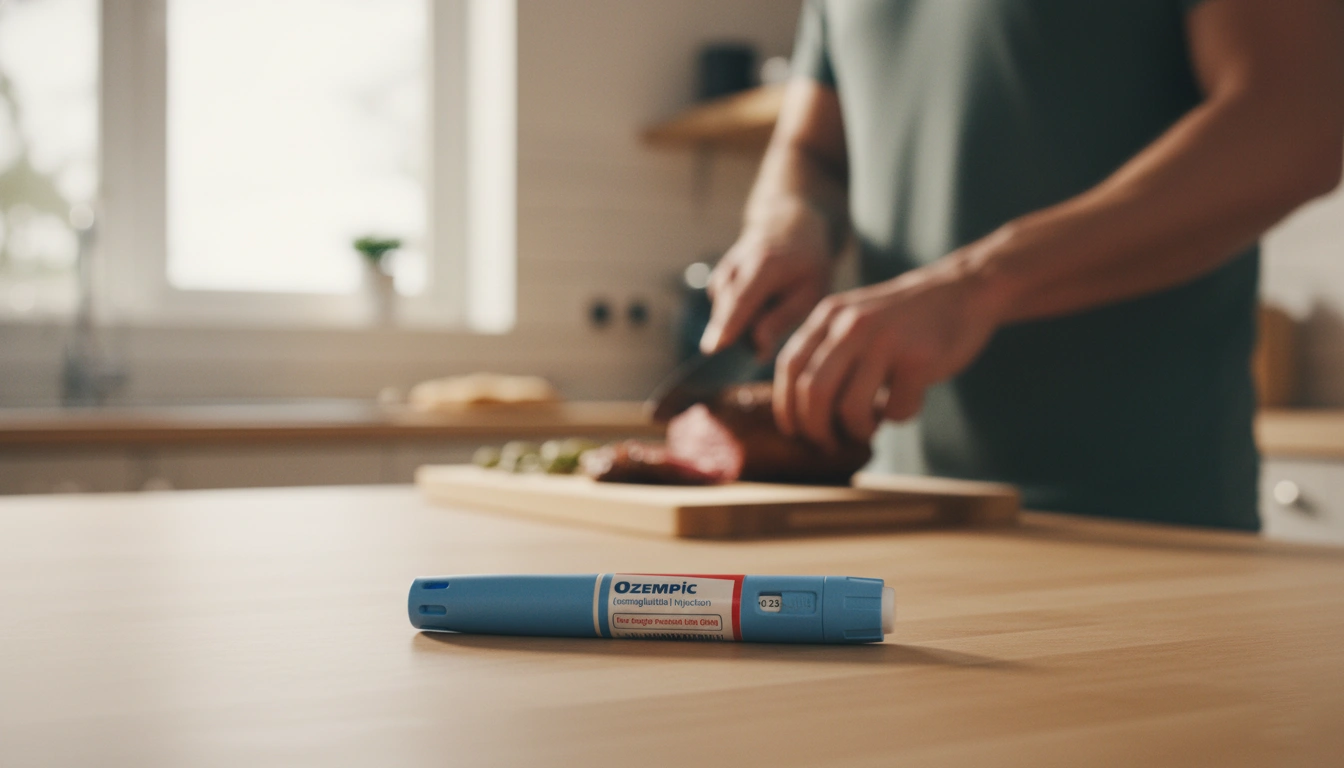
Constipation is one of the side effects people struggle with most on Ozempic or another GLP-1. When days go by without a bowel movement and fiber and fluids have not done the trick, an over-the-counter enema can look like the fastest fix. For many people, an occasional enema is fine, but it is worth knowing which kinds to be careful with, why dehydration matters, and when constipation is a sign of something that needs care.
The short answer
Many people can use an occasional over-the-counter enema while on Ozempic, after checking with their provider or pharmacist, especially if you have kidney or heart problems. Follow the package directions exactly and do not use more than directed. Enemas are for short-term relief, not regular use. Do not use one if you have severe belly pain, vomiting, a swollen belly, or rectal bleeding, and contact your provider instead.
Why constipation happens
The prescribing information for Wegovy, which contains semaglutide, the same active ingredient as Ozempic, at a higher dose, reports constipation in 24% of adults, compared with 11% on placebo. These medications slow digestion, and eating and drinking less means less fiber and fluid moving through the bowel. Constipation is often worst in the first weeks and after a dose increase.
Types of enemas and suppositories
- Saline or sodium phosphate enemas, the most common over-the-counter type. Use only one dose in 24 hours, as the package directs.
- Mineral oil enemas, which soften and lubricate hard stool.
- Glycerin or bisacodyl suppositories, which are gentler options many people try first.
Your pharmacist can help you choose and check for problems with your other medicines.
Why dehydration matters
The prescribing information for Wegovy, which contains semaglutide, the same active ingredient as Ozempic, at a higher dose, warns of acute kidney injury due to dehydration, mostly in people with nausea, vomiting, or diarrhea. Sodium phosphate products can also strain the kidneys, especially when someone is dehydrated, older, or has kidney disease, or uses more than directed. Sip fluids through the day, and ask your provider before using a sodium phosphate enema if any of these apply to you.
Try these first
- Sip fluids steadily through the day.
- Add fiber gradually from foods like oats, beans, berries, and vegetables.
- Walk after meals if you feel up to it.
- Go when you feel the urge rather than waiting.
- Ask your pharmacist about a stool softener or osmotic laxative for ongoing constipation.
Our guide on what to eat to minimize nausea has gentle meal ideas that are easier on the gut.
When not to use an enema
Contact your provider or seek care promptly instead of using an enema if you have severe or worsening belly pain, a hard or swollen belly, vomiting, no gas for a day or more, fever, or rectal bleeding. These can be signs of a blockage or another problem that an enema could make worse. Call 911 for severe pain with vomiting and a swollen belly, or for fainting.
Dose increases
Ozempic is started at a low dose and increased gradually. Constipation often flares after a step up. Our guide on the Ozempic starting dose covers what the early weeks usually look like. If you need an enema more than once, tell your provider, who may suggest a daily plan or staying at your current dose longer.
If you have diabetes
The prescribing information for Wegovy, which contains semaglutide, the same active ingredient as Ozempic, at a higher dose, notes that patients with diabetes mellitus taking it in combination with insulin or an insulin secretagogue, such as a sulfonylurea, may have an increased risk of hypoglycemia, including severe hypoglycemia. If constipation and bloating keep you from eating, check your blood sugar as directed.
Do not stop on your own
If constipation makes you want to quit, talk to your provider first. Our guide on taking a break and restarting covers why stopping and restarting is more involved than it sounds. Keeping a steady injection day and site rotation also makes it easier to see how your gut responds to each dose. Our guide on rotating injection sites covers how.
Watch for the signs of under-eating too, since eating very little leaves less bulk to move things along: persistent fatigue, feeling cold, hair shedding, dizziness when you stand, losing strength, and losing weight faster than you and your provider intended.
Consider this scenario: a woman on Ozempic has not had a bowel movement in five days after a dose increase. She uses a sodium phosphate enema, gets little result, and uses a second one the same evening while drinking very little. By morning she feels weak and dizzy. Checking with her pharmacist first, using only one dose as directed, sipping fluids, and calling her provider for a constipation plan would very likely have been safer.
The short version
Many people can use an occasional enema on Ozempic, after checking with their provider or pharmacist. Follow the package exactly, use only one dose in 24 hours, and take extra care with sodium phosphate products if you are dehydrated or have kidney problems. Try fluids, fiber, walking, and a stool softener first. Do not use an enema for severe belly pain, vomiting, a swollen belly, or bleeding.
If you want a provider who will help you build a plan for constipation, TrimRx includes ongoing provider access alongside treatment.
This information is for educational purposes and is not medical advice. Consult with a healthcare provider before starting any medication. Individual results may vary.

Transforming Lives, One Step at a Time
Keep reading
Can You Take Ozempic With a Foot Ulcer?
Foot ulcers are one of the most serious everyday problems in type 2 diabetes. Nerve damage can hide a blister or pressure spot until…

Can You Take Ozempic With an Abdominal Hernia?
An abdominal hernia is a bulge where tissue pushes through a weak spot in the muscles of the belly wall. Common types include umbilical…
Can You Take Ozempic If You Have Hemorrhoids?
Hemorrhoids are swollen veins in and around the rectum and anus. They are very common, and they tend to flare with straining, hard stools,…


