Can You Take Zepbound With Metformin?
Introduction
Managing weight and metabolic health often feels like a puzzle with constantly shifting pieces. You might already be taking a well-established medication like metformin for blood sugar control or weight management, but you’ve heard about the significant results associated with newer options like Zepbound®. It is natural to wonder if these two treatments can work together or if you must choose one over the other. At TrimRx, we believe that understanding your options is the first step toward a more empowered and successful health journey. This article will explore the safety, potential benefits, and risks of combining these two medications, as well as how a personalized approach can help you reach your goals. The short answer is that many individuals can take both under medical supervision, but there are important factors to consider regarding side effects and dosing.
If you are exploring whether a personalized prescription program may fit your health profile, you can complete a free eligibility assessment.
What Is Zepbound?
Zepbound® is a brand-name prescription medication that contains the active ingredient tirzepatide. It was approved by the U.S. Food and Drug Administration (FDA) for chronic weight management in adults with obesity or those who are overweight and have at least one weight-related condition, such as high blood pressure or type 2 diabetes.
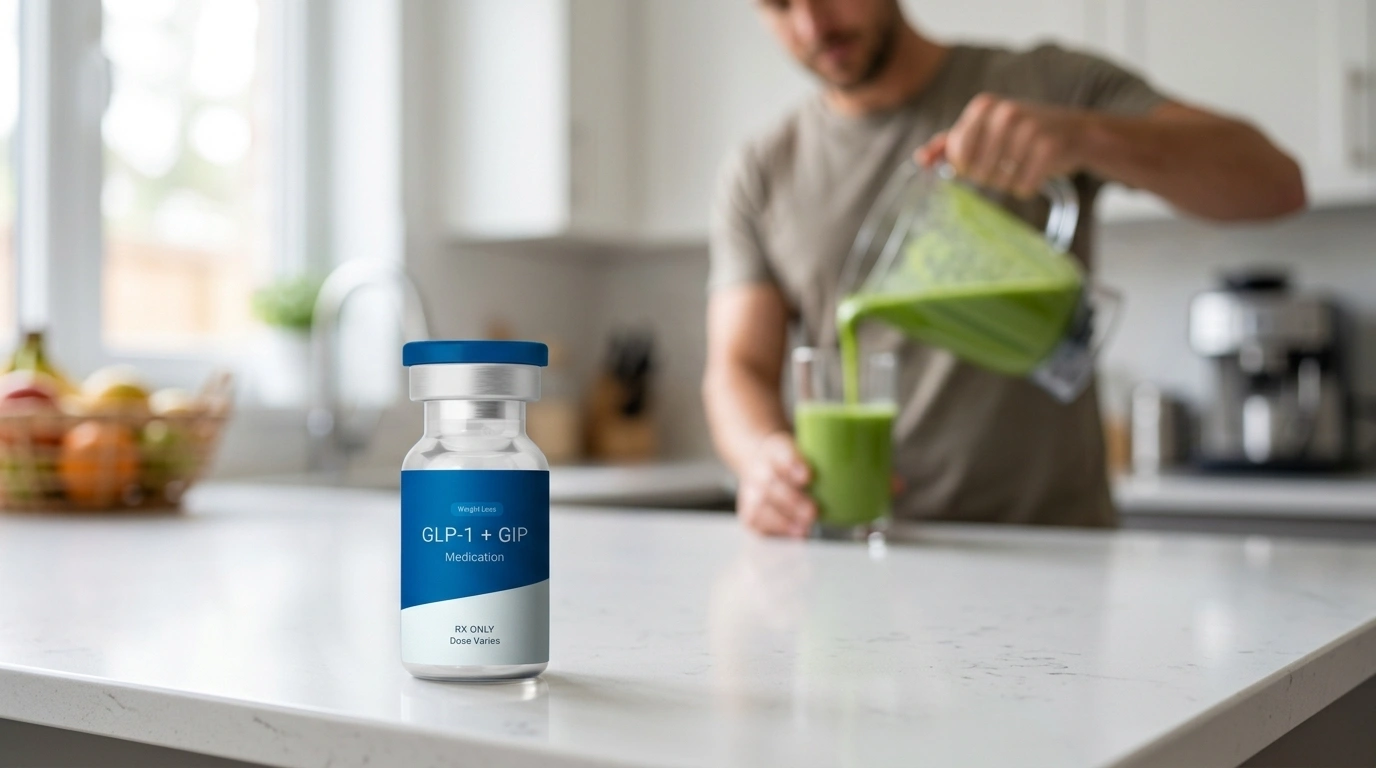
Tirzepatide is a unique type of medication known as a dual agonist. It mimics two different hormones naturally produced in the gut: glucagon-like peptide-1 (GLP-1) and glucose-dependent insulinotropic polypeptide (GIP). These hormones play a major role in how your body processes sugar and signals fullness to the brain. By activating both receptors, this medication helps slow down how quickly your stomach empties and signals to your brain that you are satisfied, which can lead to reduced calorie intake.
For a broader explanation of GLP-1 hormones and appetite regulation, read this guide to what GLP-1 is and how it supports weight management.
Key Takeaway: Zepbound® works by mimicking two gut hormones (GLP-1 and GIP) to regulate appetite and blood sugar, making it a potent tool for weight management when combined with lifestyle changes.
What Is Metformin?
Metformin is one of the most widely prescribed and studied medications in the world for metabolic health. Originally derived from the lilac plant, it has been used for decades as a first-line treatment for type 2 diabetes. While it is primarily used to lower blood sugar levels, many healthcare providers also prescribe it “off-label” for weight loss or to manage conditions like Polycystic Ovary Syndrome (PCOS).
Unlike some medications that stimulate the pancreas to produce more insulin, metformin works primarily by improving how your body responds to the insulin it already makes. It also reduces the amount of glucose (sugar) your liver produces and decreases the amount of sugar your intestines absorb from food. Because it helps the body use energy more efficiently, it can lead to modest weight loss for some individuals over time.
Can You Take Zepbound With Metformin?
The quick answer is yes; you can generally take Zepbound® and metformin together, provided they are prescribed by a licensed healthcare professional who is monitoring your progress. In fact, these two medications are frequently used in combination for individuals who have type 2 diabetes and are also seeking significant weight loss.
Clinical research and real-world data suggest that there are no known direct drug-drug interactions that prevent these two medications from being used simultaneously. However, “compatible” does not mean “identical for everyone.” Because both medications affect your metabolic system and blood sugar levels, taking them together requires a thoughtful approach to dosing and side effect management.
Quick Answer: Yes, healthcare providers often prescribe Zepbound® and metformin together. While they work through different pathways to improve metabolic health, they can increase the risk of low blood sugar and gastrointestinal issues when combined.
For additional context, review this detailed guide to taking Zepbound and metformin together.
How the Combination Works in the Body
When you combine these two treatments, you are essentially attacking metabolic challenges from multiple angles. This “dual-pathway” approach can be highly effective for those who have struggled with weight loss resistance in the past.
Synergistic Effects on Blood Sugar
Metformin focuses on the liver and muscle cells, making them more sensitive to insulin. Meanwhile, the tirzepatide in Zepbound® stimulates insulin secretion only when blood sugar is high and suppresses the release of glucagon (a hormone that raises blood sugar). Together, they can provide a more stable blood sugar profile throughout the day.
Enhanced Appetite Control
Metformin has been shown in some studies to slightly increase natural GLP-1 levels in the body, though not nearly to the degree that an injectable medication does. By adding a high-potency agonist like tirzepatide, the “fullness” signals sent to the brain are significantly amplified. This can make it much easier for an individual to stick to a reduced-calorie diet without feeling the intense hunger often associated with traditional dieting.
Improved Insulin Sensitivity
Insulin resistance is a common hurdle for those with a high Body Mass Index (BMI). Metformin is a “gold standard” for improving insulin sensitivity. When combined with the weight loss achieved through tirzepatide, the body’s overall metabolic efficiency often improves, which can lead to more sustainable results.
Potential Side Effects of the Combination
While the benefits are significant, the combination of Zepbound® and metformin can increase the likelihood and intensity of certain side effects. Both medications are known for causing gastrointestinal (GI) issues, and these effects can be additive.
For a more detailed overview, read about tirzepatide side effects and ways to manage them.
Commonly reported side effects include:
- Nausea and Vomiting: This is the most frequent complaint for both medications.
- Diarrhea or Constipation: Metformin is well-known for causing loose stools, while GLP-1 medications can sometimes cause constipation due to slowed digestion.
- Abdominal Cramping: Bloating and gas are common as the body adjusts.
- Reduced Appetite: While this is a desired effect, it can sometimes become intense enough to make meeting nutritional needs difficult.
The Risk of Hypoglycemia
Hypoglycemia, or low blood sugar, is a critical concern. While metformin alone rarely causes dangerously low blood sugar, adding a potent medication like tirzepatide increases the risk, especially if you are also taking other diabetes medications like sulfonylureas or insulin. Symptoms of low blood sugar include dizziness, shakiness, sweating, confusion, and a rapid heartbeat.
Lactic Acidosis and Metformin
Metformin carries a rare but serious risk called lactic acidosis, which is a buildup of lactic acid in the blood. This risk is higher for individuals with kidney or liver problems. It is essential to stay hydrated and avoid excessive alcohol consumption while taking metformin, as dehydration can increase the risk of this condition.
Thyroid and Pancreas Warnings
Zepbound® carries a “black box” warning regarding a history of certain types of thyroid cancer (specifically Medullary Thyroid Carcinoma). It is also associated with a risk of pancreatitis. These are serious conditions that require an honest discussion with your provider regarding your personal and family medical history.
Comparing the Two Medications
While they are often used together, it is helpful to understand how they differ in terms of administration and primary function.
| Feature | Metformin | Zepbound® (Tirzepatide) |
|---|---|---|
| Administration | Oral pill (Daily) | Subcutaneous Injection (Weekly) |
| Primary Mechanism | Increases insulin sensitivity; reduces liver glucose | Mimics GLP-1 and GIP hormones to slow digestion |
| FDA Weight Loss Approval | No (Off-label only) | Yes (For chronic weight management) |
| Common Side Effects | Diarrhea, stomach upset | Nausea, constipation, injection site reaction |
| Average Weight Loss | Modest (typically 5-10 lbs) | Significant (often 15-20% of body weight) |
Bottom line: Metformin is a foundational, affordable oral medication focused on insulin sensitivity, while Zepbound® is a highly potent injectable focused on appetite regulation and significant weight reduction.
Who Should Consider This Combination?
Not everyone who wants to lose weight needs both medications. However, certain health profiles may find this combination particularly beneficial.
Individuals with Type 2 Diabetes and Obesity
For those managing both diabetes and a high BMI, using metformin as a baseline and adding tirzepatide can provide the glucose control and weight loss needed to improve long-term health outcomes.
Individuals with Severe Insulin Resistance
Some people find that lifestyle changes and metformin aren’t enough to move the scale. Adding the hormonal support of a dual agonist can often overcome “weight loss plateaus” caused by metabolic adaptation.
Individuals with PCOS
Metformin is frequently used to manage the hormonal and metabolic imbalances of PCOS. For those with PCOS who also struggle with obesity, adding a weight loss medication may help regulate cycles and improve metabolic markers more effectively than metformin alone.
If you are unsure whether a prescription treatment may be appropriate, you can see if you qualify for a personalized program.
How to Start the Combination Safely
If you are currently taking metformin and are interested in adding an injectable medication like Zepbound®, you should never do so without a clinician’s oversight. The process usually involves several steps to ensure your body tolerates the medications well.
Step 1: Clinical Assessment. A healthcare provider will review your medical history, current medications, and blood work to ensure you are a safe candidate for both treatments.
Step 2: Gradual Titration. Most providers start patients on a very low dose of tirzepatide while keeping the metformin dose stable. This allows the digestive system to adjust slowly.
Step 3: Regular Monitoring. You will likely need to check your blood sugar more frequently in the early stages and report any severe GI distress to your provider.
Step 4: Dose Adjustments. Over time, as you lose weight, your provider may decide to lower your metformin dose or increase your tirzepatide dose depending on your body’s response.
Nutrition and Lifestyle While on Both Medications
Taking medication does not replace the need for healthy habits; in fact, it makes them more important. When you are taking both Zepbound® and metformin, your appetite will likely decrease significantly. This makes the quality of what you eat more important than the quantity.
For practical guidance on nutrition, movement, tracking, and side-effect management, explore how to get the most out of GLP-1 treatment.
Prioritizing Protein
Weight loss can sometimes lead to muscle loss. To protect your lean muscle mass, focus on consuming adequate protein throughout the day. Lean meats, beans, tofu, and Greek yogurt are excellent choices.
Hydration and Electrolytes
Both medications can affect your fluid balance. Metformin-related diarrhea and tirzepatide-related nausea can lead to dehydration. Drinking plenty of water and occasionally using electrolyte supplements can help prevent headaches and fatigue.
Small, Frequent Meals
Instead of three large meals, many people on this combination find that five or six small snacks are easier to digest. This can also help prevent the “sugar crashes” or extreme fullness that sometimes occurs when digestion is slowed by tirzepatide.
The Role of Personalized Telehealth
Navigating the complexities of multiple medications can be daunting, which is why a personalized approach is so vital. We understand that every metabolism is different. Through our platform, individuals can access a streamlined process for medical weight loss without the need for traditional in-person waiting rooms.
Our programs provide access to licensed healthcare providers who can evaluate whether a combination of medications or a single-medication approach is best for your health profile. If prescribed, you can access GLP-1 medications—including compounded semaglutide or compounded tirzepatide—shipped directly from FDA-registered, inspected compounding pharmacies. This ensures that your treatment plan is tailored specifically to your needs, with 24/7 access to specialist support.
Myth: You have to choose between a pill and an injection for weight loss. Fact: Many successful weight loss programs utilize both oral and injectable medications to address different aspects of metabolic health simultaneously.
Managing the Cost and Access
A major concern for many people is the accessibility of these treatments. Branded medications like Zepbound®, Wegovy®, or Ozempic® can be difficult to obtain due to supply shortages or insurance hurdles. This is where compounded versions of the active ingredients, such as compounded tirzepatide, can offer an alternative path.
While compounded medications are not FDA-approved, they are prepared by licensed pharmacists in specialized facilities. This allows patients to maintain their treatment consistency even when branded options are unavailable. Our platform focuses on transparency and simplicity, offering a consistent program regardless of your specific dosage, so you can focus on your health rather than your pharmacy bill.
Important Considerations for Long-Term Success
Weight loss is a marathon, not a sprint. Using Zepbound® and metformin together can be a powerful tool, but it is important to have realistic expectations.
- Be Patient with Side Effects: Most GI issues peak in the first few weeks and then subside. Give your body time to adapt before deciding the medication isn’t for you.
- Monitor Your Progress: Keep a log of your weight, but also how you feel, your energy levels, and any side effects. This data is invaluable for your healthcare provider.
- Don’t Ignore Severe Pain: While mild nausea is common, severe abdominal pain that radiates to your back can be a sign of something more serious, like pancreatitis. Always seek medical attention if you experience extreme symptoms.
- Consult Your Provider Before Stopping: Suddenly stopping metformin or an injectable medication can cause your blood sugar to spike or your appetite to return quickly. Always have a “tapering” plan if you decide to discontinue treatment.
Exploring Support Options
Beyond prescription medications, some individuals find that daily supplements can help bridge the gap and support their metabolic health. For those not yet ready for a prescription program, or those looking to optimize their current regimen, options like GLP-1 Daily Support can provide the body with essential nutrients that support natural GLP-1 pathways.
These supplements do not require a medical quiz and can be a great way to start focusing on your metabolic health today. However, if you are looking for the most significant weight loss results, our prescription-based personalized programs remain the most effective option.
Conclusion
Combining Zepbound® with metformin is a common and often effective strategy for addressing weight loss and metabolic health. While they work through different mechanisms, they can complement each other to help lower blood sugar, increase insulin sensitivity, and reduce appetite. However, this combination requires careful medical supervision to manage the increased risk of gastrointestinal side effects and low blood sugar.
At TrimRx, our mission is to simplify this journey by providing science-backed, empathetic, and personalized support. We believe that everyone deserves access to the tools they need for sustainable weight loss, whether that is through advanced GLP-1 medications or supportive supplements. Your path to better health should be as unique as you are.
Key Takeaway: The synergy between Zepbound® and metformin can be a powerful weight loss aid, but success depends on professional guidance, side effect management, and a commitment to lifestyle changes.
If you are ready to see which path is right for your body, your next step is to take the free assessment quiz to explore our personalized weight loss programs.
FAQ
Is it safe to take metformin and Zepbound at the same time?
Generally, yes, it is safe to take both medications together as long as they are prescribed and monitored by a healthcare professional. There are no known direct drug-drug interactions, but the combination can increase the risk of side effects like nausea or low blood sugar. Your doctor may adjust your dosages to ensure your body tolerates the combination well.
Will taking both medications help me lose weight faster?
While Zepbound® is significantly more potent for weight loss than metformin, taking them together may provide additional metabolic benefits, such as improved insulin sensitivity. Some people find that the combination helps them overcome weight loss plateaus. However, the total amount of weight lost depends on individual biology, diet, and exercise habits.
What should I do if I experience severe nausea while taking both?
If you experience nausea, try eating smaller, more frequent meals and staying well-hydrated. If the nausea becomes severe, leads to frequent vomiting, or is accompanied by intense stomach pain, you should contact your healthcare provider immediately. They may suggest lowering the dose of one of the medications or adjusting when you take them.
For more guidance on managing digestive symptoms, review this tirzepatide side-effect management guide.
Can I switch from metformin to Zepbound?
Many people do switch from metformin to a GLP-1/GIP medication like Zepbound® if they are seeking more significant weight loss or better glucose control. This switch should be managed by a clinician, as they will need to monitor their blood sugar during the transition. Some patients choose to stay on a low dose of metformin even after starting an injectable medication.
If you are considering a prescription treatment, you can complete the free assessment quiz so a licensed provider can review your options.
Disclaimer: This content is for informational purposes only and does not constitute medical advice. It is not intended to diagnose, treat, cure, or prevent any disease or condition. Individual results may vary. Always consult a qualified healthcare professional before starting any weight loss program or medication.

Transforming Lives, One Step at a Time
Keep reading

Why Is There a Bruise Where I Injected My Zepbound?
A bruise means a small blood vessel was disturbed under the skin and blood spread into the surrounding tissue. It is one of the…

My Zepbound Pen Won’t Click Past a Certain Dose
Start by checking which device you are holding, because the answer depends entirely on that. Zepbound has commonly been supplied in the United States…

Zepbound Alternatives: Your Options Compared
If Zepbound isn’t the right fit, the main alternative is semaglutide (sold as Wegovy), which produces slightly less weight loss but works similarly, along…


