How Can You Safely Throw Away Zepbound Pens?
Introduction
Starting a weight loss journey with a medication like Zepbound® represents a significant commitment to your long-term health. For many, the transition to using an injectable medication brings up practical questions that go beyond just the clinical results. One of the most common questions we hear at TrimRx involves the final step of the weekly routine: what do you do with the pen once the dose is administered? You cannot simply toss these devices into your standard kitchen trash can or recycling bin.
Proper disposal is a critical part of being a responsible patient, ensuring the safety of your household, waste management workers, and the environment. This article will explain exactly how to handle used pens, the legal requirements for sharps disposal, and how to manage your medication logistics safely. Our goal is to provide you with a clear, stress-free roadmap for handling medical waste so you can stay focused on your metabolic health goals. If you are considering prescription weight loss treatment, you can take the free assessment quiz to see whether a personalized program may be appropriate for you.
Understanding the Zepbound Pen
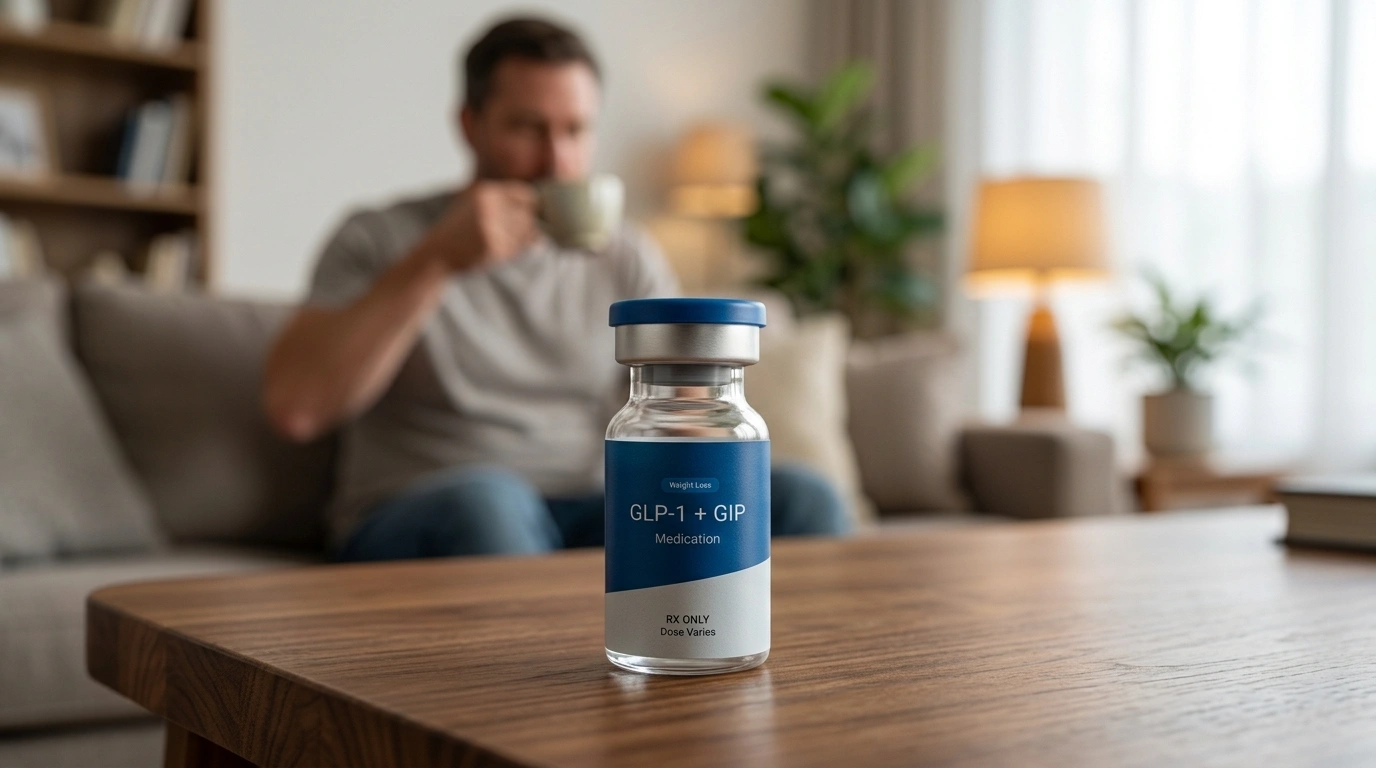
Before addressing disposal, it is helpful to understand what you are actually holding. Zepbound is a branded medication that contains tirzepatide. Tirzepatide is a dual agonist, meaning it mimics two natural hormones in the body: glucagon-like peptide-1 (GLP-1) and glucose-dependent insulinotropic polypeptide (GIP). By activating these receptors, the medication helps regulate blood sugar, slow digestion, and signal to the brain that you are full.
For additional background on the medication and its delivery format, read this guide to how telehealth tirzepatide works.
The medication is delivered via a single-dose, pre-filled auto-injector pen. Unlike traditional syringes where you manually pull medication from a vial, the auto-injector is designed for simplicity. You remove a cap, press the pen against your skin, and trigger the injection. While the needle is hidden before and after the injection, it is still there.
Key Takeaway: Even though the needle in a Zepbound pen retracts or remains hidden after use, the device is still classified as a “sharp.” It must be treated as medical waste to prevent accidental needlestick injuries.
Why You Cannot Use the Regular Trash
It might be tempting to drop a used pen into the garbage, especially since the needle is not visible. However, standard household trash is compressed, shifted, and hand-sorted at various points in the waste management cycle. If a pen breaks or the housing is crushed in a garbage truck, the needle can become exposed, posing a significant risk to sanitation workers.
Furthermore, medical waste is not recyclable. The plastic used in these pens is not the same as a water bottle or a milk jug. Placing medical devices in a recycling bin can contaminate entire batches of recyclable materials, leading to more waste in landfills. For a related explanation, review this guide to what to do with used Zepbound pens.
The Gold Standard: FDA-Cleared Sharps Containers
The safest and most recommended way to dispose of your used pens is by using an FDA-cleared sharps disposal container. These containers are specifically designed to be leak-proof and made of heavy-duty, puncture-resistant plastic.
These containers are widely available at local pharmacies, medical supply stores, and through online retailers. They usually come in a bright red color with a clear “Biohazard” label.
How to Use a Sharps Container Correctly
Using a sharps container is straightforward, but there are a few best practices to keep in mind:
- Immediate Disposal: Place your pen into the container immediately after use. Do not leave it on a nightstand or counter where a child or pet might reach it.
- No Capping: Do not try to put the original cap back on the needle if it has become exposed (though with Zepbound, the needle is typically internal).
- The Fill Line: Every sharps container has a “fill line.” Usually, this is about three-quarters of the way to the top. Never overfill the container. When it reaches that line, it is time to seal it and start a new one.
- Secure Sealing: Most containers have a locking mechanism. Once the container is full, follow the instructions to lock the lid permanently.
For a more detailed walkthrough of these steps, see how to dispose of Zepbound pens safely and responsibly.
Safe Alternatives to Official Sharps Containers
If you do not have an FDA-cleared container immediately available, you can use a household container as a temporary solution. However, not just any box or bottle will do. To meet safety standards, the container must have specific characteristics.
Requirements for a DIY Container
If you choose to use a household container, it must be:
- Made of Heavy-Duty Plastic: Think of a laundry detergent bottle or a heavy-duty bleach container. Do not use milk jugs, soda bottles, or glass jars, as these can be easily punctured or shattered.
- Equipped with a Tight Lid: The lid must be able to screw on tightly. It should not be a “pop-off” lid that could come loose if the bottle is dropped.
- Stable and Upright: The container needs to be able to stand on its own without tipping over.
- Leak-Resistant: It should be able to hold any residual liquid without seeping through the plastic.
Labeling Your DIY Container
If you use a laundry detergent bottle, you must label it clearly to prevent anyone from accidentally opening it or throwing it in the recycling. Use a permanent marker and heavy-duty tape to write: “WARNING: SHARPS – DO NOT RECYCLE.”
Myth: “It’s okay to put my used pens in a cardboard box if I tape it shut.”
Fact: Cardboard is easily punctured by needles and can get soggy or tear. Only use heavy-duty, puncture-resistant plastic containers for medical waste.
You can also review this practical guide to why you should not take apart a Zepbound pen.
State and Local Disposal Rules
One of the most confusing aspects of medical waste is that the rules change depending on where you live. While federal guidelines provide a baseline, your city or state might have stricter requirements.
In some regions, you are permitted to place a sealed, labeled sharps container in your regular household trash. In other areas, this is strictly prohibited, and you must take the container to a designated drop-off site.
Finding a Drop-Off Location
There are several common locations that may accept full sharps containers:
- Hospitals and Clinics: Many healthcare facilities have “kiosks” or collection bins for medical waste.
- Pharmacies: Some retail pharmacies offer take-back programs or sell “mail-back” kits where you can ship your full container to a disposal facility.
- Hazardous Waste Facilities: Your local municipality likely has a household hazardous waste collection site that accepts items like paint, batteries, and medical sharps.
- Fire Stations: In some communities, fire departments act as collection points.
Check with your local waste management department or disposal facility to confirm the rules for your area. Before beginning a prescription program, you can also complete a free eligibility assessment to explore whether personalized treatment may fit your health profile.
Traveling with Your Medication
Managing weight loss through a telehealth program like ours often means you don’t have to miss a dose just because you are away from home. However, traveling with Zepbound® or other GLP-1 medications requires some logistical planning for disposal.
On-the-Road Disposal Tips
If you are staying in a hotel, do not leave your used pens in the room’s wastebasket. This puts housekeeping staff at risk. Instead, consider these options:
- Travel-Size Sharps Containers: You can purchase small, portable sharps containers that fit easily into a carry-on bag or suitcase. These can hold 1–2 pens and are perfect for short trips.
- Ask the Front Desk: Many hotels are accustomed to guests who use injectable medications (such as insulin) and may have a sharps container available for guest use.
- Bring It Home: If you cannot find a safe disposal site while traveling, place the used pen back in its original packaging or a small, hard-plastic travel case and bring it back home to your primary sharps container.
For more travel-related guidance, read this safe Zepbound pen disposal guide.
The Role of Personalized Weight Loss Programs
At TrimRx, we believe that weight loss is about more than just a prescription. It is a comprehensive lifestyle shift that requires education on everything from nutrition to the logistics of medication management. Our telehealth platform connects you with licensed providers who can help you navigate the complexities of GLP-1 or GIP/GLP-1 treatments.
While Zepbound is a well-known brand, our focus is on providing a personalized experience. This often involves the use of compounded medications, such as Compounded Semaglutide or Compounded Tirzepatide. These medications are prepared by FDA-registered, inspected compounding pharmacies to meet the specific needs of an individual patient.
Why Customization Matters
A one-size-fits-all approach rarely works for long-term weight management. By looking at your unique health profile and goals, we help you find the path that is most likely to lead to sustainable results. Whether you are using a branded pen or a compounded version delivered via a traditional syringe, the rules of safety remain the same.
Every patient on our platform has 24/7 access to a dedicated team. If you are ever unsure about how to administer your dose or how to dispose of your supplies, our specialists are there to guide you. We aim to remove the friction from the process so you can focus on feeling your best. If you are ready to explore your options, see if you qualify for a personalized program.
Environmental and Community Impact
When you follow the correct disposal procedures, you are doing more than just following the law; you are contributing to a safer environment. Medical waste that ends up in the wrong place can lead to chemical leaching or physical injury to wildlife and humans.
By using an FDA-cleared container and following the “3/4 full” rule, you ensure that the waste is handled by professionals who know how to neutralize biohazards. This level of care reflects the same mindfulness you are bringing to your body through your weight loss program.
Bottom line: Never put loose pens in the trash or recycling. Use a dedicated sharps container or a heavy-duty plastic bottle, label it clearly, and follow your local guidelines for final disposal.
Building a Sustainable Routine
Success in weight loss is built on small, consistent habits. Learning how to properly manage your medication is part of that routine. Just as you might track your protein intake or schedule your daily walks, you should have a designated “safety station” in your home where your medication is stored and your sharps container is kept.
If you find that the logistics of branded pens are challenging, or if you have questions about different formats of tirzepatide, it may be worth discussing your options with a healthcare provider. Our platform is designed to make these conversations easy. We provide a space where you can get medical supervised guidance without the need for a waiting room or an in-person visit.
Final Thoughts on Safety
The journey toward metabolic health is one of the most rewarding things you can do for yourself. Medications like Zepbound or Compounded Tirzepatide are powerful tools in that journey. However, with power comes the responsibility of safe handling.
By taking the few extra minutes to secure a proper sharps container and learn your local disposal laws, you protect the people around you and ensure your focus remains on your progress. Weight loss is a marathon, not a sprint, and having a safe, organized environment is a key part of crossing the finish line.
Our mission at TrimRx is to walk alongside you, providing the science-backed tools and empathetic support you need to reach a healthier weight. We combine clinical expertise with modern convenience to ensure your program is as effective as it is easy to follow. If you are considering prescription support, find out if GLP-1 medications may be right for you.
FAQ
Can I throw away Zepbound pens in the regular trash?
No, you should never throw loose Zepbound pens in your regular household trash or recycling bin. Used pens are considered “sharps” because they contain a needle, which can cause injury or spread infections if handled incorrectly. You must place them in a puncture-resistant container, such as an FDA-cleared sharps bin or a heavy-duty plastic laundry detergent bottle.
For additional information, read this guide on long-term Zepbound use and safe medication management.
How do I find a sharps disposal location near me?
You can find local disposal sites by checking with your local waste management department. Many hospitals, pharmacies, and hazardous waste facilities offer drop-off kiosks. Some states also allow you to place sealed, labeled sharps containers in the trash, but you must verify this with local regulations first. If you are still deciding whether prescription treatment is appropriate, you can take the free assessment quiz.
What should I do if I accidentally poke myself with a used pen?
If a needlestick injury occurs, wash the area immediately with soap and water or use a disinfectant like rubbing alcohol. You should contact a healthcare professional right away for guidance. While the risk of infection from your own needle is low, any accidental poke from a used medical device should be evaluated by a provider.
Can I recycle the plastic housing of the Zepbound pen?
No, the Zepbound pen is a medical device and is not recyclable, even if you could remove the needle. The materials used in medical pens are handled differently than standard consumer plastics. Attempting to recycle them can contaminate the recycling stream and put workers at risk, so the entire pen must go into a sharps container. For more details, review this guide to safe sharps disposal for Zepbound pens.
Disclaimer: This content is for informational purposes only and does not constitute medical advice. It is not intended to diagnose, treat, cure, or prevent any disease or condition. Individual results may vary. Always consult a qualified healthcare professional before starting any weight loss program or medication.

Transforming Lives, One Step at a Time
Keep reading

Kids’ Birthday Party on Zepbound
If you have young children, birthday parties are a regular part of life: your own child’s, and the steady stream of classmates’ parties most…
Water Aerobics on Zepbound
For people with painful knees, hips, or backs, water aerobics and pool exercise are often the first kind of exercise that feels possible. The…

New Year’s Eve on Zepbound
New Year’s Eve is built around staying up late. There is usually a big dinner or a party spread, drinks through the evening, champagne…


