Weight Loss
Best Weight Loss Drug When You Have a Lot to Lose
When you have 80, 100, or more pounds to lose, the question isn’t just which drug works, but which one works hardest. For most…
Weight Loss Drugs and High Cholesterol: What to Know
If your cholesterol numbers and your weight have both been creeping up, the two often move together, and so can the fix. GLP-1 weight…
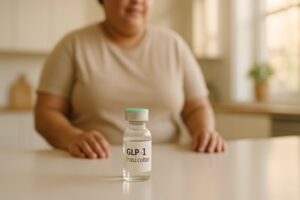
Weight Loss Drugs and High Blood Pressure: What to Expect
High blood pressure and excess weight usually travel together, so a medication that treats one often helps the other. GLP-1 drugs like semaglutide (Wegovy,…

Weight Loss Drugs for Adults Over 50: What to Know
Age doesn’t blunt how well GLP-1 medications work, which surprises many people over 50. Semaglutide (Wegovy, Ozempic) and tirzepatide (Zepbound, Mounjaro) produce similar weight…

Weight Loss Drugs for Sleep Apnea: What the Research Shows
Sleep apnea and excess weight feed each other, and for the first time there’s a weight loss drug approved to treat the breathing disorder…

Weight Loss Drugs for PCOS: What Actually Works
Polycystic ovary syndrome makes weight loss genuinely harder, so it’s fair to ask which medications are worth the effort. The short answer: GLP-1 drugs…
Weight Loss Drugs for Prediabetes: Which Ones Lower Your Risk?
If a routine blood test came back showing prediabetes and you also carry extra weight, the two problems share one solution. The GLP-1 medications…

Weight Loss Drugs for Fatty Liver: Treating MASH and Obesity Together
Fatty liver disease and obesity go hand in hand, and a growing number of drugs now treat both, with semaglutide recently becoming the first…
Weight Loss Drugs With Cardiovascular Benefits: Beyond the Scale
Some weight-loss drugs do more than shrink your waistline; they reduce the risk of heart attacks and strokes, a benefit that’s reshaping how these…


