Do You Have to Exercise on Zepbound to See Results?
Introduction
We have all been there—staring at a gym membership card with a mix of guilt and exhaustion, wondering if hours on a treadmill are the only way to finally see the scale move. If you are starting a weight loss journey with Zepbound®, you might be asking a very practical question: do you actually have to exercise for this medication to work? Many people come to TrimRx feeling frustrated by past attempts where “eating less and moving more” simply was not enough to overcome their biological hurdles.
In this article, we will explore the science of how this medication interacts with your activity levels. We will look at whether it is possible to lose weight while sedentary, the hidden risks of losing weight without movement, and how to find a balance that fits your current physical abilities. While the medication handles the hormonal “heavy lifting,” our mission is to help you understand why movement is the insurance policy for your long-term metabolic health. For additional perspective, explore this guide on whether you can lose weight on Zepbound without exercise.
The Biological Reality: Losing Weight vs. Losing Fat
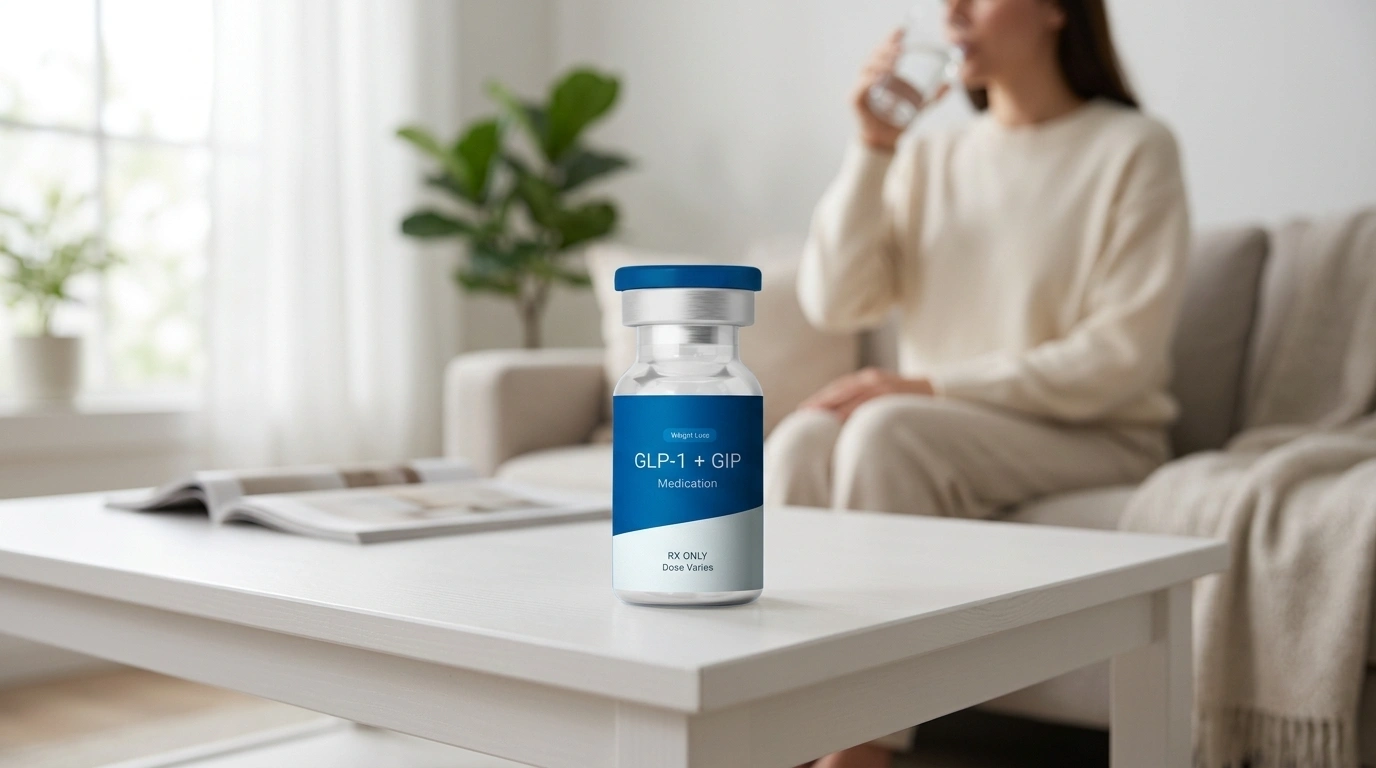
To answer whether exercise is required, we first have to understand what is happening inside your body. Zepbound® contains the active ingredient tirzepatide. This is a dual-receptor agonist, which means it mimics two different hormones naturally found in your gut: glucagon-like peptide-1 (GLP-1) and glucose-dependent insulinotropic polypeptide (GIP).
The GLP-1 component works primarily by slowing down gastric emptying—the process of food leaving your stomach—which helps you feel full faster. It also signals the brain to reduce “food noise” and cravings. The GIP component is thought to improve how your body breaks down sugar and fat. Together, these pathways create a significant calorie deficit because you naturally want to eat less.
Quick Answer: It is biologically possible to lose weight on Zepbound® without a formal exercise routine because the medication reduces your appetite and alters your metabolism. However, clinical research shows that movement is essential to ensure that the weight you lose is fat, not vital muscle.
If you are considering prescription treatment, you can complete a free eligibility assessment to explore whether a personalized program may be appropriate for you.
Why Movement Is Your Metabolism’s Insurance Policy
When you lose weight rapidly through a calorie deficit alone, your body does not just burn stored fat. It also looks for energy in your lean muscle tissue. This is a critical distinction. Muscle is metabolically active, meaning it burns more calories at rest than fat does. If you lose a significant amount of muscle because you are sedentary during treatment, your basal metabolic rate (BMR)—the number of calories your body needs just to function—will drop.
This drop in metabolism is often what leads to “plateaus,” where weight loss stalls despite eating very little. By incorporating even light activity, you send a biological signal to your body to preserve its muscle and focus on burning fat instead. This helps keep your metabolic engine running high, making it much easier to maintain your results once you reach your goal. Learn more about preserving muscle mass during GLP-1 weight loss.
Key Takeaway: Exercise is not a “switch” that turns on the medication, but it is a “shield” that protects your muscle mass. Protecting muscle ensures your metabolism remains robust as your body shape changes.
The Risks of a Sedentary Weight Loss Journey
For an individual with a BMI over 30 who has struggled for years, the initial drop in weight from medication alone can feel like a relief. However, relying solely on the drug without any movement can lead to a specific set of challenges.
The “Skinny Fat” Phenomenon
If you lose weight without exercise, you may fit into smaller clothing but still carry a high percentage of body fat relative to your muscle. This can leave you feeling weak or fatigued. Clinical experts often note that functional strength is just as important as the number on the scale. Being able to carry groceries, climb stairs, and move without pain are the real-world benefits of a personalized program that includes movement.
Bone Density Concerns
Rapid weight loss can sometimes impact bone health, especially in older adults. Weight-bearing activities, such as walking or light resistance training, are essential for maintaining bone density. This is particularly important as you age and lose overall body mass.
Metabolic Adaptation
Your body is highly efficient. When it perceives a period of “scarcity” (fewer calories), it naturally tries to save energy. This is called metabolic adaptation. Regular movement helps counteract this slowing effect, signaling to your system that it is safe to continue burning energy at a normal rate.
Finding Your “Minimum Effective Dose” of Movement
You do not need to become a marathon runner to see the benefits of activity while on a program with us. The goal is consistency, not intensity. If you are starting from a sedentary baseline, we recommend focusing on two primary areas.
1. The Power of Walking (Aerobic)
Walking is the most accessible and sustainable form of exercise. It is low-impact, which is vital if you are dealing with joint pain or a higher starting weight. A daily 20-minute walk can improve cardiovascular health and help manage blood sugar levels without overtaxing your system. For more ideas, read about how walking can support weight loss.
2. Resistance Training (The Muscle Protector)
Strength training is the gold standard for anyone on a GLP-1 or GIP medication. This does not have to mean lifting heavy barbells. It can include:
- Using resistance bands at home.
- Bodyweight exercises like squats using a chair for balance.
- Wall push-ups or light dumbbells.
- Yoga or Pilates for core stability.
Myth: You have to do high-intensity cardio to lose weight on medication. Fact: Low-impact resistance training is actually more beneficial for protecting your metabolism and ensuring long-term success.
For more detailed guidance, explore this overview of exercise strategies for weight loss.
Navigating Barriers: Fatigue and Physical Limitations
We understand that for many, the biggest barrier to exercise is not a lack of willpower, but a lack of energy. Some patients report feeling tired when they first start or increase their dose of tirzepatide. This is often because the body is adjusting to a significantly lower calorie intake.
If you are experiencing fatigue, it is important to listen to your body. Forcing a high-intensity workout when you are exhausted can be counterproductive. Instead, focus on “movement snacks”—short, five-minute bursts of activity throughout the day. This could be a quick stretch, a walk to the mailbox, or standing during a phone call. These small movements, known as Non-Exercise Activity Thermogenesis (NEAT), add up and support your metabolism without causing burnout. You can also review this guide on why tirzepatide may cause fatigue.
Note: If you experience persistent dizziness, extreme weakness, or severe pain while trying to move, stop the activity immediately and consult your healthcare provider to ensure your nutrition and dosage are properly balanced.
How TrimRx Supports Your Metabolic Journey
At TrimRx, we believe that medical weight loss is about more than just a prescription; it is about providing the tools you need for a total lifestyle shift. Our telehealth-first platform connects you with licensed providers who understand that a “one-size-fits-all” gym plan does not work for everyone.
When you join a program through our platform, your care is fully personalized. If you have physical limitations, such as knee pain or chronic back issues, your provider can help you focus on nutritional strategies that protect your muscle while you find movements that feel safe. We prioritize a high-protein approach, as protein is the building block your muscles need to survive a calorie deficit.
To complement your program, we also offer quick-access supplements like GLP-1 Daily Support. These are designed to help fill nutritional gaps that can occur when you are eating significantly less food. Supporting your body with the right vitamins and minerals can help improve your energy levels, making it easier to stay active.
Understanding Your Medication Options
As you research your journey, you will encounter various names for tirzepatide and semaglutide. Zepbound® and Wegovy® are branded medications that have received FDA approval for weight management. These are effective tools, but they can sometimes face supply challenges or insurance hurdles.
To ensure consistent access to care, we connect patients with providers who may prescribe compounded medications. Compounded tirzepatide and compounded semaglutide contain the same active ingredients as the branded versions but are prepared by specialized pharmacies.
Important: Compounded medications are not FDA-approved. However, the compounding pharmacies we work with are FDA-registered and strictly inspected to ensure they meet high quality and safety standards.
Step-by-Step: Starting Your Movement Plan
If you are ready to begin but feel overwhelmed, follow this simple onboarding logic to integrate movement into your new lifestyle.
Step 1: Prioritize Protein and Hydration. Before increasing your activity, ensure you are getting enough lean protein (chicken, fish, tofu, or beans) and water. This provides the energy and “building blocks” your muscles need to handle movement.
Step 2: Focus on NEAT. Increase your daily non-exercise movement. Take the stairs when possible, park a little further away, or do a few laps around your living room during a commercial break.
Step 3: Add “The Big Two.” Aim for two days a week of light resistance training. This sends the signal to your brain to “save the muscle.” You only need 15–20 minutes to make an impact.
Step 4: Establish a Daily Walk. Once your energy levels stabilize, aim for a consistent daily walk. Start with 10 minutes and add one minute each day until you reach a baseline you can maintain forever.
Strategies for Sustainable Success
Losing the weight is only half the battle; keeping it off is the true goal. Research suggests that exercise is the single strongest predictor of whether someone will maintain their weight loss long-term.
Think of Zepbound® as a tool that builds a bridge to a healthier you. The medication makes the journey possible by silencing hunger, but your habits are the foundation that keeps that bridge standing. By combining science-backed clinical care with realistic, empathetic guidance, we help you transition from “dieting” to living a metabolically healthy life.
Bottom line: While you can lose weight on Zepbound® through calorie reduction alone, incorporating movement protects your muscle mass, boosts your metabolism, and ensures your results are sustainable for years to come.
Conclusion
The journey toward sustainable weight loss is a marathon, not a sprint. While the biological power of Zepbound® allows you to lose weight without intense exercise, your long-term vitality depends on staying active. Whether it is a short daily walk or a few minutes of resistance training, movement is the key to preserving your metabolism and ensuring you feel as good as you look.
At TrimRx, we are dedicated to helping you navigate this path with empathy and expertise. Our personalized programs are designed to meet you where you are, providing the medical supervision and support needed to reach your goals safely. When you are ready to take a realistic next step toward a healthier you, we are here to guide you every step of the way.
Ready to see if a personalized program is right for you? Take our free assessment quiz today to explore your options.
FAQ
Can I really lose weight if I don’t exercise while on Zepbound?
Yes, you will likely lose weight because the medication reduces your appetite and slows digestion, creating a natural calorie deficit. However, without some form of movement, you risk losing a higher percentage of muscle mass, which can slow your metabolism and make it harder to keep the weight off later.
What is the most important type of exercise to do on this medication?
While all movement is good, resistance training (strength training) is the most beneficial. It signals your body to keep its muscle tissue while burning fat. You do not need heavy weights; bodyweight exercises like squats or using resistance bands are highly effective for protecting your metabolic rate.
Why do I feel so tired when I try to work out on Zepbound?
Fatigue is a common side effect as your body adjusts to lower calories and metabolic changes. It can also be a sign of dehydration or low protein intake. Focus on small “movement snacks” rather than long workouts, and ensure you are eating enough protein to support your energy levels. For additional energy support, consider Weight Loss Boost.
Is walking enough to support my weight loss results?
Walking is an excellent foundation for cardiovascular health and calorie burn. However, adding just two sessions of light strength training per week is recommended to specifically protect your muscle mass. Walking plus light resistance training is a powerful combination for long-term success.
Disclaimer: This content is for informational purposes only and does not constitute medical advice. It is not intended to diagnose, treat, cure, or prevent any disease or condition. Individual results may vary. Always consult a qualified healthcare professional before starting any weight loss program or medication.

Transforming Lives, One Step at a Time
Keep reading
Moving In With Your Partner on Zepbound
Moving in together changes the rhythm of daily life: who cooks, when you eat, what is in the fridge, and how you spend evenings….

Living With Roommates on Zepbound
Sharing an apartment or house means sharing a fridge, a kitchen, a bathroom, and often more of your life than you planned. If you…

A Fan Convention on Zepbound: Lines, Cosplay, and Convention Food
Big fan conventions are a marathon disguised as a party. You queue before dawn for a panel, walk miles of exhibit hall, stand in…


