Do You Inject Zepbound Cold? Tips for a Better Experience
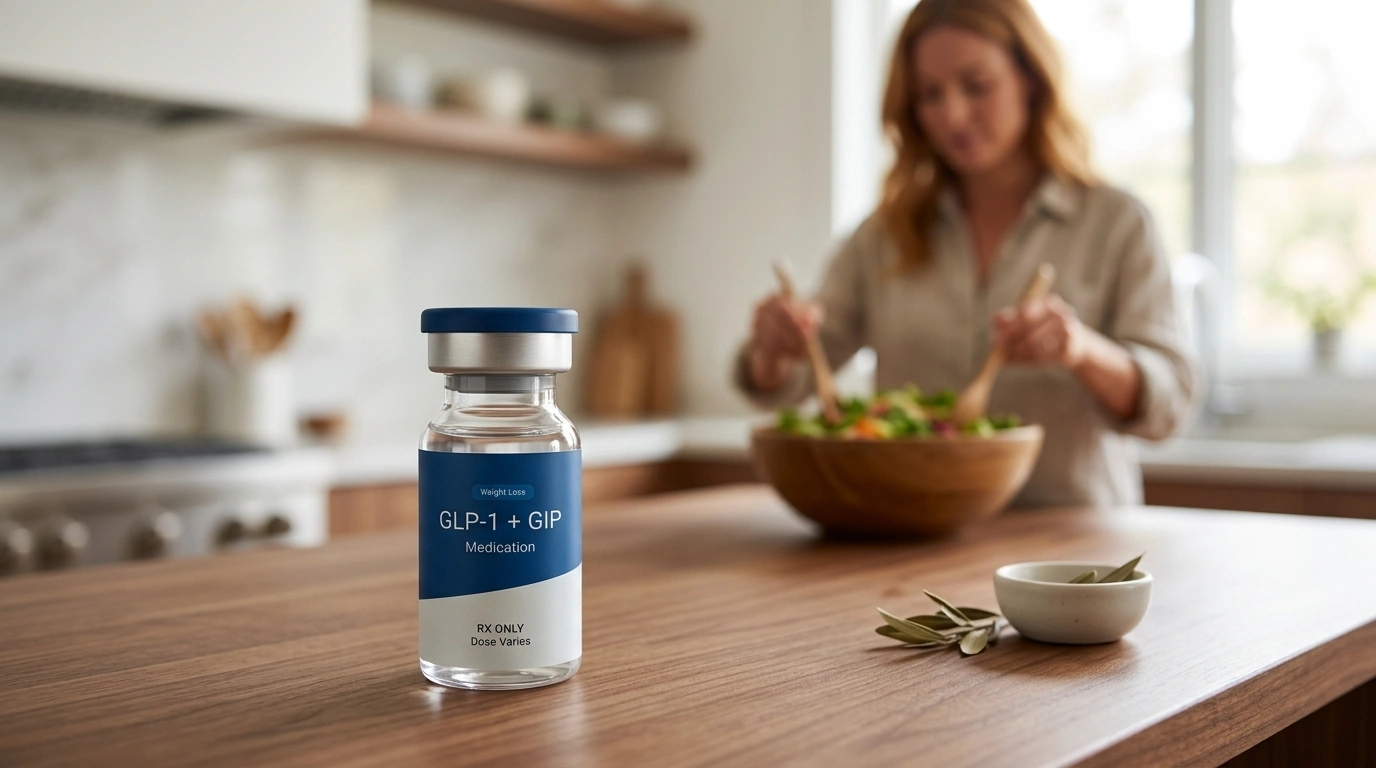
Table of Contents
- Introduction
- Can You Inject Zepbound Cold?
- Why Temperature Matters for Injection Comfort
- Proper Storage for Your Medication
- Step-by-Step: Preparing for a Comfortable Injection
- Safe vs. Unsafe Warming Methods
- Managing Injection Site Sensations
- The Role of Personalized Programs
- Traveling with Zepbound
- When to Consult a Professional
- Bottom Line on Injection Temperature
- Conclusion
- FAQ
Introduction
Starting a new medical journey can feel overwhelming, especially when it involves self-administered injections. If you have recently been prescribed Zepbound®, you might find yourself standing in front of the refrigerator, pen in hand, wondering about the best way to proceed. One of the most common questions we hear from new patients is: do you inject Zepbound cold, or should you wait? If you’re still deciding whether treatment is the right fit, you can start with our free assessment quiz. At TrimRx, we recognize that the small details of your daily routine can significantly impact your long-term success and comfort. While the clinical efficacy of the medication remains the same regardless of temperature, the physical experience of the injection can vary greatly. This article will cover everything you need to know about preparing your dose, maintaining medication stability, and ensuring your weight loss journey is as comfortable as possible. Our goal is to provide the clarity you need to move forward with confidence in your personalized treatment plan.
Quick Answer: Yes, it is medically safe to inject Zepbound® while it is cold. However, letting the medication sit at room temperature for 30 to 60 minutes before use is highly recommended to reduce the stinging or “bite” sensation that often occurs with refrigerated liquids.
Can You Inject Zepbound Cold?
The most important fact to establish is that injecting the medication while it is cold will not harm you or reduce the effectiveness of the treatment. Zepbound® contains tirzepatide, which is a dual-acting receptor agonist. This means it mimics two hormones in the body: glucagon-like peptide-1 (GLP-1) and glucose-dependent insulinotropic polypeptide (GIP). These hormones work together to regulate appetite and blood sugar.
The molecular structure of tirzepatide is robust enough to handle being injected at refrigerator temperatures (usually between 36°F and 46°F). Your body will absorb the medication and begin utilizing it in exactly the same way whether it is chilled or at room temperature. The primary reason healthcare providers suggest a “warm-up” period is not for the sake of the medicine, but for the sake of the person receiving it.
Why Temperature Matters for Injection Comfort
If you have ever experienced a sharp, stinging sensation during a Zepbound® injection, the temperature of the liquid may be the culprit. There are two primary biological and physical reasons why a cold injection feels different from a room-temperature one.
Thermal Shock and Nerve Sensitivity
The subcutaneous tissue—the layer of fat just beneath your skin where the medication is injected—is home to a dense network of tiny nerve endings. These nerves are highly sensitive to sudden changes in temperature. When you introduce a liquid that is 50 degrees colder than your internal body temperature, these nerves can react with a sharp pain signal. This is often described by patients as a “sting” or a “pinch” that lasts for several seconds after the injection is complete.
Viscosity and Fluid Dynamics
In simple terms, colder liquids are often more viscous, or “thicker,” than warmer ones. While the difference in a thin liquid like tirzepatide is subtle, it matters when that fluid is being pushed through a very fine needle. A colder, denser liquid requires slightly more pressure to move through the needle and into the tissue. This increased pressure can cause a feeling of fullness or a dull ache at the injection site immediately following the dose.
Key Takeaway: Cold injections are safe but often cause more physical discomfort due to the temperature difference between the medication and your body’s internal tissues.
Proper Storage for Your Medication
To understand the temperature rules for injection, you must first understand the rules for storage. Tirzepatide is a peptide medication, which means it consists of a specific sequence of amino acids. These sequences are delicate and can break down if they are exposed to extreme environments.
The Importance of the Refrigerator
Until you are ready to use your medication, it should be stored in the refrigerator. The ideal temperature range is between 36°F and 46°F (2°C to 8°C). For a deeper look at safe handling, our tirzepatide storage, travel & handling guide covers the basics in more detail.
Best practices for fridge storage include:
- Avoid the door: The temperature in the refrigerator door fluctuates every time you open it. Store your pens or vials on a middle shelf.
- Watch the back wall: Many refrigerators have cooling elements in the back that can reach freezing temperatures. Keep your medication away from these areas to prevent accidental freezing.
- Keep the original packaging: The box protects the medication from light, which can also cause the peptide to degrade over time.
The 21-Day Room Temperature Rule
A common misconception is that Zepbound® is ruined the moment it leaves the fridge. Fortunately, the medication is quite stable at moderate temperatures. You can safely keep your pens or vials at room temperature—up to 86°F (30°C)—for up to 21 days. If you want a broader overview of safe storage at home, our guide to storing compounded semaglutide or tirzepatide at home is a helpful companion read.
This flexibility is vital for travel or for those who prefer to keep their upcoming dose on a nightstand to remind them of their schedule. However, once the medication has reached room temperature, you should aim to use it within that three-week window.
Note: Never return a pen to the refrigerator after it has reached room temperature for an extended period. If a pen has been left out for more than 21 days, it should be disposed of in a sharps container, even if it has not been used.
Step-by-Step: Preparing for a Comfortable Injection
To ensure the best possible experience, we recommend following a consistent routine each week. This helps reduce anxiety and ensures you are getting the most out of your program.
Step 1: Remove the medication from the fridge. / Take one pen or vial out of the refrigerator approximately 30 to 60 minutes before you plan to inject.
Step 2: Check the liquid. / Look through the inspection window on the pen. The liquid should be clear and colorless to slightly yellow. If it is cloudy, contains particles, or looks “bubbly,” do not use it.
Step 3: Prepare your space. / Set the medication on a clean, flat surface away from direct sunlight or heat sources. While you wait, gather an alcohol prep pad and your sharps container.
Step 4: Clean the site. / Use the alcohol pad to clean your chosen injection site (thigh, abdomen, or back of the arm). Let the skin air dry completely; injecting through wet alcohol can cause its own stinging sensation.
Step 5: Perform the injection. / Once the pen feels neutral to the touch (not cold), follow the manufacturer’s instructions to administer the dose.
Safe vs. Unsafe Warming Methods
While we emphasize the benefits of a room-temperature injection, it is critical that you do not try to “speed up” the process using heat. Peptides are essentially proteins, and just like an egg changes when you heat it, the protein structure of tirzepatide can “denature” or break down when exposed to high heat.
Safe Methods
- Ambient Air: Letting the medication sit on the counter is the gold standard.
- Hand Warming: If you are in a time crunch, you can gently hold the pen in your closed palm for 5 to 10 minutes. Your natural body heat will safely take the chill off without reaching dangerous temperatures.
Unsafe Methods
- No Microwaves: Never place the medication in a microwave.
- No Hot Water: Do not run the pen under a hot faucet.
- No Direct Sunlight: Do not place the pen on a sunny windowsill.
- No Heating Pads: Never wrap the medication in a heating pad or place it near a space heater.
If you want a broader look at common treatment discomforts, our tirzepatide side effects guide is a helpful companion read.
Myth: “I need to shake the pen to mix the medication before it warms up.” Fact: You should never shake Zepbound® or tirzepatide. Shaking can create air bubbles or damage the delicate protein structure. A gentle swirl is all that is ever needed, though most pens do not require any mixing at all.
Managing Injection Site Sensations
Even with a room-temperature injection, some individuals may experience minor reactions at the site. These are usually not a cause for alarm but are simply the body’s natural response to the medication.
Common (and normal) reactions include:
- Mild Redness: A small red circle may appear around the injection site.
- Slight Itching: This often resolves within an hour.
- A Small Drop of Blood: This is normal and can be covered with a small bandage.
To minimize these issues, site rotation is essential. You should never inject into the exact same spot two weeks in a row. For example, if you use your right thigh one week, switch to your left thigh or your abdomen the next. This prevents the buildup of hardened tissue (lipohypertrophy) which can make future injections more painful and less effective. For more on rotating injection areas, see our GLP-1 injection sites guide.
The Role of Personalized Programs
Navigating the logistics of weight loss medication is easier when you have a dedicated support system. Through our platform at TrimRx, we connect individuals with licensed healthcare providers who specialize in metabolic health. These providers can help determine if a GLP-1 or GIP medication is the right fit for your health history and goals. If you’re ready to see whether a personalized program is a fit for you, you can take the free assessment quiz.
One of the benefits of a telehealth-first approach is the ability to receive clear guidance on everything from storage to side effect management without needing to visit a doctor’s office in person. Many patients in our program utilize compounded tirzepatide, which is a medication prepared by FDA-registered, inspected compounding pharmacies. While compounded medications are not FDA-approved, they contain the same active ingredient found in branded medications like Zepbound® and follow similar storage and preparation requirements. Whether you are using a branded or compounded version, the principles of medication temperature and injection comfort remain the same.
Traveling with Zepbound
The question of “cold or room temperature” often becomes more complicated when you are away from home. Fortunately, the 21-day room temperature rule makes most travel manageable. For a deeper look at packing and transport, our tirzepatide travel and handling guide covers the basics in more detail.
For Air Travel: Always keep your medication in your carry-on bag. The luggage compartment of a plane can experience extreme temperature drops that might freeze the liquid. Freezing is even more damaging to the medication than heat; once a pen has frozen, it must be discarded, as the tirzepatide will no longer be effective.
For Long Road Trips: If you are traveling in a car, keep the medication in the passenger cabin with you. Never leave it in a hot trunk or a glove box. If you are traveling for longer than 21 days, you may want to invest in a small, insulated medical travel bag with a cooling gel pack. Just ensure the pen does not touch the ice pack directly, as this could cause it to freeze.
When to Consult a Professional
While the tips provided here are designed to make your experience smoother, they are not a substitute for professional clinical advice. It is important to reach out to your healthcare provider or a pharmacist if you experience any of the following:
- Severe Allergic Reactions: Such as hives, swelling of the face or throat, or difficulty breathing.
- Unusual Lumps: If you notice a persistent hard lump at the injection site that does not go away.
- Accidental Freezing: If you are unsure if your medication frozen in the back of the fridge.
- Severe Side Effects: If you experience extreme nausea, vomiting, or abdominal pain that prevents you from going about your day.
Our team is dedicated to ensuring you feel supported at every step. If you have questions about your specific dosage or how the medication is interacting with your body, a consultation with a licensed specialist is the best next step. If you’re still exploring whether treatment makes sense for you, you can complete the free assessment quiz.
Bottom Line on Injection Temperature
Taking your medication shouldn’t be a source of stress or pain. By simply taking your pen out of the refrigerator a bit early, you can transform a stinging injection into a virtually painless part of your weekly routine.
Next Steps for Success:
- Check your calendar: Set a reminder to take your pen out 30–60 minutes before your scheduled dose.
- Verify your storage: Ensure your pens are on a middle shelf in the fridge, protected from light.
- Rotate your sites: Keep a simple log of where you injected last week to ensure you are giving your skin a break.
- Stay Informed: If you are curious about starting a personalized weight loss journey or want to learn more about how these medications work, the first step is simple. To see if a medically supervised weight loss program is right for you, take the free assessment quiz.
Bottom line: While you can inject Zepbound® cold without affecting the medicine’s power, waiting for it to reach room temperature is the easiest way to improve your comfort and maintain your routine long-term.
Conclusion
At TrimRx, our mission is to help individuals embrace healthier lifestyles through science, empathy, and a transparent approach to weight loss. We believe that understanding the “why” behind your medication instructions—like why room-temperature injections feel better—empowers you to take control of your health. Sustainable weight loss is about more than just a prescription; it is about building a routine that feels manageable and supportive of your daily life. Whether you are just beginning to research these options or are looking for a more personalized way to manage your current treatment, we are here to guide you. To see if a medically supervised weight loss program is right for you, we invite you to take our free assessment quiz today.
FAQ
How long can Zepbound sit out before I inject it?
You can safely leave Zepbound® out of the refrigerator for 30 to 60 minutes to reach room temperature for a more comfortable injection. However, the manufacturer states the medication can remain at room temperature (up to 86°F) for as long as 21 days if necessary. If a pen has been out of the fridge for more than three weeks, it should be discarded in a sharps container.
Will Zepbound work if it was accidentally left out overnight?
Yes, the medication will still work perfectly if left out overnight, provided the room temperature did not exceed 86°F. Since tirzepatide is stable at room temperature for up to 21 days, a single night on the counter will not degrade the active ingredients. You can choose to use it immediately or keep it out as part of your 21-day window, but do not return it to the refrigerator for long-term storage once it has warmed up.
Can I warm up my Zepbound pen in the microwave if I’m in a hurry?
No, you should never use a microwave, hot water, or any external heat source to warm your medication. High heat can damage the delicate proteins in the tirzepatide, making the medication ineffective. If you are in a rush, the only safe way to speed up the process is to gently hold the pen in your hand for a few minutes to let your body heat take the chill off.
What should I do if my Zepbound pen feels frozen?
If you suspect your medication has frozen—perhaps it was pushed against the back wall of the refrigerator or left in a car during winter—you should not use it. Freezing can break down the chemical structure of the medication, rendering it useless. Even if the liquid thaws and looks clear again, the efficacy cannot be guaranteed, and it is safest to dispose of the pen and contact your pharmacist for a replacement. If you want to see whether treatment is right for you, you can take the free assessment quiz.
Disclaimer: This content is for informational purposes only and does not constitute medical advice. It is not intended to diagnose, treat, cure, or prevent any disease or condition. Individual results may vary. Always consult a qualified healthcare professional before starting any weight loss program or medication.

Transforming Lives, One Step at a Time
Keep reading
Surfing on Zepbound: Paddling Strength, Cold Water, and Dawn Patrol
Surfing asks a lot of your body. Paddling out through broken waves takes shoulder, back, and core strength. Cold water drains energy. Dawn sessions…

Skydiving on Zepbound: Planning a Tandem Jump
For many people who have lost weight, a skydive is a goal they set years ago and finally feel ready for. Some dropzones have…
A Day at the Renaissance Faire on Zepbound
A Renaissance faire is a full day out: jousts, stage shows, artisan stalls, dusty lanes, and food built for spectacle, from giant turkey legs…


