Do You Pinch Skin for Ozempic Injection? A Technique Guide
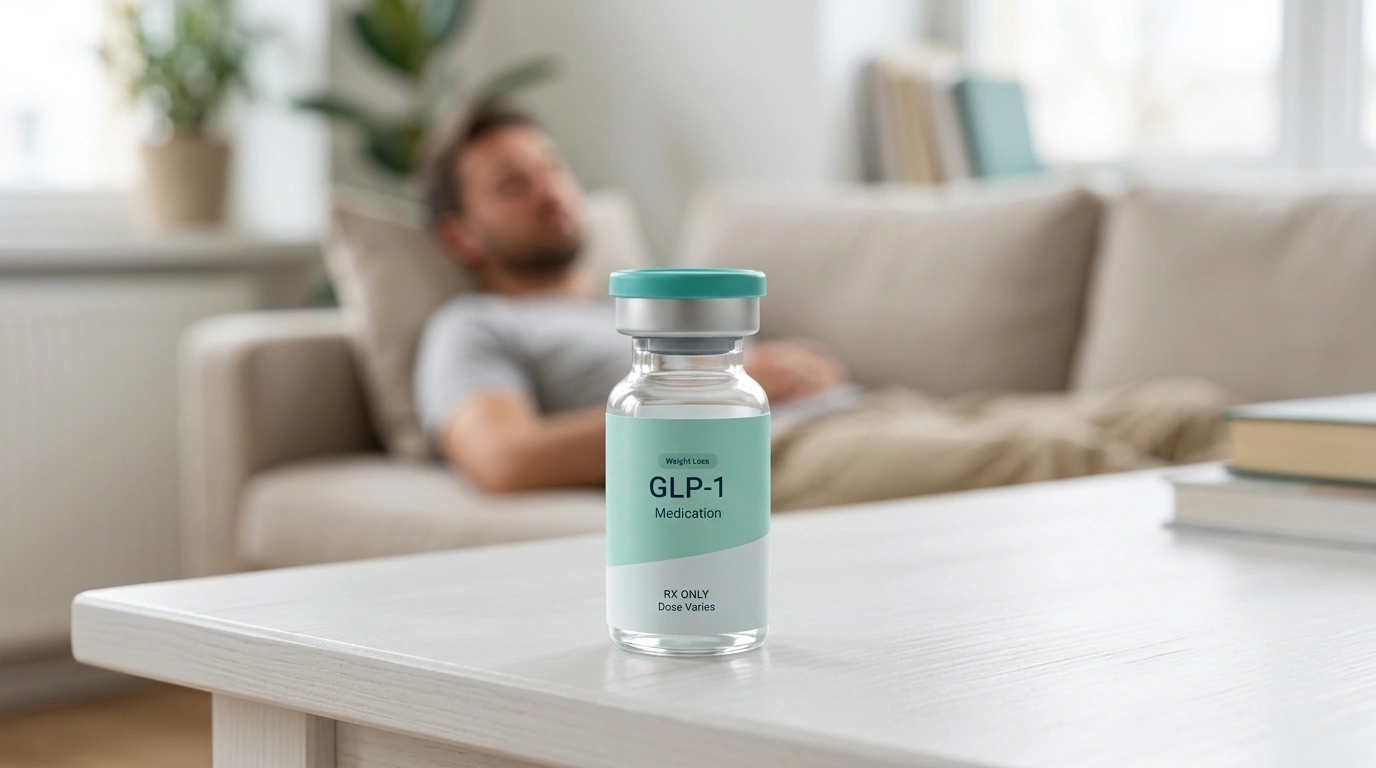
Table of Contents
- Introduction
- The Mechanics of a Subcutaneous Injection
- Do You Pinch Skin for Ozempic Injection?
- Why You Might Choose to Pinch
- A Step-by-Step Guide to Proper Injection Technique
- Identifying the Best Injection Sites
- The Importance of Rotating Injection Sites
- Troubleshooting Common Injection Challenges
- Maximizing Your Results with TrimRx
- Summary of Best Practices
- Conclusion
- FAQ
Introduction
Standing in your kitchen with a medication pen in hand for the first time can feel like a daunting milestone. You have done the research, spoken with a provider, and are ready to take a meaningful step toward your health goals. However, a single practical question often stalls the process: do you pinch skin for ozempic injection? It is a common concern for those beginning their weight loss journey, and the answer is rooted in both the design of the medication delivery system and your unique body composition.
At TrimRx, we believe that clinical success is built on a foundation of confidence and education. Getting your technique right during the first few weeks is essential not only for your comfort but for ensuring the medication is absorbed as intended. This article covers the clinical reasoning behind the “pinch” technique, a detailed walkthrough of proper administration, and how to navigate the nuances of subcutaneous injections. Our goal is to help you feel supported as you move forward with a personalized treatment plan. If you are considering whether a personalized GLP-1 program may be appropriate for you, you can complete a free eligibility assessment.
Quick Answer: Pinching the skin is generally optional when using the standard Ozempic® pen because the needles are exceptionally short. However, gently pinching a fold of skin can be very helpful for individuals with lower body fat or those who want to ensure the needle remains in the fatty tissue layer.
The Mechanics of a Subcutaneous Injection
To understand whether you should pinch your skin, it is helpful to understand where the medication needs to go. Ozempic® (semaglutide) is designed to be a subcutaneous injection. “Subcutaneous” simply means the medication must be delivered into the layer of fatty tissue that sits just beneath the skin but above the underlying muscle.
This fatty tissue is the ideal environment for GLP-1 (glucagon-like peptide-1) medications. GLP-1 is a hormone that helps regulate blood sugar and appetite. When injected into fat, the medication is absorbed slowly and steadily into the bloodstream over the course of a week. If the medication is accidentally injected too deeply into the muscle—known as an intramuscular injection—it may be absorbed too quickly. While this is rarely a safety emergency, it can lead to more intense side effects, such as heightened nausea, and may cause the medication to wear off sooner than intended. For a broader overview of subcutaneous injection locations, review this complete guide to GLP-1 injection sites.
The needles provided with modern GLP-1 pens are typically very short, ranging from 4mm to 6mm in length. Because the average person has enough subcutaneous fat to accommodate a 4mm needle, the manufacturer’s instructions often indicate that pinching is not strictly necessary. However, clinical guidance often shifts depending on the specific device and the person using it.
Do You Pinch Skin for Ozempic Injection?
The decision to pinch the skin often depends on two factors: the type of delivery system you are using and your physical frame. While the branded Ozempic® pen is a common choice, many individuals utilize compounded versions of these medications through platforms like TrimRx.
When Using the Standard Medication Pen
The branded Ozempic® pen is a sophisticated device. Once you dial your dose and press the needle into the skin, the device handles the delivery. Because the needles are so fine and short, they are unlikely to reach the muscle in most individuals. For this reason, many healthcare providers suggest a “flat skin” approach—simply pressing the pen firmly against the skin and triggering the dose.
For more detail on this specific question, read whether you should pinch your skin when injecting Ozempic.
When Using a Syringe and Vial
If your personalized program involves compounded medications, you may receive your medication in a vial with separate insulin-style syringes. Compounded Semaglutide and Compounded Tirzepatide are prepared in FDA-registered, inspected compounding pharmacies. When using a traditional syringe, the needle might be slightly longer than those found on a branded pen. In these cases, pinching the skin (often called “tenting”) is more commonly recommended to ensure the needle stays within the fatty layer.
For additional administration guidance, review this step-by-step guide to taking semaglutide shots.
Body Composition Considerations
Your “leaness” matters. For an individual with a higher Body Mass Index (BMI) and a significant layer of subcutaneous fat, pinching is almost always optional. However, as you lose weight—which is the goal of these programs—that fatty layer may thin out. For individuals who are leaner or have lost a significant amount of weight, pinching a fold of skin provides a “safety margin” to ensure the needle does not hit the muscle.
Why You Might Choose to Pinch
Even if your needle is short enough that pinching isn’t mandatory, there are several reasons why you might choose to incorporate the technique into your weekly routine.
1. Ensuring Stability and Control
Some people find that their hands shake slightly during the first few injections. Pinching a two-inch fold of skin provides a firm, stable “target.” It keeps the skin from sliding and ensures that the pen or syringe remains at a 90-degree angle throughout the duration of the injection.
2. Reducing the Sensation of the Needle
The “pinch” serves a neurological purpose. By creating firm pressure in the area with your fingers, you “distract” the nerves in that section of skin. This can make the actual prick of the needle feel significantly less noticeable. For those with a fear of needles, this small trick can make the process nearly painless.
3. Isolating Fatty Tissue
Pinching “lifts” the fat away from the muscle. This is especially useful in areas like the thigh or the arm, where the muscle is closer to the surface. By creating a “tent” of tissue, you ensure that the medication lands exactly where it needs to be for optimal absorption.
Key Takeaway: While not always required by the manufacturer, pinching is a low-risk technique that improves stability, reduces discomfort, and ensures the medication stays in the subcutaneous fat layer.
A Step-by-Step Guide to Proper Injection Technique
Mastering the injection process is about more than just the pinch. Following a consistent checklist ensures safety and accuracy every single week.
Step 1: Preparation and Inspection
Wash your hands thoroughly with soap and water. Before you begin, check your medication. The liquid should be clear and colorless. If you notice any cloudiness, particles, or a change in color, do not use it. If your medication is stored in the refrigerator, we recommend letting it sit at room temperature for 15 to 30 minutes. Injecting cold medication is one of the most common causes of a stinging sensation.
Step 2: Site Selection and Cleaning
Choose your injection site (abdomen, thigh, or upper arm). Use an alcohol swab to clean a small area of skin. Crucial tip: Let the alcohol dry completely before injecting. If you “chase” wet alcohol into the skin with the needle, it will cause a sharp sting.
Step 3: The Pinch (Optional)
If you choose to pinch, use your thumb and forefinger to gently lift about two inches of skin. Do not squeeze so hard that it causes pain or turns the skin white; you simply want to create a firm fold.
Step 4: The Injection
Hold the pen or syringe at a 90-degree angle (straight in) to the skin. Insert the needle in one smooth motion. If you are pinching, you can release the pinch once the needle is fully inserted, or you can hold it until the dose is finished—both are acceptable.
Step 5: Deliver and Count
Press the dose button all the way down. If using a pen, you will see the dose counter return to zero. Do not pull the needle out yet. Count slowly to six. This “six-second rule” ensures that the full volume of medication has left the needle and settled into the tissue, preventing any of it from leaking back out of the injection site.
Step 6: Safe Disposal
Pull the needle straight out. Dispose of the used needle or the entire single-use syringe in an FDA-cleared sharps container. Never throw loose needles in the household trash.
Identifying the Best Injection Sites
Where you inject can be just as important as how you inject. There are three primary areas recommended for GLP-1 medications.
- The Abdomen: This is the most popular site. Aim for the area at least two inches away from your belly button. The abdomen typically has the most consistent layer of fat and the highest absorption rate.
- The Front of the Thigh: The top and outer areas of the thigh are excellent choices, especially if you prefer to sit down while injecting. Avoid the inner thigh or the area directly over the bone.
- The Upper Arm: The back of the arm (triceps area) is a valid site but is often difficult to reach on your own. This site may require the help of a partner.
For a more detailed comparison of these locations, explore this guide to where to inject semaglutide.
Note: If you are experiencing significant gastrointestinal side effects like nausea or bloating, some patients report that switching the injection site from the abdomen to the thigh helps, although clinical data on this remains anecdotal. Always consult your provider before making significant changes to your routine.
The Importance of Rotating Injection Sites
One of the most frequent mistakes patients make is injecting into the exact same spot every week. You must rotate your injection sites to maintain the health of your skin and the effectiveness of the medication.
If you inject into the same square inch of skin repeatedly, you may develop a condition called lipohypertrophy. This involves the formation of small, hard lumps of fatty tissue under the skin. These lumps are a reaction to repeated minor trauma and the local effects of the medication. While they are generally harmless, they do not absorb medication well. If you inject into a lump, your dose may not be fully absorbed, making the medication feel “weaker” that week.
For a structured approach, see this guide on how to rotate injection sites for semaglutide and tirzepatide.
A Simple Rotation Strategy:
- Imagine your abdomen is a clock. Inject at “12 o’clock” the first week, “1 o’clock” the second week, and so on.
- Alternatively, switch sides of the body each week (e.g., left side of the stomach one week, right side the next).
- Always stay at least one inch away from the site of your previous injection.
Troubleshooting Common Injection Challenges
Even with perfect technique, you may occasionally encounter a minor issue. Knowing how to respond helps prevent unnecessary anxiety.
A Drop of Blood or Fluid
It is very common to see a tiny drop of blood or a clear droplet of medication at the injection site after you pull the needle out. This is usually not a cause for concern and does not mean you lost your dose. Simply dab it with a clean tissue. Do not rub the area, as this can cause bruising.
Bruising at the Injection Site
Bruising can happen if the needle hits a tiny capillary. To minimize bruising, ensure you are injecting straight in at a 90-degree angle and avoiding areas with visible veins or existing bruises. If you pinch too hard, that can also cause minor bruising, so keep your grip firm but gentle.
The “Sting”
If you find the injection stings, check three things: Is the medication room temperature? Did you let the alcohol dry? Are you tensing your muscles? Relaxing the muscle under the injection site can significantly improve comfort.
Myth: “If I don’t pinch my skin, the medication won’t work.” Fact: The medication’s effectiveness is determined by whether it reaches the subcutaneous fat, not by whether the skin was pinched. Pinching is a tool to help you reach that fat layer more reliably, but if the needle reaches the fat without a pinch, the results will be the same.
Maximizing Your Results with TrimRx
At TrimRx, we know that the injection is just one small part of a much larger journey. Success in long-term weight management requires a combination of the right medication, clinical oversight, and supportive habits. Our platform is designed to provide this comprehensive care entirely through telehealth.
When you join a program through our platform, you are connected with licensed healthcare providers who evaluate your medical history and goals. This personalization ensures you receive the appropriate medication—whether that is a branded option or a compounded version from one of our partner FDA-registered, inspected compounding pharmacies.
Beyond the prescription, we provide the tools to help you thrive. For many, the transition to GLP-1 medications can be accompanied by changes in appetite and digestion. We offer targeted support like our GLP-1 Daily Support supplement, which is formulated to help fill nutritional gaps and support digestive comfort during your program. We also offer Weight Loss Boost for additional metabolic support.
Our mission is to make sustainable weight loss accessible and transparent. With no hidden fees and 24/7 access to specialists, we are here to answer your questions—from “do I pinch the skin?” to “how do I adjust my nutrition?” We believe that by merging clinical expertise with modern convenience, we can help you achieve the healthier lifestyle you deserve.
Summary of Best Practices
To ensure your weekly routine is as seamless as possible, keep these final tips in mind:
- Pinch if you find it helpful: It is a great technique for stability and comfort, even if your pen doesn’t strictly require it.
- The 6-Second Rule is vital: This is the most important step for ensuring you receive the full dose.
- Rotation is non-negotiable: Keep your skin healthy by moving your injection site at least one inch every week.
- Temperature matters: Let your medication warm up slightly to avoid the sting.
- Ask for help: If you are unsure about your technique, reach out to your specialist team through our platform.
Conclusion
Mastering the self-injection process is an empowering step. While the question of whether to pinch your skin may seem like a minor detail, understanding the “why” behind the technique allows you to take control of your treatment. Whether you choose to pinch for added stability or find that a flat-skin approach works best for you, the most important factors are consistency, site rotation, and proper hygiene.
At TrimRx, we are committed to being your partner in this transformation. We provide the clinical expertise and personalized programs necessary to help you navigate the complexities of metabolic health with ease. You don’t have to figure this out alone—our team is here to support you every step of the way.
If you are ready to explore a personalized approach to sustainable weight loss, the first step is simple.
Take the first step today by completing our free assessment quiz to see which personalized program is right for your health goals.
FAQ
Does pinching the skin make the injection less painful?
For many people, yes. Pinching a fold of skin creates a firm surface and applies pressure to the surrounding nerves, which can help “dull” the sensation of the needle prick. It also prevents the skin from moving, making the injection feel more stable and controlled.
What happens if I accidentally inject into muscle?
An occasional intramuscular injection is generally not dangerous, but the medication may be absorbed into the bloodstream faster than intended. This could potentially lead to a temporary increase in side effects like nausea and might mean the medication’s effects fade slightly sooner before your next dose. Using the “pinch” technique is an excellent way to prevent this.
Can I inject into my stomach if I have had surgery in that area?
You should generally avoid injecting into areas with active inflammation, infection, or significant scar tissue, as these can affect medication absorption. If you have surgical scars, stay at least two inches away from them. The thigh or the back of the arm are excellent alternative sites if your abdomen is not an ideal option.
Should I release the pinch before or after I press the button?
You can do either. Many people find it easiest to maintain the pinch until the injection is finished and they have counted to six. Others prefer to “tent” the skin to insert the needle, then release the pinch so they have a free hand to hold the pen steady while pressing the button. Both methods are clinically acceptable.
If you are still unsure about your injection technique or whether a prescription program is appropriate for you, you can complete a free eligibility assessment.
Disclaimer: This content is for informational purposes only and does not constitute medical advice. It is not intended to diagnose, treat, cure, or prevent any disease or condition. Individual results may vary. Always consult a qualified healthcare professional before starting any weight loss program or medication.

Transforming Lives, One Step at a Time
Keep reading
Playing in a Tennis League on Ozempic
Joining a tennis league is one of the best things you can do for fitness, friendship, and a bit of friendly competition. Many adults…

Sledding and Ice Skating With the Grandkids on Ozempic
Winter break with grandchildren often means sledding hills, outdoor rinks, and snowball fights in the yard. For many grandparents who have lost weight on…

Hosting a Quinceañera on Ozempic
A quinceañera is one of the biggest days in a family’s life. There is a Mass or blessing, photos, a grand entrance, the court’s…


