How to Inject Semaglutide: Step-by-Step Instructions
Introduction
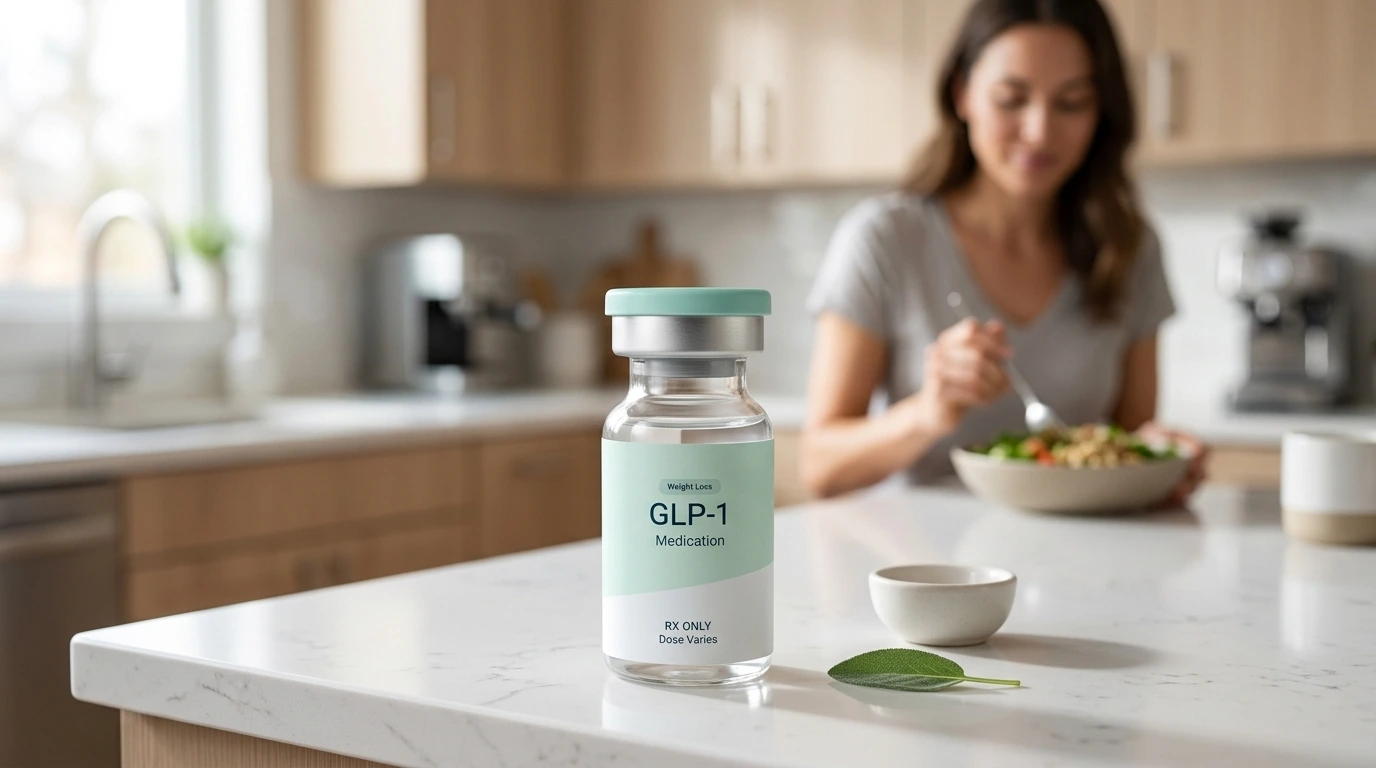
Standing in your kitchen with a small vial or a sleek injection pen can feel a bit overwhelming the first time. You are likely here because you have decided to take a proactive step toward your metabolic health, yet the physical act of self-injection feels like a hurdle. It is a common concern for many starting their weight loss journey, but once you master the technique, it becomes a simple, thirty-second part of your weekly routine. At TrimRx, we believe that clear information is the best tool for reducing anxiety and ensuring your treatment is as effective as possible. This article covers everything from preparing your supplies and choosing the right injection site to the actual step-by-step process and safe disposal of your materials. Our goal is to ensure you feel confident and supported as you begin this new chapter in your health journey.
For a broader overview of how semaglutide works, explore this guide to semaglutide injections and weight loss.
The Basics of Semaglutide Administration
Before you pick up your medication, it is important to understand what semaglutide is and how your body receives it. Semaglutide is a GLP-1 receptor agonist, which stands for glucagon-like peptide-1. This is a synthetic version of a hormone your body naturally produces to regulate blood sugar and appetite. By mimicking this hormone, the medication helps you feel full longer and slows down digestion.
Most semaglutide treatments are administered via a subcutaneous injection. Subcutaneous means “under the skin.” Unlike a flu shot or a vaccination that goes deep into the muscle, this medication is designed to sit in the fatty tissue just beneath the surface of the skin. From there, it is slowly absorbed into the bloodstream over several days, which is why it is typically only injected once per week.
Key Takeaway: Semaglutide is a GLP-1 medication that mimics natural hormones to regulate appetite. It is injected into the fatty tissue under the skin (subcutaneous) rather than into the muscle.
If you are considering prescription treatment, you can complete a free eligibility assessment to see whether a personalized program may be appropriate for you.
Preparing for Your First Injection
Preparation is the most critical phase for ensuring a sterile and stress-free experience. You do not want to be searching for a cotton ball while you are holding a needle. Create a dedicated space on a clean, flat surface like a bathroom counter or a kitchen table.
For additional preparation guidance, review this semaglutide injection supplies and hygiene guide.
Gathering Your Supplies
Depending on your specific prescription, you may have an all-in-one pen device or a vial and separate syringes. Regardless of the format, you will need the following items ready:
- Your semaglutide medication (pen or vial)
- A fresh alcohol swab or a cotton ball dipped in rubbing alcohol
- A new, sterile needle or syringe
- A sharps disposal container (a heavy-duty plastic container for used needles)
- A small adhesive bandage (optional)
Checking Your Medication
Always inspect your medication before use. The liquid should be clear and colorless. If the solution looks cloudy, discolored, or has visible particles floating in it, do not use it. Check the expiration date on the label as well. Using expired medication can be less effective and may pose safety risks.
Temperature Management
Most GLP-1 medications are stored in the refrigerator. Cold liquid can sometimes cause a slight stinging sensation during injection. You may find it helpful to take the medication out of the fridge and let it sit at room temperature for about 15 to 30 minutes before your scheduled dose. Do not use external heat sources like a microwave or hot water to warm it up, as high heat can damage the proteins in the medication.
Choosing and Rotating Injection Sites
The location where you choose to inject can impact your comfort level and how well the medication is absorbed. Because semaglutide requires subcutaneous delivery, you want to choose an area with a healthy layer of fatty tissue.
This guide to choosing and rotating semaglutide injection sites provides a closer look at site selection.
Recommended Sites
There are three primary areas recommended for semaglutide injections:
- The Abdomen: This is often the most popular choice because it is easy to reach and see. Choose a spot at least two inches away from your belly button.
- The Thighs: The front or outer surface of the upper thighs is another excellent option. This site is particularly useful if you prefer to sit down while administering your dose.
- The Upper Arms: The back of the upper arm can be used, though this is often easier if someone else is helping you with the injection.
The Importance of Site Rotation
You should never inject into the exact same spot two weeks in a row. Repeatedly using the same square inch of skin can lead to localized irritation or the development of small lumps under the skin called lipodystrophy. These lumps can interfere with medication absorption.
A simple way to manage rotation is to imagine your abdomen as a clock face. One week you might inject at the “3 o’clock” position, and the next week you move to “6 o’clock.” Alternatively, you can switch from the left side of your stomach one week to the right side the next.
Note: Avoid injecting into areas where the skin is tender, bruised, red, hard, or scarred. Stay away from moles or stretch marks as these areas may have tougher tissue that makes the injection more difficult.
Step-by-Step Injection Process: Syringe and Vial
If you are using a compounded semaglutide program through TrimRx, you will likely receive your medication in a vial with separate insulin-style syringes. This method allows for precise dosing adjustments as directed by your healthcare provider.
Step 1: Wash your hands. / Use soap and warm water. Dry them thoroughly with a clean towel.
Step 2: Clean the vial. / Remove the plastic cap from the vial if it is new. Wipe the rubber stopper on top of the vial with a fresh alcohol swab.
Step 3: Prepare the syringe. / Remove the cap from the needle. Pull the plunger back to fill the syringe with an amount of air equal to your prescribed dose.
Step 4: Draw the medication. / Push the needle through the rubber stopper and inject the air into the vial. Turn the vial upside down with the needle still inside. Pull the plunger back to the line corresponding to your dose.
Step 5: Remove air bubbles. / Tap the side of the syringe gently to move any air bubbles to the top. Push the plunger slightly to expel the air, then ensure the plunger is at the correct dose mark.
Step 6: Clean the injection site. / Wipe your chosen skin area with a fresh alcohol swab and let it air dry. Do not blow on it or fan it with your hands.
Step 7: Inject. / Gently pinch a fold of skin. Insert the needle at a 90-degree angle (straight in). Push the plunger down all the way.
Step 8: Withdraw and dispose. / Pull the needle straight out. Do not rub the site. Immediately place the syringe in your sharps container.
Step-by-Step Injection Process: Pre-filled Pens
Some patients may use branded medications such as Wegovy® or Ozempic®, which often come in pre-filled pen devices. These pens are designed for ease of use and often have a hidden or built-in needle.
For more context on semaglutide administration, read this overview of how semaglutide injections are used.
Step 1: Prepare the pen. / Pull off the pen cap and check the medication window. If the liquid is clear, you are ready to proceed.
Step 2: Attach the needle (if required). / Some pens require you to screw on a new needle for each dose. Ensure it is straight and secure.
Step 3: Prime the pen. / If it is a new pen, you may need to turn the dose selector to the “flow check” symbol and press the button until a drop of liquid appears at the needle tip.
Step 4: Select your dose. / Turn the dose selector until the window shows the exact dose prescribed by your provider.
Step 5: Clean and inject. / Clean the skin with alcohol. Press the pen firmly against the skin at a 90-degree angle. Press and hold the injection button.
Step 6: Wait for the count. / Most pens have a clicking sound or a moving dial. Once the dial returns to zero, hold the pen against the skin for a full 6 to 10 seconds to ensure the full dose is delivered.
Step 7: Remove and store. / Pull the pen away from your skin. Safely remove the needle if applicable and store the pen as instructed (usually in the refrigerator or at room temperature for a limited time).
Key Takeaway: Whether using a vial or a pen, the goal is a steady 90-degree insertion into the fatty tissue, followed by a brief hold to ensure the medication is fully absorbed.
Managing Common Injection Concerns
It is natural to have questions or experience minor issues when you are learning how to inject semaglutide. Most of these concerns have simple solutions.
You can also review this guide to common GLP-1 side effects for additional information about symptoms that may occur during treatment.
A Drop of Liquid After Injection
If you see a tiny drop of clear liquid on your skin after you withdraw the needle, do not panic. This is common and usually does not mean you missed your dose. To minimize this, ensure you are holding the needle in place for several seconds after the plunger or button is fully depressed. Do not rub the site, as this can push medication back out or cause irritation.
Minor Bruising or Redness
A small amount of redness or a tiny bruise at the injection site is generally normal. This often happens if the needle accidentally hits a tiny capillary. You can minimize this by ensuring the alcohol has completely dried before injecting and by not “massaging” the area afterward. If you notice significant swelling, hives, or severe itching, contact your healthcare provider, as this could indicate a localized reaction.
Needle Anxiety
If you are nervous about the needle, remember that the needles used for GLP-1 medications are extremely thin—often no thicker than a few strands of hair. They are much smaller than the needles used for blood draws. Taking a deep breath and relaxing your muscles can make the process much smoother. Many people find that they barely feel the injection at all.
Sharps Disposal and Safety
Safe disposal is a non-negotiable part of using injectable medications. Used needles should never be thrown directly into the household trash or recycling bin. This protects sanitation workers and members of your household from accidental needle sticks.
Using a Sharps Container
You can purchase a dedicated red sharps container from most pharmacies. If you do not have one, the FDA suggests using a heavy-duty plastic household container, such as an empty laundry detergent bottle. It must have a tight-fitting, puncture-resistant lid.
When the container is about three-quarters full, follow your local community guidelines for disposal. Some areas have “drop-off” sites at hospitals or fire stations, while others allow for specialized mail-back programs.
Support During Your Semaglutide Journey
Starting a medication like semaglutide is about more than just the injection technique. It is about a total shift in your relationship with your health. At TrimRx, we focus on providing a telehealth-first experience that removes the barriers to sustainable weight loss. Our program includes doctor consultations and access to compounded medications shipped from FDA-registered pharmacies, but it also provides the ongoing support you need to navigate the nuances of treatment.
If you are evaluating whether prescription treatment may fit your goals, find out if GLP-1 medications may be right for you.
Supplementing Your Success
While the medication does the heavy lifting in terms of appetite regulation, many people find that supporting their body with targeted nutrients helps them feel their best. For example, our GLP-1 Daily Support supplement is designed to complement your program by helping to maintain digestive comfort and nutrient balance. Similarly, the Weight Loss Boost supplement can provide an extra edge for those looking to optimize their metabolic rate alongside their weekly injections.
Monitoring Side Effects
While semaglutide is generally well-tolerated, some individuals experience gastrointestinal side effects like nausea or indigestion, especially when starting a new dose. These are usually temporary. Staying hydrated and eating smaller, more frequent meals can help. If side effects become persistent or severe, your TrimRx-affiliated provider is available to discuss dosage adjustments or management strategies.
For another perspective on treatment safety, review this semaglutide safety and side-effect guide.
Bottom line: Mastery of the injection process comes with practice. By focusing on preparation, site rotation, and safe disposal, you create a foundation for a successful and sustainable weight loss experience.
Optimizing Your Results
To get the most out of your semaglutide treatment, the injection is only one part of the puzzle. The medication is a tool that works best when paired with lifestyle changes.
- Protein Intake: Focus on high-quality protein to help preserve muscle mass while you lose fat.
- Hydration: GLP-1 medications can change your thirst cues. Make a conscious effort to drink water throughout the day.
- Consistent Timing: Try to take your injection on the same day each week. This keeps the levels of medication in your system stable. If you need to change your “shot day,” consult your provider on how to transition safely.
- Track Your Progress: Beyond the scale, pay attention to how your clothes fit and your energy levels. These “non-scale victories” are often the most rewarding parts of the process.
Why Choose a Personalized Program?
Weight loss is not a one-size-fits-all endeavor. The reason TrimRx emphasizes personalized programs is that every body reacts differently to GLP-1 therapy. Some people may need a slower titration (dosage increase) to avoid side effects, while others may require different injection sites to find what works best for them.
By utilizing a telehealth platform, you have 24/7 access to specialists who can answer your questions about how to inject semaglutide or how to manage your daily routine. This level of support ensures that you never feel like you are guessing about your health.
Taking the Next Step
If you are ready to begin but haven’t yet started your clinical assessment, the process is straightforward. We offer a free assessment quiz for prescription weight loss medications that reviews your health history and goals. This information allows licensed healthcare providers to determine if a GLP-1 medication like compounded semaglutide or compounded tirzepatide is right for you. If you are a candidate, the medication and all necessary supplies are shipped directly to your door, so you can begin your journey with confidence.
Our mission at TrimRx is to help individuals embrace healthier lifestyles through science, empathy, and a transparent, personalized approach. We are here to guide you through every step, from that very first injection to the moment you reach your ultimate health goals.
FAQ
Does it matter where I inject semaglutide?
Yes, you should inject into the fatty tissue of the abdomen, thigh, or upper arm. These areas allow for proper subcutaneous absorption, which is how the medication is designed to work. Rotating your injection site each week is also essential to prevent skin irritation or lumps.
For more details, read this semaglutide injection site guide.
What should I do if I miss a dose?
If you miss a dose of semaglutide, take it as soon as you remember, provided it is within five days of your missed dose. If more than five days have passed, skip the missed dose and wait until your next regularly scheduled day. Never take two doses at the same time to make up for a missed one.
Is it normal to have a small drop of liquid after the injection?
Yes, seeing a tiny drop of liquid on the skin or the needle tip is common and usually does not indicate a failed dose. To minimize this, ensure you hold the needle in your skin for about 6 to 10 seconds after the medication has been fully dispensed before withdrawing it.
How do I dispose of my used needles safely?
Used needles and syringes must be placed in a sharps disposal container immediately after use. If you do not have a professional sharps container, you can use a heavy-duty plastic household container with a screw-on lid, like a laundry detergent bottle. Check your local community guidelines for how to permanently dispose of the filled container.
Disclaimer: This content is for informational purposes only and does not constitute medical advice. It is not intended to diagnose, treat, cure, or prevent any disease or condition. Individual results may vary. Always consult a qualified healthcare professional before starting any weight loss program or medication.

Transforming Lives, One Step at a Time
Keep reading

Hair Shedding Months Into Semaglutide
It shows up in the shower drain first, then on the pillow, then in the brush. By the time most people search this, they…

Vision Changes on Semaglutide: What to Know
Three different things get bundled together under this question, and they carry very different levels of urgency. Separating them is most of the work….

High-Altitude Hiking on Semaglutide
You have a trip booked and an appetite that already does not work the way it used to. The worry is reasonable, and there…


