Do You Pinch Skin When Injecting Mounjaro? Best Practices
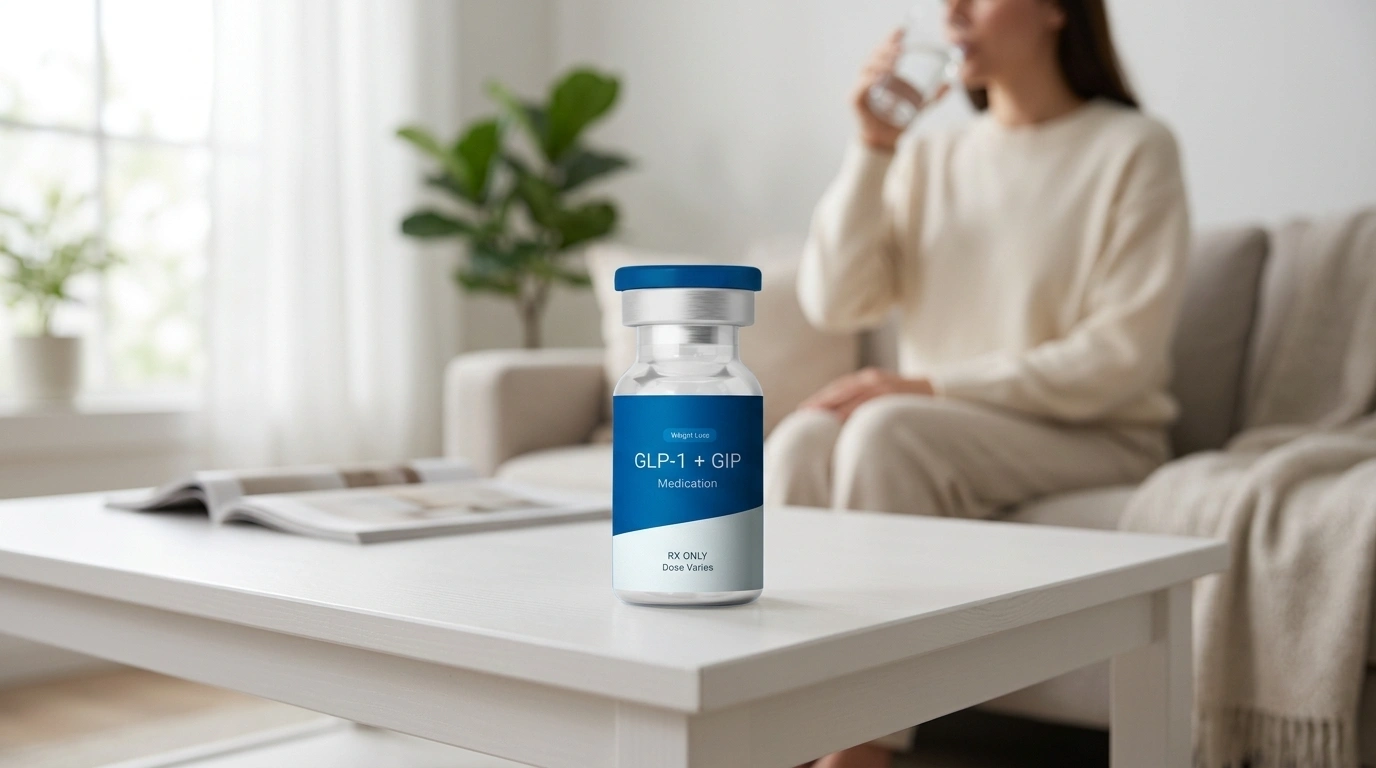
Table of Contents
- Introduction
- The Role of Subcutaneous Injections
- Do You Pinch Skin When Injecting Mounjaro?
- Selecting the Best Injection Site
- Why Site Rotation is Essential
- Steps for a Successful Injection
- Managing Injection Anxiety
- Common Myths vs. Facts
- Maximizing Your Results with TrimRx
- Addressing Side Effects
- The TrimRx Difference
- Conclusion
- FAQ
Introduction
Holding a self-injection pen for the first time can feel like a significant moment. You might feel a mix of excitement about your health journey and a bit of natural hesitation about the process itself. One of the most common questions we hear from individuals starting their treatment is whether they need to pinch their skin before pressing the button. Getting the technique right is not just about comfort; it is about ensuring the medication is delivered exactly where it needs to go to be most effective.
At TrimRx, we focus on making the path to metabolic health as clear and stress-free as possible. This guide will walk you through the nuances of the injection process, specifically addressing the “pinch” technique, site selection, and how to make your weekly routine a seamless part of your lifestyle. We will cover the differences between using an auto-injector pen and a traditional syringe, ensuring you have the confidence to manage your program effectively. By the end of this article, you will understand exactly how to administer your medication for the best possible experience and results. If you are considering prescription treatment, you can complete a free eligibility assessment to explore whether a personalized program may be appropriate for you.
Quick Answer: For the Mounjaro® auto-injector pen, you should not pinch your skin; the device is designed to be pressed flat against the injection site. However, if you are using a syringe and needle for a compounded medication, a gentle pinch may be recommended to help isolate the subcutaneous fat layer.
The Role of Subcutaneous Injections
Mounjaro® (tirzepatide) is a medication delivered through a subcutaneous injection. This simply means the needle is designed to reach the layer of fat just beneath the skin but above the muscle. This layer is rich in small blood vessels that allow the medication to be absorbed slowly and steadily into the bloodstream over the course of a week.
Tirzepatide is a dual agonist, meaning it mimics two different hormones in the body: glucagon-like peptide-1 (GLP-1) and glucose-dependent insulinotropic polypeptide (GIP). By activating these receptors, the medication helps regulate blood sugar, slows down digestion, and communicates with the brain to signal fullness. Because these receptors are highly sensitive, the delivery method—where and how you inject—plays a vital role in how your body processes the treatment. For additional background, review this comprehensive guide to injecting tirzepatide.
Do You Pinch Skin When Injecting Mounjaro?
The answer depends entirely on the delivery system you are using. Most branded versions of this medication come in a pre-filled, single-use auto-injector pen. These devices are engineered for maximum simplicity and safety.
Using the Auto-Injector Pen
If you are using the standard Mounjaro® pen, the manufacturer’s instructions explicitly state that you should not pinch or squeeze the skin. The pen is designed with a specific needle depth and a tension-based trigger system.
When you pinch the skin while using an auto-injector, you may inadvertently change the angle of the needle or create a surface that is too firm, which can lead to:
- The needle not reaching the appropriate depth.
- The medication leaking out of the injection site.
- Increased bruising or discomfort at the site.
Instead, you should place the clear base of the pen flat against your skin, unlock it, and press the button. The device does the work for you. You can also review these techniques for making Mounjaro injections more comfortable.
Using a Syringe and Vial
Some individuals access their treatment through different formats, such as compounded tirzepatide prepared by FDA-registered, inspected compounding pharmacies. These versions are often delivered using a traditional vial and a very fine insulin-style syringe.
In this case, a gentle pinch of the skin may be helpful, especially for individuals with lower body fat percentages. This technique “lifts” the subcutaneous fat away from the underlying muscle, ensuring the needle stays in the fatty tissue.
Key Takeaway: Always follow the specific instructions provided with your delivery device. Pens are “press and go,” while syringes often benefit from a “pinch and poke” approach to ensure safety and comfort.
Selecting the Best Injection Site
Choosing where to inject is just as important as the technique itself. There are three primary areas recommended for subcutaneous injections. Each has its own set of characteristics that might influence your choice depending on your body’s sensitivity. For more detail, see this guide to tirzepatide injection sites.
The Abdomen
The stomach is the most common injection site because it is easy to reach and typically has a consistent layer of subcutaneous fat. You should stay at least two inches away from your belly button. Many people find the abdomen to be the most convenient spot, but it is also the area most frequently associated with gastrointestinal side effects in some clinical observations.
The Thigh
The front or side of the thigh is another excellent option. It offers high visibility, making it easy to see exactly what you are doing. If you experience significant nausea when injecting in the abdomen, some patients report that switching to the thigh helps mitigate those feelings, though absorption may be slightly different.
The Upper Arm
The back of the upper arm can be used, but it is often the most difficult site to manage alone. For this site, it is usually best to have a partner or caregiver assist you to ensure the pen is held at a 90-degree angle.
Site Comparison Table
| Injection Site | Ease of Use | Sensitivity | Reported Nausea Risk |
|---|---|---|---|
| Abdomen | High | Low to Medium | Moderate |
| Thigh | High | Medium | Lower |
| Upper Arm | Low (needs help) | Medium | Moderate |
Why Site Rotation is Essential
You should never inject into the exact same spot two weeks in a row. This practice, known as site rotation, is crucial for maintaining the health of your skin and the fatty tissue underneath.
If you consistently use the same small area, you may develop a condition called lipohypertrophy. This is a buildup of fatty lumps under the skin. These lumps aren’t just a cosmetic concern; they can actually interfere with how the medication is absorbed, making your treatment less effective over time. Learn more about why changing tirzepatide injection sites matters.
A good strategy is to think of your abdomen or thigh as a grid. If you inject in the top-right quadrant of your stomach one week, move to the bottom-left the next. As long as you are at least one inch away from your previous injection site, you are doing it correctly.
Steps for a Successful Injection
To ensure your treatment is as effective as possible, we recommend following a consistent routine. This helps reduce anxiety and ensures you don’t miss any critical safety steps.
Step 1: Temperature Preparation
If you store your medication in the refrigerator, take the pen or vial out about 30 minutes before you plan to use it. Cold medication can sometimes cause a slight stinging sensation. Allowing it to reach room temperature makes the process much more comfortable.
Step 2: Inspect the Medication
Check the liquid through the window of the pen or in the vial. It should be clear and colorless or slightly yellowish. If the liquid looks cloudy, contains particles, or appears frozen, do not use it. Also, verify that the expiration date has not passed.
Step 3: Sanitize the Area
Wash your hands thoroughly with soap and water. Use an alcohol swab to clean your chosen injection site. Allow the skin to air dry completely—injecting through wet alcohol is a common cause of that “stinging” feeling.
Step 4: Administer the Dose
For an auto-injector:
- Remove the base cap.
- Place the clear base flat against the skin.
- Turn the lock ring to the “unlock” position.
- Press and hold the button. You will hear a loud click.
- Continue holding the pen against your skin until you hear a second click or see the gray plunger. This usually takes about 5 to 10 seconds.
For a syringe:
- Draw the prescribed dose into the syringe.
- Gently pinch a fold of skin if instructed by your provider.
- Insert the needle at a 90-degree angle.
- Depress the plunger slowly.
- Wait 5 seconds before withdrawing the needle.
Step 5: Safe Disposal
Immediately place your used pen or needle into a puncture-resistant sharps container. Never throw needles into the regular household trash. For a broader walkthrough, read this step-by-step tirzepatide injection guide.
Bottom line: A successful injection relies on clean skin, room-temperature medication, and holding the device in place long enough to ensure the full dose is delivered.
Managing Injection Anxiety
It is perfectly normal to feel a bit nervous about needles. Even though the needles used for GLP-1 and GIP medications are incredibly thin—often comparable to a human hair—the “click” of an auto-injector can be startling.
To help manage this, try to pair your injection with a positive habit. Perhaps you do it right before watching your favorite show or after your morning meditation. Over time, the process will become a routine part of your week, much like brushing your teeth.
If the sensation of the needle bothers you, you can try “icing” the site for a minute before cleaning it with alcohol. This can numb the surface of the skin. Remember, the goal of the TrimRx program is to support your health, not to cause stress. Most people find that after the third or fourth week, the anxiety disappears entirely as they realize how quick and relatively painless the process actually is.
Common Myths vs. Facts
There is a lot of misinformation online regarding how to maximize the effects of these medications. Let’s clear up some common misconceptions.
Myth: Pinching the skin helps the medication work faster.
Fact: Pinching is solely a technique to ensure the needle enters the correct tissue layer. It does not change the speed of absorption or the efficacy of the drug.
Myth: You must inject into the stomach for the best weight loss results.
Fact: Clinical studies show that the medication is effective regardless of whether it is injected into the abdomen, thigh, or arm. The “best” site is the one that causes the fewest side effects for you personally.
Myth: If a drop of liquid remains on the skin, the dose failed.
Fact: It is very common to see a tiny drop of liquid on the skin or the tip of the needle after injecting. This is normal and does not mean you missed your dose. If a large amount of liquid leaks out, contact your healthcare provider.
Maximizing Your Results with TrimRx
The injection itself is only one part of a much larger picture. While medications like Mounjaro® or Zepbound® provide biological support, they work best when integrated into a comprehensive lifestyle plan.
At TrimRx, our telehealth-first approach means you have access to a team that understands the nuances of your journey. We don’t just provide access to medication; we provide a personalized program that evolves with you.
Nutritional Support
As the medication slows your digestion, the quality of the food you eat becomes even more important. Focusing on high-protein meals and staying hydrated is essential. We often recommend supplements like GLP-1 Daily Support to help maintain muscle mass and ensure you are getting the micronutrients your body needs while eating smaller portions.
Handling Dosage Changes
As you progress, your provider may adjust your dosage. We believe in transparency, so your focus remains on your health rather than administrative concerns. Our specialists are always available to discuss how these changes might affect your injection routine or any side effects you might be experiencing.
Addressing Side Effects
While most people tolerate these medications well, some experience mild side effects like nausea, indigestion, or site irritation.
If you notice redness or itching at the injection site:
- Ensure you are rotating sites properly.
- Check that you are allowing the alcohol to dry before injecting.
- Try a different injection area, such as moving from the stomach to the thigh.
If you experience gastrointestinal upset, it often helps to eat smaller, more frequent meals and avoid high-fat foods on the day of your injection. If side effects become persistent or severe, always consult with a licensed healthcare provider. For more information, review this guide to managing tirzepatide side effects.
The TrimRx Difference
What sets us apart is our commitment to a science-backed, empathetic experience. We know that weight loss is not just about a number on a scale; it’s about how you feel every day. By merging clinical expertise with modern technology, we offer a path that is both medically supervised and convenient.
Our mission is to help individuals embrace healthier lifestyles through transparency and personalization. Whether you are using a branded medication or a compounded option from an FDA-registered pharmacy, we are here to ensure you feel supported at every step—from the very first quiz to your ultimate maintenance goal. If you are ready to explore your options, see if you qualify for a personalized program.
Conclusion
Mastering your injection technique is a vital skill on your weight loss journey. Remember that for the Mounjaro® pen, you should avoid pinching and focus on keeping the device flat against your skin. If you are using a syringe, a gentle pinch can be your best friend. By rotating your sites, preparing your medication properly, and staying consistent, you are setting yourself up for the best possible outcome.
Your journey is unique, and you don’t have to navigate it alone. We are here to provide the tools, the medication, and the expertise needed to turn your goals into a reality.
- Practice consistency: Choose the same day each week for your injection.
- Prioritize comfort: Let your medication reach room temperature.
- Stay informed: Always review the instructions that come with your specific prescription.
- Listen to your body: Rotate sites and track which areas feel best for you.
Key Takeaway: Proper injection technique is a foundation of successful treatment. By following the “no-pinch” rule for pens and rotating your sites, you ensure the medication is delivered safely and effectively.
Ready to see which personalized program is right for your metabolic health? Your next step is simple.
Take our free assessment quiz today to explore your options.
FAQ
Does it hurt more to pinch the skin while injecting?
Pinching usually doesn’t increase the pain of the needle, but if you are using an auto-injector pen, pinching can cause the device to fire incorrectly, which might lead to more bruising. If you use a syringe, a gentle pinch often makes the injection feel more secure and less painful for those with less body fat.
What happens if I accidentally pinch while using the Mounjaro® pen?
If you pinched the skin during a single injection, don’t panic. The medication likely still entered your system. However, monitor the site for any leaking or unusual bruising, and remember to keep the skin flat for your next weekly dose to ensure the auto-injector works as designed.
Can I inject Mounjaro® into my stomach if I have stretch marks?
It is generally recommended to avoid injecting directly into stretch marks, scars, or bruised skin. These areas may have tougher or thinned tissue, which can affect how the medication is absorbed and may increase discomfort during the injection. For more guidance, read this detailed guide to injecting tirzepatide in the stomach.
Is it better to inject in the morning or at night?
There is no clinical requirement for the time of day, but many people prefer injecting in the evening. This allows them to “sleep through” any immediate mild nausea that might occur shortly after the dose. The most important factor is consistency—try to take it on the same day every week. If you are deciding how to structure your routine, this guide to choosing a weekly tirzepatide injection schedule may help. If you are still considering treatment, you can also complete a free assessment quiz.
Disclaimer: This content is for informational purposes only and does not constitute medical advice. It is not intended to diagnose, treat, cure, or prevent any disease or condition. Individual results may vary. Always consult a qualified healthcare professional before starting any weight loss program or medication.

Transforming Lives, One Step at a Time
Keep reading
Purim on Mounjaro: The Fast, the Seudah, and the Drinking
Purim celebrates the story of Esther with some of the most joyful customs of the Jewish year. The Fast of Esther, from dawn until…
Celebrating Nowruz on Mounjaro
Nowruz, the New Year celebrated at the spring equinox, is one of the most joyful times of the year for Iranian, Afghan, Kurdish, Azerbaijani,…
Memorial Day Weekend at the Lake on Mounjaro
For many families, Memorial Day weekend opens the summer at the lake. There are boat rides, tubing, swimming off the dock, coolers full of…


