Do You Stop Taking Metformin When You Start Ozempic?
Introduction
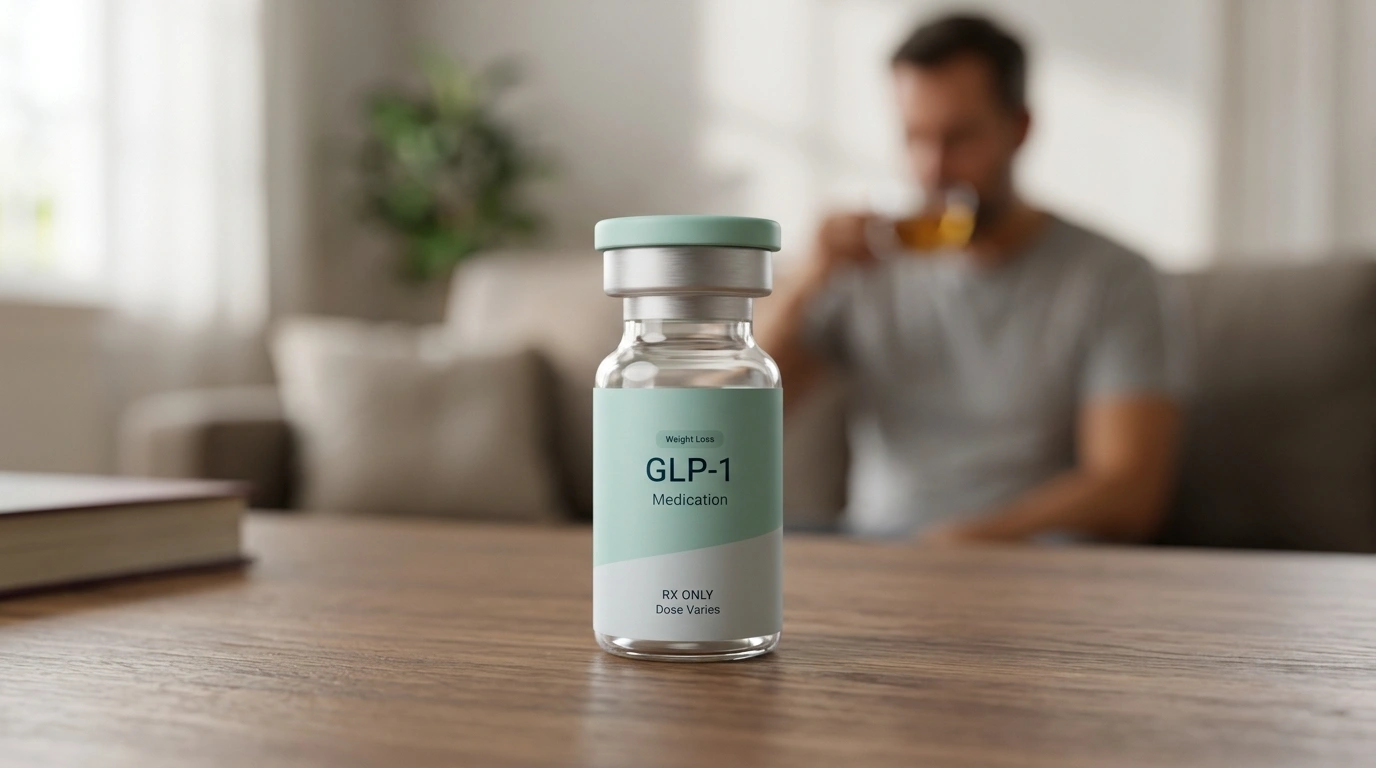
Managing weight and metabolic health often feels like a balancing act, especially when multiple medications are involved. If you have been taking metformin to manage blood sugar or support weight loss, you might be curious about adding a GLP-1 receptor agonist like Ozempic®. A common question for many is whether one medication replaces the other or if they can work in tandem. At TrimRx, we recognize that navigating prescription options can be overwhelming, which is why we focus on personalized care that looks at your unique health profile. If you want to see whether you may qualify for a personalized program, complete the free assessment quiz. This article examines the relationship between these two treatments, how they interact within the body, and the potential benefits of using them together. While every medical journey is different, understanding the clinical synergy between these tools is the first step toward a more effective health strategy.
Quick Answer: In many cases, you do not need to stop taking metformin when starting Ozempic®. Healthcare providers often prescribe them together because they work through different mechanisms to improve insulin sensitivity, lower blood sugar, and support weight management.
How Metformin and Ozempic Work Together
To understand why a provider might keep you on both medications, it helps to look at how they function. Metformin and Ozempic® (semaglutide) belong to different drug classes. They target metabolic health from two different angles.
Metformin is a biguanide. It has been a first-line treatment for type 2 diabetes for decades. It works primarily by reducing the amount of glucose (sugar) your liver produces. It also improves insulin sensitivity, meaning it helps your cells use the insulin your body already makes more effectively.
Ozempic® is a GLP-1 receptor agonist. GLP-1 stands for glucagon-like peptide-1, which is a hormone your body naturally releases after you eat. This medication mimics that hormone to perform three main tasks. It prompts the pancreas to release more insulin when blood sugar is high. It prevents the liver from making too much sugar. Most importantly for weight loss, it slows down gastric emptying (how fast food leaves your stomach). This helps you feel full for longer periods. For a closer look at the hormone behind this class, see our what GLP-1 is breakdown.
The Synergistic Effect
When used together, these two medications create a “dual-action” approach. Metformin works on the liver and the cells’ sensitivity to insulin. Ozempic® works on the pancreas, the brain’s hunger signals, and the digestive speed.
Because they do not compete for the same receptors in the body, they can often be used simultaneously. Clinical studies have shown that adding a GLP-1 medication to a metformin regimen often leads to better blood sugar control than using metformin alone. For many individuals, this combination provides the metabolic “nudge” needed to see significant progress. If you want a more detailed look at how semaglutide changes appetite and digestion, our semaglutide injections guide breaks it down clearly.
Benefits of Combining These Medications
For an individual struggling with weight management or insulin resistance, the combination of metformin and a GLP-1 can offer several distinct advantages. We see these benefits as pillars of a comprehensive metabolic health plan.
Enhanced Blood Sugar Management
The primary goal for many taking these medications is stabilizing blood glucose. Metformin provides a steady foundation by keeping the liver’s glucose production in check. Ozempic® adds a layer of protection by managing the “spikes” that occur after meals. This combination often leads to a more significant reduction in HbA1c levels, which is a three-month average of blood sugar.
Accelerated Weight Loss Results
While metformin is known to support modest weight loss, it is rarely the primary driver for significant changes in body composition. GLP-1 medications like semaglutide are much more potent in this regard. Research suggests that the “food noise” reduction provided by Ozempic®—the constant intrusive thoughts about eating—combined with the metabolic stabilization of metformin, can lead to more sustainable weight loss.
Cardiovascular Protection
Recent clinical data suggests that GLP-1 receptor agonists provide cardiovascular benefits, such as reducing the risk of major heart events in people with type 2 diabetes and established heart disease. When paired with the long-term safety profile of metformin, the combination supports overall longevity and heart health.
Improved Insulin Sensitivity
Weight loss itself improves insulin sensitivity. By using both medications to reach a healthier weight, you are essentially helping your body “relearn” how to manage energy. Over time, this may reduce the total burden on your pancreas.
Key Takeaway: Combining metformin and Ozempic® targets metabolism through multiple pathways—liver glucose production, insulin secretion, and appetite suppression—often leading to better outcomes than either drug used in isolation.
Managing Potential Side Effects
While combining these medications is generally safe, it does increase the likelihood of gastrointestinal (GI) side effects. Both metformin and Ozempic® are known for their effects on the digestive system.
Common side effects shared by both include:
- Nausea
- Diarrhea
- Abdominal cramping
- Bloating or gas
- Indigestion
Why Side Effects Occur
Metformin can irritate the lining of the intestines, especially when first starting the medication. Ozempic® slows down the movement of food through the digestive tract. When you combine these, your stomach and intestines have to work harder to adjust.
Note: If you experience severe abdominal pain, persistent vomiting, or signs of an allergic reaction, contact a healthcare professional immediately.
Strategies for Comfort
If your provider suggests taking both, they may recommend a “staggered” start. This means getting used to one medication before introducing the second. At our platform, we emphasize that “slow and steady” is the best approach to dosing. For more context on gradual titration, our semaglutide dosing guide explains why careful dose changes matter.
- Take Metformin with Food: Taking metformin with a substantial meal can significantly reduce stomach upset.
- Stay Hydrated: Diarrhea and nausea can lead to dehydration. Drinking water with electrolytes can help.
- Eat Smaller Portions: Because Ozempic® slows your digestion, eating a large meal can make you feel uncomfortably full or nauseated.
- Focus on Protein: Prioritizing protein can help maintain muscle mass during weight loss and often sits better on the stomach than greasy or sugary foods.
The Role of Compounded Medications
For many individuals, accessing branded medications like Ozempic® can be difficult due to supply shortages or insurance hurdles. In these cases, healthcare providers may prescribe compounded semaglutide.
Compounded medications are prepared by pharmacists to meet the specific needs of a patient. These are often used when a commercially available drug is in short supply. It is important to understand that compounded semaglutide and compounded tirzepatide are not FDA-approved. However, we ensure that the medications prescribed through our platform are prepared and shipped by FDA-registered, inspected compounding pharmacies. If you want to understand how compounded tirzepatide is discussed in a similar treatment context, our compounded tirzepatide guide may be helpful.
This allows patients to receive high-quality, personalized treatment programs that include the same active ingredients found in branded versions, like Wegovy® or Mounjaro®, but in a format that is often more accessible through telehealth.
Is This Combination Right for Everyone?
While many benefit from taking both metformin and a GLP-1, it is not a universal solution. Eligibility depends on your medical history, your current BMI, and any underlying health conditions.
Who Should Be Cautious?
Certain health factors may make this combination unsuitable. For example:
- Kidney Health: Metformin is cleared through the kidneys. If you have significant kidney impairment, your doctor may need to adjust your dose or stop the medication.
- Thyroid History: Ozempic® and other GLP-1s carry a warning regarding a personal or family history of medullary thyroid carcinoma (MTC) or Multiple Endocrine Neoplasia syndrome type 2 (MEN 2).
- Pancreatitis: Individuals with a history of pancreatitis should discuss the risks with their provider.
The Importance of Personalization
There is no “standard” dose that works for every person. Some might find that they can eventually taper off metformin once they reach a stable dose of semaglutide. Others may find that metformin helps them maintain their weight during a “maintenance” phase after they stop using GLP-1 injections. This is why a personalized program is essential. We believe that your weight loss plan should evolve as your body changes.
| Feature | Metformin | Ozempic® (Semaglutide) |
|---|---|---|
| Drug Class | Biguanide | GLP-1 Receptor Agonist |
| Administration | Daily Oral Tablet | Weekly Injection |
| Primary Action | Lowers liver glucose production | Stimulates insulin & slows digestion |
| Weight Loss Impact | Modest | Significant |
| FDA-Approved For | Type 2 Diabetes | Type 2 Diabetes (Weight loss off-label) |
Starting Your Journey With TrimRx
Starting a weight loss medication can feel like a major life change. We aim to make that transition as smooth as possible. Our process is designed to be telehealth-first, meaning you don’t have to spend time in waiting rooms or pharmacies.
Step 1: Complete the Assessment. Start by taking our free assessment quiz. This helps our partner providers understand your health history and goals. Step 2: Provider Consultation. / A licensed healthcare provider will review your information to determine if a GLP-1 medication, metformin, or a combination of both is appropriate for you. Step 3: Personalized Plan. / If approved, a treatment plan is created specifically for your needs. This includes any necessary prescriptions and guidance on dosing. Step 4: Discrete Delivery. / Your medication is shipped directly to your door from a licensed, FDA-registered pharmacy. Step 5: Ongoing Support. / You have 24/7 access to our team for questions about side effects, dosing, or lifestyle changes.
Beyond the Prescription: Nutrient Support
Medication is a powerful tool, but it is only one part of the puzzle. When you take medications that affect your digestion and appetite, your nutritional needs change. We offer quick-access supplements to support your journey.
Our GLP-1 Daily Support supplement is designed to provide essential nutrients that may be harder to get when your appetite is suppressed.
Our Weight Loss Boost supplement can help support energy levels, which sometimes dip when your body is adjusting to a lower caloric intake.
Common Myths About Metformin and Ozempic®
There is a lot of information—and misinformation—circulating about these treatments. Let’s clarify some common points.
Myth: You must stop metformin the day you start your first GLP-1 injection. Fact: Most providers suggest continuing metformin to maintain stable blood sugar while you slowly titrate (increase) your GLP-1 dose.
Myth: Taking both will cause dangerously low blood sugar. Fact: While both lower blood sugar, neither metformin nor Ozempic® typically cause hypoglycemia (low blood sugar) on their own. However, the risk increases if you also take insulin or sulfonylureas.
Myth: If I start Ozempic®, I’ll never be able to stop it or metformin. Fact: Many people use these medications as “training wheels” to reach a healthy weight and then work with their doctor to see if they can maintain their health through lifestyle alone.
What to Expect During the First Month
If your provider decides you should take both medications, the first month is all about adaptation. You will likely start Ozempic® at a very low dose, such as 0.25 mg once a week. This low dose is not intended for weight loss; it is intended to let your body get used to the hormone.
During this time, you may continue your regular dose of metformin. You might notice that your appetite starts to decrease slightly, or you might feel “full” much faster than usual. It is important to listen to these cues. Forcing yourself to finish a plate when your body says it’s full is a quick way to trigger nausea when on this combination.
Bottom line: The first month is about patience. Your weight loss may be slow initially, but this allows your digestive system to adjust to the combination of liver glucose suppression and slowed gastric emptying.
Long-Term Outlook
Taking metformin and Ozempic® together is often a medium-to-long-term strategy. Obesity and insulin resistance are chronic conditions, much like high blood pressure or asthma. They require consistent management.
As you lose weight, your health profile will change. Your blood pressure may drop, your cholesterol may improve, and your body’s natural ability to manage sugar will likely increase. At this point, your provider might suggest reducing your metformin dose. Some people find that once they reach their goal weight, they can successfully manage their health with a low maintenance dose of a GLP-1 or even metformin alone. If you are comparing combination therapy options more broadly, our Ozempic and Metformin treatment guide offers another helpful perspective.
We are committed to helping you navigate these transitions. Our mission is to provide more than just a prescription; we provide a pathway to a healthier lifestyle through science, empathy, and transparent care.
Final Thoughts on Safety and Success
The decision to take metformin and Ozempic® together should always be made in consultation with a licensed professional. While the combination is a clinical powerhouse for many, it requires careful monitoring.
Success on this program isn’t just about the number on the scale. It’s about how you feel, your energy levels, and your long-term metabolic markers. By combining the foundational support of metformin with the advanced appetite control of GLP-1 medications, you are giving yourself a comprehensive set of tools to reclaim your health. If you’re ready to see whether this approach fits your goals, take the free assessment quiz to get started.
FAQ
Is it safe to take metformin and Ozempic® at the same time?
Yes, it is generally considered safe and is a common clinical practice for managing type 2 diabetes and obesity. The two medications work through different pathways in the body, which can lead to better results than using either one alone. However, you should only do this under the direct supervision of a healthcare provider who can monitor for side effects. For a deeper look at the combination, see our Ozempic and Metformin treatment guide.
Will taking both medications cause more side effects?
Because both medications affect the gastrointestinal system, there is an increased chance of experiencing nausea, bloating, or diarrhea. Most people find that these symptoms are manageable and tend to fade as the body adjusts to the dosages. Starting one medication at a time or slowly increasing the dose of the GLP-1 can help minimize these issues. If you want to better understand dose changes over time, our semaglutide dosing guide may help.
Can I stop metformin if Ozempic® is working well for me?
You should never stop or change the dose of your medications without consulting your healthcare provider first. While some people are eventually able to reduce or stop metformin after achieving significant weight loss on Ozempic®, others benefit from the continued insulin-sensitizing effects of metformin. Your provider will determine the best timing based on your lab results and progress. If you’re comparing the two medications more directly, our metformin versus Ozempic article offers a useful side-by-side look.
Do I need to take metformin with food if I am also on Ozempic®?
Yes, it is highly recommended to continue taking metformin with a meal to protect your stomach lining and reduce nausea. Since Ozempic® slows down your digestion, you may find that smaller, nutrient-dense meals are easier to tolerate while taking both. Staying hydrated is also crucial when taking this combination of medications.
Disclaimer: This content is for informational purposes only and does not constitute medical advice. It is not intended to diagnose, treat, cure, or prevent any disease or condition. Individual results may vary. Always consult a qualified healthcare professional before starting any weight loss program or medication.

Transforming Lives, One Step at a Time
Keep reading

Lunar New Year on Ozempic: Reunion Dinner and Family Visits
For many families, Lunar New Year is the biggest celebration of the year. It begins with a reunion dinner on New Year’s Eve, often…

Passover on Ozempic: The Seder, Matzah and Constipation
Passover brings two challenges for people on Ozempic or another GLP-1. The first is the seder: a long evening meal, often starting late, with…
Getting a Tattoo on Ozempic
Tattoo artists know the signs well: a client who came in without eating, sits for a few hours, goes pale, and starts to feel…


