Does Changing Injection Sites Affect Tirzepatide?
Introduction
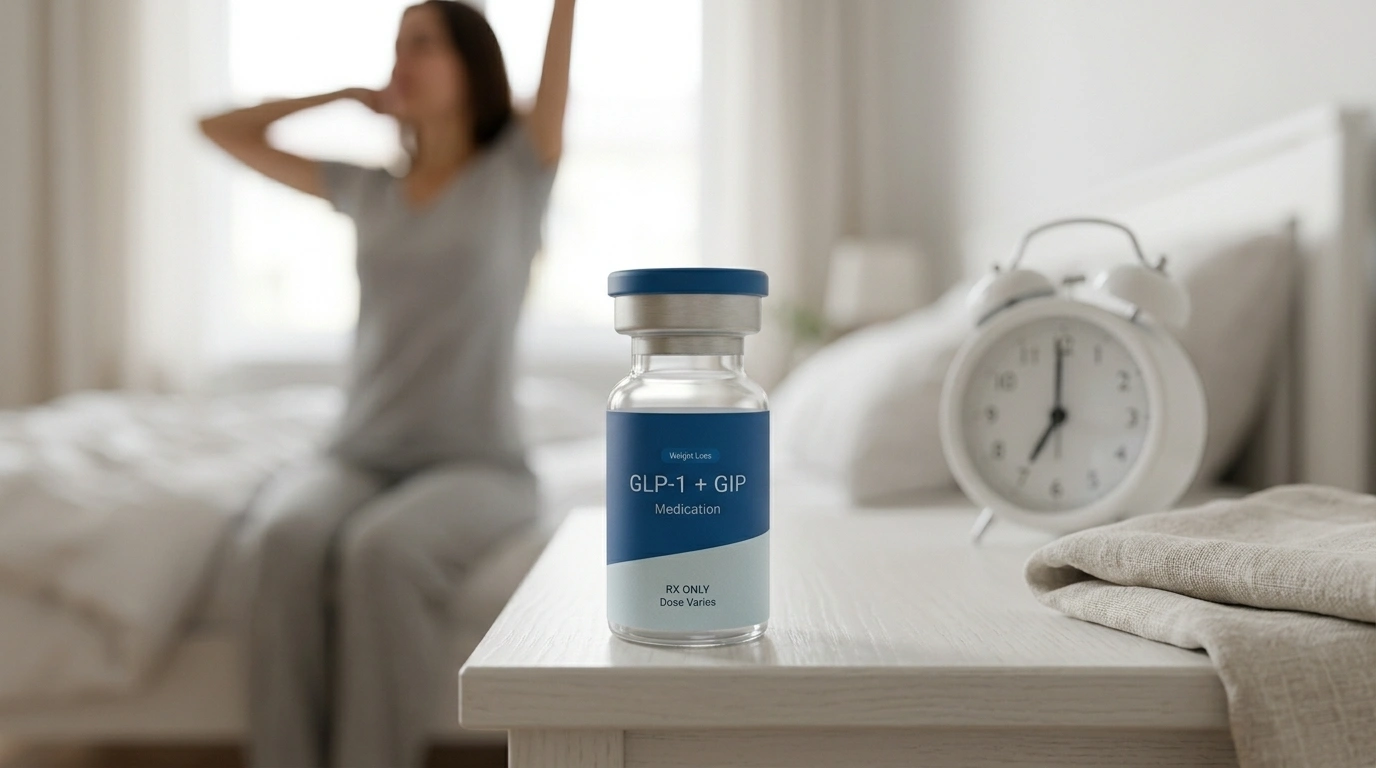
Many individuals beginning their journey with Tirzepatide find themselves standing in front of the mirror, pen or syringe in hand, wondering if the location of their weekly injection actually matters. You might have heard whispers in support groups that an arm injection “breaks a plateau” or that the thigh is “easier on the stomach.” It is a common point of confusion for those navigating the complexities of metabolic health. At TrimRx, we believe that understanding the nuances of your treatment is essential for a successful, sustainable experience. This post explores whether changing injection sites affects how Tirzepatide works, how it influences side effects, and why rotating your sites is a critical part of your routine. While the medication remains highly effective regardless of the site, where you choose to inject can play a significant role in your comfort and daily well-being.
If you are considering whether a personalized prescription program may be appropriate for you, you can take the free assessment quiz.
How Tirzepatide Interacts With Your Body
Tirzepatide is a dual-acting medication known as a GIP (glucose-dependent insulinotropic polypeptide) and GLP-1 (glucagon-like peptide-1) receptor agonist. In plain English, this means it mimics two different hormones naturally produced by your body. These hormones work together to regulate blood sugar, slow down how quickly your stomach empties, and signal to your brain that you are full. Unlike older medications that only targeted one pathway, this dual-action approach offers a more robust way to support weight management.
When you inject this medication, it enters the subcutaneous fat—the layer of fat just beneath your skin. From there, it is slowly absorbed into your bloodstream. Because it is designed for once-weekly administration, the rate at which it is absorbed is incredibly important. The tissue type, blood flow, and even the temperature of the injection site can theoretically influence how quickly the medication reaches its peak concentration in your system.
For a broader overview of approved locations and proper placement, review this guide to GLP-1 injection sites.
Quick Answer: Yes, changing injection sites can affect your experience with Tirzepatide. While weight loss efficacy remains consistent across different sites, research suggests that injecting in the thigh or back of the arm may reduce the intensity of gastrointestinal side effects compared to abdominal injections.
The Three Primary Injection Sites
There are three main areas approved for the administration of Tirzepatide. Each has its own characteristics regarding fat depth and ease of access.
The Abdomen
The abdomen is the most common site for most patients. It generally offers a wide surface area and a consistent layer of subcutaneous fat. To inject here, you stay at least two inches away from the belly button. Most clinical trials utilize the abdomen as a primary site because it is easy for patients to reach and provides reliable absorption.
The Thigh
The front or side of the thigh is another frequent choice. This area often has slightly less blood flow than the abdomen, which may slow the initial “burst” of medication absorption. For many, this is the easiest site to visualize and control during the injection process.
The Back of the Upper Arm
The upper arm can be a bit trickier for those self-administering, as it requires reaching around to the fleshy back part of the arm. Some people prefer this site if they feel they have hit a weight loss stall or if they find the other two sites uncomfortable. If you choose the arm, ensure you are hitting the fatty tissue and not the muscle.
For a detailed comparison of these locations, read where to inject Tirzepatide for best results.
Does Changing Injection Sites Affect Efficacy?
The most pressing question for most people is whether one site leads to more weight loss than another. Clinical data, including findings from the SURMOUNT clinical trials associated with branded Tirzepatide medications like Mounjaro® and Zepbound®, generally show that the medication is highly effective regardless of where it is injected.
Bioavailability and Site Selection Bioavailability refers to the amount of a drug that enters your circulation and is able to have an active effect. Studies measuring the concentration of Tirzepatide in the blood have found that the total amount of medication absorbed (the area under the curve) is essentially the same whether you use the abdomen, thigh, or arm.
However, there is a slight nuance in the “peak” concentration. Some studies suggest the abdomen might lead to a slightly faster peak than the thigh. While this does not necessarily mean you will lose more weight by using your stomach, it might influence how you feel in the first 24 to 48 hours after your dose.
Key Takeaway: Total weight loss outcomes are generally consistent regardless of injection site. You should choose the site that feels most comfortable and helps you remain consistent with your weekly routine.
Managing Side Effects Through Site Selection
While efficacy remains stable, the side effect profile is where the choice of injection site truly shines. Many people using Tirzepatide experience gastrointestinal (GI) side effects, such as nausea, bloating, or diarrhea. These occur because the medication slows gastric emptying and interacts with receptors in the gut.
For additional guidance, explore this overview of Tirzepatide side effects and management strategies.
The Thigh Advantage Anecdotal evidence from thousands of patients, supported by some clinical observations, suggests that injecting in the thigh may lead to fewer or less intense GI side effects. Because the absorption in the thigh may be slightly slower or more gradual, the body has more time to adjust to the medication’s presence each week.
The Abdomen and Nausea The abdomen is highly vascular and close to the digestive organs. Some individuals report that abdominal injections correlate with a higher “peak” of nausea on day one or two. If you are struggling with significant nausea, your healthcare provider might suggest switching to the thigh or arm to see if the symptoms subside.
Comparing Injection Sites
| Feature | Abdomen | Thigh | Upper Arm |
|---|---|---|---|
| Ease of Access | Very High | High | Moderate (May need help) |
| Absorption Speed | Generally Fastest | Generally Slower | Moderate |
| Nausea Risk | Potential for higher intensity | Often reported as lower | Moderate |
| Surface Area | Large | Moderate | Small |
The Importance of Injection Site Rotation
Regardless of which site you prefer, you must rotate your injection locations every single week. This is not just a suggestion; it is a clinical necessity for skin health.
For a structured approach, see how to rotate injection sites for semaglutide and Tirzepatide.
Preventing Lipohypertrophy If you inject into the exact same square inch of skin every week, you risk developing a condition called lipohypertrophy. This is a buildup of fatty tissue or “lumps” under the skin. These lumps can become firm and may eventually scar. More importantly, injecting into a site with lipohypertrophy can make the medication’s absorption unpredictable. The medication may get trapped in the fatty mass or absorb much slower than intended, leading to fluctuating blood sugar levels or reduced efficacy.
The “Clock” Method of Rotation A simple way to ensure you are rotating properly is to imagine a clock on your abdomen or to alternate limbs each week. For example:
- Week 1: Right side of the abdomen.
- Week 2: Left side of the abdomen.
- Week 3: Right thigh.
- Week 4: Left thigh.
Even if you prefer the abdomen, you should stay at least one inch away from your previous injection spot. Keeping a simple log in a journal or on your phone can help you remember where you went last week.
Addressing the “Stall” Myth
Myth: Changing your injection site to the arm will automatically break a weight loss plateau. Fact: There is no clinical evidence that “shocking” the body with a new injection site restarts weight loss. Plateaus are a normal part of the metabolic process. If you experience a stall, it is more likely due to metabolic adaptation, changes in activity levels, or the need for a dosage adjustment, rather than the location of the needle.
While changing the site won’t magically burn more fat, it can sometimes change your “perception” of the medication’s strength if the side effects shift. If you feel better because your nausea has decreased, you may be more likely to move your body and stick to your nutritional goals, which indirectly helps with the plateau.
How to Perform a Proper Injection
To ensure the medication is delivered effectively and safely, following a standard procedure is vital. Whether you are using a branded medication or a compounded version from an FDA-registered, inspected compounding pharmacy, the steps remain similar.
For more technique guidance, review this step-by-step Tirzepatide injection guide.
Step 1: Prepare your supplies. Gather your medication, an alcohol swab, and a sharps container. Ensure the medication is clear and colorless (or as described by your provider).
Step 2: Clean the site. Use the alcohol swab to clean a circle of skin about two inches wide at your chosen site. Let it air dry completely; injecting through wet alcohol can cause an unnecessary sting.
Step 3: Administer the dose. For most subcutaneous injections, you may gently pinch a fold of skin, though this is not always necessary depending on the device. Insert the needle at a 90-degree angle. If you are using a pre-filled pen, follow the manufacturer’s specific instructions for clicking and holding.
Step 4: Dispose and Document. Place the needle or pen in a puncture-proof sharps container. Note the date, dose, and injection site in your health tracker.
When to Consult Your Healthcare Provider
While choosing an injection site is often a matter of personal preference, there are times when you should seek professional guidance. Our platform, TrimRx, connects you with licensed providers who can help navigate these specific concerns.
You should reach out to your provider if:
- You notice persistent redness, warmth, or swelling at an injection site that doesn’t go away after a day.
- You feel firm lumps under the skin where you have been injecting.
- Your side effects are so severe that you are considering skipping doses.
- You are unsure if you are reaching the subcutaneous fat layer properly.
A personalized program is about more than just getting a prescription; it is about having a dedicated team to help you optimize every aspect of your treatment, including the “small” details like injection technique.
Optimizing Your Treatment Beyond the Needle
Where you inject is one piece of the puzzle, but total metabolic health requires a holistic approach. To get the most out of your Tirzepatide treatment, we recommend focusing on several key pillars:
Hydration and Electrolytes Because GLP-1 and GIP medications can reduce your thirst signal, many people become dehydrated without realizing it. This can worsen headaches and fatigue. Using a supplement like GLP-1 Daily Support can help provide the essential nutrients that your body might lack when your appetite is significantly reduced.
Protein Intake As you lose weight, your body may try to burn muscle for fuel. Prioritizing protein at every meal helps preserve lean muscle mass, which is essential for keeping your metabolism high.
Consistent Movement Weight loss is most sustainable when paired with regular physical activity. Even if it is just a 20-minute walk after dinner, movement helps improve insulin sensitivity and works in tandem with the medication.
Bottom line: While the injection site doesn’t change the fundamental chemistry of how Tirzepatide works, it can drastically change how you feel. Rotating sites protects your skin, while moving to the thigh or arm may help you manage bothersome side effects.
The TrimRx Approach to Sustainable Weight Loss
At TrimRx, we understand that the journey to better health is deeply personal. We don’t just provide access to medication; we provide a bridge between clinical science and your daily life. Our mission is to ensure that every individual feels supported through a transparent, telehealth-first model that removes the traditional barriers to care. By combining medications shipped from FDA-registered compounding pharmacies with 24/7 specialist access, we help you focus on the progress that matters.
Whether you are just starting out or looking to refine your current routine, our personalized programs are designed to adapt to your needs. Weight loss is not a one-size-fits-all experience, and neither is the way you manage your medication. We are here to guide you through every choice, from dosage adjustments to the best way to rotate your injection sites.
If you are ready to explore whether a prescription program may fit your goals, complete a free eligibility assessment.
FAQ
Does the stomach injection site make you lose weight faster?
There is no clinical evidence that injecting in the abdomen leads to faster or more significant weight loss than the thigh or arm. While the abdomen may have slightly faster absorption, the overall efficacy of Tirzepatide is consistent across all approved injection sites over the long term.
Should I change my injection site if I am not losing weight?
While some people find that changing sites helps them feel the medication’s effects differently, it is not a proven way to restart weight loss. If your weight loss has stalled for several weeks, it is better to consult with a healthcare provider to discuss your dosage, nutrition, and activity levels.
Can I inject Tirzepatide into my muscle?
No, Tirzepatide is designed to be injected into the subcutaneous fat layer, not the muscle. Muscle injections can cause the medication to absorb too quickly, which may increase side effects and decrease the duration of the drug’s effectiveness.
Is it normal to have a small bruise or red mark at the injection site?
Minor bruising, redness, or a small amount of “leaking” at the site is common and usually not a cause for concern. However, if the site becomes very painful, hot to the touch, or if you develop a rash, you should contact your healthcare provider immediately to rule out an allergic reaction or infection.
If you are unsure whether a personalized program is right for you, find out if GLP-1 medications may be appropriate for you.
Disclaimer: This content is for informational purposes only and does not constitute medical advice. It is not intended to diagnose, treat, cure, or prevent any disease or condition. Individual results may vary. Always consult a qualified healthcare professional before starting any weight loss program or medication.

Transforming Lives, One Step at a Time
Keep reading

Should You Taper Off Tirzepatide or Just Stop? What the Evidence Says
There is very little direct evidence either way, and anyone who tells you otherwise is filling a gap with confidence. The withdrawal trials that…
Stalled on Tirzepatide Even After a Dose Increase: Your Options
The first thing to check is how long it has been since the increase, because most people ask this question too early. A dose…

Why Did Tirzepatide Stop Working After Three Months of Fast Loss?
Five things explain almost all of it, and the first is the least satisfying: the fast stretch was never going to last. Weight loss…


