Does Compounded Semaglutide Really Expire After 28 Days?
Introduction
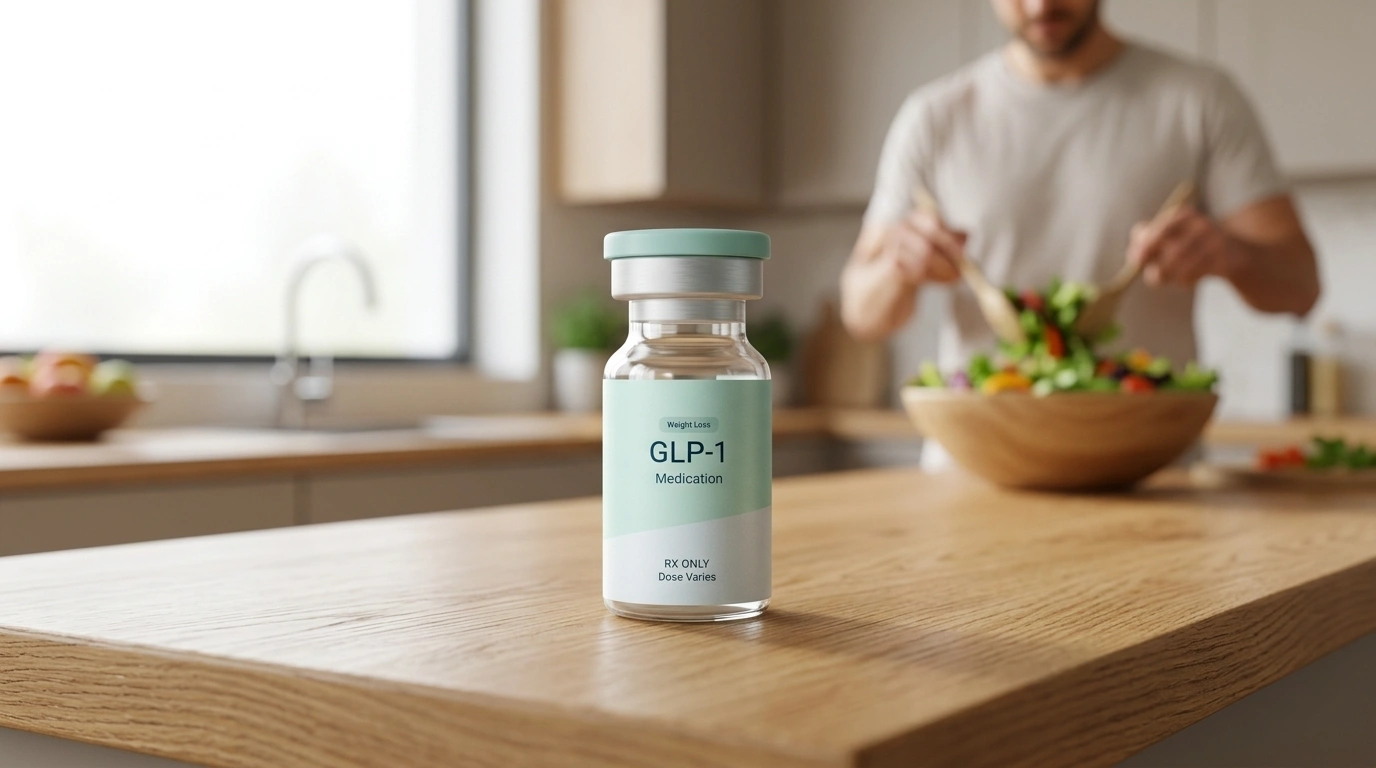
Finding a half-full vial of medication in your refrigerator can be a source of immediate frustration, especially when you are committed to a consistent weight loss journey. You might notice a date on the label and wonder if the liquid inside is still safe to use or if you are essentially throwing money away. The question of whether compounded semaglutide really expires after 28 days is one of the most common concerns for those using telehealth platforms. At TrimRx, we believe that understanding the science behind your treatment is the first step toward achieving sustainable results, and taking the free assessment quiz can help you determine your next step. This article will clarify the difference between expiration dates and beyond-use dates, explain why protein-based medications like semaglutide require strict handling, and help you determine exactly how long your specific supply remains effective. Managing your metabolic health requires precision, and knowing the lifespan of your medication is a vital part of that process.
The Difference Between Expiration and Beyond-Use Dates
When you look at a bottle of over-the-counter ibuprofen, you see an expiration date. This date is determined by the manufacturer through stability testing to confirm that the drug maintains its potency and safety until that day. However, compounded medications operate under a different set of rules known as the Beyond-Use Date, or BUD.
A Beyond-Use Date is the date after which a compounded preparation must not be used. While a manufacturer’s expiration date might span years, a BUD is typically much shorter. This is because compounded medications are prepared for a specific patient and do not undergo the same multi-year shelf-life testing as mass-produced drugs.
The BUD is determined by the compounding pharmacy based on several factors:
- The nature of the medication and its stability.
- The presence of preservatives that inhibit bacterial growth.
- The type of container or vial used for the medication.
- The likelihood of contamination during repeated use.
Quick Answer: Compounded semaglutide often has a Beyond-Use Date (BUD) of 28 to 90 days depending on the pharmacy’s specific formulation and testing. The “28-day rule” specifically refers to the safety window for multi-dose vials after they have been punctured for the first time.
Why the 28-Day Rule Exists
The reason many people believe compounded semaglutide expires after exactly 28 days is rooted in professional pharmaceutical standards. One of the most critical guidelines addresses the risk of microbial contamination in multi-dose vials.
When you insert a needle into the rubber stopper of a vial, you create a tiny opening. Even with proper alcohol swabbing, there is a small risk that bacteria or fungi could enter the vial.
Most multi-dose vials containing preservatives are rated for a 28-day window of use once they have been punctured or opened. This is the period during which the preservatives are expected to keep the solution sterile despite multiple entries with a needle. After 28 days, the risk of bacterial growth increases, even if the medication itself is still chemically stable.
For a broader overview of how semaglutide access works, How Can I Get Semaglutide for Weight Loss? is a helpful companion read.
The Science of Semaglutide Stability
Semaglutide belongs to a class of medications called GLP-1 receptor agonists. In plain English, these are peptides, which are short chains of amino acids. You can think of peptides as small proteins.
Proteins are very sensitive to their environment. They can unravel or break down if they are exposed to certain conditions. This process is called denaturation. If the semaglutide molecules in your vial break down, they lose their ability to bind to the receptors in your body that regulate appetite and blood sugar.
Several factors can accelerate the breakdown of semaglutide:
- Heat: High temperatures cause the molecules to move faster and eventually lose their shape.
- Light: UV exposure can break the chemical bonds holding the peptide together.
- Agitation: Excessive shaking of the vial can physically damage the protein structure.
- Time: Even in ideal conditions, proteins naturally degrade over time in a liquid solution.
For readers who want more context on GLP-1-based treatment, What is GLP-1 Therapy and How Can It Transform Your Weight Loss Journey? explains the broader treatment landscape.
Key Takeaway: Using semaglutide past its beyond-use date isn’t just about safety; it is about potency. If the protein has degraded, your dose may not be strong enough to support your weight loss goals, leading to a stall in your progress.
Comparing Compounded and Branded Lifespans
It can be confusing to see different timelines for different products. For instance, branded medications may have storage instructions that differ from compounded versions.
The difference lies in the formulation. Branded manufacturers have performed stability studies to support their specific preservative mix and handling instructions.
Compounded pharmacies, while operating under high standards, often default to the more conservative recommendation unless they have performed their own specific stability testing for a longer duration. Some pharmacies may provide a BUD of 60 or 90 days for unopened vials, but the 28-day rule often still applies once the vial has been punctured.
If you are comparing access options, How to Get Prescribed Semaglutide for Weight Loss can help you understand the next step in the process.
| Aspect | Compounded Semaglutide | Branded Medication |
|---|---|---|
| Regulation | Compounding Guidelines | Standardized Labeling |
| Typical Window (After Puncture) | 28 Days | Product-Specific |
| Storage Requirement | Strict Refrigeration | Product-Specific |
| Formulation | Personalized/Customized | Standardized |
Risks of Using Expired or Degraded Medication
If you decide to use compounded semaglutide after it has expired or passed its BUD, you face two primary risks.
Reduced Effectiveness
The most common outcome is that the medication simply stops working. Because semaglutide supports weight loss by mimicking a natural hormone, its structure must be intact to fit into your body’s receptors. If the molecules have unravelled, they will not fit. You may find that your food noise returns, your appetite increases, and your weight loss plateaus. This is often because you are essentially injecting a sub-therapeutic dose.
Risk of Infection
As mentioned, the 28-day rule is largely about sterility. Injecting a solution that has developed bacterial or fungal growth can lead to:
- Redness, swelling, or pain at the injection site.
- Abscesses or localized infections.
- In rare cases, systemic infections that require medical attention.
Note: If you notice the liquid in your vial has become cloudy, discolored, or contains visible particles, do not use it. These are clear signs of degradation or contamination, regardless of what the date on the label says.
How to Properly Store Compounded Semaglutide
To ensure your medication remains effective for the full duration of its beyond-use date, you must follow strict storage protocols. Proper handling protects the delicate peptide structure and keeps the solution sterile.
Temperature Control
Compounded semaglutide must be kept in the refrigerator. The ideal temperature range is between 36°F and 46°F (2°C to 8°C).
- Do not freeze it. If semaglutide freezes, the protein structure is permanently destroyed. Even if it thaws, the medication is no longer effective and should be discarded.
- Avoid the door. Do not store your vial in the refrigerator door. The temperature in the door fluctuates every time you open the fridge, which can stress the medication. Store it in the main body of the refrigerator, ideally toward the back.
Light Protection
Most compounding pharmacies provide semaglutide in amber-colored vials to filter out harmful light. However, you should still keep the vial in its original box or a dark container inside the fridge to provide an extra layer of protection against light exposure.
Handling Tips
- Always wash your hands before handling the vial.
- Clean the rubber stopper with a fresh alcohol swab before every single puncture.
- Never double-dip a needle into the vial.
- Do not shake the vial; if you need to ensure the solution is mixed, gently roll it between your palms.
The TrimRx Approach to Medication Freshness
We understand that navigating the technicalities of compounding can feel overwhelming. That is why our platform is designed to take the guesswork out of your treatment. When you participate in one of our programs, you are not just getting a prescription; you are getting a managed system of care.
Our process ensures that you receive your medication in a timely manner:
- Free Assessment: You begin by completing a health quiz to help us understand your history and goals.
- Provider Consultation: A licensed healthcare provider reviews your profile to determine if a GLP-1 medication is appropriate for you.
- Pharmacy Fulfillment: If prescribed, your medication is prepared by a qualified compounding pharmacy.
- Regular Shipments: We coordinate your refills so that you always have a fresh supply of medication. This eliminates the need to stretch a vial past its safe use date.
If you are thinking about treatment eligibility, take the free assessment quiz to see whether a personalized program is a fit for you.
Signs Your Semaglutide Has Gone Bad
Even if you are within the 28-day or BUD window, environmental factors can sometimes cause medication to spoil early. You should perform a visual inspection before every injection.
Myth: “If the medication is clear, it must be safe.” Fact: While cloudiness is a sign of spoilage, a clear solution can still be ineffective if the proteins have denatured due to heat. Clear liquid does not guarantee potency, but cloudy liquid almost always guarantees spoilage.
Check for the following:
- Cloudiness: The solution should be as clear as water. Any milkiness or haze is a red flag.
- Particulates: You should not see any tiny specks, clumps, or strings floating in the liquid.
- Color Change: Most semaglutide is colorless. If the liquid takes on a yellowish or brownish tint, it has likely oxidized or degraded.
- Unexpected Return of Hunger: If you have been doing well and suddenly feel like the medication has stopped working mid-vial, the potency may have dropped.
What to Do If You Use Expired Medication
If you realize after the fact that you have injected a dose of compounded semaglutide past its 28-day puncture window or its BUD, don’t panic. For most people, the most likely result is that the dose will simply be less effective.
However, you should take the following steps:
- Monitor the Injection Site: Look for signs of infection like spreading redness, warmth, or pus.
- Track Your Symptoms: Watch for any unusual side effects or a significant spike in blood sugar if you are monitoring it.
- Contact Your Provider: Reach out to the clinical team through our platform to let them know. They can provide guidance on when to start your next fresh vial and how to get back on track.
- Dispose of the Old Vial: Do not use the remaining medication just in case. Discard it properly and start a new supply.
Supporting Your Journey Beyond the Vial
While the medication is a powerful tool for weight management, it works best when supported by a healthy internal environment. Many people find that focusing on nutrient density and hydration helps manage the transition between doses and supports the body’s natural metabolic processes.
If you are looking for ways to optimize your experience, we offer targeted options like our GLP-1 Daily Support supplement or Weight Loss Boost supplement. These are designed to complement the work of GLP-1 medications by providing the essential nutrients your body needs when caloric intake decreases. These supplements can be a great addition to your routine to ensure you are feeling your best while your body adapts to the medication.
Safe Disposal of Medication and Supplies
When your 28 days are up or you have reached the end of your vial, proper disposal is essential for both safety and environmental protection.
Sharps Disposal
The needles used for injections must never be thrown directly into the regular trash. You should use a sharps container. If you do not have a professional red plastic sharps box, you can use a heavy-duty plastic container with a tight-fitting lid, such as an empty laundry detergent bottle. Label it clearly as sharps.
Medication Disposal
Do not flush semaglutide down the toilet unless the specific pharmacy instructions tell you to do so. Most communities have take-back programs at local pharmacies or police stations. If those aren’t available, you can mix the remaining liquid with an undesirable substance like kitty litter or used coffee grounds, place it in a sealed bag, and throw it in the household trash.
Conclusion
Understanding the 28-day rule for compounded semaglutide is about more than just following labels; it is about protecting the progress you have worked so hard to achieve. Whether it is the 28-day window after a puncture or a 90-day beyond-use date for an unopened vial, these timelines are there to ensure your treatment remains sterile and biologically active. At TrimRx, our mission is to empower you with science-backed information and a personalized program that makes weight loss feel sustainable and safe.
- Always check your specific vial’s BUD before use.
- Keep your medication refrigerated between 36°F and 46°F.
- Discard any vial that appears cloudy or has passed its 28-day puncture window.
- Reach out to our team if you have concerns about your medication’s viability.
If you are ready to see whether treatment is right for you, complete the free assessment quiz and get started with a personalized next step.
Your journey to better health is a marathon, not a sprint. By respecting the shelf life of your medication, you ensure that every dose you take is working at its full potential to help you reach your goals.
FAQ
Can I still use my compounded semaglutide if it was left out overnight?
Most formulations remain stable for a short period at room temperature, but this depends entirely on the pharmacy’s specific ingredients. You should contact your healthcare provider or the pharmacy immediately to ask if your specific batch is still safe to use; do not assume it is okay if it was exposed to heat or direct light.
Why does my vial say it expires in 90 days if people say it’s only good for 28?
The 90-day date is typically the unopened Beyond-Use Date (BUD), meaning the medication is stable until then if the seal hasn’t been broken. The 28-day rule usually starts the moment you first insert a needle into the vial, as this introduces the risk of microbial contamination.
Does semaglutide become toxic after the expiration date?
There is currently no evidence that semaglutide becomes toxic or poisonous after it expires. The primary risks are that the medication will lose its potency and fail to work, or that the sterile environment inside the vial has been compromised, leading to a risk of infection.
How do I know if the compounding pharmacy I’m using is reliable?
A reputable platform will only connect you with pharmacies that meet strict quality control standards for sterile compounding, which helps ensure the medication you receive is prepared safely and accurately. If you want help understanding whether you are a candidate for a personalized GLP-1 program, the free assessment quiz is a simple place to begin.
What if I want support with nutrition while I’m on treatment?
If you are focusing on appetite changes, hydration, or nutrient intake, the GLP-1 Daily Support supplement is designed to fit that part of the journey.
Disclaimer: This content is for informational purposes only and does not constitute medical advice. It is not intended to diagnose, treat, cure, or prevent any disease or condition. Individual results may vary. Always consult a qualified healthcare professional before starting any weight loss program or medication.

Transforming Lives, One Step at a Time
Keep reading
Semaglutide vs Tirzepatide: Comparing Weight Loss, Blood Sugar, and Side Effects
Semaglutide and Tirzepatide are one of the most common comparisons in medical weight loss. The two medications share a clear family resemblance. Both are…

How Much Weight Can You Lose on Semaglutide?
How much weight can you lose on semaglutide? The answer varies depending on your starting weight, dosage, treatment duration, and individual response to the…

Hair Shedding Months Into Semaglutide
It shows up in the shower drain first, then on the pillow, then in the brush. By the time most people search this, they…


