Does Mounjaro Help With Bloating? Understanding the Facts
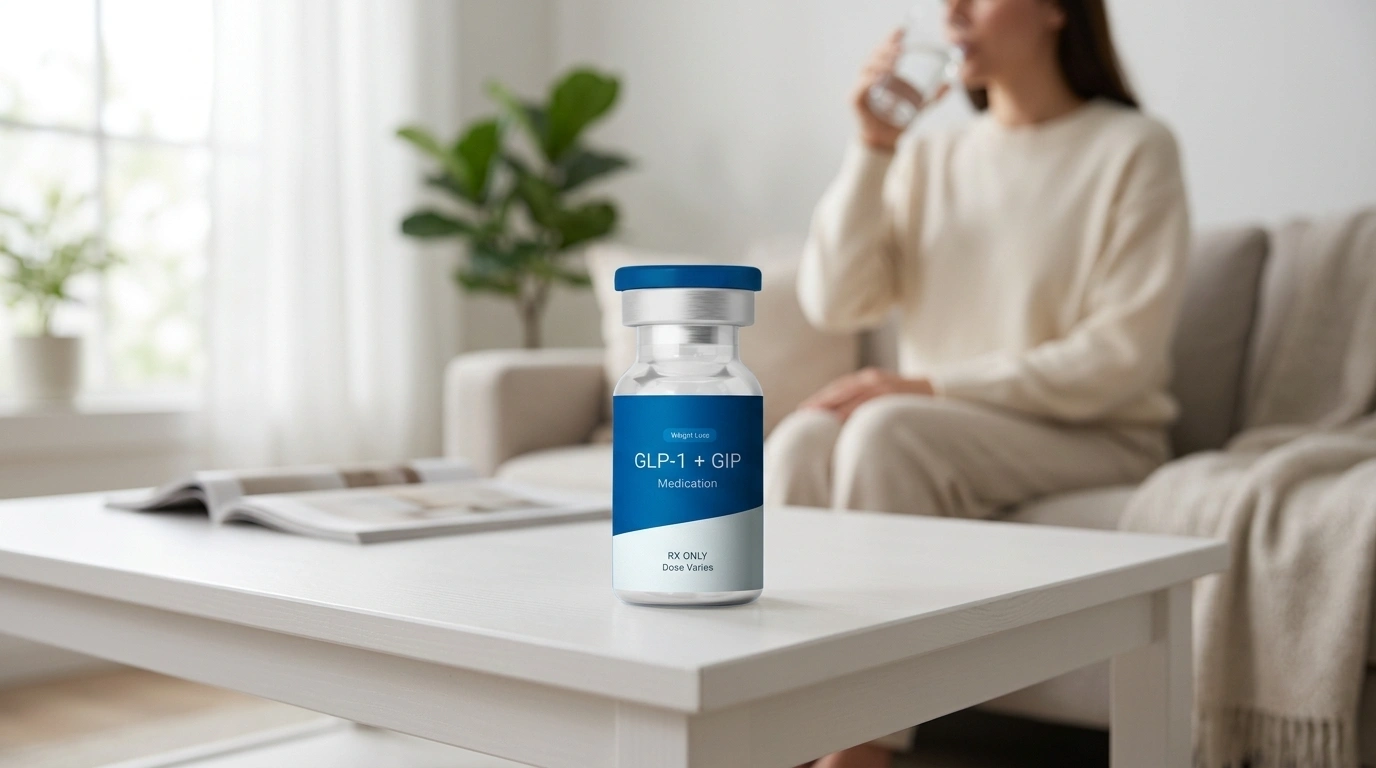
Table of Contents
- Introduction
- Understanding Mounjaro and the Digestive System
- Does Mounjaro Actually Help With Bloating?
- Why Bloating Happens on This Medication
- Effective Strategies to Manage Bloating
- The Role of Personalization at TrimRx
- Dietary Adjustments for Relief
- Comparing Tirzepatide and Semaglutide Side Effects
- When Bloating Becomes a Medical Concern
- Supporting Your Gut Health During Treatment
- Starting Your Journey with TrimRx
- Conclusion
- FAQ
Introduction
Standing in front of the mirror, you might notice that while the scale is moving in the right direction, your midsection feels uncomfortably tight and full. This sensation of abdominal pressure, often called bloating, is a common concern for those navigating a medical weight loss journey. Many individuals starting Mounjaro® (tirzepatide) hope that the medication will provide immediate relief for all digestive issues, including the puffiness that often accompanies weight gain. At TrimRx, we believe that understanding how your body interacts with these advanced medications is the first step toward a more comfortable and successful experience. If you are wondering whether prescription treatment is the right next step, you can take the free assessment quiz to begin. This article explores whether these treatments help with bloating, why the opposite often occurs in the early stages, and how a personalized approach can help you manage these changes effectively. While Mounjaro® is a powerful tool for metabolic health, its relationship with your digestive system is complex and requires a careful, science-backed strategy.
Understanding Mounjaro and the Digestive System
To understand how this medication affects bloating, we must first look at what it actually does inside the body. Mounjaro® is a dual-acting medication that mimics two naturally occurring hormones: glucagon-like peptide-1 (GLP-1) and glucose-dependent insulinotropic polypeptide (GIP). These hormones are “receptor agonists,” which means they bind to specific sites in your body to trigger helpful biological responses. For a deeper look at how this class of medication affects digestion, see our guide on how tirzepatide can cause bloating.
The primary way these hormones support weight loss is by signaling the brain to feel full and satisfied. However, they also have a direct physical effect on the gastrointestinal tract. Specifically, they slow down “gastric emptying,” which is the medical term for how quickly food moves from your stomach into your small intestine. By keeping food in the stomach for a longer duration, the medication helps you feel full on much smaller portions.
While this delay is exactly what makes the medication effective for weight loss, it is also the primary reason why some people experience a temporary increase in bloating. Because the stomach is processing food more slowly, there is more opportunity for gas to build up or for that “heavy” feeling to persist after meals.
Does Mounjaro Actually Help With Bloating?
Quick Answer: Mounjaro® typically does not provide immediate relief for bloating; in fact, it is a very common side effect during the initial stages of treatment. However, long-term weight loss and improved metabolic health can eventually lead to a reduction in chronic, weight-related inflammation and bloating.
The reality for most patients is that bloating is a side effect to be managed rather than a symptom the medication cures directly. During the first few weeks of treatment, or when a healthcare provider increases the dosage, the digestive system must adapt to the new hormonal signals. This adjustment period is when most people report increased gas, pressure, and a sense of fullness. If you want a broader overview of what patients commonly experience when starting treatment, our article on common GLP-1 side effects is a helpful companion read.
However, there is a silver lining. For an individual who experiences bloating due to systemic inflammation or a high-sugar diet, the long-term metabolic changes triggered by the medication may provide secondary relief. As the body becomes more efficient at processing glucose and as visceral fat (the fat stored around internal organs) decreases, the chronic pressure on the abdominal cavity often subsides.
Key Takeaway: While Mounjaro® may cause temporary bloating due to slower digestion, the long-term reduction in systemic inflammation and body fat often leads to a much more comfortable digestive experience over time.
Why Bloating Happens on This Medication
Understanding the “why” behind the discomfort can make it much easier to handle. When you take a GLP-1 or GIP medication, your digestive pace shifts from a highway to a slow-moving side street. Here are the primary factors contributing to that bloated feeling:
Slower Gastric Emptying. As mentioned, the medication intentionally slows down the movement of food. If you eat a large meal or consume foods that are difficult to break down, that food sits in the stomach longer, which can lead to fermentation and gas production.
Changes in Gut Microbiome. Rapid changes in diet and the presence of new hormones can slightly shift the balance of bacteria in your gut. These bacteria are responsible for breaking down fibers and starches; when their environment changes, they may produce more gas than usual as they adapt.
Air Swallowing and Habits. Sometimes, the sensation of fullness caused by the medication leads individuals to change how they eat or drink. If you are drinking more carbonated water or using straws to stay hydrated, you might be inadvertently swallowing more air, which contributes to the pressure in your stomach.
How Long Does Bloating Last?
For the vast majority of people, these digestive side effects are transient. They are most noticeable during the “titration” phase — the period where your dose is gradually increased to find the most effective level for your body.
Most patients find that their body adjusts within two to four weeks of being on a consistent dose. If the bloating is severe or accompanied by intense pain, it is always necessary to consult a healthcare provider to ensure there are no underlying issues.
Effective Strategies to Manage Bloating
If you are experiencing discomfort, you do not have to simply wait it out. There are several evidence-based strategies to help your body process food more efficiently while on a GLP-1 or GIP medication.
Prioritize Portion Control
Because your stomach is emptying more slowly, your old “normal” portion sizes may now be too much for your system to handle comfortably. Eating smaller, more frequent meals throughout the day instead of three large ones can prevent the stomach from becoming over-extended.
Think of your stomach as a funnel. When you are on a medication like Mounjaro®, the bottom of the funnel is narrowed. If you pour too much in at once, the funnel overflows, leading to that uncomfortable, tight sensation. By “pouring” smaller amounts in more frequently, you keep the system moving smoothly.
Mindful Eating Habits
How you eat is just as important as what you eat. To reduce the amount of air entering your digestive tract and to help your stomach break down food:
- Chew thoroughly: Digestion begins in the mouth. Breaking food down into a near-liquid state before swallowing takes the burden off your stomach.
- Eat slowly: It takes time for the “fullness” signal to travel from your gut to your brain. Eating slowly prevents you from overeating before you realize you are full.
- Avoid straws and carbonation: Both can introduce extra air and gas into the stomach, which is the last thing you need when digestion is already slowed down.
Hydration and Movement
Water is essential for digestion, especially when your system is moving slowly. Dehydration can lead to constipation, which significantly worsens bloating. Aim for consistent water intake throughout the day rather than “chugging” large amounts at once.
Light movement is another powerful tool. A gentle 10-to-15-minute walk after a meal can help stimulate “peristalsis,” which is the wave-like muscle contractions that move food through the digestive tract. This simple habit can be incredibly effective for venting gas and reducing the feeling of heaviness. For another practical take on how movement and diet affect slower digestion, see our post on tirzepatide constipation solutions.
The Role of Personalization at TrimRx
Every person’s body reacts differently to metabolic treatments. Some may have no digestive issues at all, while others may find bloating to be a significant hurdle. This is why a one-size-fits-all approach to weight loss often fails. We focus on creating a personalized journey that accounts for your unique medical history and how you respond to treatment.
At TrimRx, our program connects you with licensed providers who can help you navigate these side effects. If bloating becomes a persistent issue, your provider can adjust your titration schedule or offer specific guidance to improve your comfort. This level of support ensures that you can stay on track with your weight loss goals without being sidelined by manageable digestive discomfort. If you are ready for a more personalized path, you can also see if you qualify for a tailored program.
Our platform provides access to a dedicated team and medical supervision, all through a telehealth-first model. This means you can get the help you need from the comfort of your home, ensuring your treatment is as convenient as it is effective.
Dietary Adjustments for Relief
What you put in your body can either soothe or aggravate a bloated stomach. When your digestion is slowed by medication, certain foods become more difficult to process.
Foods to Limit Initially:
- Cruciferous vegetables: Broccoli, cauliflower, and cabbage are healthy but can be very gas-producing. You may want to cook them thoroughly rather than eating them raw.
- High-fat fried foods: Fat takes the longest to digest of all the macronutrients. Adding a high-fat meal on top of a medication that already slows digestion can lead to significant discomfort.
- Artificial sweeteners: Certain sugar alcohols found in “sugar-free” snacks can cause gas and bloating in many people.
Foods to Emphasize:
- Lean proteins: Chicken, fish, and tofu are generally easier on the stomach.
- Cooked vegetables: Breaking down the fibers through cooking makes them much easier for your slowed digestive system to handle.
- Ginger and Peppermint: Both have long been used to soothe the digestive tract and can help move gas through the system.
Note: While fiber is generally good for health, increasing your fiber intake too quickly while on a GLP-1 medication can actually worsen bloating. It is best to increase fiber slowly and drink plenty of water alongside it.
Comparing Tirzepatide and Semaglutide Side Effects
Many people ask if Mounjaro® (tirzepatide) causes more or less bloating than other medications like Wegovy® or Ozempic® (semaglutide). Both classes of medication work by slowing digestion, so bloating is a potential side effect for both. If you want to compare how semaglutide-related bloating tends to present, our explainer on Ozempic and bloating breaks it down clearly.
| Feature | Semaglutide (e.g., Wegovy®) | Tirzepatide (e.g., Mounjaro®) |
|---|---|---|
| Mechanism | GLP-1 receptor agonist | Dual GLP-1 and GIP receptor agonist |
| Digestion Speed | Slowed | Slowed |
| Bloating Risk | Common, especially at start | Common, especially at start |
| GIP Influence | None | May help stabilize some GI signals |
Some clinical observations suggest that the addition of the GIP hormone in tirzepatide might help some patients tolerate the medication slightly better in terms of nausea, though bloating remains a frequent report for both. Ultimately, individual response is the most significant factor.
When Bloating Becomes a Medical Concern
While mild to moderate bloating is a standard part of the adjustment period, it is important to know when a symptom requires medical attention. Telehealth platforms like ours make it easy to communicate with providers, but you should be aware of specific “red flags.”
Contact a healthcare professional if you experience:
- Severe, sharp abdominal pain that does not go away.
- Persistent vomiting or the inability to keep liquids down.
- Constipation that lasts for several days despite using over-the-counter remedies.
- A “hard” or distended abdomen that is painful to the touch.
These can be signs of more serious conditions, such as a bowel obstruction or pancreatitis, which are rare but serious risks associated with this class of medication. Always err on the side of caution and consult your provider if something doesn’t feel right.
Supporting Your Gut Health During Treatment
Beyond adjusting your diet and habits, you can support your digestive system through targeted supplementation. Because these medications change the environment of your gut, providing your body with the right nutrients can help maintain balance.
We offer quick-access supplements like GLP-1 Daily Support, which is designed to complement your medication journey. These types of supports can help ensure your body has the micronutrients it needs while you are eating smaller portions. Keeping your gut healthy and your nutrient levels stable is a vital part of the “marathon” of sustainable weight loss. For people looking for extra day-to-day metabolic support during treatment, Weight Loss Boost is another option to explore.
A healthy gut is a more resilient gut. By focusing on overall wellness — including sleep, stress management, and proper supplementation — you give your body the best chance to handle the metabolic shifts that come with advanced weight loss treatments.
Starting Your Journey with TrimRx
If you are ready to address your weight loss goals through a science-backed, medically supervised program, the process is designed to be straightforward and supportive. We focus on removing the traditional barriers to care, such as long waiting rooms and confusing pharmacy visits.
Step 1: Complete the Assessment. Start by taking our free online assessment quiz. This helps our partner providers understand your health history, your goals, and whether a GLP-1 or GIP medication is a safe and appropriate choice for you.
Step 2: Provider Consultation. A licensed healthcare provider will review your information and, if appropriate, recommend a personalized treatment plan. This plan might include compounded semaglutide or compounded tirzepatide, prepared and shipped by FDA-registered, inspected compounding pharmacies.
Step 3: Ongoing Support. Once you begin your program, you have 24/7 access to a dedicated team. Whether you have questions about bloating, need a dosage adjustment, or want guidance on nutrition, we are here to support you every step of the way.
Step 4: Direct Shipping. Your medication and any necessary supplies are shipped directly to your door. There are no hidden fees, and the program is designed to be consistent regardless of your dosage changes.
Conclusion
So, does Mounjaro® help with bloating? In the short term, the answer is usually no — it is a common, though manageable, side effect of the way the medication works. However, the long-term benefits of weight loss and improved metabolic health can lead to a significant reduction in overall abdominal discomfort. By understanding the mechanism of delayed gastric emptying and employing strategies like mindful eating, hydration, and movement, you can minimize discomfort while maximizing your results.
Our mission is to empower you with the tools, medication, and clinical support needed to transform your health. We believe that sustainable weight loss is about more than just a number on the scale; it is about feeling comfortable and confident in your body. Through our personalized, telehealth-based programs, we provide a compassionate and expert-led path to reaching your goals. If you are ready to take the next step, complete the free assessment quiz and see what your options look like.
Bottom line: Bloating is a natural part of the body’s adjustment to metabolic medication, but with the right habits and professional support, it shouldn’t stand in the way of your progress.
Ready to see if a personalized program is right for you? Take our free assessment quiz today and start your journey toward a healthier, more comfortable you.
FAQ
Does Mounjaro cause permanent bloating?
No, bloating is typically a temporary side effect that occurs when you first start the medication or increase your dose. Most people find that the sensation subsides within a few weeks as the digestive system adapts to the medication’s effect on gastric emptying. If bloating persists for months, you should discuss it with your healthcare provider to rule out other digestive issues. For more on how the broader medication class can affect digestion, see what GLP-1 side effects to expect.
Can I take over-the-counter gas relief while on Mounjaro?
Many patients find relief using standard over-the-counter gas remedies containing simethicone. However, because Mounjaro® slows down your digestion, the way your body absorbs other medications can change. It is essential to consult with your licensed healthcare provider before adding any over-the-counter supplements or medications to your routine to ensure they are appropriate for your specific health profile.
Why do I feel bloated even when I haven’t eaten much?
This feeling occurs because Mounjaro® slows the rate at which your stomach empties its contents. Even a small amount of food or liquid stays in the stomach longer than it used to, which can create a persistent sensation of fullness or pressure. Additionally, slowed digestion can lead to a buildup of natural gases produced during the digestive process. If you are also dealing with constipation, our guide to tirzepatide constipation solutions may help.
Does drinking more water help with Mounjaro bloating?
Yes, staying hydrated is one of the most effective ways to manage digestive side effects. Water helps move food through the digestive tract and prevents constipation, which can significantly worsen the feeling of bloating. Aim for consistent sips of plain water throughout the day, and avoid carbonated beverages, which introduce extra gas into the stomach. For a longer-term perspective on building healthy habits during treatment, explore long-term weight loss success on GLP-1.
Disclaimer: This content is for informational purposes only and does not constitute medical advice. It is not intended to diagnose, treat, cure, or prevent any disease or condition. Individual results may vary. Always consult a qualified healthcare professional before starting any weight loss program or medication.

Transforming Lives, One Step at a Time
Keep reading

Mounjaro Alternatives: What Else to Consider
If Mounjaro isn’t the right fit, the closest alternatives are other GLP-1 medications, chiefly semaglutide (Ozempic for diabetes, Wegovy for weight), along with a…

Mounjaro vs Zepbound: Same Drug, Two Brands
Like their semaglutide counterparts, Mounjaro and Zepbound are the same medication (tirzepatide) sold under two names for two purposes: Mounjaro is approved for type…

Retatrutide vs Mounjaro: Triple Agonist vs Dual Agonist
The core difference between retatrutide and Mounjaro comes down to how many hormone targets each hits: retatrutide activates three receptors, while Mounjaro (tirzepatide) activates…


