Does Mounjaro Help With Sugar Cravings? A Guide to Food Noise
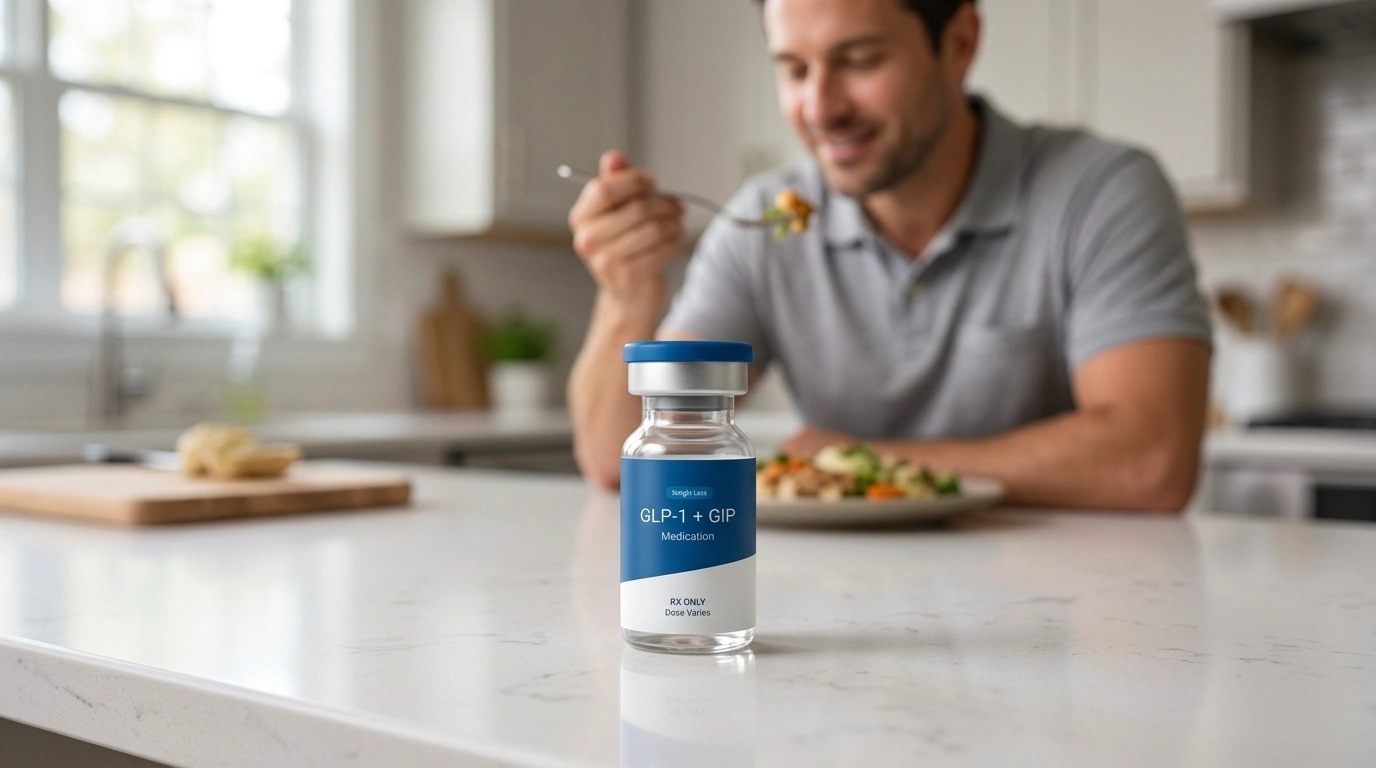
Table of Contents
- Introduction
- The Biological Connection Between Mounjaro and Sugar Cravings
- Understanding “Food Noise” and Sugar Addiction
- Clinical Insights into Appetite and Cravings
- Managing Cravings While Using GLP-1 Medications
- Potential Side Effects and Professional Guidance
- Comparing Tirzepatide to Other Options
- The Role of Compounded Medications
- Starting Your Journey with TrimRx
- Myth vs. Fact: Cravings and Medications
- Why Personalized Care Matters
- Conclusion
- FAQ
Introduction
Many people struggling with weight management describe a constant, intrusive mental chatter regarding food—often called “food noise.” This internal dialogue frequently centers on high-sugar, high-calorie snacks that feel impossible to resist, even when you aren’t physically hungry. If you have ever felt that your willpower is no match for a sugar craving, you are not alone; for many, this is a physiological hurdle rather than a personal failing. At TrimRx, we understand that sustainable weight loss requires more than just “eating less.” It requires addressing the underlying hormonal signals that drive these intense urges. Mounjaro® (tirzepatide) has gained significant attention for its ability to suppress appetite, but many are curious if it specifically targets the pull of sweets. This article explores how this medication interacts with your brain and body to silence sugar cravings and support a more balanced relationship with food. If you’re wondering whether a personalized program is the right fit, you can take the free assessment quiz.
The Biological Connection Between Mounjaro and Sugar Cravings
To understand if Mounjaro® helps with sugar cravings, it is essential to understand what the medication actually is. Mounjaro is a dual-acting receptor agonist. A receptor agonist is a substance that mimics the effects of natural hormones in the body. Specifically, this medication mimics two primary incretin hormones: glucagon-like peptide-1 (GLP-1) and glucose-dependent insulinotropic polypeptide (GIP).
While many are familiar with the role of GLP-1 in weight loss, the addition of GIP is what distinguishes tirzepatide from other options. These hormones work together to influence how your body processes sugar and how your brain perceives reward. By mimicking these hormones, the medication helps stabilize blood glucose levels and alters the “reward” signals associated with eating highly palatable foods like candy, soda, and baked goods. If you want a deeper breakdown of the biology behind this class, our guide on how GLP-1 actually works for weight loss is a helpful place to start.
How GLP-1 Affects Cravings
The GLP-1 component of the medication serves several roles. First, it slows down gastric emptying, which is the speed at which food leaves your stomach. This leads to a prolonged feeling of fullness. When you feel physically satisfied for longer periods, the biological drive to seek out quick energy sources—like sugar—is significantly diminished.
Secondly, GLP-1 receptors are located in parts of the brain responsible for appetite regulation, specifically the hypothalamus. By activating these receptors, the medication tells the brain that the body has sufficient energy, reducing the intensity of hunger signals.
The Added Benefit of GIP
The GIP component is believed to enhance the effects of GLP-1. In the brain, GIP receptors are found in areas linked to the regulation of food intake and the reward system. Research suggests that GIP may help improve the body’s sensitivity to insulin and play a role in how fat is stored and utilized. When combined with GLP-1, the result is a more potent suppression of appetite and a noticeable reduction in the desire for high-fat and high-sugar foods.
Key Takeaway: Mounjaro® targets two different hormonal pathways (GLP-1 and GIP) to slow digestion and signal the brain’s reward centers, which directly reduces the urge to consume sugar for a quick energy or “dopamine” hit.
Understanding “Food Noise” and Sugar Addiction
“Food noise” is a term used to describe the persistent, intrusive thoughts about food that many people experience throughout the day. For someone dealing with intense sugar cravings, this noise might sound like a constant reminder that there are cookies in the pantry or a drive-thru on the way home.
This phenomenon is often tied to the brain’s reward system. When we eat sugar, the brain releases dopamine, a neurotransmitter associated with pleasure and reward. Over time, the brain can become desensitized to dopamine, requiring more sugar to achieve the same “high.” This creates a cycle of craving and consumption that is incredibly difficult to break through lifestyle changes alone. For a closer look at that mental chatter, read our post on food noise and GLP-1.
Silencing the Reward Center
Mounjaro® helps break this cycle by modulating the mesolimbic dopamine system, often referred to as the “reward pathway.” By dulling the dopamine spike associated with eating sugar, the medication makes sweets seem less appealing. Many individuals on the medication report that foods they once found irresistible now seem “too sweet” or simply uninteresting.
Blood Sugar Stability
Sugar cravings are often the result of a “blood sugar rollercoaster.” When you eat a high-carb or high-sugar snack, your blood glucose spikes, followed by a sharp insulin release that causes your blood sugar to crash. That crash triggers a biological emergency signal in the brain, demanding more sugar to bring levels back up.
Because tirzepatide helps the pancreas release the right amount of insulin and reduces the amount of sugar the liver produces, it helps maintain a steady blood glucose level. By eliminating the “crash,” the medication prevents the physiological trigger for the next sugar craving.
Clinical Insights into Appetite and Cravings
Clinical trials for tirzepatide, such as the SURMOUNT program, have focused heavily on weight loss percentages and A1C reduction. However, secondary data and patient reports consistently highlight changes in food preference and appetite.
In these studies, participants frequently noted a shift in what they wanted to eat. Rather than reaching for processed snacks, many found themselves gravitating toward whole foods, proteins, and vegetables. This shift isn’t just about making better choices; it is about the body no longer demanding the “quick fix” of simple carbohydrates.
Quick Answer: Yes, Mounjaro® helps with sugar cravings by stabilizing blood sugar levels and reducing the dopamine-driven reward response in the brain, effectively “muting” the food noise that leads to sugar seeking.
Managing Cravings While Using GLP-1 Medications
While the medication does much of the heavy lifting, supporting your body through the transition is vital for long-term success. Even as cravings diminish, your body still requires high-quality nutrition to maintain muscle mass and energy levels.
Focus on Protein First
Protein is the most satiating macronutrient. By prioritizing protein at every meal, you further stabilize your blood sugar and support the medication’s appetite-suppressing effects. This also helps prevent the muscle loss that can sometimes accompany rapid weight loss.
Hydration and Electrolytes
Sometimes, the brain confuses thirst with a hunger for sugar. Because medications like Mounjaro® can reduce your thirst drive along with your appetite, it is easy to become dehydrated. Drinking plenty of water and ensuring you have adequate electrolytes can keep your energy levels stable and reduce “false” cravings.
Supplementing Your Success
For some, the transition away from sugar can lead to temporary fatigue or digestive shifts. Using targeted support, such as our GLP-1 Daily Support supplement, can help provide the essential nutrients your body needs as your caloric intake decreases. Additionally, for those looking to maximize their metabolic rate as they move away from sugar-heavy diets, our Weight Loss Boost supplement can provide an extra layer of support.
Potential Side Effects and Professional Guidance
It is important to note that as your body adjusts to the medication and the lack of sugar, you may experience side effects. The most common issues include nausea, vomiting, diarrhea, or constipation. Often, these side effects are most prominent when the dose is increased or if you eat a meal that is too high in fat or sugar.
Note: If you experience severe abdominal pain, persistent vomiting, or signs of an allergic reaction, you should contact a healthcare professional immediately.
Before starting any medication like Mounjaro® or its compounded alternatives, a consultation with a licensed healthcare provider is necessary. They will evaluate your medical history, current medications, and weight loss goals to determine if a GLP-1 or GIP/GLP-1 medication is appropriate for you. If you’re ready to see whether prescription treatment is a fit, you can complete the free assessment quiz.
Comparing Tirzepatide to Other Options
When deciding how to manage sugar cravings and weight loss, it helps to understand how different medications compare. While Mounjaro® is a dual-agonist, other popular medications like Ozempic® and Wegovy® (semaglutide) are single-agonists, focusing only on the GLP-1 pathway.
| Feature | Tirzepatide (Mounjaro®) | Semaglutide (Wegovy®/Ozempic®) |
|---|---|---|
| Receptors Targeted | GLP-1 and GIP | GLP-1 only |
| Mechanism | Dual-action appetite/sugar control | Single-action appetite control |
| Typical Administration | Weekly Injection | Weekly Injection |
| Effect on Sugar Cravings | Highly effective via dual pathway | Effective via single pathway |
| Compounded Versions | Available through specialty pharmacies | Available through specialty pharmacies |
While both are highly effective, the addition of the GIP receptor agonist in tirzepatide may offer an edge for individuals whose primary struggle is metabolic resistance or intense sugar-driven food noise. If cravings are part of a broader pattern of stalled progress, our article on why you may not be losing weight with tirzepatide may also be useful.
The Role of Compounded Medications
In some cases, branded medications like Mounjaro® may be difficult to access due to supply shortages or insurance restrictions. In these instances, some providers may prescribe compounded tirzepatide.
It is vital to understand the distinction:
- Branded Medications: Mounjaro® and Zepbound® (both containing tirzepatide) are FDA-approved for specific uses (type 2 diabetes and chronic weight management, respectively).
- Compounded Medications: Compounded tirzepatide is prepared by licensed, FDA-registered compounding pharmacies. While the pharmacy itself is inspected and regulated, the specific compounded mixture is not “FDA-approved” in the same way the branded version is.
We work with a network of licensed providers who can determine which option is safest and most appropriate for your specific health profile.
Starting Your Journey with TrimRx
If you are tired of the constant battle with sugar cravings, a personalized, medically supervised program may be the solution you’ve been looking for. At TrimRx, we believe that weight loss should be accessible, transparent, and tailored to your unique biology.
Our Process
We have designed our platform to be as straightforward as possible, removing the barriers of traditional weight loss clinics.
- Step 1: The Online Assessment: You begin by completing a comprehensive health quiz. This allows our clinical team to understand your BMI, medical history, and weight loss goals.
- Step 2: Provider Review: A licensed healthcare provider reviews your information. If they determine you are a candidate, they will discuss your options, which may include compounded semaglutide or tirzepatide.
- Step 3: Medication Delivery: If prescribed, your medication is prepared by an FDA-registered compounding pharmacy and shipped directly to your door.
- Step 4: Ongoing Support: You have 24/7 access to our team and specialists to help you navigate side effects, dosage adjustments, and lifestyle changes.
If you want to understand the ordering process in more detail, our guide on how to order GLP-1 medications for effective weight loss walks through the basics.
Myth vs. Fact: Cravings and Medications
Myth: Mounjaro® is just a “starvation” drug that makes you too sick to eat sugar. Fact: While nausea can occur, the medication’s primary function is to correct hormonal imbalances and stabilize blood sugar, which naturally reduces the desire for sugar without the need for constant nausea.
Myth: Once you start the medication, you never have to worry about what you eat again. Fact: The medication is a powerful tool to silence cravings, but long-term success is greatest when paired with healthy lifestyle habits, such as increased protein intake and regular physical activity.
Why Personalized Care Matters
Every metabolism is different. Some people find that their sugar cravings disappear at the lowest dose of tirzepatide, while others require a gradual increase to see significant changes in food noise. This is why a “one-size-fits-all” approach to weight loss often fails.
Our mission is to help you embrace a healthier lifestyle through science and empathy. By providing a telehealth-first platform, we ensure you have the clinical expertise you need without the stress of waiting rooms or hidden fees. We are here to guide you through every step of the process, from that first assessment to your long-term maintenance goals. If you’re ready to see whether treatment is appropriate for you, take the free assessment quiz.
Conclusion
The evidence suggests that Mounjaro® is a highly effective tool for addressing sugar cravings. By mimicking the GIP and GLP-1 hormones, it addresses the physiological roots of “food noise” and blood sugar instability. Instead of relying on willpower alone, individuals can benefit from a biological “reset” that makes healthy choices feel natural rather than forced. At TrimRx, we are committed to helping you find the right path to sustainable health through personalized, science-backed programs that fit your life.
If you are ready to quiet the food noise and take control of your metabolic health, the first step is simple. You can complete the free assessment quiz to see whether a tailored program may be a fit.
Bottom line: Mounjaro® (tirzepatide) helps eliminate sugar cravings by balancing blood sugar and dampening the brain’s reward response to sweets, making it a powerful ally in overcoming sugar addiction.
FAQ
Does Mounjaro stop you from liking sweets?
Many patients report a “taste aversion” or a decreased interest in sweets while taking the medication. Because it modulates the brain’s reward system, the dopamine hit you usually get from sugar is diminished, making those foods feel less satisfying or even overly cloying.
How long does it take for sugar cravings to go away on Mounjaro?
While individual experiences vary, many people notice a reduction in food noise and sugar cravings within the first week or two of starting the initial dose. As the medication builds in your system and your blood sugar stabilizes, these effects typically become more pronounced.
Can I still eat sugar while taking tirzepatide?
You can, but you may find that your desire to do so is much lower. It is also worth noting that consuming high amounts of sugar while on the medication can increase the likelihood of side effects like nausea or diarrhea, as the medication slows down your digestion.
Is the reduction in cravings permanent?
The medication helps manage the biological signals that cause cravings while you are taking it. To maintain these results long-term, it is important to use the time on the medication to build sustainable habits, such as focusing on whole foods and consistent meal timing, which we support through our personalized programs. For more on maintaining progress, see our guide on long-term weight loss success on GLP-1.
Disclaimer: This content is for informational purposes only and does not constitute medical advice. It is not intended to diagnose, treat, cure, or prevent any disease or condition. Individual results may vary. Always consult a qualified healthcare professional before starting any weight loss program or medication.

Transforming Lives, One Step at a Time
Keep reading

Mounjaro Alternatives: What Else to Consider
If Mounjaro isn’t the right fit, the closest alternatives are other GLP-1 medications, chiefly semaglutide (Ozempic for diabetes, Wegovy for weight), along with a…

Mounjaro vs Zepbound: Same Drug, Two Brands
Like their semaglutide counterparts, Mounjaro and Zepbound are the same medication (tirzepatide) sold under two names for two purposes: Mounjaro is approved for type…

Retatrutide vs Mounjaro: Triple Agonist vs Dual Agonist
The core difference between retatrutide and Mounjaro comes down to how many hormone targets each hits: retatrutide activates three receptors, while Mounjaro (tirzepatide) activates…


