Does Oral Tirzepatide Need to Be Refrigerated?
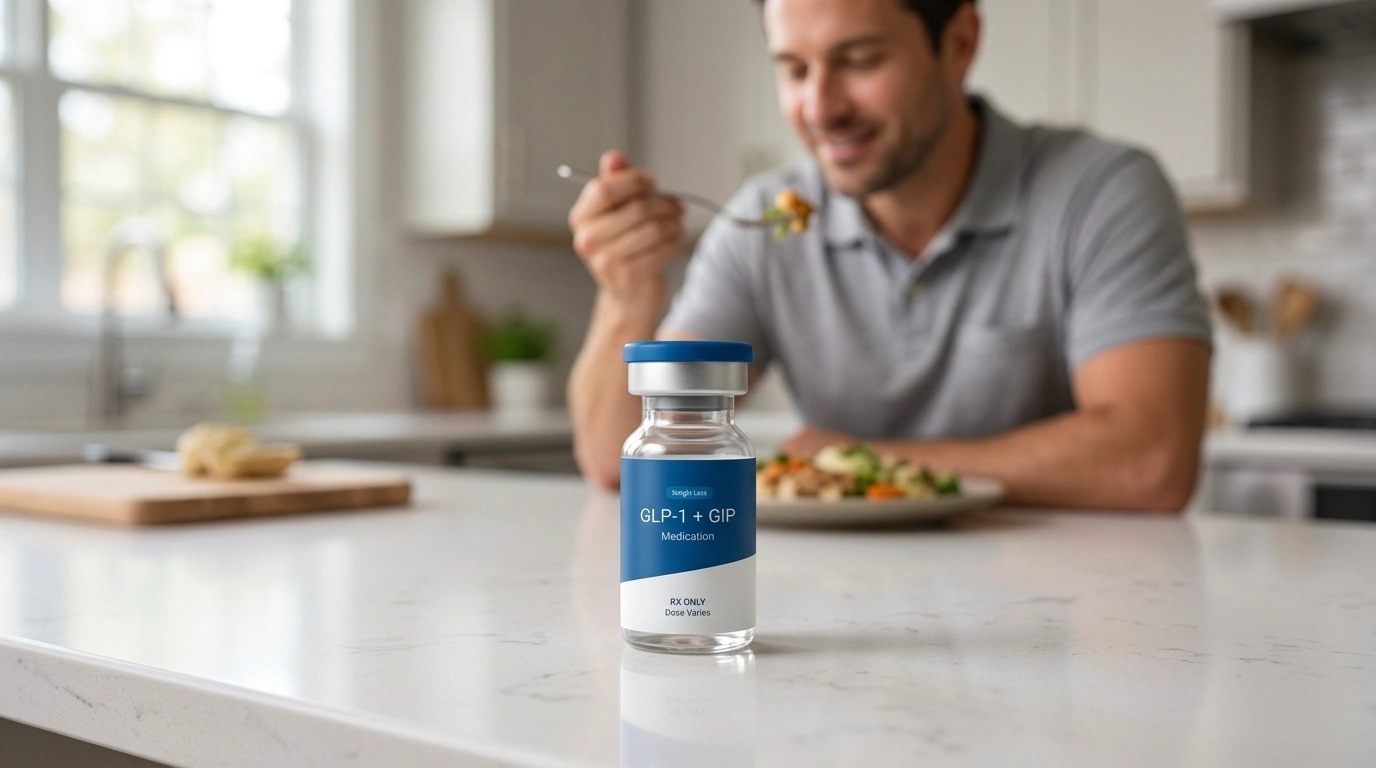
Introduction
Choosing a weight loss journey often involves navigating a landscape of new terms, schedules, and specific storage requirements. Many people are familiar with the injectable versions of tirzepatide, such as Mounjaro® or Zepbound®, which generally require constant refrigeration to maintain their integrity. However, as more individuals turn to oral formats for convenience, a common question arises: does oral tirzepatide need to be refrigerated?
At TrimRx, we understand that managing your medication correctly is vital for achieving the best possible outcomes. This post will cover the stability of oral tirzepatide, how it differs from injectable versions, and the best practices for storing your medication at home or while traveling. Proper storage ensures that the active ingredients remain potent and effective throughout your treatment. Understanding these requirements is a key step in your personalized weight loss program. If you are considering prescription treatment, you can complete a free eligibility assessment.
Understanding Tirzepatide and Its Formats
Tirzepatide is a dual agonist that targets two specific hormone receptors in the body: the glucagon-like peptide-1 (GLP-1) and the glucose-dependent insulinotropic polypeptide (GIP). By mimicking these natural hormones, tirzepatide helps regulate blood sugar levels and slows down stomach emptying. This process helps many individuals feel fuller for longer periods, which may support sustainable weight management.
While the most well-known versions of this medication are injectables, oral tirzepatide has become an increasingly popular alternative for those who prefer to avoid needles. Oral versions are typically created through a process called compounding. This involves a licensed pharmacist preparing a customized medication tailored to a patient’s specific needs based on a provider’s prescription. Because oral formulations—such as sublingual (under the tongue) drops or capsules—use different delivery methods than injections, their storage needs can vary. For more background, read what to know about oral tirzepatide.
Quick Answer: Whether oral tirzepatide needs refrigeration depends entirely on the specific formulation and the instructions provided by the compounding pharmacy. While many oral versions are stable at room temperature, some sublingual liquids or specific bases may require a cold environment to remain potent.
The Science of Peptide Stability
To understand why temperature matters, it is helpful to look at the structure of the medication. Tirzepatide is a peptide, which is essentially a short chain of amino acids. Peptides are more fragile than traditional chemical drugs like aspirin. They are sensitive to environmental changes, particularly heat and light.
When a peptide is exposed to high temperatures, its molecular structure can begin to break down or “denature.” If the shape of the peptide changes, it may no longer be able to bind effectively to the GLP-1 and GIP receptors in your body. This does not necessarily make the medication “toxic,” but it can make it significantly less effective. This means you might not experience the full appetite-suppressing benefits of the treatment. You can also review how tirzepatide storage affects stability.
Comparing Storage: Injectable vs. Oral Tirzepatide
Storage protocols for branded injectable medications like Mounjaro® are very strict. These pens are usually required to stay in the refrigerator between 36°F and 46°F. While they can often stay at room temperature for up to 21 or 30 days (depending on the brand), they must be protected from extreme heat. See how long Zepbound can be stored in the refrigerator for a closer look at injectable storage.
Oral tirzepatide, especially in compounded forms, often offers more flexibility. Compounding pharmacies use different “vehicles” or bases to deliver the medication. Some use a dry powder inside a capsule, while others use a liquid or oil base for sublingual administration.
Common Storage Requirements for Oral Formats
- Capsules: Dry oral capsules are often the most stable. They typically do not require refrigeration and should be kept at a controlled room temperature, usually between 68°F and 77°F.
- Sublingual Liquids: Some liquid suspensions are designed to be shelf-stable, but others use bases that stay more consistent in the refrigerator.
- Troches or Melts: These are small lozenges that dissolve in the mouth. Because they are designed to melt at body temperature, they are often more sensitive to heat and may require a cool environment to prevent them from softening.
Key Takeaway: Always defer to the physical label on your medication bottle. The compounding pharmacy that prepared your specific batch will provide the most accurate storage instructions based on the ingredients they used.
Why Compounded Medications Have Specific Rules
Compounded tirzepatide is prepared in FDA-registered and inspected compounding pharmacies. These facilities follow strict guidelines to ensure the stability of the medication. However, because these medications do not contain the same preservatives as mass-produced branded products, their shelf life and storage needs may be more specific. For more information about oral formats, review this guide to compounded oral tirzepatide.
When you receive your program through a platform like TrimRx, the medication is shipped directly from these specialized pharmacies. They often include cold packs during shipping, even for medications that can eventually be stored at room temperature. This is a “better safe than sorry” approach to ensure that the medication does not overheat during transit in a delivery truck.
Factors That Impact Medication Potency
Temperature is not the only factor that can affect your oral tirzepatide. To keep your treatment as effective as possible, you should also consider:
Light Exposure
Many peptides are photosensitive. This means that exposure to direct sunlight or even strong indoor lighting can trigger chemical reactions that degrade the medication. This is why most oral medications come in amber-colored or opaque bottles. Always keep the medication in its original container.
Humidity and Moisture
The bathroom is often the worst place to store medication. The steam from showers creates a high-humidity environment that can seep into bottles every time they are opened. For capsules, moisture can cause them to stick together or begin to dissolve prematurely. A cool, dry cupboard in a kitchen or bedroom is usually a better choice.
Air Exposure
Oxygen can also lead to the degradation of the active ingredients. Ensure the cap is tightly sealed after every use. For sublingual drops, avoid touching the dropper to your tongue or any other surface to prevent introducing bacteria or moisture into the bottle.
What to Do During Temperature Excursions
A “temperature excursion” happens when your medication is exposed to temperatures outside the recommended range. This might happen if you leave your medication in a hot car or if there is a power outage. For additional handling guidance, read what to do when tirzepatide gets warm.
If your oral tirzepatide was supposed to be refrigerated but reached room temperature, it is often still safe to use for a short period. However, if the medication was exposed to temperatures above 86°F, its potency may be compromised.
Signs your medication may have degraded:
- Changes in color (e.g., a clear liquid turning cloudy or yellow).
- Visible particles or “clumping” in a liquid.
- A change in the smell of the medication.
- Capsules becoming soft, sticky, or misshapen.
If you notice any of these signs, it is important to contact your healthcare provider or the compounding pharmacy before taking the next dose.
Traveling with Oral Tirzepatide
One of the major benefits of the oral format is that it is generally easier to travel with than injectable pens. You do not have to worry about sharps containers or TSA regulations regarding needles. However, you still need to keep storage in mind. You can also review this tirzepatide travel and handling guide.
If your specific formulation requires refrigeration, you can use a small insulated travel bag with a gel ice pack. Ensure the medication does not directly touch the ice pack, as freezing can also damage the peptide structure. If your medication is room-temperature stable, simply keep it in your carry-on bag. Avoid putting medication in checked luggage, as the cargo hold of an airplane can experience extreme temperature fluctuations.
The Role of the Compounding Pharmacy
Compounding pharmacies are essential partners in the weight loss journey. They allow for the creation of oral tirzepatide, which is not currently available as a branded, mass-produced product. These pharmacies must adhere to specific standards, such as USP <795> for non-sterile compounding and USP <797> for sterile compounding.
Because these pharmacies customize the medication, they also determine the “Beyond Use Date” (BUD). This is different from a standard expiration date. The BUD is the date after which the medication should not be used because its stability or potency can no longer be guaranteed. Proper storage according to the pharmacy’s instructions is the best way to ensure the medication remains effective until its BUD. Read more about when tirzepatide expires.
Optimizing Your Results with TrimRx
At TrimRx, we believe that successful weight loss is about more than just a prescription. It is about a comprehensive approach that includes medical supervision, personalized plans, and the right support tools. Our platform connects you with licensed providers who can determine if oral tirzepatide or another GLP-1 medication is appropriate for your health profile.
When you join our program, you get more than just medication shipped to your door. You gain access to a dedicated team and a structured process designed to help you reach your goals. We remove the barriers of traditional weight loss clinics—like long wait times and inconvenient office visits—by providing everything you need through a secure telehealth platform. To explore whether a personalized program may be appropriate for you, take the free assessment quiz.
Step-by-Step: How to Start
Step 1: Complete the free assessment. The first step is a simple online quiz that gathers information about your medical history, health goals, and previous weight loss efforts.
Step 2: Connect with a provider. A licensed healthcare professional will review your information to see if you are a candidate for our program. They will discuss the potential benefits and any side effects you should watch for.
Step 3: Receive your personalized plan. If approved, your medication will be prepared by one of our partner compounding pharmacies and shipped directly to you with clear instructions on storage and dosing.
Step 4: Ongoing support. You will have 24/7 access to specialists to answer questions about your treatment, including storage concerns or how to manage your daily routine.
The Importance of Professional Guidance
While storage instructions might seem like a small detail, they are a vital part of your medical treatment. Using medication that has lost its potency due to improper storage can lead to inconsistent results and frustration. This is why having a direct line to a clinical team is so important.
If you ever feel unsure about whether your medication is still good, or if you have questions about moving from an injectable to an oral format, we are here to help. Our goal is to make the science of weight loss accessible and manageable for everyone.
Bottom line: Oral tirzepatide storage varies by pharmacy. Check your label immediately upon arrival. Most capsules stay at room temperature, while some liquids may prefer the fridge. Avoid heat, light, and moisture to keep your medication working effectively.
Final Thoughts on Medication Management
Managing a weight loss medication like oral tirzepatide requires a bit of diligence, but the convenience of an oral format often outweighs the small effort of proper storage. By keeping your medication in a cool, dark, and dry place, you protect your investment in your health.
We are committed to helping you navigate every step of this process. From the initial assessment to your long-term maintenance, our mission is to provide science-backed, empathetic support. Sustainable weight loss is a marathon, not a sprint, and having the right tools—and knowing how to take care of them—is the foundation of your success. If prescription treatment is the right next step for you, see if you qualify for a personalized program.
FAQ
Can I freeze oral tirzepatide to make it last longer?
No, you should never freeze oral tirzepatide. Extreme cold can be just as damaging to the peptide structure as extreme heat. Freezing can cause the ingredients to separate or degrade, making the medication ineffective once it thaws.
How long can oral tirzepatide stay at room temperature?
This depends on the specific instructions from the compounding pharmacy. While many oral capsules are designed for room-temperature storage throughout their entire shelf life, some liquid formulations may only be stable at room temperature for a limited number of days. Always check your prescription bottle for the most accurate information.
What should I do if my medication was delivered and sat in the sun?
If your medication package felt very hot to the touch or if the included ice packs were completely melted and warm, contact the pharmacy or our support team. We can help determine if a replacement is necessary or if the medication is still safe to use based on the duration of heat exposure.
Is oral tirzepatide as effective as the injectable version?
Research suggests that tirzepatide is highly effective for weight loss, but the oral version’s efficacy depends on proper absorption and adherence to storage guidelines. Many patients find the oral version more convenient, which helps them stay consistent with their daily doses, leading to better long-term results. If you are considering your treatment options, complete a free eligibility assessment.
Disclaimer: This content is for informational purposes only and does not constitute medical advice. It is not intended to diagnose, treat, cure, or prevent any disease or condition. Individual results may vary. Always consult a qualified healthcare professional before starting any weight loss program or medication.

Transforming Lives, One Step at a Time
Keep reading

Should You Taper Off Tirzepatide or Just Stop? What the Evidence Says
There is very little direct evidence either way, and anyone who tells you otherwise is filling a gap with confidence. The withdrawal trials that…
Stalled on Tirzepatide Even After a Dose Increase: Your Options
The first thing to check is how long it has been since the increase, because most people ask this question too early. A dose…

Why Did Tirzepatide Stop Working After Three Months of Fast Loss?
Five things explain almost all of it, and the first is the least satisfying: the fast stretch was never going to last. Weight loss…


