Does Ozempic Help Alcohol Cravings? What Science Says
Introduction
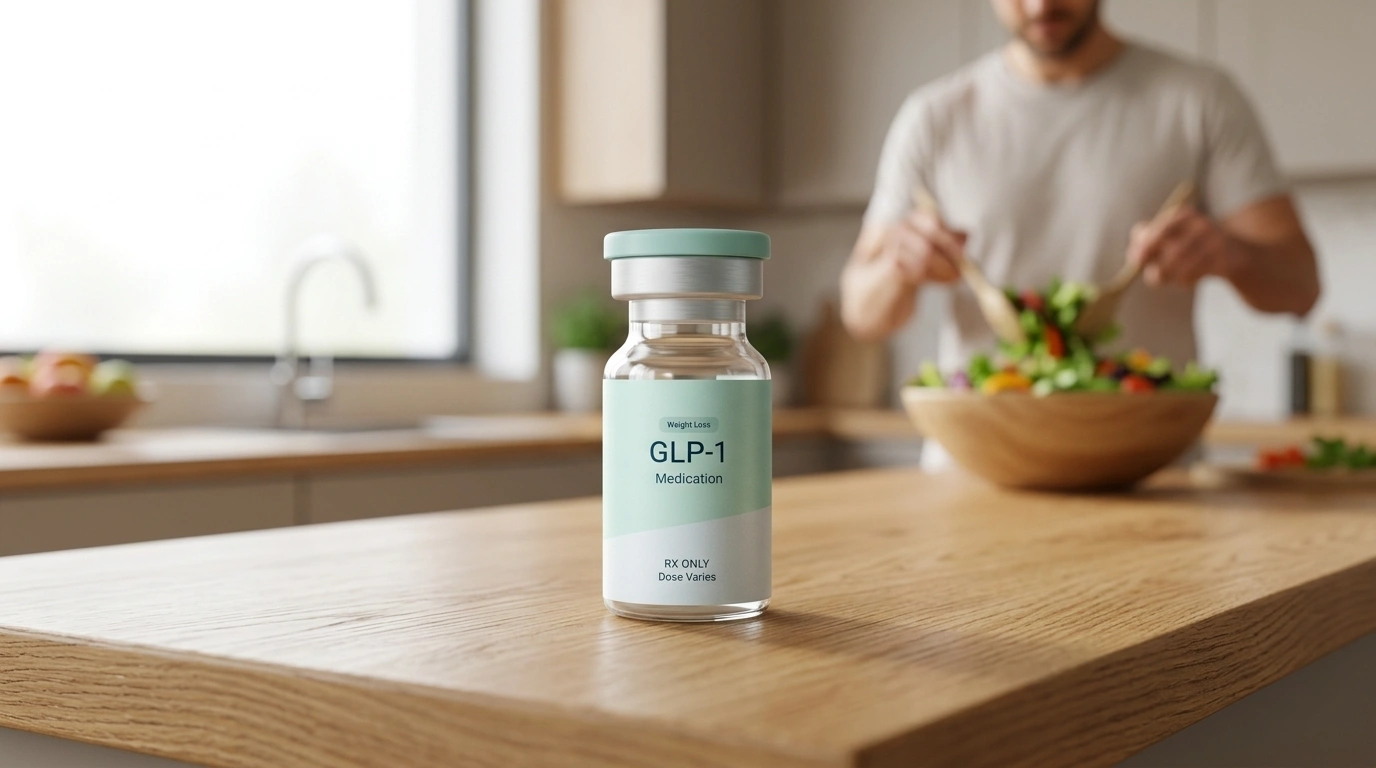
Many individuals starting a weight loss journey with GLP-1 medications notice a surprising side effect: they simply no longer want their nightly glass of wine or weekend cocktail. What began as anecdotal reports on social media has now become a major focus of clinical research. At TrimRx, we believe in staying at the forefront of metabolic health science, especially when it helps our community understand how these medications interact with the brain’s reward centers. If you’re wondering whether a prescription program fits your goals, complete the free assessment quiz. This post explores the current research regarding how medications like semaglutide may influence alcohol consumption and cravings. We will look at recent clinical trials, the biological mechanisms at play, and what this means for the future of personalized weight management.
The Science of Reward: How GLP-1s Affect the Brain
To understand why a medication designed for blood sugar and weight management might affect alcohol cravings, we have to look at the brain. Glucagon-like peptide-1 (GLP-1) is a hormone naturally produced in the gut that signals to the brain when you are full. However, researchers have discovered that GLP-1 receptors are not just in the areas of the brain that control hunger; they are also located in the “reward” centers.
The mesolimbic dopamine system is the part of the brain responsible for the feeling of pleasure we get from eating, drinking alcohol, or using nicotine. When you drink alcohol, it triggers a release of dopamine, which makes you want more. Research suggests that GLP-1 receptor agonists—the class of drugs that includes semaglutide and tirzepatide—may dampen this dopamine response. For a deeper explanation, how GLP-1 actually works for weight loss helps put that mechanism into context.
Quick Answer: Recent clinical research and observational data suggest that semaglutide (the active ingredient in Ozempic®) may significantly reduce alcohol cravings and the frequency of heavy drinking days by interacting with the brain’s reward processing centers.
The Dopamine Connection
When we consume something “rewarding,” the brain releases dopamine in a region called the nucleus accumbens. This creates a feedback loop that reinforces the behavior. GLP-1 medications appear to interfere with this loop. By activating GLP-1 receptors in the brain, these medications may reduce the “hit” or satisfaction that alcohol normally provides. If the reward is gone, the craving often follows suit.
Beyond the Stomach
While many people think of these medications as strictly “stomach drugs” because they slow gastric emptying (making you feel full longer), their impact on the central nervous system is equally profound. For many individuals, the “food noise” or constant thoughts about eating are quieted. It appears that “alcohol noise”—the persistent urge to have a drink—may be quieted in the same way.
What Recent Clinical Trials Reveal
For several years, the link between Ozempic® and reduced alcohol consumption was purely anecdotal. However, new high-quality clinical evidence is beginning to bridge the gap between stories and science.
The JAMA Psychiatry Study (2024)
A groundbreaking study published in JAMA Psychiatry in 2024 provided some of the most compelling evidence to date. Researchers conducted a randomized, placebo-controlled trial—the “gold standard” of medical research—to see how semaglutide affected people with alcohol use disorder (AUD).
The trial involved 48 adults who were not actively seeking treatment for their drinking. Participants were given either a low dose of semaglutide or a placebo for nine weeks. The results were striking:
- Reduction in Quantity: Those taking semaglutide consumed significantly lower amounts of alcohol compared to the placebo group.
- Fewer Heavy Drinking Days: The frequency of “heavy drinking days” (defined as four or more drinks for women or five or more for men) dropped significantly.
- Reduced Cravings: Participants self-reported a marked decrease in the daily urge to drink.
- Laboratory Testing: Even in a “drinking lab” setting where participants were offered their favorite alcoholic beverage, those on semaglutide were more likely to delay their first drink and consume less overall.
Observational Data from Electronic Health Records
In addition to controlled trials, large-scale observational studies have looked at the real-world data of millions of patients. One study analyzed the records of over 800,000 patients with alcohol use disorder. It found that those who were prescribed semaglutide for diabetes or weight loss were 50% less likely to experience acute alcohol intoxication episodes compared to those not on the medication.
Key Takeaway: The evidence suggests that semaglutide doesn’t just make you feel full; it may fundamentally change how your brain perceives the reward of alcohol, leading to a natural reduction in consumption and craving.
Branded Medications vs. Compounded Alternatives
When discussing these treatments, it is important to understand the terminology. Ozempic®, Wegovy®, Mounjaro®, and Zepbound® are specific brand-name medications.
Branded GLP-1 Medications
Ozempic® and Wegovy® both contain the active ingredient semaglutide. Ozempic® is FDA-approved for the treatment of type 2 diabetes, while Wegovy® is FDA-approved for chronic weight management.
Mounjaro® and Zepbound® contain tirzepatide, a dual-agonist that targets both GLP-1 and glucose-dependent insulinotropic polypeptide (GIP) receptors. While most research on alcohol cravings has focused on semaglutide, early animal studies suggest that tirzepatide may have similar or even more potent effects on reward-seeking behavior. If you’re comparing options, is tirzepatide a GLP-1? is a helpful place to start.
Compounded Semaglutide and Tirzepatide
Because of high demand and supply shortages of branded medications, many people access these treatments through compounding pharmacies. What compounded GLP-1 is can help clarify how those programs differ from brand-name options.
It is vital to note that while these medications are prepared in FDA-registered and inspected facilities, compounded medications themselves are not FDA-approved. At TrimRx, we partner with these high-quality pharmacies to ensure our members have access to personalized treatment plans when branded options may be unavailable.
| Feature | Semaglutide (e.g., Ozempic®) | Tirzepatide (e.g., Mounjaro®) |
|---|---|---|
| Mechanism | GLP-1 Receptor Agonist | GLP-1 & GIP Dual Agonist |
| Primary Use | Diabetes / Weight Loss | Diabetes / Weight Loss |
| Alcohol Research | Significant human trials showing reduced craving | Emerging animal and observational data |
| Dosing Frequency | Weekly Injection | Weekly Injection |
Is Alcohol Reduction a Guaranteed Result?
While the research is promising, it is essential to have realistic expectations. Not every person who takes a GLP-1 medication will stop wanting alcohol.
Variability in Response
The human brain is complex. Factors such as genetics, the severity of one’s relationship with alcohol, and baseline metabolic health can all influence how a person responds to semaglutide. For some, the change is “night and day”—they might find the smell of alcohol suddenly unappealing. For others, the effect may be more subtle, simply making it easier to stop after one drink.
Off-Label Use
It is important to clarify that none of these medications are currently FDA-approved specifically for treating alcohol use disorder or nicotine addiction. If a healthcare provider prescribes semaglutide to someone specifically for alcohol cravings, this is considered “off-label” use. Most current programs, including our personalized programs at TrimRx, focus on individuals who meet the criteria for weight management (typically a BMI of 30+ or 27+ with a weight-related health condition).
Note: If you are struggling with severe alcohol use disorder or physical dependence, it is critical to consult a medical professional or addiction specialist. Suddenly stopping heavy alcohol use can be dangerous, and GLP-1 medications are not a replacement for medically supervised detox.
Managing the Weight Loss Journey with TrimRx
We understand that weight loss is rarely just about calories in and calories out. It is about the complex interplay of hormones, habits, and brain chemistry. Our approach focuses on the whole person.
The Personalized Approach
Every individual who joins our platform begins with a free assessment quiz. This helps us understand your medical history, your goals, and whether a GLP-1 medication is appropriate for you. We then connect you with a licensed provider who can create a personalized program tailored to your needs. This isn’t a “one size fits all” solution; it’s a medically supervised path to sustainable health.
Comprehensive Support
Our program includes:
- Online consultations with licensed medical providers.
- Prescription medications (like Compounded Semaglutide) shipped directly to your door.
- Unlimited support and 24/7 access to our team of specialists.
Potential Side Effects and Considerations
While the reduction of alcohol cravings is often viewed as a positive “side effect,” these medications do have other effects that users should be aware of.
Common Physical Side Effects
Most side effects are gastrointestinal and occur when starting the medication or increasing the dose. These may include:
- Nausea or vomiting
- Diarrhea or constipation
- Abdominal pain
- Heartburn
For a fuller breakdown of what to expect, common GLP-1 side effects: what to expect is worth reviewing.
Changes in Taste and Pleasure
Some users report a “flattening” of pleasure from certain foods or activities. This is sometimes referred to as anhedonia. Because the medication dampens the reward system, things that used to be highly stimulating—like sugary desserts or heavy drinking—may simply feel “neutral.” While this helps with weight loss and reducing alcohol intake, it is a significant shift in how one experiences daily life.
Nutrient Support
Because your appetite and thirst for certain beverages may decrease, it is vital to stay hydrated and nourished. We often recommend our GLP-1 Daily Support supplement to help support your nutrient intake during treatment.
If you want added energy support during weight loss, the Weight Loss Boost supplement can be a helpful option.
Action Steps for Your Health Journey
If you are considering whether a weight loss program might also help you manage other habits like alcohol consumption, here is a recommended path forward:
- Assess Your Goals: Are you primarily looking for weight loss, or are you concerned about your alcohol intake? Be honest with yourself and your provider.
- Take the Quiz: Complete our free assessment to see if you qualify for a personalized GLP-1 program.
- Consult a Provider: Discuss your interest in how these medications affect cravings during your telehealth consultation, and review how to get GLP-1 weight loss prescriptions online.
- Monitor Your Habits: If you begin a program, keep a journal of your cravings and consumption to track changes over time.
- Focus on Nutrition: Use targeted supplements to support your metabolic health as your intake changes.
Bottom line: While semaglutide is primarily a tool for weight loss and blood sugar management, its ability to reduce alcohol cravings is a scientifically backed phenomenon that is helping many people lead healthier, more balanced lives.
The Future of Alcohol Use Disorder Treatment
The discovery that GLP-1 medications can reduce alcohol use could be one of the most significant shifts in addiction medicine in decades. Currently, only three medications are FDA-approved for alcohol use disorder, and they are significantly under-utilized.
The popularity and safety profile of semaglutide may allow more people to seek help for drinking habits under the umbrella of metabolic health. As researchers continue to conduct larger, longer-term studies, we may eventually see these medications receive formal approval for a wider range of addictive behaviors.
Conclusion
The connection between Ozempic® and alcohol cravings highlights the incredible complexity of our metabolic and neurological systems. By quieting the “noise” in the brain’s reward centers, semaglutide and similar medications offer a unique opportunity for individuals to regain control over their habits—whether those habits involve food or alcohol.
Our mission at TrimRx is to provide an empathetic, science-backed platform where you can access the tools and professional guidance needed for lasting change. We believe in a transparent approach that prioritizes your health and your unique medical profile. Whether you are looking to lose weight or simply want to understand your options better, we are here to guide you toward a healthier lifestyle.
Next Step: Ready to see if a personalized weight loss program is right for you? Complete the free assessment quiz today to get started with a licensed provider.
FAQ
Does Ozempic help with alcohol cravings in everyone?
Not everyone experiences a reduction in alcohol cravings, as individual responses to GLP-1 medications vary based on genetics and health history. However, a significant number of patients and clinical studies report a noticeable decrease in the desire to drink. If you’d like a personalized starting point, complete the free assessment quiz.
Is Ozempic FDA-approved to treat alcohol use disorder?
No, Ozempic® is currently only FDA-approved for the treatment of type 2 diabetes. While research into its effects on alcohol use is promising, using it specifically for alcohol cravings is considered an “off-label” use and should be discussed with a healthcare provider.
How much weight can I expect to lose if I also stop drinking?
Alcohol is calorie-dense and can slow down your metabolism; therefore, reducing alcohol intake while on a GLP-1 program often accelerates weight loss results. Many patients find that the combination of the medication and a reduction in “liquid calories” leads to more sustainable progress.
Can I still drink alcohol while taking semaglutide?
While you can technically drink alcohol, many people find they have a much lower tolerance or experience increased nausea when combining the two. It is generally recommended to limit alcohol intake to maximize the health benefits of the medication and avoid gastrointestinal discomfort.
Disclaimer: This content is for informational purposes only and does not constitute medical advice. It is not intended to diagnose, treat, cure, or prevent any disease or condition. Individual results may vary. Always consult a qualified healthcare professional before starting any weight loss program or medication.

Transforming Lives, One Step at a Time
Keep reading

Why Does My Ozempic Injection Sting More Some Weeks Than Others?
Because more variables change between injections than most people realize. Temperature of the medication, which site you used, how deep the needle went, how…

How to Store Your Ozempic Pen During a Power Outage
Keep the refrigerator door closed. An unopened refrigerator holds a safe temperature for roughly four hours, and a full freezer holds for considerably longer….
I Left My Ozempic Out Overnight. Is It Still Okay?
Usually yes, if it is a pen you had already started using and it sat at ordinary room temperature. Branded semaglutide pens are labeled…


