Does Ozempic Help With Bloating?
Introduction
Many people starting their weight loss journey hope that modern medications will solve every digestive frustration, including the uncomfortable “puffy” feeling that often follows a meal. You might find yourself wondering if a prescription could finally provide relief from chronic abdominal pressure. At TrimRx, we believe that understanding exactly how these medications interact with your body is the first step toward a successful and comfortable transformation. If you’re considering prescription support, you can take the free assessment quiz to see whether you’re a candidate.
Unfortunately, if you are looking for a way to reduce existing gas or distension, you may find the answer surprising. Clinical evidence suggests that Ozempic® does not help with bloating; instead, bloating is one of the most frequently reported common GLP-1 side effects. This post covers why this happens, how the medication alters your digestion, and what you can do to manage these symptoms while pursuing your health goals. While these medications are powerful tools for weight management and metabolic health, they require specific lifestyle adjustments to keep your digestive system feeling its best.
How GLP-1 Medications Interact With Your Gut
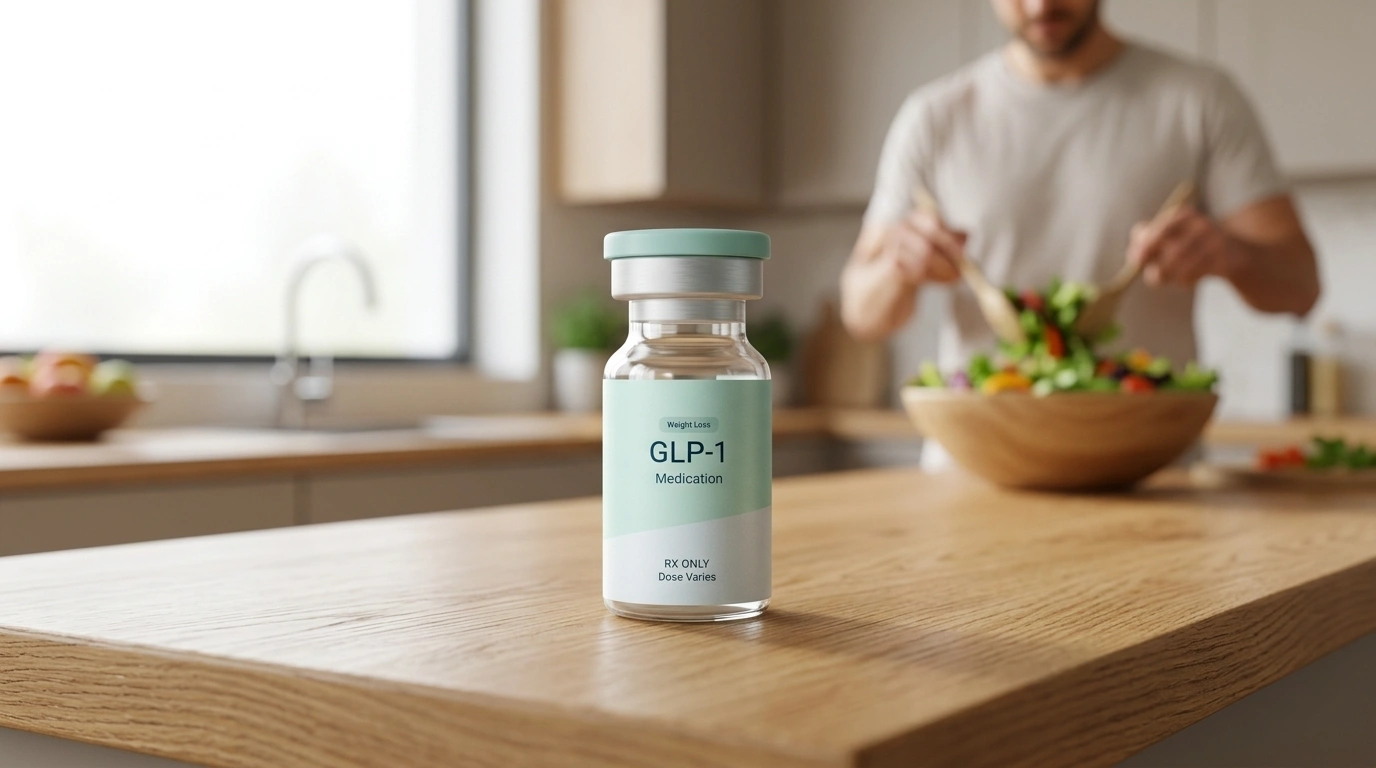
To understand why Ozempic® and similar medications often lead to a feeling of fullness or “puffiness,” we must look at how they function within the digestive tract. These medications belong to a class called GLP-1 receptor agonists. GLP-1 stands for glucagon-like peptide-1, which is a hormone your body naturally produces to regulate appetite and blood sugar.
When you take a GLP-1 medication, it mimics this natural hormone but stays in your system much longer. One of its primary jobs is to signal your brain that you are full, but it also physically changes how your stomach moves. This process is known as slowing “gastric emptying.” Essentially, the medication tells the muscles in your stomach to slow down the rate at which they push food into the small intestine.
Quick Answer: Ozempic® does not help with bloating. In fact, it is a common side effect because the medication slows down the speed at which food leaves your stomach, leading to increased pressure and gas production.
While slowing down digestion is beneficial for weight loss—it helps you feel satisfied with smaller portions for longer periods—it can create a “backlog” in the digestive system. When food sits in the stomach and upper GI tract longer than usual, it provides more time for natural bacteria to break that food down through fermentation. This fermentation process produces gas, which translates to the sensation of bloating.
The Connection Between Semaglutide and Bloating
Semaglutide, the active ingredient in Ozempic®, is highly effective at managing blood glucose and supporting weight loss, but the gastrointestinal system often needs time to adapt. For most people, bloating is not a sign that the medication is “broken,” but rather a sign that it is working exactly as intended by slowing down the digestive clock.
In clinical trials, gastrointestinal side effects were the most commonly reported issues. This is particularly true during the first few weeks of treatment or whenever a provider increases the dosage. This period is called “titration.” We often see that as the body becomes accustomed to the higher levels of the GLP-1 hormone, the severity of the bloating begins to taper off.
Why the “Stuck” Feeling Happens
Many individuals describe a sensation where food feels “stuck” in their chest or upper stomach. This is a direct result of the pyloric sphincter—the valve at the bottom of the stomach—tightening and the stomach muscles relaxing. For someone who has spent years eating larger meals, the body may continue to expect that same volume. When that volume meets a slower digestive “conveyor belt,” the result is physical distension.
The Role of Bacterial Fermentation
Our gut is home to trillions of bacteria. These microbes are essential for health, but they also produce gas when they encounter undigested carbohydrates. Because GLP-1 medications keep food in the “fermentation zone” for an extended period, you may experience more gas than usual. This is why certain foods that never bothered you before might suddenly cause significant discomfort once you start your program.
Managing Bloating While on a Weight Loss Program
While bloating is common, it does not have to be a permanent fixture of your journey. There are several evidence-based strategies you can use to support your digestive system while using GLP-1 medications. At TrimRx, we focus on a personalized approach that includes lifestyle modifications to ensure the medication is a help, not a hindrance, to your daily comfort.
Adjust Your Meal Timing and Volume
The most effective way to combat medication-induced bloating is to change how you eat. Instead of the traditional three large meals a day, aim for five or six very small portions. By reducing the amount of food entering the stomach at one time, you prevent the “traffic jam” that leads to gas and pressure.
- Eat slowly: It takes about 20 minutes for your brain to receive the signal from your stomach that you are full. On a GLP-1 medication, this signal is amplified.
- Stop at “not hungry”: Do not wait until you feel “full.” By the time you feel full on these medications, you may have already overstretched your stomach, leading to hours of bloating.
- Chew thoroughly: Digestion begins in the mouth. The more you break down food before swallowing, the less work your stomach has to do.
Identify Your Trigger Foods
Certain foods are natural gas producers. While they may be healthy, they can exacerbate bloating when your digestion is slowed. You may want to temporarily limit:
- Cruciferous vegetables: Broccoli, cauliflower, and Brussels sprouts.
- Legumes: Beans and lentils are high in fiber but can cause significant fermentation.
- Carbonated beverages: Sparkling water and soda introduce air directly into the stomach, which has nowhere to go but out or up.
- Fried and high-fat foods: Fat naturally slows digestion even further, which can make the medication’s effects feel overwhelming.
The Importance of Movement
Physical activity is a natural pro-kinetic, meaning it helps stimulate the muscles in your gut to move. A gentle 10-to-15-minute walk after each meal can significantly reduce the amount of gas that gets trapped in your system. It doesn’t need to be a high-intensity workout; the simple act of upright movement helps the digestive tract process its contents more efficiently.
Key Takeaway: Bloating on GLP-1 therapy is usually a temporary response to slowed digestion. You can manage it by eating smaller, frequent meals and staying active after eating.
Supplementation and Nutrient Support
Sometimes, dietary changes alone aren’t enough to settle a sensitive stomach during the adjustment period. This is where targeted support can make a difference. We offer quick-access products like GLP-1 Daily Support for those who want to optimize their experience.
These are designed to complement your program and provide the nutrients your body needs while you are eating less. If you are looking for added support during weight loss, Weight Loss Boost is another option.
Some individuals find relief using over-the-counter options like simethicone, which helps break up large gas bubbles into smaller ones that are easier to pass. However, always consult with the medical provider assigned to your program before adding new supplements to your routine to ensure there are no interactions with your specific treatment plan.
Understanding the Difference Between Medications
Not all medications affect the gut in the same way. While Ozempic® and Wegovy® both use semaglutide, other options like Mounjaro® and Zepbound® use tirzepatide. Tirzepatide works on two different hormone receptors (GLP-1 and GIP).
| Medication | Active Ingredient | Primary Action | Common GI Side Effects |
|---|---|---|---|
| Ozempic® | Semaglutide | GLP-1 Receptor Agonist | Nausea, Bloating, Constipation |
| Wegovy® | Semaglutide | GLP-1 Receptor Agonist | Nausea, Vomiting, Bloating |
| Mounjaro® | Tirzepatide | GLP-1 & GIP Agonist | Nausea, Diarrhea, Decreased Appetite |
| Zepbound® | Tirzepatide | GLP-1 & GIP Agonist | Nausea, Bloating, Stomach Pain |
Regardless of which medication a provider prescribes, the underlying principle of slowed gastric emptying remains. This is why the management strategies for bloating are largely universal across the different brands and compounded versions of these drugs.
Compounded Medications and Personalized Care
Many of our patients access treatment through compounded semaglutide or compounded tirzepatide. It is important to note that compounded medications are not FDA-approved. However, we ensure that the medications are prepared and shipped by FDA-registered, inspected compounding pharmacies. If you want to better understand whether semaglutide is a fit, how to qualify for semaglutide for weight loss is a helpful place to start.
The benefit of the telehealth model we use at TrimRx is that you aren’t just getting a prescription; you are getting a personalized program. Our providers look at your medical history and goals to determine the best path forward. If you experience significant bloating, your provider can help adjust your titration schedule, allowing your body more time to adapt to lower doses before moving up.
The Myth of “Permanent” Bloating
Myth: Once you start a GLP-1, you will be bloated forever. Fact: Most gastrointestinal side effects peak during the first few weeks or during a dose increase. For the vast majority of people, these symptoms subside as the body reaches a “steady state” on the medication.
When Bloating Becomes a Concern
While mild to moderate bloating is a common part of the process, it is essential to distinguish between a “slow stomach” and a serious medical issue. Because these medications affect the gastrointestinal system, there are rare but serious conditions that require immediate medical attention.
Warning Signs to Watch For
If your bloating is accompanied by any of the following, you should contact a healthcare professional immediately:
- Severe, persistent abdominal pain: Especially pain that feels like it is radiating through to your back. This can be a sign of pancreatitis.
- Persistent vomiting: If you cannot keep any liquids or food down for more than 24 hours, you are at risk for dehydration.
- Complete lack of bowel movements: While constipation is common, a total “stoppage” could indicate a bowel obstruction.
- Yellowing of the skin or eyes: This could indicate gallbladder issues, which are occasionally associated with rapid weight loss and GLP-1 use.
Always remember that the providers we partner with are available to discuss your symptoms. You are never alone in this process, and “powering through” severe pain is never the right approach.
How to Start Your Journey Comfortably
If you are ready to take the next step toward your weight loss goals but are worried about side effects like bloating, the best approach is to start with a professional assessment. We have designed our process to be as transparent and supportive as possible.
Step 1: Complete the Assessment
You will start by taking our free online health assessment quiz. This helps us understand your BMI, medical history, and any previous experiences with weight loss medications.
Step 2: Provider Consultation
A licensed provider will review your information. This is the time to mention any history of digestive issues or concerns about bloating. They can tailor your starting dose to minimize initial discomfort.
Step 3: Personalized Program
If approved, your medication is shipped directly from a licensed compounding pharmacy to your door. You will have 24/7 access to support to help you navigate any side effects that arise.
Step 4: Ongoing Support
As you progress, we stay with you. Whether you need to adjust your dose or want advice on managing gas and bloating, our team is part of your support system.
The Role of Hydration
It sounds counterintuitive, but drinking more water can actually help reduce the feeling of being bloated. When you are dehydrated, your body tends to hold onto water, which can contribute to a “puffy” feeling. Additionally, water is essential for moving fiber through your digestive tract. If you increase your fiber intake to combat constipation—another common side effect—without increasing your water intake, you will likely experience even more bloating.
Aim for small sips throughout the day rather than “chugging” large amounts at once, which can lead to air swallowing and further distension.
Conclusion
Weight loss is a marathon, not a sprint, and managing the “bumps in the road” like bloating is part of the process. While Ozempic® and other GLP-1 medications don’t directly help with bloating—and often cause it—the benefits they provide for metabolic health and sustainable weight loss are significant. By adjusting your eating habits, staying active, and working closely with a clinical team, you can minimize discomfort and focus on your progress.
At TrimRx, our mission is to help you embrace a healthier lifestyle through science, empathy, and a transparent, personalized approach. We are here to ensure you have the tools, the medication, and the expertise needed to succeed without the guesswork.
- Eat smaller, more frequent meals to reduce stomach pressure.
- Walk for 10 minutes after eating to stimulate digestion.
- Stay hydrated with small sips of water throughout the day.
- Work with your provider to find the right titration schedule for your body.
If you are ready to see if a personalized weight loss program is right for you, your first step is simple: see if a personalized weight loss program is right for you.
Bottom line: Bloating is a manageable side effect of the way GLP-1s slow digestion. With the right lifestyle changes and clinical support, it shouldn’t stand in the way of your results.
FAQ
Does the bloating from Ozempic® ever go away?
Yes, for most people, bloating is a temporary side effect that occurs most strongly when you first start the medication or when your dose is increased. As your digestive system adapts to the slower rate of gastric emptying, the sensation of bloating typically diminishes over several weeks.
Can I take over-the-counter gas relief with my weight loss medication?
Many patients find relief with over-the-counter products like simethicone (Gas-X®), which helps break up gas bubbles. However, you should always consult with your prescribing healthcare provider before starting any new over-the-counter medications to ensure they are appropriate for your specific health profile.
Why do I feel bloated even when I haven’t eaten much?
This happens because GLP-1 medications slow down “gastric emptying,” meaning food stays in your stomach significantly longer than it used to. Even a small amount of food can sit in the stomach for hours, leading to fermentation and gas production that creates a feeling of fullness and distension.
What are “Ozempic® burps” and are they related to bloating?
“Sulfur burps” or “Ozempic® burps” are often reported alongside bloating and are caused by the same mechanism. When food sits in the stomach longer, it can begin to break down and release sulfur gas, which has a distinct “rotten egg” smell; managing your meal size and avoiding high-sulfur foods like broccoli or heavy meats can help.
Disclaimer: This content is for informational purposes only and does not constitute medical advice. It is not intended to diagnose, treat, cure, or prevent any disease or condition. Individual results may vary. Always consult a qualified healthcare professional before starting any weight loss program or medication.

Transforming Lives, One Step at a Time
Keep reading
How to Store Your Ozempic Pen During a Power Outage
Keep the refrigerator door closed. An unopened refrigerator holds a safe temperature for roughly four hours, and a full freezer holds for considerably longer….
I Left My Ozempic Out Overnight. Is It Still Okay?
Usually yes, if it is a pen you had already started using and it sat at ordinary room temperature. Branded semaglutide pens are labeled…

What Do the Numbers on an Ozempic Pen Actually Mean?
The numbers in the dose window on an Ozempic pen are milligrams of semaglutide, not units. This is the single most important thing to…


