Does the Zepbound Injection Hurt? A Guide to a Comfortable Experience
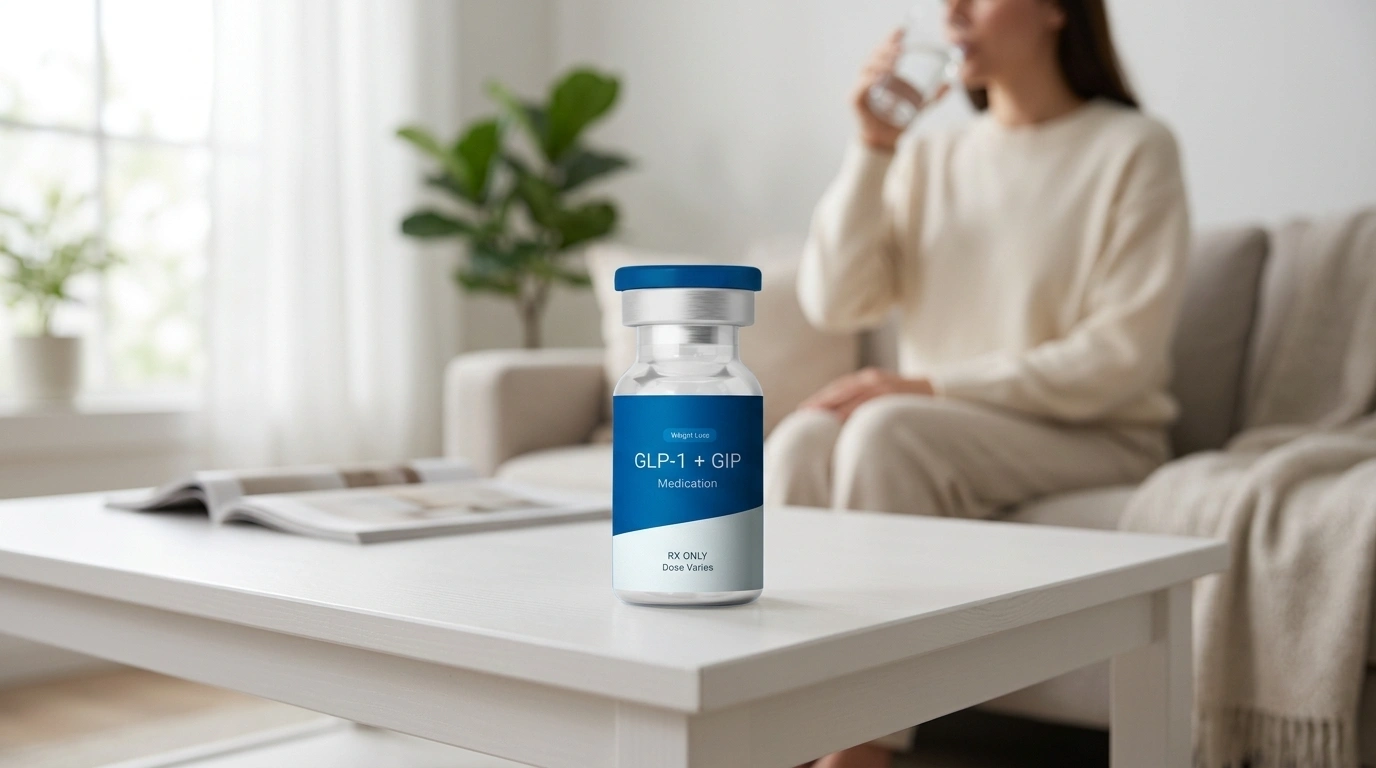
Table of Contents
- Introduction
- The Mechanics of the Zepbound Pen
- What the Injection Actually Feels Like
- The Best Injection Sites for Minimal Discomfort
- Pro Tips to Minimize Pain
- Managing Psychological Anxiety and Needle Phobia
- Common Post-Injection Sensations
- Personalized Weight Loss with TrimRx
- Understanding Compounded Alternatives
- Conclusion
- FAQ
Introduction
The transition to a new health routine often brings a mixture of hope and apprehension. For many individuals starting their weight loss journey, the primary source of anxiety isn’t the lifestyle changes or the clinical visits. Instead, it is the needle. If you have been prescribed Zepbound® (tirzepatide), it is entirely natural to ask: does the zepbound injection hurt? This question is one of the most common concerns we hear from people beginning their programs through TrimRx.
Fear of needles is a common human experience. However, modern medical technology has evolved significantly to prioritize patient comfort. This article will explain what the injection actually feels like, why the pen is designed the way it is, and provide practical steps to ensure your weekly dose is as painless as possible. We want to equip you with the knowledge to approach your treatment with confidence and ease. Our goal is to help you understand that while the idea of an injection may be daunting, the reality is often much more manageable than expected.
For a broader overview of the process, read our guide to how to inject tirzepatide at home.
The Mechanics of the Zepbound Pen
To understand why the injection sensation is so minimal, it helps to look at the engineering of the Zepbound® auto-injector pen. The manufacturer designed this device specifically for individuals who may have never self-administered medication before. It is a sophisticated piece of medical technology that removes most of the manual steps usually associated with shots.
The Hidden Needle Technology
One of the most significant features of the auto-injector pen is that you never actually see the needle. For people with needle phobia, the sight of a syringe can trigger a “fight or flight” response, which actually increases pain sensitivity. The needle remains tucked inside the clear base of the pen. It only emerges for a few seconds when the button is pressed and retracts automatically once the dose is delivered. This “blind” delivery system helps reduce psychological stress, making the physical sensation feel less intense.
For more detail about why some injections may feel like almost nothing, see what to do if you didn’t feel a Zepbound injection.
Needle Gauge and Size Explained
The needle used in these pens is incredibly thin. In medical terms, it is a high-gauge needle, typically a 32-gauge. For context, a 32-gauge needle is about the thickness of two or three strands of human hair. Because the needle is so fine, it creates a very small entry point in the skin. This significantly limits the activation of pain receptors. Unlike the needles used for blood draws or vaccinations in a doctor’s office, this needle is designed for subcutaneous delivery, meaning it only needs to reach the fatty tissue just beneath the skin.
What the Injection Actually Feels Like
Pain is subjective, but the vast majority of users describe the sensation as a minor pinch. It is helpful to compare the experience to other common sensations to demystify what you might feel.
The “Mosquito Bite” Comparison
The most common description of the Zepbound® injection is that it feels like a brief mosquito bite or a tiny rubber band flick. The sensation is sharp but fleeting, usually lasting only one or two seconds. Once the medication begins to flow, some users report a mild “pressure” or a slight cooling sensation, but rarely anything that would be classified as true pain.
You can also review what to expect from the Zepbound pen for additional comfort tips.
Subcutaneous vs. Intramuscular Injections
It is important to distinguish this injection from the shots you may have received in the past. Most vaccines, like the flu shot, are intramuscular. They go deep into the muscle tissue, which is dense and contains many nerve endings. This is why those shots often cause muscle soreness for a few days. Zepbound® is a subcutaneous injection. It goes into the “cushion” of fat under your skin. There are far fewer nerve endings in this layer, which is why the initial prick is less painful and there is typically no lingering muscle ache.
Quick Answer: Most users describe the Zepbound® injection as a minor sting or pinch that lasts less than two seconds. Because the needle is exceptionally thin and stays hidden within the pen, the experience is generally much less painful than a standard vaccination.
The Best Injection Sites for Minimal Discomfort
Where you choose to inject can play a large role in how much you feel the needle. The medication is approved for use in three primary areas: the abdomen, the thigh, and the back of the upper arm.
For a broader comparison of placement options, explore this GLP-1 injection site guide.
The Abdomen: Convenience and Fat Density
The stomach is the most popular site for self-injection. It typically has a higher concentration of subcutaneous fat, which provides a better cushion for the medication. To minimize discomfort, you should stay at least two inches away from your belly button. Many find the lower abdomen to be the least sensitive area because it is easier to reach and provides a stable surface for the pen.
The Thigh: Ease of Access
The outer thigh is an excellent alternative if you find the abdomen uncomfortable. It is a firm, accessible surface that is easy to see while sitting down. However, some people find the thigh slightly more sensitive than the stomach if they have less body fat in that specific area. If you choose the thigh, aim for the middle, outer portion where the tissue is softest.
The Upper Arm: Assistance Required
The back of the upper arm is a third option, but it is difficult to reach on your own. This site is usually only recommended if you have a partner or family member who can assist you. While the arm is generally not very sensitive, the lack of visibility for the person self-injecting can increase anxiety, which may make the sensation feel more pronounced.
Pro Tips to Minimize Pain
Even though the device is designed for comfort, there are several “hacks” you can use to make the process even easier. Following these steps can turn the injection from a source of worry into a simple, non-event in your weekly routine.
The “Room Temperature” Secret
One of the most common reasons for a “stinging” sensation during an injection is the temperature of the medication. Zepbound® must be stored in the refrigerator to maintain its stability. However, injecting cold liquid into warm tissue can cause a sharp burn.
We recommend taking your pen out of the refrigerator about 30 to 60 minutes before you plan to use it. Letting the pen reach room temperature does not harm the medication but makes the fluid much more comfortable as it enters the body.
For more information about injection burning and possible causes, read why tirzepatide may burn when injected.
Letting the Alcohol Dry
Before you inject, you must clean the site with an alcohol swab to prevent infection. A common mistake is injecting while the skin is still wet. If the needle carries liquid alcohol into the puncture site, it will cause a sharp, stinging sensation. Always wait about 30 seconds for the alcohol to air-dry completely before placing the pen against your skin.
Site Rotation and Tissue Health
Rotating your injection site is essential for both comfort and medication absorption. If you inject in the exact same spot every week, the tissue can become tough or develop small lumps called lipohypertrophy. This thickened skin can be more painful to inject and may prevent the medication from working correctly.
Key Takeaway: Use a “clock” method for your abdomen, moving to a different position each week. This ensures the skin has time to fully heal and remain soft, keeping future injections painless.
For additional technique guidance, review this complete tirzepatide self-injection guide.
Managing Psychological Anxiety and Needle Phobia
The mental anticipation of the “click” is often the hardest part of the process. The Zepbound® pen makes a distinct clicking sound when the injection starts and another when it finished. For some, this sound can cause a startle response.
To manage this, try practicing deep breathing. Inhale deeply as you unlock the pen, and exhale slowly as you press the purple button. This helps keep your muscles relaxed. A tensed muscle is much more sensitive to pain than a relaxed one. You can also use a distraction, such as listening to a favorite song or having a conversation with someone, to take your mind off the device.
If you are considering prescription treatment and want to understand whether you may qualify, complete a free eligibility assessment.
Common Post-Injection Sensations
It is normal to experience some minor sensations at the site after the needle is gone. Understanding what is normal can help prevent unnecessary worry.
Redness and Minor Swelling
Some individuals experience a small, red “wheal” or a tiny bump at the injection site. This is a common localized reaction as the body absorbs the liquid. It usually disappears within a few hours or a day. If it is itchy, a cold compress can provide immediate relief.
Bruising and Tenderness
Occasionally, the needle may hit a tiny capillary under the skin, resulting in a small bruise. This is not a cause for concern and does not mean the medication was delivered incorrectly. If you notice frequent bruising, try applying less pressure when holding the pen against your skin. The pen only needs a firm seal, not a heavy push, to function properly.
Personalized Weight Loss with TrimRx
Navigating the world of GLP-1 medications can feel overwhelming, especially when you are worried about the practicalities of treatment. At TrimRx, we believe that medical weight loss should be a supportive and transparent experience. Our platform connects you with licensed providers who understand these concerns and can offer guidance on everything from dosage to injection technique.
We focus on a personalized approach because every individual’s body and health history are different. Our mission is to provide you with the tools and clinical support needed to reach your goals without the stress of traditional office visits. By offering comprehensive programs that include doctor consultations and medication delivery, we ensure you have a dedicated team behind you every step of the way.
Understanding Compounded Alternatives
While many people use branded pens like Zepbound®, others may be prescribed compounded versions of the same active ingredient, tirzepatide. It is important to understand the differences in how these are administered.
Compounded Tirzepatide is prepared and shipped by FDA-registered and inspected compounding pharmacies. These medications are often provided in vials rather than auto-injector pens. This means you will use a traditional, very thin insulin syringe to draw and inject the medication yourself.
While using a syringe might seem more intimidating than a pen, many users actually find it gives them more control. The needles on insulin syringes are often even thinner than those in auto-injector pens. You can control the speed of the injection, which can further reduce any stinging. It is important to note that while the pharmacies are regulated, compounded medications are not FDA-approved in the same way branded products are.
For step-by-step help with this method, read how to inject tirzepatide at home.
Conclusion
So, does the zepbound injection hurt? For the vast majority of people, the answer is a resounding no. The combination of an ultra-fine needle, a hidden delivery system, and subcutaneous placement makes it one of the most comfortable medical injections available today. Any minor sting is usually over in seconds, and the long-term benefits of the medication far outweigh this brief moment of discomfort.
By following simple tips—like letting the medication reach room temperature and rotating your sites—you can make the process nearly imperceptible. At TrimRx, we are here to support your journey with science-backed programs and empathetic care. If you are ready to take the next step toward your health goals, take the free assessment quiz to see which personalized program is right for you.
FAQ
Which injection site is the least painful for Zepbound?
Most users find the abdomen to be the least painful site due to the higher concentration of fatty tissue. However, individual sensitivity varies, and some prefer the outer thigh for its ease of access and firm surface.
For more placement guidance, see this guide to choosing GLP-1 injection sites.
Can I use ice to numb the area before injecting?
Yes, you can apply an ice pack to the intended injection site for a minute or two before cleaning it with alcohol. This can temporarily numb the surface nerves, making the needle entry even less noticeable.
Why does my injection sting some weeks but not others?
Stinging is often caused by injecting the medication while it is still cold or by not allowing the alcohol prep pad liquid to dry completely. Ensuring the pen is at room temperature and the skin is dry will significantly reduce these occurrences.
Is the needle in the Zepbound pen long?
No, the needle is very short because it only needs to reach the subcutaneous fat layer just beneath the skin. It does not go into the muscle, which is why it is much smaller and less painful than many other types of injections.
If you are still deciding whether a prescription program is right for you, take the free assessment quiz.
Disclaimer: This content is for informational purposes only and does not constitute medical advice. It is not intended to diagnose, treat, cure, or prevent any disease or condition. Individual results may vary. Always consult a qualified healthcare professional before starting any weight loss program or medication.

Transforming Lives, One Step at a Time
Keep reading

Why Is There a Bruise Where I Injected My Zepbound?
A bruise means a small blood vessel was disturbed under the skin and blood spread into the surrounding tissue. It is one of the…
My Zepbound Pen Won’t Click Past a Certain Dose
Start by checking which device you are holding, because the answer depends entirely on that. Zepbound has commonly been supplied in the United States…
Zepbound Alternatives: Your Options Compared
If Zepbound isn’t the right fit, the main alternative is semaglutide (sold as Wegovy), which produces slightly less weight loss but works similarly, along…


