Does Wegovy Help with Alcohol Cravings?
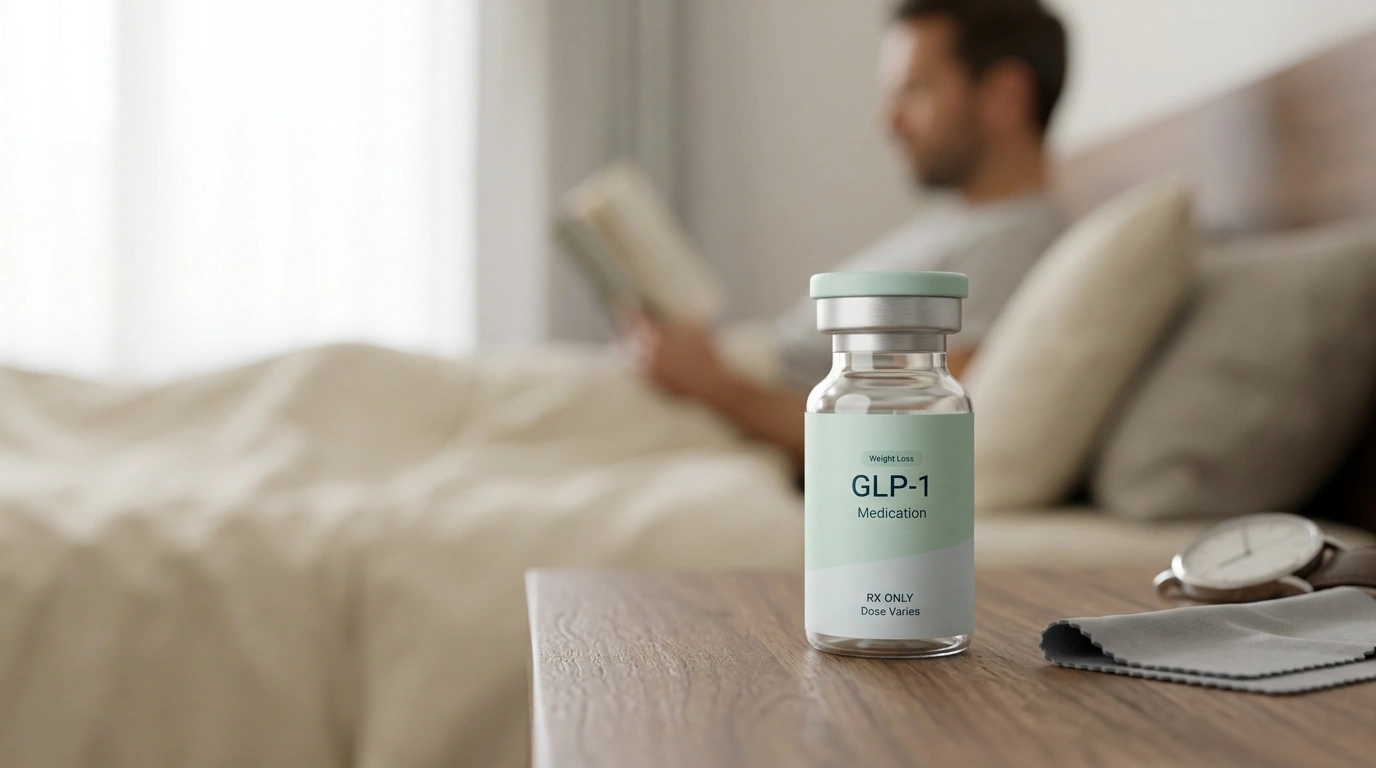
Table of Contents
- Introduction
- The Science of GLP-1 and the Brain
- What Recent Research Reveals
- The Concept of “Drink Noise”
- Safety Considerations: Mixing Alcohol and GLP-1s
- How to Navigate Social Situations
- How TrimRx Supports Your Journey
- Understanding the Options
- Next Steps for Sustainable Change
- Conclusion
- FAQ
Introduction
For many individuals embarking on a weight loss journey, the challenge is rarely just about what is on the dinner plate. It is often about the habits and “noise” that lead to extra calories, including the habitual evening glass of wine or a weekend cocktail. As GLP-1 medications like Wegovy become more common, a surprising trend has emerged: many people report a significant decrease in their desire to drink. At TrimRx, we believe in looking at the whole person, understanding how these medications interact with both physical hunger and psychological rewards. While Wegovy is primarily approved for chronic weight management, researchers are now looking closely at why it might also dampen the urge for alcohol. This article explores the current science behind how semaglutide interacts with the brain’s reward centers and what that means for your health goals. If you want to see whether a prescription program may be a fit, you can take the free assessment quiz.
The Science of GLP-1 and the Brain
To understand why a weight loss medication might affect alcohol consumption, we first need to look at how it functions in the body. Wegovy is a brand name for semaglutide, which belongs to a class of drugs called glucagon-like peptide-1 (GLP-1) receptor agonists. These medications mimic a hormone naturally produced in your gut that signals to your brain that you are full.
However, the receptors for this hormone are not just located in the digestive system. They are also found in parts of the brain responsible for reward and motivation, specifically the mesolimbic system. This area of the brain is often referred to as the “reward center.” It is the same region that responds to dopamine, the chemical that makes us feel good when we eat sugar, spend money, or consume alcohol.
The Reward Pathway
When a person consumes alcohol, the brain releases dopamine, reinforcing the behavior and creating a “craving” to repeat it. GLP-1 medications appear to modulate this pathway. By binding to receptors in the reward center, semaglutide may essentially “turn down the volume” on the pleasure signals associated with addictive substances.
For an individual who has struggled with both weight and alcohol intake, this change can feel significant. The “food noise”—the constant, intrusive thoughts about the next meal—often diminishes alongside “drink noise.” This dual effect can make it much easier to stick to a nutritional plan and reduce overall caloric intake from beverages. For a broader look at this mechanism, see how GLP-1 may influence alcohol cravings.
Key Takeaway: GLP-1 medications work beyond the gut by interacting with the brain’s reward system, potentially reducing the dopamine “hit” associated with both food and alcohol.
What Recent Research Reveals
While the connection between GLP-1 and alcohol is widely discussed by patients, the clinical community is still in the process of gathering definitive data. Most of the early evidence came from preclinical studies involving rodents. In these trials, animals treated with semaglutide showed a marked decrease in alcohol consumption and a reduced interest in seeking out alcohol.
Human Studies and Clinical Trials
Human evidence is currently growing through both observational studies and new clinical trials. Several large-scale analyses of electronic health records have suggested that patients taking semaglutide for diabetes or obesity have a lower incidence of alcohol-related problems compared to those on other treatments.
Researchers are currently conducting dedicated clinical trials to see if semaglutide can be officially used as a treatment for alcohol use disorder. These studies aim to determine if the medication can help people maintain abstinence or significantly reduce heavy drinking days. If you are interested in treatment options, the next step is to complete the assessment quiz and learn whether a personalized program may be appropriate for you.
Note: It is important to remember that while this research is promising, Wegovy is currently only FDA-approved for chronic weight management and reducing the risk of major cardiovascular events in specific populations. It is not approved as a treatment for alcohol use disorder.
The Concept of “Drink Noise”
Many people who use our platform at TrimRx describe a phenomenon where the mental effort required to say “no” to a drink simply disappears. This is similar to how the medication handles appetite. Under normal circumstances, someone trying to lose weight might spend a large portion of their day fighting cravings.
When the medication takes effect, that internal struggle often quiets down. This allows the individual to make conscious choices based on health goals rather than being driven by a biological urge for a dopamine spike. For another perspective on this pattern, you can read about post-GLP-1 alcohol moderation strategies.
Why This Matters for Weight Loss
Alcohol is often a hidden barrier to weight loss for several reasons:
- Empty Calories: Alcohol provides seven calories per gram, which adds up quickly without providing any nutritional value.
- Lowered Inhibitions: Drinking often leads to poorer food choices, as the brain’s executive function is dampened.
- Metabolic Impact: The body prioritizes processing alcohol over burning fat, which can stall weight loss progress.
If a medication like Wegovy helps reduce the desire for alcohol, it provides a secondary benefit that can accelerate an individual’s success in a weight management program.
Safety Considerations: Mixing Alcohol and GLP-1s
While a reduced craving for alcohol can be a positive side effect, there are important safety considerations when combining alcohol with GLP-1 medications. Both alcohol and semaglutide can affect the body in ways that may become uncomfortable or even dangerous when combined.
Gastrointestinal Sensitivities
The most common side effects of semaglutide are nausea, vomiting, and diarrhea. Alcohol is a known irritant to the stomach lining and can exacerbate these issues. For an individual taking a GLP-1 medication, even one or two drinks might lead to significant nausea or indigestion that they would not have experienced before starting the treatment.
Blood Sugar Risks
Semaglutide helps regulate blood sugar by encouraging the pancreas to release insulin when blood sugar is high. Alcohol can also cause fluctuations in blood glucose levels. When combined, there is a potential risk for hypoglycemia (low blood sugar), particularly in those who are also managing type 2 diabetes.
Pancreatitis and Dehydration
Both GLP-1 medications and heavy alcohol use are associated with an increased risk of pancreatitis, which is a serious inflammation of the pancreas. Furthermore, both can contribute to dehydration. If you are using a weight loss medication, it is vital to stay hydrated and consult with a healthcare provider about how much alcohol, if any, is safe for you to consume.
Important: If you experience severe abdominal pain, persistent nausea, or signs of dehydration, you should seek medical attention immediately and inform your provider of all medications you are taking.
How to Navigate Social Situations
If you find that your desire for alcohol has decreased while on a weight loss program, you may find social situations a bit different. It can be helpful to have a plan for how to handle events where alcohol is served.
- Choose Mocktails: Many social venues now offer sophisticated non-alcoholic options that allow you to hold a drink without the calories or the dopamine impact.
- Focus on the Food: Since your appetite is likely reduced, you can focus on high-quality, protein-rich appetizers that support your muscle mass during weight loss.
- Listen to Your Body: If you do choose to have a drink, sip it slowly. You may find that you don’t even want to finish it, which is a common experience for those on GLP-1 therapy.
How TrimRx Supports Your Journey
At TrimRx, we understand that weight loss is a multifaceted process. Our approach is not just about writing a prescription; it is about providing a supportive environment where you can navigate all the changes happening in your body and mind. We connect you with licensed providers who can help you understand the nuances of how medications like compounded semaglutide might affect your habits, including alcohol consumption.
Our personalized programs are designed to adapt to your unique health profile. Whether you are dealing with “food noise,” “drink noise,” or simply looking for a science-backed way to improve your metabolic health, our team is available 24/7 to provide guidance and support. We ensure that your journey is medically supervised and that you have the resources you need to achieve sustainable results. If you are ready to see whether treatment may be right for you, you can take the free assessment quiz.
Understanding the Options
When looking for professional weight loss support, it is helpful to know the different avenues available. Through our platform, patients can access various options depending on their needs and medical history.
Branded Medications
Medications like Wegovy, Ozempic, Mounjaro, and Zepbound are FDA-approved for specific uses, such as chronic weight management or the treatment of type 2 diabetes. These branded products are well-studied and have established efficacy for weight loss. While we do not dispense these branded products directly, the providers on our platform can discuss them with you and, if appropriate, provide a prescription that you can fill at your local pharmacy.
Compounded Medications
In some cases, a provider may determine that compounded semaglutide or compounded tirzepatide is a suitable option for a patient. These medications are prepared by FDA-registered and inspected compounding pharmacies. While compounded medications themselves are not FDA-approved, they use the same active ingredients found in branded versions and can offer a personalized alternative when there are shortages or specific patient needs.
The Importance of Supervision
Regardless of which path you take, medical supervision is non-negotiable. A healthcare provider will evaluate your BMI, your medical history, and your goals to ensure that a GLP-1 medication is safe for you. They will also monitor your progress and help you manage any side effects, including those related to changes in alcohol consumption or appetite. To see whether you qualify for a personalized plan, you can complete the free assessment quiz.
Next Steps for Sustainable Change
If you are curious about how these medications might help you manage your weight and potentially quiet the cravings that have held you back in the past, the best first step is to seek a professional evaluation.
Step 1: Complete the free assessment quiz. This helps us understand your health history and your specific weight loss goals.
Step 2: Consult with a licensed provider. You will have the opportunity to discuss your concerns, including how medication might interact with your lifestyle and habits.
Step 3: Receive a personalized plan. If you are eligible, a provider will create a program tailored to your needs, which may include medication, lab work, and ongoing support.
Step 4: Begin your treatment. With 24/7 access to specialists and a clear roadmap, you can start making the lifestyle changes necessary for long-term health.
Bottom line: While Wegovy is a weight loss tool, its impact on the brain’s reward centers can lead to a reduced interest in alcohol, which may further support your health and wellness goals.
Conclusion
The connection between Wegovy and reduced alcohol cravings is a fascinating area of modern metabolic science. By interacting with the brain’s reward system, semaglutide does more than just slow down digestion; it may actually help silence the compulsive urges that lead to overconsumption of both food and alcohol. At TrimRx, our mission is to help you embrace a healthier lifestyle through a transparent, personalized approach. We are here to guide you through every step of this process, ensuring you have the medical expertise and empathetic support needed for a sustainable transformation. By addressing the biological roots of cravings, we help you take back control of your health. If you are ready to move forward, start with the assessment quiz.
FAQ
Is Wegovy officially approved to treat alcoholism?
No, Wegovy is currently FDA-approved only for chronic weight management and reducing the risk of major cardiovascular events in adults with obesity or overweight. While research is ongoing regarding its effect on alcohol use disorder, any use for this purpose is considered “off-label” and should be managed by a healthcare provider.
Why do I feel less like drinking since starting semaglutide?
Semaglutide works on the reward centers of your brain, which are responsible for the pleasure you feel when consuming things like sugar or alcohol. By modulating these pathways, the medication can reduce the dopamine “reward” you get from a drink, making the habit feel less appealing or necessary. For additional context, see what GLP-1 support is and how it fits into weight loss.
Can I safely drink alcohol while taking a GLP-1 medication?
Moderate alcohol consumption may be safe for some, but it can significantly increase the risk of side effects like nausea, vomiting, and dehydration. It can also affect your blood sugar levels. You should always discuss your alcohol intake with your healthcare provider before starting a medication like Wegovy. If you are deciding whether to begin a program, you can take the free assessment quiz.
Will my alcohol cravings return if I stop the medication?
Research suggests that the effects of GLP-1 medications on appetite and cravings are most effective while the medication is being used. If you stop the medication without having established new lifestyle habits and coping mechanisms, it is possible that cravings for food or alcohol could return. If you want to compare this experience with another patient perspective, read how semaglutide may influence alcohol cravings.
Disclaimer: This content is for informational purposes only and does not constitute medical advice. It is not intended to diagnose, treat, cure, or prevent any disease or condition. Individual results may vary. Always consult a qualified healthcare professional before starting any weight loss program or medication.

Transforming Lives, One Step at a Time
Keep reading
Can the Wegovy Pill Hold the Weight You Lost on Semaglutide Injections?
Most likely yes, once you reach the maintenance dose. The risk is not the destination but the trip: switching means restarting titration on the…
Wegovy Alternatives: What Else Works for Weight Loss
If Wegovy isn’t working out, the strongest alternative is tirzepatide (Zepbound), which tends to produce more weight loss, followed by other GLP-1 options and…

VK2735 vs Wegovy: Investigational Contender vs Proven Semaglutide
VK2735 and Wegovy sit at different stages of development. VK2735, an investigational drug from Viking Therapeutics, comes in both injectable and oral forms and…


