Does Wellbutrin Cause Hair Loss? What to Expect
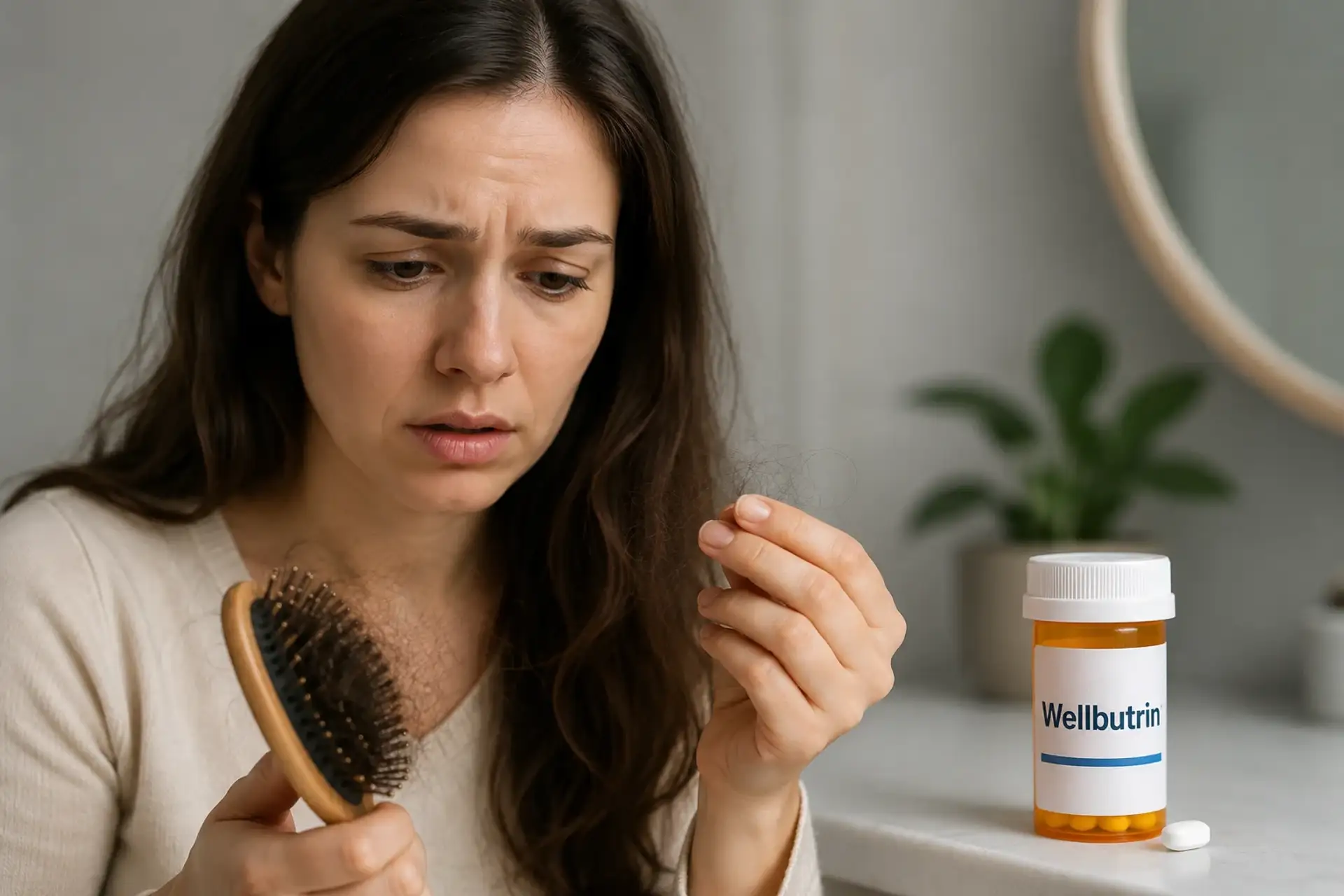
Does Wellbutrin cause hair loss? It’s a question that may come up when you notice increased shedding or changes in your hair after starting bupropion. Although hair loss is not considered one of the most common side effects of Wellbutrin, some people may experience changes in hair growth or shedding while taking the medication. There can also be other reasons for hair loss, including stress, hormonal changes, nutritional deficiencies, genetics, and other medications.
In this guide, we’ll look at the potential link between Wellbutrin and hair loss, how common it may be, what other factors to consider, and what you can do if you notice unusual shedding.
Understanding Wellbutrin and How It Works
Wellbutrin is the brand name for bupropion, an antidepressant medication that works differently from most others in its class. While many antidepressants are selective serotonin reuptake inhibitors, Wellbutrin affects dopamine and norepinephrine instead. Doctors prescribe it for depression, seasonal affective disorder, and smoking cessation. It is also sometimes used off label alongside weight loss programs because it tends to be weight neutral or even linked to modest weight loss, which is one reason people researching treatments at TrimRx often take Wellbutrin already.
Like any medication, Wellbutrin can cause side effects. The more common ones include dry mouth, trouble sleeping, headaches, and nausea. Hair thinning is not on the list of frequent complaints, but it is a documented side effect of Wellbutrin that deserves a closer look.
So, Does Wellbutrin Cause Hair Loss?

Yes, Wellbutrin can cause hair loss in some people, but Wellbutrin hair loss is rare. Clinical data and case reports show that a small percentage of Wellbutrin users experience hair loss while taking the medication. It is classified as an infrequent or rare side effect of Wellbutrin rather than a common side effect of Wellbutrin.
To put that in perspective, most people who take Wellbutrin will never experience hair loss from Wellbutrin at all. Estimates from post marketing reports suggest that well under 1 percent of users report noticeable hair shedding. Still, if you are one of the people dealing with hair loss on Wellbutrin, statistics do not matter much. What matters is understanding why it happens and what your options are.
What Type of Hair Loss Does Wellbutrin Cause?
The type of hair loss most often linked to Wellbutrin is called telogen effluvium. This is a condition where hair follicles shift prematurely from the growing phase into the resting phase of the hair cycle. A few months later, those resting hairs shed all at once, leading to diffuse hair shedding across your entire scalp rather than bald patches.
Here is what that looks like in real life. You might notice more hair on your pillow, a fuller hairbrush than usual, or diffuse hair thinning that makes your ponytail feel thinner. This is different from pattern baldness, which follows a specific shape and is driven by genetics and hormones.
Drug induced hair loss like telogen effluvium typically shows up two to four months after starting Wellbutrin or after a dose increase. That delay confuses a lot of people, because they do not connect the hair fall to a medication they started weeks or months ago.
How Common Is Hair Loss with Wellbutrin?
When people ask how common is hair loss with this drug, the answer requires some nuance. Hair loss with Wellbutrin is reported less often than with some other antidepressants, but it does happen. Some research comparing hair loss with different antidepressants found that bupropion carried a higher risk of hair loss than selective serotonin reuptake inhibitors like fluoxetine or sertraline. One large study suggested people taking bupropion reported hair loss more often than people on several other antidepressant options.
That said, the absolute risk of hair loss stays low. Think of it this way: even if bupropion ranks higher than other antidepressants in some comparisons, the vast majority of people who take Wellbutrin never experience hair loss as a side effect.
Who Is at Higher Risk of Hair Loss?
Certain factors may put you at a higher risk of hair loss while on this medication:
- Higher doses. Some reports suggest hair loss associated with Wellbutrin is more likely at higher daily doses.
- Rapid weight loss. Since Wellbutrin can reduce appetite, fast weight loss can itself trigger telogen effluvium, making it hard to know if Wellbutrin is the cause.
- Nutritional gaps. Low iron, low protein, or low zinc can weaken the hair follicle and worsen any drug related shedding.
- Thyroid issues. An underactive thyroid is a common cause of hair loss that can overlap with medication effects.
- Recent stress or illness. Physical stress pushes hair into the resting phase, just like medications can.
This overlap is exactly why blaming Wellbutrin right away is not always correct. Your doctor can help sort out what is actually causing your hair loss.
Is Wellbutrin Hair Loss Permanent?
This is usually the first fear people have, so let us address it directly. Wellbutrin hair loss permanent damage is extremely unlikely. In almost all reported cases, hair loss is usually temporary. Telogen effluvium does not destroy the hair follicle. It just disrupts the hair growth cycle, and the follicle stays alive and capable of producing new hair.
Once the trigger is removed, whether that means adjusting your dose, switching medications, or correcting a nutritional deficiency, hair regrowth typically begins within three to six months. Full recovery of your previous density can take six months to a year because scalp hair grows slowly, roughly half an inch per month.
Permanent hair loss from Wellbutrin is not something the medical literature supports as a typical outcome. If your thinning hair continues long after stopping the medication, another cause of hair loss is probably at play and worth investigating.
How the Hair Growth Cycle Explains the Shedding
Understanding the natural hair growth cycle helps make sense of why hair loss related to Wellbutrin happens the way it does. Your hair moves through three main phases:
- Anagen (growth phase). About 85 to 90 percent of your hair is actively growing at any time. This phase lasts years.
- Catagen (transition phase). A short two to three week period where growth stops.
- Telogen (resting phase). Around 10 to 15 percent of hairs rest here for about three months before shedding to make room for new hair.
Losing 50 to 100 hairs a day is part of the natural hair cycle and nothing to worry about. The problem starts when something pushes a large number of follicles into the resting phase at once. Medications, including Wellbutrin, can act as that trigger. The result is excessive hair shedding a few months later, sometimes called acute hair shedding or acute telogen effluvium.
The good news built into this cycle is that every shed hair is replaced. Your follicles are not gone. They are waiting for the signal to grow hair again.
What to Do If You Notice Hair Loss While on Wellbutrin
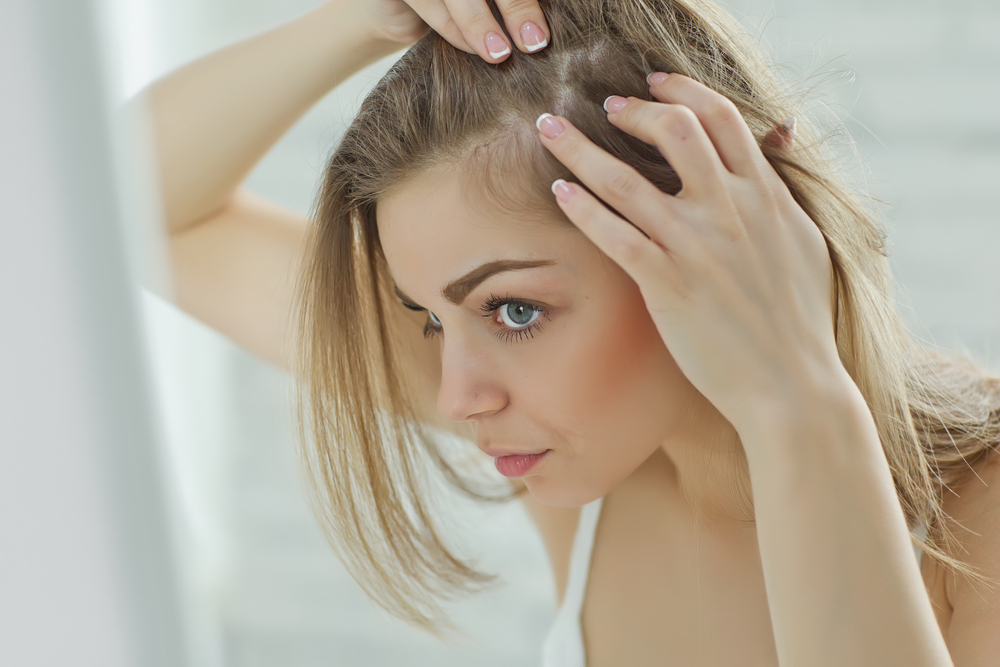
If you suspect Wellbutrin is causing your hair to thin, here is a practical step by step approach.
1. Do Not Stop Taking Wellbutrin on Your Own
This point cannot be stressed enough: don’t stop taking Wellbutrin suddenly. Abruptly stopping an antidepressant can cause withdrawal symptoms and a return of depression, which brings its own stress and can actually worsen hair shedding. Always talk to your prescriber first.
2. Track What You Are Seeing
Take photos of your scalp and hairline every couple of weeks. Note when the shedding started and whether it lines up with starting Wellbutrin or a dose change. This timeline helps your doctor figure out whether Wellbutrin is the cause or whether something else triggered the shedding.
3. Rule Out Other Causes
Ask your doctor about checking your thyroid, iron levels, vitamin D, and other basics. Many people who assume their medication is causing their hair loss discover an iron deficiency or thyroid problem instead. If you have also been losing weight quickly, that alone could explain diffuse hair loss.
4. Talk About Adjusting Your Treatment
If your doctor agrees the shedding is likely linked to Wellbutrin, you have options. Lowering the dose sometimes resolves the issue. Switching to an antidepressant with lower rates of hair loss is another path. Many people find an alternative that treats their depression just as well without the hair shedding side effect.
Supporting Hair Health and Regrowth
While you and your doctor sort out the cause, you can support your hair health from a few angles.
Gentle Hair Care Practices
During a shedding phase, treat your hair kindly. Gentle hair care practices include using a wide tooth comb, skipping tight ponytails and braids, limiting heat styling, and avoiding harsh chemical treatments. These steps will not stop telogen effluvium, but they prevent hair loss from breakage on top of the shedding you already have.
Nutrition and Hair Supplements
Hair is made of protein, so make sure you eat enough of it. Iron, zinc, biotin, and vitamin D all play roles in the hair growth cycle. If bloodwork shows a deficiency, hair supplements can help correct it. Be realistic, though: supplements only promote hair growth when a deficiency exists. Taking extra biotin when your levels are normal will not speed up hair regrowth.
Medical Treatments for Regrowth
If shedding is significant, your doctor might suggest minoxidil, an over the counter treatment shown to promote hair growth and shorten the shedding phase. In severe or prolonged cases, a dermatologist can offer more targeted options. A hair transplant is almost never needed for drug induced hair loss, since the hair loss is usually temporary, but it remains an option for people with unrelated pattern hair loss who want a permanent fix.
The Bigger Picture: Mental Health Comes First
It is worth stepping back for a moment. If Wellbutrin is working well for your depression, that benefit matters enormously. Untreated depression itself is associated with hair loss through chronic stress, poor sleep, and disrupted eating. Some people who experience hair loss while on Wellbutrin find that the stress of their underlying condition played a bigger role than the medication.
This does not mean you should ignore thinning hair. It means the goal is balance. Work with your doctor to protect both your mental health and your hair, rather than treating it as an either or choice. For most people, a solution exists that keeps both intact.
Conclusion
So, does Wellbutrin cause hair loss? It can, but hair loss associated with Wellbutrin is a rare side effect, usually shows up as temporary telogen effluvium, and almost never leads to permanent hair loss. If you notice excessive hair shedding after starting Wellbutrin or changing your dose, do not panic and do not quit the medication cold turkey. Track your symptoms, rule out other causes like thyroid issues or nutritional gaps, and have an honest conversation with your prescriber about dose adjustments or alternatives. With the right plan, most people see their hair regrow fully within months. At TrimRx, we believe understanding your medications is part of taking care of your whole self, and that includes your hair.
Frequently Asked Questions
How long after starting Wellbutrin does hair loss begin?
Hair loss from Wellbutrin usually appears two to four months after starting the medication or increasing the dose. This delay happens because the drug pushes hairs into the resting phase first, and those hairs only shed weeks later when new hair starts growing underneath them.
Will my hair grow back if Wellbutrin is causing it to fall out?
In the vast majority of cases, yes. Wellbutrin hair loss is typically telogen effluvium, which does not damage the hair follicle. Once the trigger is addressed, whether through a dose change, a medication switch, or correcting a deficiency, hair regrowth usually begins within three to six months.
Should I stop Wellbutrin if I notice hair shedding?
No, you should not stop Wellbutrin without talking to your doctor. Stopping suddenly can cause withdrawal symptoms and a return of depression, and the stress of that can make hair shedding worse. Your doctor can help you taper safely or switch medications if needed.
Is Wellbutrin more likely to cause hair loss than other antidepressants?
Some studies comparing hair loss with different antidepressants suggest bupropion carries a somewhat higher risk than selective serotonin reuptake inhibitors. However, the overall risk of hair loss with any antidepressant remains low, and individual responses vary widely.
Can I prevent hair loss while taking Wellbutrin?
You cannot guarantee prevention, but you can lower your risk. Eat enough protein, keep your iron and vitamin D levels healthy, manage stress, follow gentle hair care practices, and avoid rapid weight loss. If shedding starts anyway, catching it early and working with your doctor gives you the best chance of a quick recovery.

Transforming Lives, One Step at a Time
Keep reading

Does Rapid Weight Loss on Tirzepatide Affect Bone Density?
Bone density does fall during weight loss, and that is established regardless of how the weight comes off. What is less settled is whether…

Is Wellbutrin an SSRI? What You Need to Know
If you’re wondering, “Is Wellbutrin an SSRI?” you’re not alone. Wellbutrin (bupropion) is an antidepressant, but it works differently from common SSRIs by primarily…

How Long Does It Take for Bupropion to Work?
If you just got a prescription for bupropion, you probably want to know one thing: when will you start feeling better? It’s a fair…


