Is Wellbutrin an SSRI? What You Need to Know

If you’re wondering, “Is Wellbutrin an SSRI?” you’re not alone. Wellbutrin (bupropion) is an antidepressant, but it works differently from common SSRIs by primarily affecting norepinephrine and dopamine rather than serotonin. Understanding this difference can help you make sense of how it works, its common uses, and how it compares with other treatment options. Wellbutrin is not an SSRI. It belongs to a different class of antidepressant entirely, and that difference matters more than you might think.
This guide explains what Wellbutrin actually is, how it works compared to SSRIs, what side effects to expect, and how to decide if it might be the right fit for you.
What Is Wellbutrin?
Wellbutrin is an antidepressant that contains the active ingredient bupropion hydrochloride. It has been used to treat depression for decades and remains one of the most prescribed antidepressant medications in the United States.
The uses of Wellbutrin go beyond depression. Doctors prescribe it for several conditions, including:
- Major depressive disorder
- Seasonal affective disorder
- Smoking cessation (under the brand name Zyban)
- Off label support for certain anxiety disorders and attention deficit concerns
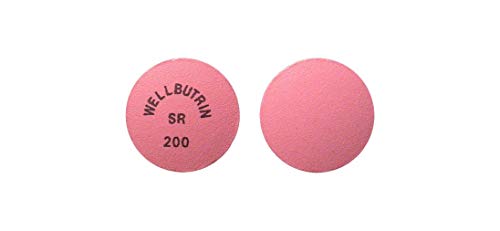
Wellbutrin comes in three forms. The immediate release version is taken multiple times per day. Wellbutrin SR (sustained release) is typically taken twice daily. Wellbutrin XL (extended release) is taken once daily, usually in the morning. Your doctor will choose the form of Wellbutrin based on your symptoms, schedule, and how your body responds.
Is Wellbutrin an SSRI?
No, Wellbutrin is not an SSRI. This is one of the most important things to understand before you take Wellbutrin, because it explains why this medication behaves differently from drugs like sertraline, fluoxetine, or escitalopram.
What Is an SSRI?
SSRI stands for selective serotonin reuptake inhibitor. SSRIs work by blocking the reabsorption of serotonin in your brain, which raises serotonin levels in the brain and helps improve mood. Selective serotonin reuptake inhibitors are the most commonly prescribed type of antidepressant and include medications like:
- Sertraline (Zoloft)
- Fluoxetine (Prozac)
- Escitalopram (Lexapro)
- Paroxetine (Paxil)
- Citalopram (Celexa)
So What Type of Antidepressant Is Wellbutrin?
Wellbutrin is an NDRI, which stands for norepinephrine and dopamine reuptake inhibitor. Instead of targeting serotonin, bupropion works on two different brain chemicals: norepinephrine and dopamine. By slowing the reuptake of these chemicals, Wellbutrin increases their availability in your brain, which can improve mood, energy, focus, and motivation.
This explains why Wellbutrin often feels different from other antidepressants. People who felt emotionally flat or sluggish on an SSRI sometimes respond better to a medication like Wellbutrin because dopamine and norepinephrine play a bigger role in energy and drive.
Differences Between Wellbutrin and SSRIs

Understanding the differences between Wellbutrin and SSRIs helps you know what to expect from each option. Here is how they compare.
How They Work
SSRIs target serotonin alone. An SNRI (serotonin and norepinephrine reuptake inhibitor) targets serotonin and norepinephrine. Wellbutrin targets norepinephrine and dopamine, with almost no direct effect on serotonin. This is the core of what makes Wellbutrin different from SSRIs.
Side Effect Profiles Compared
When you look at side effect profiles compared side by side, some clear patterns emerge:
Common SSRI side effects:
- Nausea and digestive upset
- Sexual side effects, including low libido and difficulty with arousal or orgasm
- Weight gain over time
- Drowsiness or fatigue
- Emotional blunting
Common side effects of Wellbutrin:
- Dry mouth
- Insomnia, especially if taken too late in the day
- Headache
- Nausea early in treatment
- Increased heart rate or mild anxiety in some people
One major reason a doctor may prescribe Wellbutrin is that it causes fewer sexual side effects than SSRIs. For many people, sexual side effects and weight gain are the reasons they stop taking an SSRI. Wellbutrin is less likely to cause either problem, and some people even notice modest weight loss during Wellbutrin treatment.
Energy and Activation
SSRIs can be calming, which helps if anxiety is your main concern. Wellbutrin tends to be more activating, which can help if your symptoms of depression include low energy, brain fog, or trouble getting out of bed. On the flip side, Wellbutrin may increase anxiety in people who are already prone to it, at least during the first few weeks.
Who Should Consider Wellbutrin?
Your healthcare provider might suggest Wellbutrin if:
- You tried an SSRI or SNRI and struggled with sexual side effects and weight gain
- Your depression comes with fatigue, low motivation, or trouble concentrating
- You want help with smoking cessation along with mood support
- You experience seasonal affective disorder during the winter months
- You need an antidepressant medication that will not cause drowsiness
Sometimes doctors combine Wellbutrin and SSRIs. Wellbutrin and SSRIs are used together when one medication alone does not fully relieve symptoms, or when adding Wellbutrin helps counter the sexual side effects of an SSRI. Never combine medications on your own. This decision belongs with your prescriber.
Who Should Avoid Wellbutrin?
Wellbutrin is not right for everyone. You should tell your healthcare provider about all your health conditions before starting, especially if you have:
- A seizure disorder or a history of seizures
- An eating disorder such as bulimia or anorexia
- Bipolar disorder
- Severe liver problems
- A recent history of abruptly stopping alcohol or sedatives
The seizure risk is the most serious concern with bupropion. The risk stays low at normal doses but rises significantly at higher doses or in people with risk factors. This is why following the proper usage of Wellbutrin and never exceeding your prescribed Wellbutrin dosage matters so much.
How to Take Wellbutrin Safely
Getting the most out of your medication starts with using it correctly.
Dosing Basics
Your doctor will typically start you on a low dose and increase it gradually. You can take Wellbutrin with or without food, though taking it with a meal may help if you notice nausea. For Wellbutrin XL, take it in the morning to reduce the chance of insomnia. For Wellbutrin SR, space your doses at least eight hours apart. Information for Wellbutrin SR and XL always emphasizes swallowing tablets whole. Never crush, split, or chew them, because this releases the medication too quickly and raises your seizure risk.
Alcohol and Wellbutrin
You should avoid or strictly limit alcohol while taking Wellbutrin. Alcohol can increase your risk of side effects, lower your seizure threshold, and work against the antidepressant effects of the medication. If you drink regularly, be honest with your doctor before you start.
How Long Until It Works?
Like most antidepressants, Wellbutrin takes time. You might notice small improvements in energy or sleep within one to two weeks, but the full effects usually take four to six weeks, sometimes longer. Do not stop taking it because you feel nothing after a few days.
What Happens If You Miss a Dose or Take Too Much?
If you miss a dose, take it when you remember unless your next dose is close. Never double up. A Wellbutrin overdose is a medical emergency and can cause seizures, hallucinations, rapid heartbeat, and loss of consciousness. If you suspect an overdose, call emergency services or poison control right away.
Wellbutrin During Pregnancy
Deciding whether to take Wellbutrin while pregnant is a personal choice you should make with your healthcare provider. Untreated depression carries its own risks during pregnancy, including poor prenatal care and postpartum depression. Research on Wellbutrin during pregnancy has not shown a strong link to birth defects, but data is more limited than for some SSRIs. Your doctor will weigh the risks of the medication against the risks of untreated depression to help you decide what is best for you and your baby.
Serious Side Effects to Watch For
Most people tolerate Wellbutrin well, but serious side effects can occur. Contact your healthcare provider immediately or seek emergency care if you experience:
- Seizures
- Signs of an allergic reaction, such as rash, swelling, or trouble breathing
- New or worsening suicidal thoughts, especially in the first weeks of treatment or after a dose change
- Severe agitation, aggression, or unusual behavior changes
- Eye pain or vision changes, which can signal angle closure glaucoma
- Mania symptoms like racing thoughts, little need for sleep, or risky behavior
Report any side effect that worries you, even if it seems minor. Small adjustments to your dose or the timing of your medication often resolve early problems.
Wellbutrin vs SSRIs: Which One Is Right for You?
The Wellbutrin vs SSRIs question has no universal answer. The best antidepressant is the one that matches your specific symptoms, health history, and lifestyle. Here are some general patterns:
- If low energy, poor focus, and sexual side effects are your main concerns, Wellbutrin may be a strong option.
- If anxiety disorders accompany your depression, an SSRI or SNRI might work better, since Wellbutrin may increase anxiety in some people.
- If you want to quit smoking while treating depression, Wellbutrin offers a double benefit.
- If one medication fails, do not give up. Many people need to try two or three options, or a combination, before finding the right treatment plan.
At TrimRx, we encourage you to bring this information to your next appointment. A good conversation with your healthcare provider, built on honest details about your symptoms and past medication experiences, is the fastest path to feeling better.
Conclusion
So, is Wellbutrin an SSRI? No. Wellbutrin is an antidepressant in a class of its own, a norepinephrine and dopamine reuptake inhibitor that works on dopamine and norepinephrine rather than serotonin. That single difference shapes everything else: it explains why Wellbutrin often boosts energy instead of causing drowsiness, why it causes fewer sexual side effects, and why it is less likely to lead to weight gain than most SSRIs.
Whether Wellbutrin is right for you depends on your symptoms, your health conditions, and how you have responded to other medications. Talk openly with your healthcare provider, give the medication time to reach its full effects, and never adjust your dose on your own. With the right approach, relief from depression is absolutely within reach.
Frequently Asked Questions
Is Wellbutrin an SSRI or an SNRI?
Neither. Wellbutrin is an NDRI, a norepinephrine and dopamine reuptake inhibitor. Unlike a selective serotonin reuptake inhibitor, it has almost no effect on serotonin. Instead, bupropion works by increasing dopamine and norepinephrine activity in your brain.
Does Wellbutrin cause weight gain or sexual side effects?
Wellbutrin is less likely than SSRIs to cause sexual side effects and weight gain. In fact, many people experience no sexual side effects at all, and some notice mild weight loss. This is one of the main reasons doctors prescribe it as an alternative to Wellbutrin’s SSRI counterparts when those side effects become a problem.
Can I drink alcohol while taking Wellbutrin?
It is best to avoid alcohol while taking Wellbutrin. Alcohol raises your risk of side effects, including seizures, and can worsen depression. If you drink heavily, do not stop suddenly on your own, because abrupt alcohol withdrawal combined with bupropion also raises seizure risk. Talk to your doctor first.
How long does Wellbutrin take to work?
Most people notice early improvements in energy and sleep within one to two weeks. The full antidepressant effects typically take four to six weeks. Stick with your prescribed Wellbutrin dosage and check in with your healthcare provider if you feel no change after six to eight weeks.
Can Wellbutrin make anxiety worse?
Wellbutrin may increase anxiety in some people, especially during the first few weeks of treatment. This often fades as your body adjusts. If your depression comes with significant anxiety disorders, your doctor might choose an SSRI or SNRI instead, or pair a low dose of Wellbutrin with another medication. Always report worsening anxiety to your prescriber rather than stopping the medication abruptly.

Transforming Lives, One Step at a Time
Keep reading

Does Rapid Weight Loss on Tirzepatide Affect Bone Density?
Bone density does fall during weight loss, and that is established regardless of how the weight comes off. What is less settled is whether…

Does Wellbutrin Cause Hair Loss? What to Expect
Does Wellbutrin cause hair loss? It’s a question that may come up when you notice increased shedding or changes in your hair after starting…

How Long Does It Take for Bupropion to Work?
If you just got a prescription for bupropion, you probably want to know one thing: when will you start feeling better? It’s a fair…


