Does Zepbound Affect Sleep? Impact and Management Tips
Introduction
Starting a weight loss journey often brings a mix of excitement and a long list of questions. You might be focusing on how your appetite will change or how much weight you can expect to lose, but many individuals soon find themselves wondering about other aspects of their daily lives—specifically, their rest. If you have found yourself lying awake at 2:00 AM after starting your medication, you are not alone. “Does Zepbound affect sleep?” is a common question for those beginning their treatment.
At TrimRx, we believe that understanding your body’s response to medication is the first step toward a successful transformation. While Zepbound (tirzepatide) is a powerful tool for chronic weight management, its interaction with your sleep cycle can be complex. This article will explore why these sleep changes happen, the difference between temporary side effects and long-term benefits, and how you can manage your rest while on a personalized weight loss program. If you want to see whether a treatment plan is the right next step, you can take the free assessment quiz.
Quick Answer: Zepbound may affect sleep in several ways, most commonly causing insomnia or increased fatigue in some patients. While clinical trials noted sleep disturbances as a potential side effect, many users also report long-term improvements in sleep quality, such as reduced symptoms of obstructive sleep apnea, as they lose weight.
Understanding Zepbound and Your Body
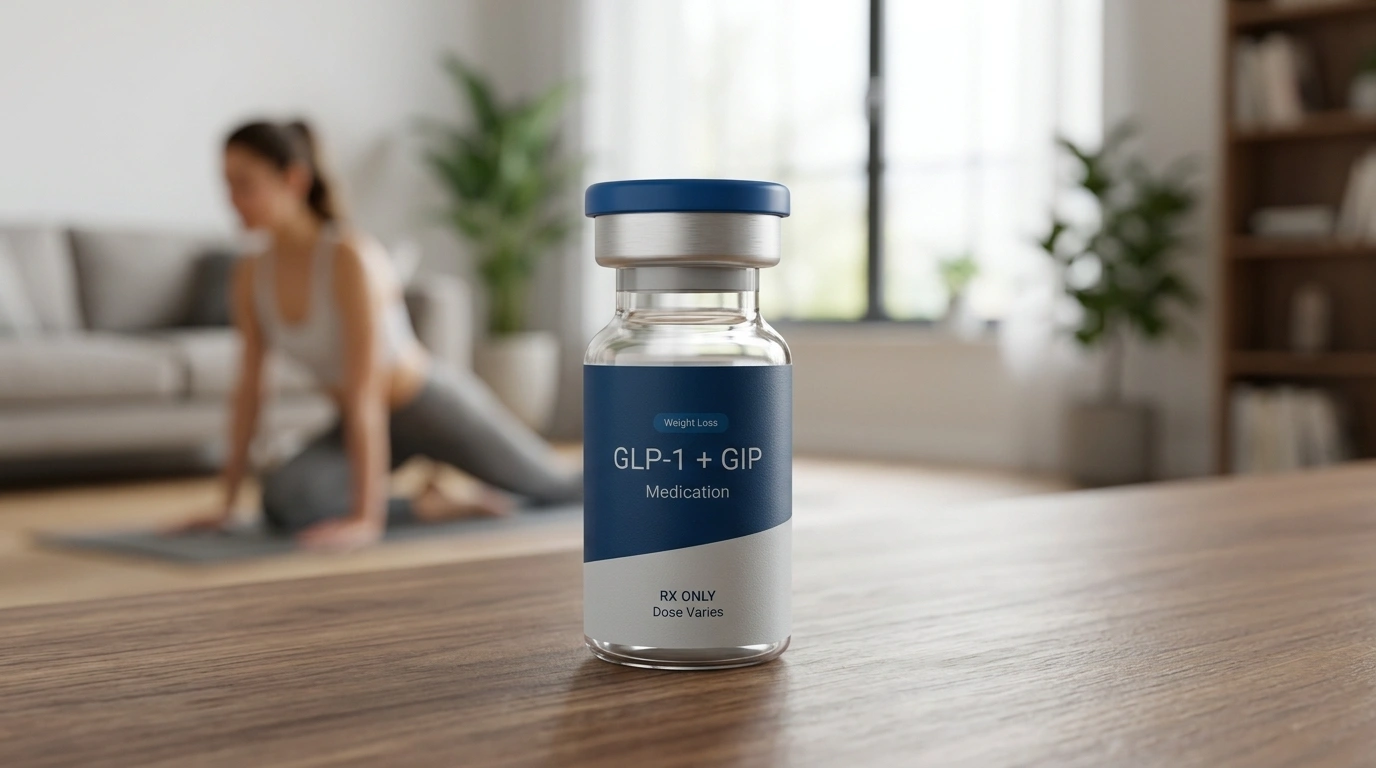
Before diving into the specifics of sleep, it is helpful to understand what Zepbound is and how it works within your system. Zepbound is a brand-name medication that contains the active ingredient tirzepatide. Tirzepatide is a dual receptor agonist, which means it mimics two natural hormones in your body: glucagon-like peptide-1 (GLP-1) and glucose-dependent insulinotropic polypeptide (GIP). If you want a broader foundation on this medication class, our What Are GLP-1 Medications? guide is a helpful place to start.
These hormones are naturally released by your intestines when you eat. They help regulate your blood sugar, slow down how quickly your stomach empties, and signal to your brain that you are full. By mimicking both GLP-1 and GIP, tirzepatide offers a dual approach to weight management. However, because these receptors are found not just in the gut but also in areas of the brain that regulate sleep and energy, it is natural for your rest patterns to shift during treatment.
Common Sleep Disturbances Reported
When starting a medication like tirzepatide, the body goes through a significant period of adjustment. During this time, the central nervous system and metabolic processes are recalibrating. For some, this leads to noticeable changes in how they sleep.
Insomnia and Difficulty Falling Asleep
Insomnia is one of the most frequently discussed sleep-related side effects among those taking tirzepatide. In clinical trials for Zepbound, a small but notable percentage of participants reported difficulty falling or staying asleep. This often manifests as a “tired but wired” feeling—your body may feel exhausted from the day’s activities, but your mind remains alert and active when your head hits the pillow.
Vivid or Intense Dreams
Many individuals report an increase in vivid or unusual dreams after starting their medication. While not officially categorized as a primary side effect in all clinical literature, anecdotal evidence from patient communities suggests it is a common experience. This shift in dream intensity may be related to changes in REM (Rapid Eye Movement) sleep or how the medication interacts with the brain’s neurotransmitters.
Daytime Fatigue
Paradoxically, while some struggle to sleep at night, others experience profound fatigue during the day. This is often more common during the first few weeks of treatment or after a dosage increase. This fatigue can stem from the body using extra energy to adjust to the medication, or it may be a secondary effect of not getting enough high-quality sleep during the night. For a deeper look at this pattern, our Is Insomnia a Side Effect of Zepbound? explainer covers the topic in more detail.
Why Zepbound May Affect Sleep
Understanding the “why” behind sleep disturbances can help alleviate the anxiety that often accompanies a restless night. Several biological and physiological factors may be at play when Zepbound affects your sleep.
Impact on the Central Nervous System
The receptors that tirzepatide targets are present in the hypothalamus, a part of the brain that regulates both appetite and sleep-wake cycles. By activating these receptors to suppress hunger, the medication may also inadvertently stimulate the “wakefulness” pathways in the brain. For some, this leads to a heightened state of alertness that makes it difficult to settle down for the evening. If you are comparing common sleep-related patterns, our Does Zepbound Affect Sleep? guide is another useful resource.
Blood Sugar Fluctuations
Because tirzepatide is highly effective at regulating insulin and blood sugar, your body may experience lower glucose levels than it is used to, especially if you are eating significantly less. If blood sugar drops too low during the night (mild hypoglycemia), the body may release cortisol and adrenaline to compensate. These “stress hormones” can wake you up suddenly or cause restless, shallow sleep.
Gastrointestinal Discomfort
One of the most common side effects of GLP-1 and GIP medications is slowed gastric emptying. This means food stays in your stomach longer. If you eat a heavy meal too close to bedtime, you may experience:
- Acid reflux or heartburn
- Nausea
- Bloating
- General stomach discomfort
Any of these physical symptoms can make it physically uncomfortable to lie flat, leading to disrupted sleep or difficulty getting comfortable. If timing plays a role in your symptoms, our Should You Take Zepbound in the Morning or at Night? guide may help you think through the best schedule.
Key Takeaway: Sleep disturbances on Zepbound are often linked to the medication’s effect on the brain’s alertness centers or physical discomfort from slowed digestion. These effects are usually most prominent during the initial adjustment phase.
The Positive Connection: Weight Loss and Sleep Apnea
While the short-term side effects can be frustrating, it is important to look at the long-term benefits tirzepatide can have on sleep. For many individuals struggling with weight, Obstructive Sleep Apnea (OSA) is a major barrier to high-quality rest. OSA occurs when the airway becomes partially or fully blocked during sleep, often due to excess weight around the neck.
Clinical research has suggested that significant weight loss achieved through medications like tirzepatide can lead to a dramatic reduction in sleep apnea symptoms. As the body loses adipose tissue (fat), the pressure on the airway decreases. Many patients find that after several months of treatment, they:
- Snore less frequently
- Wake up feeling more refreshed
- May eventually require lower settings on CPAP machines (under medical supervision)
- Experience fewer nighttime awakenings caused by breathing interruptions
This suggests that while Zepbound may cause temporary sleep challenges, it has the potential to solve chronic sleep issues over time. For a more complete look at the connection, our sleep apnea and GLP-1 medications article is worth reading.
Fatigue vs. Insomnia: Navigating the Paradox
It can be confusing to feel deeply tired throughout the afternoon but completely awake at midnight. This paradox is common in the early stages of a weight loss program.
Fatigue in this context is often “metabolic fatigue.” Your body is processing energy differently, and you are likely consuming fewer calories. This can lead to a dip in physical energy levels. Insomnia, on the other hand, is often “neurological alertness.”
To manage this, it is crucial to ensure you are meeting your basic nutritional needs. Even if you do not feel hungry, your body still requires fuel to maintain its basic functions, including the production of sleep-regulating hormones like melatonin and serotonin. When appetite suppression makes that harder, GLP-1 Daily Support may help provide nutritional support during treatment.
How to Manage Sleep Issues While on Tirzepatide
If you are experiencing restlessness, there are practical steps you can take to improve your sleep hygiene and support your body’s transition. We recommend focusing on consistency and listening to your body’s signals.
Step 1: Evaluate Your Injection Timing Some users find that the timing of their weekly dose impacts their sleep. If you find that you are particularly restless on the day of your injection, try moving the dose to the morning. This gives your body several hours to process the initial peak of the medication before you try to sleep.
Step 2: Mind Your Last Meal Because tirzepatide slows digestion, your “dinner” stays with you longer. Try to finish your last meal at least three to four hours before you plan to lie down. Focus on smaller, easily digestible portions in the evening to minimize the risk of reflux or indigestion. If energy support is part of your routine, Weight Loss Boost is designed as metabolic support during weight loss.
Step 3: Prioritize Hydration and Electrolytes Dehydration can lead to headaches and restlessness. Ensure you are drinking plenty of water throughout the day, but taper your intake in the evening to avoid frequent bathroom trips that break your sleep cycle. Adding an electrolyte supplement can also help maintain the balance your muscles and nerves need to relax.
Step 4: Establish a Calming Routine Since the medication may stimulate your nervous system, a deliberate “wind-down” period is essential. Avoid screens (blue light) for an hour before bed. Consider activities like reading, a warm bath, or gentle stretching to signal to your brain that it is time to transition from “active” to “rest” mode.
Step 5: Consider Targeted Support Sometimes, your body needs a little extra help to bridge the gap during weight loss. Our GLP-1 Daily Support supplement is designed to provide nutritional support during reduced-calorie intake, while Weight Loss Boost can be a fit when you want extra energy support during weight loss.
Note: Always consult with a licensed healthcare provider before adding new supplements to your routine or if your sleep disturbances are severe and persistent.
When to Contact a Healthcare Provider
While mild insomnia and fatigue are common, they should not be debilitating. It is important to maintain an open dialogue with your medical team. You should seek professional guidance if:
- You are experiencing total sleep deprivation for multiple nights.
- Your insomnia is accompanied by severe anxiety or mood changes.
- You experience heart palpitations at night.
- Sleep issues do not improve after the first few weeks of a consistent dose.
A licensed provider can help determine if a dosage adjustment is necessary or if there are other underlying factors contributing to your restlessness. They can ensure that your weight loss journey remains safe and sustainable. If you are ready to explore a personalized plan, complete the free assessment quiz to see what may be the best fit for you.
Personalizing Your Path with TrimRx
At TrimRx, we know that no two weight loss journeys are identical. One person might sleep better than ever thanks to reduced snoring, while another might struggle with early-morning wakefulness. This is why a “one-size-fits-all” approach rarely works for long-term health.
Our platform connects you with licensed providers who take the time to understand your specific health profile. Through our telehealth-first model, you get access to medical supervision and personalized programs without the need for in-person waiting rooms. Whether you are prescribed Compounded Tirzepatide or are exploring other options, we provide the support system needed to manage side effects like sleep changes effectively. If you want more context on timing and routines, our guide to taking Zepbound in the morning or at night can help.
We are committed to transparency. While we provide access to medications prepared in FDA-registered, inspected compounding pharmacies, we also emphasize that these treatments are most effective when paired with lifestyle changes and expert guidance.
Myth: You have to accept poor sleep as the price of weight loss. Fact: Most sleep side effects are temporary. With proper timing, nutrition, and medical guidance, you can achieve your weight goals while maintaining healthy rest.
Conclusion
So, does Zepbound affect sleep? The answer is yes, but the experience is highly individual. While the medication’s influence on the central nervous system and digestion can lead to temporary insomnia or vivid dreams, the long-term benefits of weight loss—especially regarding sleep apnea—often outweigh these initial hurdles.
By focusing on injection timing, meal frequency, and a solid nighttime routine, many people find that their sleep stabilizes as their body adjusts to the medication. Remember that weight loss is a marathon, not a sprint, and your body needs rest to recover and burn fat efficiently.
- Be patient with your body during the first few weeks of treatment.
- Monitor how your diet and hydration affect your nighttime comfort.
- Communicate any persistent issues to your healthcare provider.
Our mission is to empower you with the tools, medication access, and professional support required to reach your goals safely. If you are ready to see how a personalized program can work for you, your next step is simple. See if you qualify with a free assessment quiz.
FAQ
Can I take sleep aids like melatonin with Zepbound?
In many cases, short-term use of over-the-counter sleep aids like melatonin is considered safe, but you must consult your healthcare provider first. Because tirzepatide slows down digestion, the way your body absorbs oral sleep medications may change, potentially delaying their effects. Your provider can help you determine the safest timing and dosage for any sleep support.
Will the insomnia go away as I get used to the medication?
For the majority of users, sleep-related side effects like insomnia or vivid dreams are most intense during the first few weeks of treatment or after a dose increase. As your body reaches a “steady state” with the medication and your blood sugar levels stabilize, these issues typically diminish. Consistent sleep hygiene can help speed up this adjustment period. If you want a broader look at side effects, our GLP-1 side effects guide can provide additional context.
Does Zepbound cause night sweats?
Night sweats are not a primary side effect listed for Zepbound, but they can occur if your blood sugar drops too low during the night or as your metabolism shifts. If you experience frequent night sweats, it is worth discussing with your provider to ensure your caloric intake and dosage are properly balanced for your needs.
Is fatigue on Zepbound a sign that something is wrong?
Feeling more tired than usual is a common side effect, especially when you first start the medication or eat significantly fewer calories. It is usually your body’s way of adapting to a new metabolic state. However, if the fatigue is accompanied by extreme weakness, dizziness, or fainting, you should contact a healthcare professional immediately to rule out other issues.
Disclaimer: This content is for informational purposes only and does not constitute medical advice. It is not intended to diagnose, treat, cure, or prevent any disease or condition. Individual results may vary. Always consult a qualified healthcare professional before starting any weight loss program or medication.

Transforming Lives, One Step at a Time
Keep reading

Can You Lower Your Zepbound Dose Without Losing Your Progress?
Often yes, and the honest caveat is that the evidence for dose reduction specifically is thinner than the evidence for stopping. We know a…
Why Is There a Bruise Where I Injected My Zepbound?
A bruise means a small blood vessel was disturbed under the skin and blood spread into the surrounding tissue. It is one of the…

My Zepbound Pen Won’t Click Past a Certain Dose
Start by checking which device you are holding, because the answer depends entirely on that. Zepbound has commonly been supplied in the United States…


