Does Zepbound Cause Hair Loss? What to Know
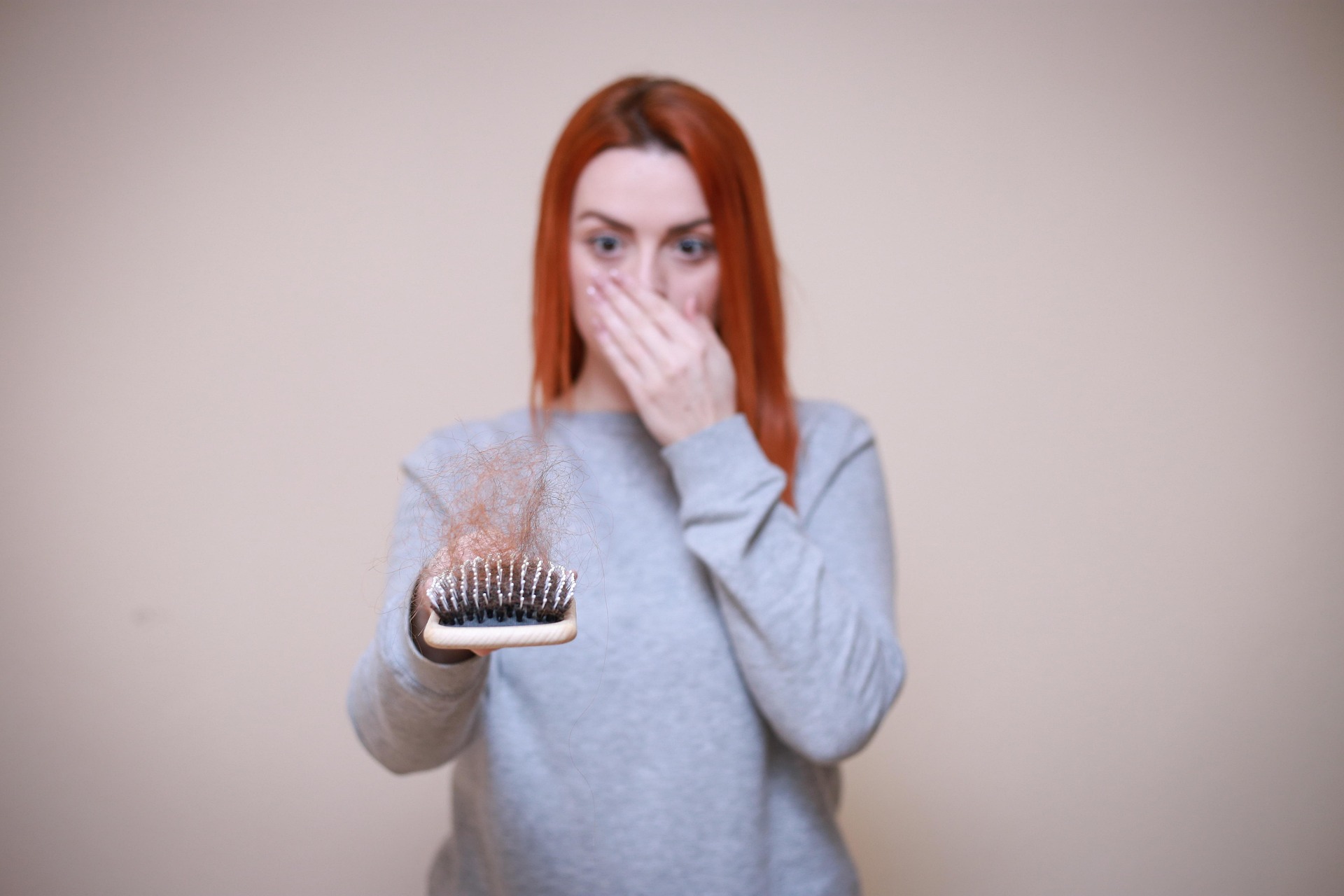
You finally start seeing progress on the scale, your appetite is calmer, and things feel like they are moving in the right direction. Then one morning you notice more hair than usual stuck to your brush. Maybe it starts showing up in the shower drain. Maybe your ponytail feels thinner. It is the kind of thing that sneaks up on you slowly, and once you notice it, it is hard to stop thinking about it.
A lot of people taking Zepbound have had the same question lately: does Zepbound cause hair loss? The short answer is that it can happen, but usually not in the way people think. For most people, the shedding is tied more to fast weight loss, eating less, and stress on the body than the medication directly attacking the hair itself. The good news is that in many cases, it is temporary.
Does Zepbound Cause Hair Loss?
Zepbound hair loss has become a pretty common conversation online, especially among people who have lost weight quickly on tirzepatide. Some notice extra hair shedding a few months into treatment, while others never deal with it at all.
What throws people off is the timing. Hair loss while taking Zepbound usually does not happen right away. Someone can feel completely fine at first, then suddenly notice thinning hair after months of treatment. That delay makes sense because the hair cycle moves slowly. Hair follicles can react to stress long before the shedding actually shows up.
For most people, the loss is not permanent. The type of hair loss connected to rapid weight loss is often called telogen effluvium. It happens when the body pushes more hair follicles into the resting phase too early. A few months later, those hairs start to shed. It can feel dramatic, but the follicles are usually still alive underneath the scalp, which means hair growth can return once the body settles down again.
Clinical trials for tirzepatide mainly focused on common side effects like nausea and stomach issues, but reported hair loss has still become something doctors hear about more often with GLP-1 medications. The same conversations have also happened around hair loss on Mounjaro and semaglutide treatments.
How Does Zepbound Cause Hair Loss?
1. Rapid Weight Loss Can Shock the Body
This is probably the biggest reason hair loss with Zepbound happens.
The body likes stability. When someone starts losing weight quickly, especially after significant weight loss in a short amount of time, the body sometimes reacts like it is under pressure. That stress can trigger telogen effluvium, which is a type of hair loss connected to sudden physical changes.
Hair normally stays in a growth phase for years before naturally shedding. But rapid weight loss can interrupt that rhythm. Instead of staying in the growth phase, hair follicles prematurely enter the resting phase. Then, a couple of months later, the shedding starts.
This is why people often notice more hair falling after they have already lost a noticeable amount of body weight. It is not usually immediate. The body takes time to react.
2. Existing Health Conditions Can Make It Worse
Sometimes tirzepatide hair loss is not only about the medication or the weight loss itself. Other health conditions can quietly add to the problem.
Low iron levels are a big one. Low vitamin D levels can matter too. Thyroid imbalance, autoimmune disorders, scalp inflammation, and even early male pattern baldness can all make hair thinning more noticeable during weight loss.
Someone who already has pattern hair loss may suddenly feel like their hair changed overnight after starting Zepbound, even though the issue may have already been developing slowly in the background.
This is why doctors sometimes recommend blood work if hair shedding becomes heavy or continues beyond six months.
3. Hormonal Changes Play a Role Too
Hormonal shifts can affect the hair cycle more than people realize.
Tirzepatide changes the way the body handles blood sugar, appetite, and digestion. As the body adjusts, hormonal changes can happen alongside the weight loss. For some people, that shift can affect hair growth temporarily.
This does not mean the medication directly cause hair loss in every person who takes it. A lot of people taking Zepbound never notice any change in their hair at all. But for others, the mix of hormonal stress, nutritional changes, and fast weight loss creates the perfect setup for shedding.
4. Not Eating Enough Can Affect Hair Growth
One thing people do not always expect with GLP-1 medications is how easy it becomes to eat very little without realizing it.
A smaller appetite may help with losing weight, but hair still needs fuel. Hair is made from a protein called keratin, and the body needs enough protein, vitamins, and minerals to keep hair follicles healthy.
When meals become too small or nutrition starts slipping, the scalp and hair can feel the effects pretty quickly. Low nutrient intake, especially low zinc, iron, or protein, can increase hair thinning and temporary hair shedding.
Some people on tirzepatide are eating far less than they think they are. That gap matters more than most expect.
How to Spot Zepbound Hair Loss
a) You Notice More Hair Around the House
One of the first signs is usually increased shedding. More strands in the sink. More hair on the pillow. More coming out while washing your hair.
It often starts gradually instead of all at once.
b) Your Hair Feels Less Full
A lot of people say their ponytail feels thinner first. Others notice the scalp becoming easier to see under bright lighting.
The change is usually more about reduced hair density than completely bald spots.
c) The Shedding Starts Months Later
This part confuses many people. Shedding during tirzepatide treatment usually begins within a few months after the weight loss starts. Someone may feel great in the beginning, then suddenly notice thinning later on.
That delayed timing is typical of telogen effluvium.
Managing Hair Loss Caused by Zepbound
a) Improve Your Nutritional Intake
This part matters more than fancy products.
The body needs enough protein, iron, vitamins and minerals to support healthy hair growth. A balanced diet can help your hair recover faster while also helping the body stabilize during weight loss.
A lot of people benefit from focusing on protein first. Others add a multivitamin, zinc, or vitamin D support if deficiencies are part of the problem.
Trying to lose weight while barely eating usually backfires eventually, especially for the hair.
b) Be Gentler With Your Hair
When hair shedding starts, people sometimes panic and overload their scalp with oils, harsh treatments, or tight hairstyles. Usually, gentler care works better.
Avoid aggressive brushing. Go easier on heat tools. Let the scalp breathe a little more.
Some people also ask their doctor about minoxidil if thinning hair becomes more noticeable or shedding continues for a long time.
c) Don’t Push Weight Loss Too Fast
This is where a lot of people get into trouble without meaning to.
Fast results can feel exciting at first, but extremely rapid weight loss can increase the chances of hair shedding. Slower progress is usually easier on the body and easier on the hair cycle too.
Some people talk with their provider about adjusting their dosage if side effects feel too intense. Others look into more personalized programs through TrimRx, which offers compounded tirzepatide options that may help people approach weight loss in a steadier way.
d) Rule Out Other Health Problems
If hair loss may be connected to low iron, thyroid issues, autoimmune disorders, or scalp conditions, those problems need attention too.
Sometimes the medication gets blamed for everything when there is another issue happening underneath the surface.
If shedding becomes severe, patchy, or does not improve over time, it is worth getting checked out.
Conclusion
Does Zepbound cause hair loss? It can, but usually indirectly.
For most people, the shedding is tied to rapid weight loss, lower calorie intake, hormonal changes, or nutritional deficiencies rather than permanent damage from tirzepatide itself. The good thing is that this type of hair loss is often reversible.
Hair follicles usually recover once the body stabilizes, nutrition improves, and the stress on the system settles down. It may take time, and it can definitely feel frustrating while it is happening, but temporary shedding does not always mean permanent loss.
Frequently Asked Questions
1. Is Zepbound hair loss permanent?
Usually not. Most cases are linked to telogen effluvium, which is temporary hair shedding connected to stress on the body or rapid weight loss.
2. Will my hair grow back after stopping Zepbound?
For many people, yes. Hair grow back gradually once shedding slows down and the body returns to a more stable routine.
3. How to combat hair loss from Zepbound?
Eating enough protein, improving nutrient intake, slowing rapid weight loss, and using gentle hair care habits can all help support hair growth.
4. How to stop GLP-1 hair loss?
The biggest thing is helping the body stabilize. Balanced nutrition, steady weight loss, proper scalp care, and checking for low iron levels or hormonal problems can all make a difference.

Transforming Lives, One Step at a Time
Keep reading

Can You Lower Your Zepbound Dose Without Losing Your Progress?
Often yes, and the honest caveat is that the evidence for dose reduction specifically is thinner than the evidence for stopping. We know a…
Why Is There a Bruise Where I Injected My Zepbound?
A bruise means a small blood vessel was disturbed under the skin and blood spread into the surrounding tissue. It is one of the…

My Zepbound Pen Won’t Click Past a Certain Dose
Start by checking which device you are holding, because the answer depends entirely on that. Zepbound has commonly been supplied in the United States…


