Does Zepbound Help Burn Fat? Understanding the Science
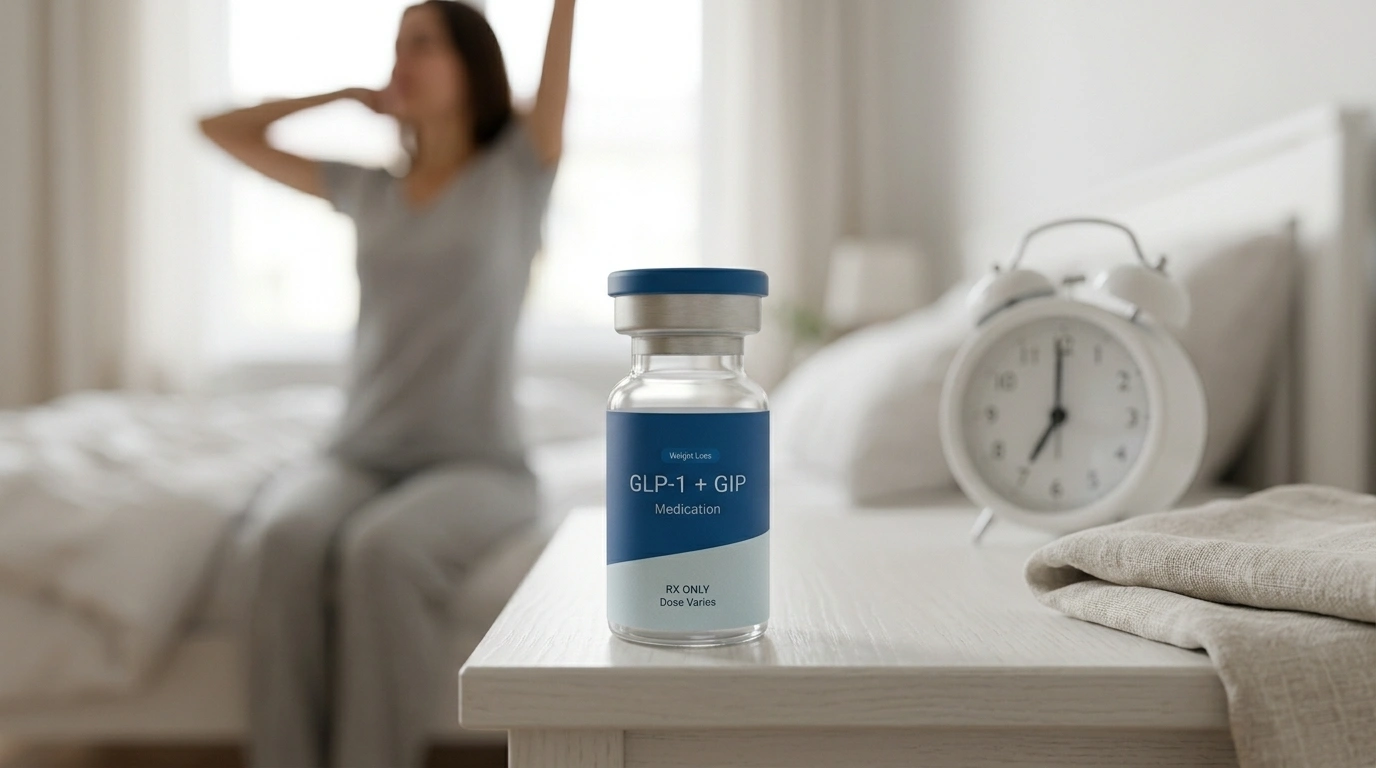
Table of Contents
- Introduction
- How the Medication Influences Metabolic Health
- Does the Medication Directly Burn Fat?
- Understanding Visceral vs. Subcutaneous Fat
- What Research Says About Weight Loss Outcomes
- The Distinction Between Branded and Compounded Medications
- Why Personalization Matters in Your Journey
- Managing Common Side Effects
- Supporting Your Progress with Targeted Nutrients
- The Role of Telehealth in Accessing Treatment
- Realistic Expectations for Fat Loss
- Preserving Lean Muscle Mass
- Is This Treatment Right for You?
- The Long-Term Vision for Metabolic Health
- Summary of Benefits
- FAQ
Introduction
Many people who have struggled with traditional dieting for years eventually reach a point of deep frustration. You might feel like you are doing everything right—counting calories, increasing your steps, and prioritizing sleep—yet the scale refused to budge. With the rise of dual-agonist medications like Zepbound®, the conversation around weight management has shifted toward the biology of fat loss rather than just willpower. At TrimRx, we believe that understanding the “how” behind your treatment is the first step toward reclaiming your health. If you want to see whether prescription GLP-1 treatment may fit your goals, you can take the free assessment quiz as you read. This article explores whether these medications directly burn fat, how they interact with your metabolic system, and what you can realistically expect during your journey. We will look at the science of hormonal regulation and how our personalized approach helps you navigate the path to sustainable weight loss.
How the Medication Influences Metabolic Health
To understand if a medication helps burn fat, we first need to look at what is inside it. Zepbound® contains an active ingredient called tirzepatide. This is a dual-acting medication that mimics two naturally occurring hormones in your body: glucagon-like peptide-1 (GLP-1) and glucose-dependent insulinotropic polypeptide (GIP). For a deeper explanation of how this class works, our post on how GLP-1 supports weight loss is a helpful companion read.
Glucagon-like Peptide-1 (GLP-1) is a hormone released in the gut after you eat. It tells your brain that you are full, slows down the emptying of your stomach, and helps your pancreas release the right amount of insulin. Glucose-dependent Insulinotropic Polypeptide (GIP) is another hormone that works alongside GLP-1. While GLP-1 is well-known for appetite suppression, GIP is thought to play a significant role in how the body breaks down and stores fat.
By activating both of these receptor pathways, the medication addresses weight loss from multiple angles. It does not just stop you from feeling hungry; it changes the way your body communicates with its fat stores. For many individuals, weight gain is not a lack of discipline but a hormonal imbalance where the body is “stuck” in a storage-heavy metabolic state.
Key Takeaway: The active ingredient, tirzepatide, targets two different hormone receptors (GLP-1 and GIP) to regulate appetite and improve how the body processes energy and fat.
Does the Medication Directly Burn Fat?
The term “burning fat” can be a bit misleading. In scientific terms, fat loss occurs through a process called lipolysis (breaking down fat cells) and oxidation (using those broken-down fats for energy). While no medication is a “furnace” that simply melts fat away without a calorie deficit, tirzepatide creates the biological environment necessary for your body to access its fat stores more efficiently.
When you are in a state of insulin resistance, your body often finds it difficult to use stored fat for fuel. Instead, it signals for more glucose (sugar), which leads to cravings and energy crashes. By improving insulin sensitivity, the medication allows the body to maintain more stable blood sugar levels. When insulin levels are managed effectively, the body can more easily transition into a state where it utilizes stored adipose tissue (body fat) for energy.
Furthermore, the suppression of “food noise”—the constant, intrusive thoughts about eating—allows individuals to maintain a calorie deficit without the intense metabolic “pushback” usually felt during a diet. When your body is not constantly fighting against you, the natural process of fat oxidation can occur more consistently.
The Role of GIP in Fat Distribution
One of the unique aspects of tirzepatide compared to older medications is the inclusion of the GIP receptor agonist. Research suggests that GIP may have a direct effect on adipose tissue. In clinical observations, this dual action has been shown to potentially improve the way the body stores fat, specifically targeting visceral fat. Visceral fat is the deep, internal fat that surrounds your organs and is often associated with higher health risks. By influencing GIP receptors, the medication may help the body prioritize the reduction of this more harmful fat.
Understanding Visceral vs. Subcutaneous Fat
Not all fat is created equal. Subcutaneous fat is the layer found just beneath the skin. While it is what most people notice in the mirror, it is generally less harmful to your metabolic health than the alternative. Visceral fat is the fat stored deep within the abdominal cavity. If you want more context on the GLP-1 side of the equation, our guide to why GLP-1 medications can support weight management gives a broader view of the treatment process.
High levels of visceral fat are linked to metabolic syndrome, increased inflammation, and other long-term health concerns. Clinical studies on tirzepatide have indicated that participants often see a significant reduction in waist circumference. This suggests that the medication is particularly effective at helping the body shed visceral fat. This is a crucial distinction because “burning fat” for the sake of health is about more than just a number on the scale; it is about reducing the type of fat that impacts organ function.
What Research Says About Weight Loss Outcomes
The effectiveness of Zepbound® has been documented in several large-scale clinical trials, most notably the SURMOUNT program. In these studies, participants with a body mass index (BMI) of 30 or higher—or those with a BMI of 27 or higher and at least one weight-related condition—showed significant results.
Individuals taking the highest doses of the medication often experienced a weight reduction of 20% or more of their initial body weight over a 72-week period. To put that into perspective, for a person weighing 250 pounds, that could be a loss of 50 pounds or more. It is important to note that these results were achieved in conjunction with a reduced-calorie diet and increased physical activity. If you’re curious whether you may be a candidate for treatment, you can complete the free assessment quiz after reviewing the details.
Bottom line: Clinical evidence confirms that the dual-agonist approach leads to substantial weight loss by combining appetite suppression with improved metabolic efficiency.
The Distinction Between Branded and Compounded Medications
When searching for weight loss solutions, you will encounter various names and formats. It is important to understand the differences between the options available through different providers. For a closer look at how people navigate treatment access, our article on starting a weight loss journey that lasts is a useful next read.
Branded Medications: Zepbound®, Mounjaro®, Wegovy®, and Ozempic® are branded, FDA-approved medications manufactured by specific pharmaceutical companies. These are typically what people refer to when they discuss clinical trials and widespread media coverage.
Compounded Medications: Compounded semaglutide and compounded tirzepatide are alternatives that are prepared by licensed pharmacies. These medications are not FDA-approved in the same way branded drugs are, but they are often used when there are shortages of branded medications or when a patient needs a specific dosage adjustment.
We partner with FDA-registered and inspected compounding pharmacies to ensure that our patients receive high-quality preparations. This allows us to provide a consistent program even when branded supply chains are disrupted. It is a reliable way for many individuals to access the benefits of GLP-1 and GIP therapy under medical supervision.
Why Personalization Matters in Your Journey
No two bodies respond to medication in exactly the same way. This is why a “one size fits all” approach often fails. At TrimRx, our focus is on creating a program that reflects your unique health profile. Factors such as your starting weight, metabolic history, and even your daily routine play a role in how your body will utilize a medication like tirzepatide.
A personalized program includes more than just a prescription. It involves:
- Initial health assessments to ensure the medication is safe for you.
- Ongoing adjustments to dosage to minimize side effects and maximize fat loss.
- Access to healthcare providers who can answer questions as your body changes.
- Support for maintaining muscle mass while losing fat.
If you are ready to see whether a prescription path makes sense for you, the free assessment quiz is the natural next step.
Myth: You can just take the medication and change nothing else. Fact: While the medication is powerful, the best “fat burning” results occur when it is paired with protein-rich nutrition and resistance training to preserve lean muscle.
Managing Common Side Effects
While the prospect of significant fat loss is exciting, it is important to be realistic about the adjustment period. Because these medications slow down your digestion, your body needs time to adapt. Common side effects include:
- Nausea: Often most noticeable after your first few doses or when increasing the dosage.
- Indigestion or Acid Reflux: Due to delayed gastric emptying.
- Changes in Bowel Habits: Both constipation and diarrhea are reported by some patients.
- Fatigue: Often a result of your body adjusting to a lower calorie intake.
In most cases, these side effects are mild to moderate and tend to decrease over time. We recommend eating smaller, more frequent meals and staying hydrated to help manage these symptoms. If you want extra nutritional support while appetite is reduced, GLP-1 Daily Support is designed for that stage of treatment. If side effects become severe or persistent, it is essential to consult with your healthcare provider to discuss a dose adjustment or alternative management strategies.
Supporting Your Progress with Targeted Nutrients
When you are losing weight rapidly, your body’s nutritional needs change. Because you are eating less, every bite of food needs to count. This is where supplements can play a supporting role.
For example, our GLP-1 Daily Support is designed to provide the essential vitamins and minerals that might be missing when your appetite is significantly reduced. Additionally, maintaining muscle mass is vital for your long-term metabolic rate. If you lose too much muscle during the process, your metabolism can slow down, making it harder to maintain your results. Ensuring adequate protein intake and potentially using a Weight Loss Boost supplement can help support your body’s natural energy levels during this transition.
The Role of Telehealth in Accessing Treatment
In the past, getting access to cutting-edge weight loss treatment required multiple in-person doctor visits, time spent in waiting rooms, and complicated insurance hurdles. Modern telehealth has changed that. We provide a streamlined, online experience that prioritizes your convenience without sacrificing clinical quality. If you want to see whether a prescription program is the right fit, you can start with the assessment quiz and review your options from there.
Step-by-Step: How to Start Your Program
Step 1: Complete the free assessment quiz. / This allows us to understand your health history, current BMI, and weight loss goals. Step 2: Connect with a licensed provider. / A healthcare professional will review your information to determine if you are a candidate for a GLP-1 or GIP medication. Step 3: Receive your personalized plan. / If eligible, a prescription will be sent to one of our partner pharmacies. Step 4: Medication is shipped to your door. / You will receive everything you need, including instructions and supplies, delivered discreetly to your home.
Realistic Expectations for Fat Loss
One of the most common questions is how fast the fat will “burn.” While some people notice a change within the first few weeks, the most significant results usually occur after several months of consistent use.
Initially, much of the weight lost may be water weight as inflammation decreases. As you move into the maintenance doses, the body begins to tap into its fat stores more consistently. A safe and sustainable rate of loss is generally considered 1 to 2 pounds per week, though many patients on dual-agonist medications may see higher rates initially.
It is also important to remember that weight loss is rarely a straight line. There will be weeks where the scale plateaus while your body composition is still changing. Measuring your progress through how your clothes fit or your energy levels can be just as important as the number on the scale. For more on plateaus and pacing, our article on why weight loss can stall on tirzepatide offers a helpful perspective.
Preserving Lean Muscle Mass
A critical part of “burning fat” is ensuring that you aren’t also “burning muscle.” When the body is in a calorie deficit, it sometimes looks for energy by breaking down muscle tissue. This is counterproductive because muscle is metabolically active—it helps you burn more calories even when you are at rest.
To protect your muscle while on a medication like tirzepatide, we suggest:
- Prioritizing Protein: Aim for a high-protein diet to provide the building blocks your muscles need.
- Strength Training: Even simple bodyweight exercises or light resistance bands can signal to your body that it needs to keep its muscle.
- Hydration: Water is essential for every metabolic process, including fat breakdown and muscle recovery.
Is This Treatment Right for You?
While medications like Zepbound® and its compounded counterparts are highly effective for many, they are not for everyone. Generally, these treatments are intended for adults who have a BMI of 30 or greater, or a BMI of 27 or greater with a weight-related health condition such as high blood pressure or type 2 diabetes.
You should consult a healthcare provider to discuss your medical history, especially if you have a history of certain thyroid conditions, pancreatitis, or severe stomach issues. A thorough medical screening ensures that the path you choose is the safest one for your body. If you are wondering whether you meet the general starting criteria, the assessment quiz can help you take the next step.
The Long-Term Vision for Metabolic Health
Weight loss is about more than just fitting into a different size of clothing. It is about reducing the risk of chronic disease, improving your mobility, and having the energy to show up for your life. The medications we discuss here are tools—powerful ones—but they work best when viewed as part of a total lifestyle shift.
At TrimRx, we are committed to being your partner in this shift. We combine clinical expertise with an empathetic understanding of the challenges involved in weight management. Our goal is to provide you with the resources, medication, and support necessary to achieve a healthier version of yourself through a science-backed, transparent process. If you want to move from research to action, complete the free assessment quiz and review your next steps.
Summary of Benefits
The journey toward fat loss using dual-agonist medications is grounded in complex biology but results in a simple outcome: a more efficient metabolism.
- Hormonal Balance: Targets GLP-1 and GIP to reduce hunger and improve insulin response.
- Visceral Fat Reduction: Specifically helps reduce the dangerous fat around internal organs.
- Sustainable Deficit: Eliminates “food noise,” making it easier to stick to healthy eating habits.
- Improved Health Markers: Can lead to better blood pressure, cholesterol, and blood sugar levels.
Bottom line: While the medication doesn’t “melt” fat instantly, it corrects the hormonal pathways that prevent the body from burning its own fat stores, leading to significant, long-term weight reduction.
FAQ
Does Zepbound specifically target belly fat?
While you cannot “spot-treat” fat loss with any medication or exercise, clinical evidence shows that tirzepatide is highly effective at reducing visceral fat, which is the fat stored in the abdominal area. As your overall body fat percentage drops, you will likely notice a significant reduction in your waist circumference.
How long does it take to see fat loss results?
Most patients begin to see changes on the scale within the first 4 weeks, but the most dramatic “fat burning” effects usually occur after 12 to 24 weeks. This timeframe allows your body to reach an effective therapeutic dose and for your metabolism to adjust to the hormonal changes.
Can I lose fat on this medication without exercising?
It is possible to lose weight without exercise due to the significant calorie reduction the medication facilitates, but it is not recommended. Incorporating physical activity, especially resistance training, is vital to ensure that the weight you lose is fat rather than muscle, which helps keep your metabolism strong for the long term. If you want to support nutrition while appetite is lower, GLP-1 Daily Support is made for that kind of routine support.
What is the difference between Zepbound and compounded tirzepatide?
Zepbound® is a branded medication produced by Eli Lilly and is FDA-approved for weight management. Compounded tirzepatide contains the same active ingredient but is prepared by a specialized pharmacy; while the compound itself is not FDA-approved, the pharmacies we work with are FDA-registered and strictly inspected to ensure quality and safety. If you are considering whether treatment is right for you, you can take the free assessment quiz to get started.
Disclaimer: This content is for informational purposes only and does not constitute medical advice. It is not intended to diagnose, treat, cure, or prevent any disease or condition. Individual results may vary. Always consult a qualified healthcare professional before starting any weight loss program or medication.

Transforming Lives, One Step at a Time
Keep reading

Why Is There a Bruise Where I Injected My Zepbound?
A bruise means a small blood vessel was disturbed under the skin and blood spread into the surrounding tissue. It is one of the…

My Zepbound Pen Won’t Click Past a Certain Dose
Start by checking which device you are holding, because the answer depends entirely on that. Zepbound has commonly been supplied in the United States…

Zepbound Alternatives: Your Options Compared
If Zepbound isn’t the right fit, the main alternative is semaglutide (sold as Wegovy), which produces slightly less weight loss but works similarly, along…


