Does Zepbound Help with Migraines? What Science Says
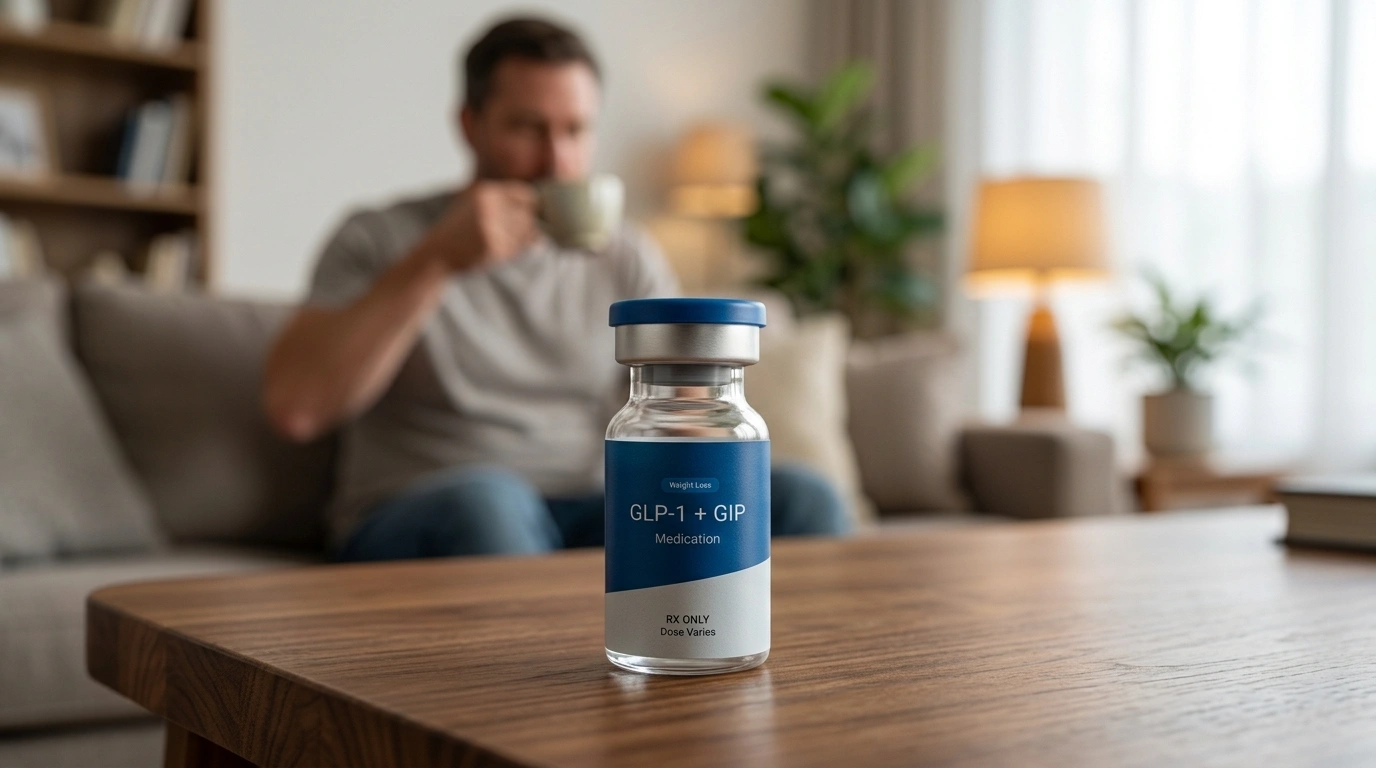
Table of Contents
- Introduction
- Understanding Zepbound and Tirzepatide
- The Connection Between Obesity and Migraines
- Does Zepbound Help with Migraines Directly?
- Can Zepbound Cause Headaches?
- Compounded Tirzepatide and Personalized Care
- How to Manage Migraines While on Weight Loss Medication
- Starting Your Journey with TrimRx
- Summary of Findings
- FAQ
Introduction
Living with chronic migraines can feel like an uphill battle, especially when you are also trying to manage your metabolic health. If you have been researching newer weight loss medications, you might have wondered: does Zepbound help with migraines? Many people embarking on a weight loss journey at TrimRx have noticed unexpected changes in their overall well-being, including how often they experience debilitating headaches.
While Zepbound® is specifically FDA-approved for chronic weight management, its potential impact on migraine frequency is a topic of significant interest among researchers and patients alike. This article explores the connection between metabolic health, weight loss, and neurological symptoms. We will look at the science behind how these medications work in the body and what the current evidence says about their role in migraine management. Our goal is to help you understand the relationship between your weight and your head health so you can make informed decisions about your care.
If you are exploring whether a personalized GLP-1 program may be appropriate for your goals, you can take the free assessment quiz.
Understanding Zepbound and Tirzepatide
To understand how a weight loss medication might influence migraines, it is essential to understand what it is. Zepbound® contains the active ingredient tirzepatide. This medication is part of a class of drugs known as dual receptor agonists. Specifically, it mimics two hormones naturally produced in the human body: glucagon-like peptide-1 (GLP-1) and glucose-dependent insulinotropic polypeptide (GIP).
A receptor agonist is a substance that binds to a specific receptor in the body and triggers a response similar to the body’s natural hormones. In the case of tirzepatide, these hormones play a major role in how your body handles insulin, processes sugar, and signals fullness to the brain. By activating both GLP-1 and GIP receptors, the medication helps slow down stomach emptying and communicates with the brain’s appetite centers to reduce hunger.
While these functions are primarily targeted at weight loss and blood sugar regulation, these receptors are not just located in the gut. They are also found in various regions of the brain. This presence in the central nervous system is why researchers are beginning to investigate if these medications have effects beyond just metabolic health.
For additional background, this overview of how GLP-1 medications work for weight loss provides more context about the hormone pathways involved.
The Connection Between Obesity and Migraines
Medical research has established a clear link between body weight and the severity of migraines. For an individual with a high Body Mass Index (BMI), the risk of developing chronic migraines—defined as having 15 or more headache days per month—increases significantly compared to those at a lower weight.
There are several reasons why carrying excess weight can worsen migraine conditions:
- Systemic Inflammation: Obesity is often associated with a state of low-grade, chronic inflammation. This inflammation releases proteins called cytokines into the bloodstream. Some of these cytokines are known to trigger or worsen the inflammatory response in the brain that leads to a migraine attack.
- Hormonal Fluctuations: Adipose tissue (body fat) is metabolically active and produces hormones like estrogen. Fluctuations in these hormones are a well-known trigger for many migraine sufferers.
- Comorbid Conditions: Issues like sleep apnea and high blood pressure are more common in individuals with higher weight, and both of these conditions are independent risk factors for frequent headaches.
Because weight and migraines are so closely linked, many healthcare providers observe that when a patient loses a significant amount of weight, their migraine frequency often drops. This suggests that any effective weight loss tool, including medications like tirzepatide, may indirectly help with migraines by addressing the underlying metabolic triggers.
Key Takeaway: Obesity and migraines share common inflammatory pathways. Reducing systemic inflammation through weight loss may lead to a natural decrease in the frequency and intensity of migraine attacks.
Does Zepbound Help with Migraines Directly?
When asking “does Zepbound help with migraines,” it is important to distinguish between the effects of weight loss and the effects of the drug itself. Currently, Zepbound® is not FDA-approved to treat migraines. However, there is growing anecdotal evidence and some preliminary research suggesting a more direct connection.
The Role of GIP and GLP-1 in the Brain
The dual action of tirzepatide on GLP-1 and GIP receptors might offer neuroprotective benefits. Some studies suggest that GLP-1 receptor agonists can reduce neuroinflammation. Since migraines involve a complex inflammatory process in the brain’s covering (the meninges) and the trigeminal nerve system, reducing this inflammation could theoretically prevent an attack.
Calcitonin Gene-Related Peptide (CGRP)
Many modern migraine treatments work by blocking CGRP, a protein involved in pain signaling during a migraine. Interestingly, the metabolic pathways that medications like tirzepatide influence are being studied to see if they interact with the CGRP system. While the data is not yet conclusive, the crossover between metabolic regulation and neurological signaling is a major area of scientific study.
Anecdotal Reports vs. Clinical Trials
Many patients using tirzepatide for weight loss report a “brain fog” lifting or a decrease in their usual headache patterns. While these stories are encouraging, they do not replace the need for clinical trials. Currently, large-scale studies are being designed to specifically look at how tirzepatide affects neurological conditions, but for now, any migraine relief is considered a secondary benefit rather than the primary purpose of the medication.
Can Zepbound Cause Headaches?
While some find relief, others may experience the opposite. It is a known fact that “headache” is listed as a common side effect for many GLP-1 and GIP medications. This can be confusing for someone hoping the medication will help their migraines.
Most medication-induced headaches during the start of a weight loss program are not true migraines. Instead, they are often caused by the body’s transition to the medication. Common causes include:
- Dehydration: These medications can reduce your thirst drive. If you are not consciously drinking enough water, dehydration can quickly trigger a headache.
- Low Blood Sugar: Because the medication improves insulin sensitivity and changes how you eat, your blood sugar may dip lower than your body is used to, especially in the first few weeks.
- Changes in Caffeine Intake: Many people find their taste for coffee or soda changes when taking these medications. A sudden drop in caffeine intake is a classic trigger for withdrawal headaches.
- Electrolyte Imbalance: Rapid changes in diet and water retention can lead to an imbalance of minerals like sodium, potassium, and magnesium, all of which are vital for nerve function.
For more detail about headaches after an injection, review why headaches may occur the day after a tirzepatide injection.
If you experience an increase in headaches when starting a program through TrimRx, it is important to track these symptoms and discuss them with your healthcare provider. Most of these “adjustment headaches” fade as the body becomes accustomed to the dosage.
Bottom line: While the medication has the potential to reduce migraine triggers over time through weight loss and inflammation reduction, it can also cause temporary “adjustment headaches” due to dehydration or blood sugar changes.
Compounded Tirzepatide and Personalized Care
At TrimRx, we focus on providing a personalized approach to weight loss that considers your entire health profile. We connect patients with licensed providers who can prescribe compounded tirzepatide when appropriate. It is important to understand the distinction between branded and compounded options.
Zepbound® is a branded medication that is FDA-approved for weight loss. Compounded tirzepatide, on the other hand, is prepared by FDA-registered, inspected compounding pharmacies. While the active ingredient is the same, compounded versions are not themselves “FDA-approved” in the same way a branded drug is. They are often used to meet specific patient needs or to address supply shortages.
When you work with a platform like ours, your treatment is not just about a prescription. It is about a comprehensive program. This includes:
- Medical Supervision: A licensed provider reviews your history, including your history of migraines, to ensure the medication is a safe choice for you.
- Dosage Management: Migraine sufferers may need a slower titration (gradual increase in dose) to avoid triggering headaches.
- Supportive Supplements: We offer options like GLP-1 Daily Support to help provide the nutrients your body needs during the weight loss process.
By using a telehealth-first model, we ensure you have 24/7 access to specialists who can help you navigate side effects like headaches, ensuring your journey is as comfortable as possible.
How to Manage Migraines While on Weight Loss Medication
If you are prone to migraines and are starting a weight loss journey, there are several steps you can take to minimize the risk of an attack while maximizing the benefits of the medication.
- Prioritize Hydration: Aim for at least 80 to 100 ounces of water a day. Since your thirst cues may be dampened, carry a water bottle with you at all times.
- Monitor Electrolytes: Consider adding an electrolyte powder to your water, especially if you are active. Magnesium, in particular, is often recommended by neurologists for migraine prevention.
- Eat Small, Frequent Meals: To avoid blood sugar crashes that can trigger a migraine, try to eat small, protein-rich meals throughout the day rather than one large meal.
- Keep a Headache Diary: Note when your headaches occur in relation to your medication injection day. This information is invaluable for your healthcare provider.
- Focus on Sleep Hygiene: GLP-1 medications can sometimes affect sleep patterns. Since poor sleep is a major migraine trigger, maintain a consistent sleep schedule.
For practical hydration strategies, see this guide to hydration while taking tirzepatide.
Note: If you experience a “thunderclap” headache (a sudden, severe headache that reaches maximum intensity within seconds) or a headache accompanied by fever or vision loss, seek immediate medical attention.
Starting Your Journey with TrimRx
If you are struggling with weight and concerned about how it affects your chronic migraines, the first step is a thorough medical evaluation. We make this process simple and accessible through our telehealth platform.
The journey begins with a free assessment quiz. This quiz gathers essential information about your health history, your weight loss goals, and any pre-existing conditions like migraines. This information allows the licensed providers we partner with to determine if a GLP-1 or GIP medication like tirzepatide is right for you.
Once approved, your medication is shipped directly to your door from a regulated compounding pharmacy. You won’t have to deal with waiting rooms or pharmacy lines. You will also have access to our team to ask questions about side effects, dosing, and how to best support your body as you lose weight.
Our mission at TrimRx is to provide more than just a prescription. We believe in a transparent, science-backed approach that treats you as a whole person. Whether you are looking to improve your metabolic health, reduce the physical burden of excess weight, or see if weight loss can help your migraine frequency, we are here to guide you.
Summary of Findings
While the question “does Zepbound help with migraines” does not yet have a definitive “yes” from the FDA in terms of a dedicated treatment, the evidence for indirect help is strong. By reducing the weight-related triggers of migraines and potentially lowering systemic inflammation, many people find significant relief.
Key Takeaway: The best approach for a migraine sufferer is a slow, steady, and medically supervised weight loss plan that prioritizes hydration and nutrient balance.
The path to better health is rarely a straight line, but with the right tools and professional support, it is achievable. By addressing weight through a personalized program, you are taking a significant step toward reducing the inflammatory load on your body, which may lead to clearer days and fewer headaches.
If maintaining energy is part of your weight loss plan, Weight Loss Boost supplement may provide additional metabolic support during your routine.
FAQ
Can Zepbound be prescribed specifically for migraines?
No, Zepbound® is currently only FDA-approved for chronic weight management in adults with obesity or those who are overweight with at least one weight-related condition. While a doctor may notice your migraines improve during treatment, it is not a primary treatment for the condition. You should continue to work with your neurologist or primary care physician for specific migraine management.
Why do I get a headache the day after my injection?
“Injection day headaches” are a common side effect of GLP-1 and GIP medications, often caused by the sudden shift in hormones and blood sugar. They are usually temporary and can often be mitigated by ensuring you are well-hydrated and have eaten a balanced meal before your dose. If these headaches are severe or persist, you should consult with your healthcare provider to discuss a dosage adjustment. This guide to tirzepatide injection headaches offers additional information.
Will losing weight on tirzepatide cure my migraines?
While weight loss can significantly reduce the frequency and severity of migraines for many people, it is not considered a “cure.” Migraines are a complex neurological condition with many triggers, including genetics, environment, and stress. However, improving your metabolic health is one of the most effective ways to reduce the overall “trigger load” on your nervous system.
Is it safe to take migraine medication with Zepbound?
In most cases, common migraine treatments like triptans or CGRP inhibitors can be used alongside weight loss medications. However, because Zepbound® slows down stomach emptying, it might affect how quickly oral medications are absorbed into your system. Always provide your TrimRx-affiliated provider with a full list of your current medications to ensure there are no contraindications or absorption concerns. If you are considering a prescription program, you can complete the free eligibility assessment.
Disclaimer: This content is for informational purposes only and does not constitute medical advice. It is not intended to diagnose, treat, cure, or prevent any disease or condition. Individual results may vary. Always consult a qualified healthcare professional before starting any weight loss program or medication.

Transforming Lives, One Step at a Time
Keep reading

Kids’ Birthday Party on Zepbound
If you have young children, birthday parties are a regular part of life: your own child’s, and the steady stream of classmates’ parties most…

Water Aerobics on Zepbound
For people with painful knees, hips, or backs, water aerobics and pool exercise are often the first kind of exercise that feels possible. The…

New Year’s Eve on Zepbound
New Year’s Eve is built around staying up late. There is usually a big dinner or a party spread, drinks through the evening, champagne…


