Does Zepbound Make Food Taste Different?
Introduction
You sit down for your favorite morning coffee, but something is wrong. Instead of the rich, roasted aroma you usually love, the cup tastes strangely bitter or perhaps slightly metallic. For many individuals starting their weight loss journey with new medications, this shift in sensory experience is a common and often surprising occurrence. If you are asking if Zepbound® makes food taste different, the answer is often yes. These sensory changes are not just in your head; they are a direct result of how advanced metabolic treatments interact with your body.
At TrimRx, we believe that understanding these subtle shifts is essential for long-term success and comfort. This article explores why tirzepatide—the active ingredient in Zepbound®—can alter your palate, the science behind the gut-brain connection, and practical ways to manage these changes. Our goal is to provide a clear roadmap for navigating your treatment while maintaining a healthy relationship with food. Sensory shifts are a fascinating window into how your metabolism is being reprogrammed for better health.
The Science of Taste and Tirzepatide
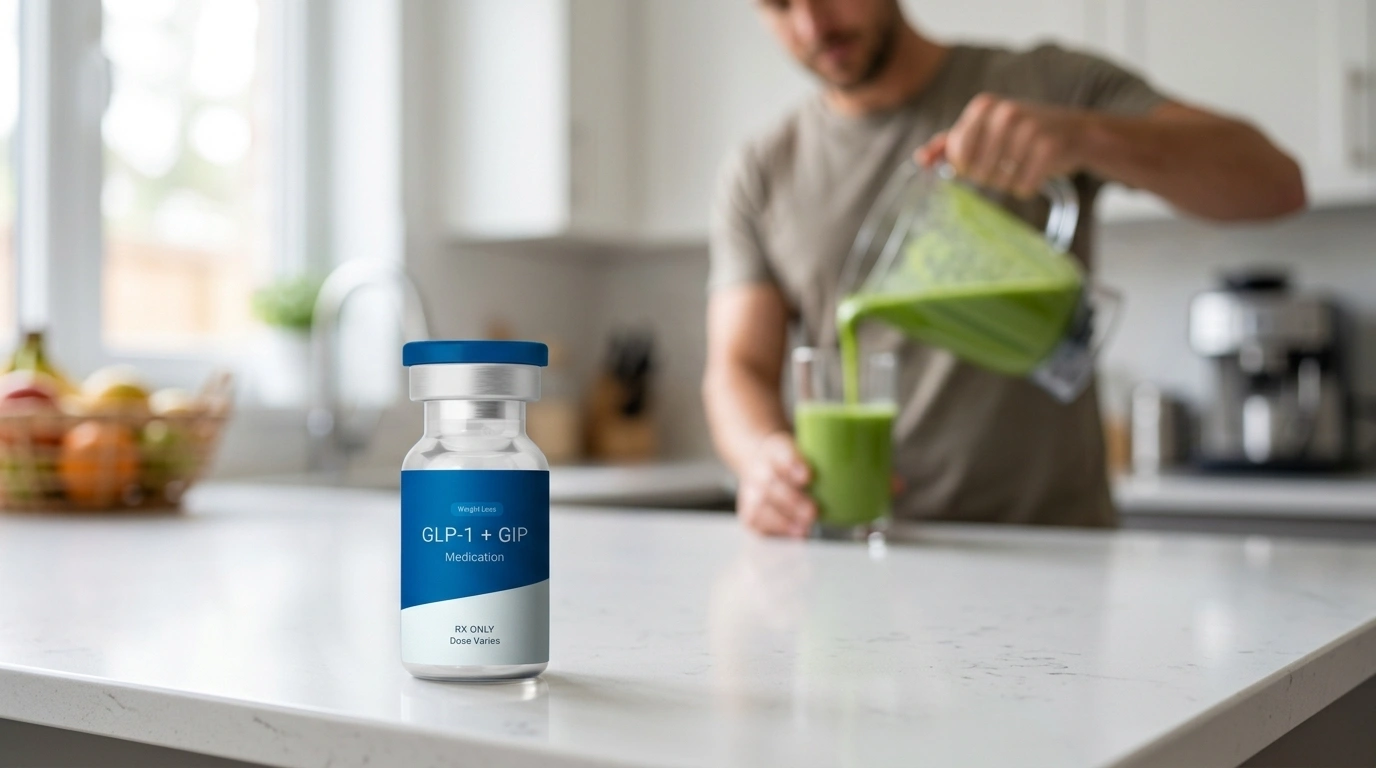
To understand why your palate might change, it is helpful to look at how Zepbound® works. This medication is a dual-receptor agonist. This means it mimics two natural hormones in your body: glucagon-like peptide-1 (GLP-1) and glucose-dependent insulinotropic polypeptide (GIP). While most people know these hormones for their role in insulin secretion and stomach emptying, their influence extends much further.
Receptors for GLP-1 and GIP are not only located in your digestive tract. Research indicates they are also present in the brain’s reward centers and even on the taste buds themselves. When you take a medication that activates these receptors, you are essentially changing the signaling system between your mouth, your gut, and your brain. This can lead to a significant shift in how flavors are perceived and how much pleasure you derive from certain foods.
For additional context on how these medications influence appetite and food-related thoughts, explore this guide to how GLP-1 medications quiet food noise.
The Role of GLP-1 and GIP Receptors
The GLP-1 receptor is heavily involved in the “satiety” signal. It tells your brain that you are full and should stop eating. However, it also modulates the sensitivity of taste cells. Some studies suggest that GLP-1 can specifically influence how we perceive sweetness. When these receptors are continuously stimulated by a medication, your threshold for sweetness may lower, making sweet foods taste overwhelmingly sugary or even unpleasant.
The GIP receptor adds another layer to this experience. GIP is thought to play a role in how the brain processes the “reward” of high-calorie foods. By influencing both of these pathways, tirzepatide does more than just slow down digestion. It physically alters the neurological feedback loop that makes a greasy burger or a sugary donut feel rewarding. For many, this results in a natural “aversion” to foods that were once staples of their diet.
Key Takeaway: Taste changes occur because GLP-1 and GIP receptors are located on the taste buds and in the brain’s reward centers, not just in the stomach.
If you are exploring whether prescription GLP-1 treatment may be appropriate for you, you can complete a free eligibility assessment.
Common Sensory Shifts Reported by Patients
While everyone’s experience is unique, several specific taste changes are frequently reported by those using tirzepatide. Recognizing these can help you feel less alone if your favorite snack suddenly loses its appeal.
The Metallic Tinge
A common report is a lingering metallic or “tinny” taste in the mouth, a condition medically known as dysgeusia. This can occur shortly after an injection and may persist for several days. While the exact reason for the metallic taste is still being studied, it is a known side effect of many medications that alter metabolic processes or cause mild changes in oral pH levels.
Heightened Sensitivity to Sweetness
Many people find that their “sweet tooth” disappears almost overnight. Foods that used to taste perfectly balanced may suddenly seem cloying or nauseatingly sweet. This is often viewed as a positive side effect, as it naturally reduces the craving for processed sugars and desserts, supporting the weight loss goals of the program.
You can read more about Zepbound and changes in taste perception for a closer look at how sweetness and flavor preferences may shift.
Aversion to Greasy and Fried Foods
One of the most profound changes is a newfound dislike for high-fat or fried foods. Patients often report that these items taste “heavy,” “rancid,” or simply unappealing. This is likely the body’s way of reinforcing the medication’s biological goal: reducing the intake of high-calorie, low-nutrient foods. When the brain no longer receives a “dopamine hit” from fat, the actual flavor of the oil and grease can become much more apparent and less pleasant.
Dullness of Flavor
On the opposite end of the spectrum, some individuals experience a general dulling of all flavors. Food may taste “bland” or like “cardboard.” This can be frustrating as it makes eating feel like a chore rather than an enjoyable activity. This dullness is often linked to the slower rate at which food moves through the digestive system and changes in saliva production.
The Brain-Gut Connection and Reward Circuitry
Weight management is as much a neurological process as it is a physical one. Our brains are hardwired to seek out calorie-dense foods as a survival mechanism. This “reward circuitry” is driven by dopamine, a chemical that makes us feel good when we eat sugar or fat.
Zepbound® and similar GLP-1 medications effectively “quiet” this reward system. This phenomenon is sometimes called “food noise” reduction. When the “noise” is gone, your brain is no longer shouting at you to find something sweet or salty. This change in neurological desire often manifests as a change in physical taste. If your brain is no longer looking for a reward from a cookie, the cookie itself might taste less like a treat and more like a dry, overly sweet biscuit.
For a broader explanation, review this overview of how GLP-1 medications can help stop food noise.
This shift is a cornerstone of sustainable weight loss. By changing how the brain values certain foods, the medication helps individuals make healthier choices without feeling like they are constantly fighting against their own cravings.
Why Some Foods Taste Bitter or Sour
If you find that bitter flavors are amplified, you are not alone. Some patients report that coffee, dark chocolate, or certain vegetables become almost unpalatable. This may be due to the medication’s effect on the GIP receptors, which can heighten the sensitivity of bitter-sensing taste buds.
Furthermore, because tirzepatide slows gastric emptying (the speed at which food leaves the stomach), some people experience mild acid reflux or changes in their oral environment. Even subtle amounts of stomach acid reaching the back of the throat can create a sour or bitter baseline in the mouth, which then colors the taste of everything else you eat.
If reflux is part of the problem, this guide to Zepbound acid reflux and symptom management may help you understand the connection.
Practical Strategies for Managing Taste Changes
Dealing with a shifting palate can be challenging, especially when you are trying to maintain a balanced diet. Here are several practical steps you can take to manage these sensory changes.
Step 1: Prioritize Hydration
A dry mouth can significantly distort taste. When you are dehydrated, your saliva becomes thicker and less effective at washing away food particles and bacteria. Drink plenty of water throughout the day. You might find that adding a slice of lemon or cucumber helps “reset” your taste buds and makes plain water more palatable.
Step 2: Practice Diligent Oral Hygiene
If you are experiencing a metallic or bitter taste, increasing the frequency of brushing and flossing can help. Using a tongue scraper is particularly effective at removing films that can trap odors and flavors. A mild, alcohol-free mouthwash can also help maintain a neutral pH in the mouth.
Step 3: Experiment with Temperature and Texture
If warm foods taste dull or unappealing, try colder options. Many people find that cold protein shakes, chilled salads, or frozen grapes are much easier to tolerate when their taste is altered. Texture also plays a role; if flavors are dull, adding crunchy elements like nuts or raw vegetables can make the eating experience more engaging through “mouthfeel.”
Step 4: Use Spices and Acids Wisely
If food tastes bland, avoid over-salting, which can lead to water retention. Instead, use bright acids like lime juice, lemon juice, or vinegar to “wake up” the flavor. Fresh herbs like cilantro, mint, and basil can provide a burst of flavor that cuts through a dull palate without being overwhelming.
Step 5: Adjust Your Environment
Since taste and smell are closely linked, the aroma of cooking can sometimes trigger aversions. If the smell of frying meat or heavy spices is bothersome, try to cook in well-ventilated areas or opt for “no-cook” meals like wraps and smoothies during the days immediately following your injection.
Bottom line: While taste changes can be jarring, they are usually manageable with small lifestyle adjustments like better hydration, oral care, and experimenting with food temperatures.
The Impact on Nutritional Intake
It is vital to ensure that taste changes do not lead to malnutrition. When food doesn’t taste good, it is tempting to skip meals entirely. However, your body needs adequate protein and vitamins to maintain muscle mass and energy levels during weight loss.
If you find it difficult to eat solid meals, consider high-quality protein supplements. We offer a GLP-1 Daily Support supplement that is designed to help fill nutritional gaps that can occur when your diet changes significantly. Focusing on nutrient density—getting the most vitamins and minerals in the smallest amount of food—is the best strategy when your appetite and taste are suppressed.
When to Consult Your Healthcare Provider
Most taste changes are harmless side effects of the medication’s interaction with your metabolic system. However, there are times when you should seek professional guidance. If your taste changes are accompanied by:
- Severe nausea that prevents any food intake for more than 24 hours
- Persistent vomiting
- Soreness or white patches in the mouth (which could indicate a secondary issue like thrush)
- Extreme fatigue or dizziness
A licensed healthcare provider can help determine if your dosage needs adjustment or if there is an underlying issue. At TrimRx, we connect you with professionals who understand the nuances of these treatments and can provide personalized advice based on your specific health profile.
For more guidance on common treatment reactions, review these tirzepatide side effects and management strategies.
Exploring Your Options Through TrimRx
If you are struggling with the side effects of branded medications like Zepbound® or Ozempic®, or if you are looking for a more personalized approach, we are here to help. Our platform offers a telehealth-first experience, meaning you can consult with providers from the comfort of your home.
We understand that weight loss is not a one-size-fits-all journey. For some, the specific side effect profile of one medication might be more manageable than another. Through our platform, you can access compounded medications, such as Compounded Tirzepatide or Compounded Semaglutide. These medications are prepared by FDA-registered, inspected compounding pharmacies. While compounded medications are not FDA-approved, they offer a personalized alternative that may better suit your needs and goals.
The transition to these medications requires a professional assessment. Our free online quiz is the first step in determining your eligibility and helping our partner providers create a program tailored to you. This comprehensive service includes your doctor consultation, any necessary lab work, and the shipping of your medication—all with no hidden fees.
The Psychological Journey of Taste Shifts
There is an emotional component to losing the pleasure of food. For many, food has been a source of comfort, social connection, and joy. When a medication like Zepbound® changes that, it can feel like a loss. It is important to acknowledge these feelings.
However, many patients find that as they lose weight and their metabolic health improves, they develop a new appreciation for food. They begin to enjoy the natural flavors of whole foods rather than the engineered “highs” of processed snacks. This is often described as a “palate reset.” Over time, the metallic tastes or dullness usually fade, leaving behind a more balanced and controlled relationship with eating.
Comparing Tirzepatide and Semaglutide
It is worth noting that while both Zepbound® and medications like Wegovy® (semaglutide) can cause taste changes, the experiences may differ. Because tirzepatide targets two receptors (GLP-1 and GIP) while semaglutide only targets one (GLP-1), the sensory impact of tirzepatide can be more pronounced for some.
For more background on these medication options, see this comparison of tirzepatide and semaglutide for weight loss.
| Feature | Tirzepatide (e.g., Zepbound®) | Semaglutide (e.g., Wegovy®) |
|---|---|---|
| Mechanism | Dual Agonist (GLP-1 & GIP) | Single Agonist (GLP-1) |
| Taste Changes | Frequent reports of metallic/sweet shifts | Frequent reports of “food noise” reduction |
| Aversions | Strong aversion to fats and sweets | General reduction in appetite |
| Administration | Weekly Injection | Weekly Injection or Daily Oral |
Regardless of which medication you use, the goal remains the same: supporting your body’s natural pathways to achieve a healthier weight. If the taste changes on one medication are too severe, a provider may suggest trying a different formulation or dosage.
Sustaining Success for the Long Term
The ultimate goal of using these medications is to build habits that last a lifetime. Taste changes can actually be a useful tool in this process. They provide a “break” from the cravings that often derail weight loss efforts. Use this time to experiment with new, healthy recipes. Discover the crunch of fresh peppers, the brightness of citrus, and the satiety of lean proteins.
When your taste buds aren’t constantly being bombarded by high-sugar and high-fat signals, you have a unique opportunity to retrain your brain. This “metabolic window” is the perfect time to establish a routine of mindful eating. Pay attention to how your body feels after eating different types of food, rather than just how the food tastes in the moment.
How TrimRx Supports Your Journey
Our mission at TrimRx is to help individuals embrace healthier lifestyles through science, empathy, and transparency. We know that a weight loss journey is about more than just a number on a scale; it’s about how you feel every day. From managing side effects like taste changes to providing 24/7 access to specialists, we are committed to your success.
Our personalized programs are designed to be sustainable. We don’t just provide access to medication; we provide a community of support. Whether you are using Compounded Semaglutide, Oral Tirzepatide, or any of our other program options, you have a team behind you. We handle the complexities of telehealth and pharmacy coordination so you can focus on your health.
Key Takeaway: Changing how food tastes is often a sign that the medication is effectively interacting with your metabolic and neurological systems to reduce cravings and support weight loss.
Summary of Management Tips
If you are currently experiencing taste changes on your weight loss medication, remember these key points:
- Hydrate often: Keep your mouth moist to prevent flavor distortion.
- Keep it clean: Use a tongue scraper and alcohol-free mouthwash.
- Cool it down: Try cold foods if hot meals seem too intense or bland.
- Brighten it up: Use lemon, lime, and fresh herbs to enhance dull flavors.
- Track your trends: Note which foods are most affected to avoid “food fatigue.”
- Consult the experts: Reach out to your provider if taste changes significantly impact your ability to eat.
Weight loss is a profound transformation. While it can be strange to find that your favorite chocolate bar now tastes like wax, it is a sign of the powerful changes happening within your body. These shifts are often the precursors to significant improvements in your blood sugar, energy levels, and overall well-being.
Conclusion
The journey toward metabolic health is filled with both major milestones and small, unexpected shifts. The fact that Zepbound® can make food taste different is a testament to how deeply these medications interact with our biological systems. By quieting the brain’s reward centers and altering sensory perception, tirzepatide helps break the cycle of cravings and overeating. While these changes can be an adjustment, they are manageable and often temporary as your body finds its new balance.
At TrimRx, we are dedicated to being your partner in this transformation. We provide the clinical expertise and personalized care needed to navigate every aspect of your treatment—from the very first injection to the long-term maintenance of your goals. Our science-backed, empathetic approach ensures you are never alone in your journey. If you are ready to see how a personalized program can work for you, the next step is simple.
Take our free assessment quiz today to discover which program fits your health profile and goals. Let us help you rewrite your health story with the support and expertise you deserve.
FAQ
Why does Zepbound make food taste metallic?
A metallic taste, or dysgeusia, is a common side effect of many medications that alter metabolic hormones or affect saliva composition. In the case of Zepbound®, the medication interacts with receptors on the taste buds and may also cause subtle changes in oral pH or mild acid reflux, leading to a lingering metallic sensation. This usually subsides as the body adjusts to the medication or when hydration is improved.
Will my normal sense of taste ever come back?
For most people, the intensity of taste changes diminishes over time as the body acclimates to the medication. While the “food noise” and cravings for high-sugar or high-fat foods may remain suppressed—which is a goal of the treatment—the specific distortions like a metallic or bitter taste often fade. If you stop the medication, your sense of taste typically returns to its baseline state.
For more information about food-related changes during treatment, read about tirzepatide food noise.
Can I prevent taste changes while on tirzepatide?
There is no guaranteed way to prevent taste changes, as they are a result of how the medication works on a cellular level. However, staying extremely well-hydrated and maintaining excellent oral hygiene can minimize the severity. Avoiding known triggers, like very greasy or overly sweet foods, can also help you avoid the more unpleasant taste aversions.
Does a change in taste mean the medication is working?
While not everyone experiences taste changes, many clinicians view a reduction in the pleasure derived from high-calorie foods as a sign that the medication is successfully interacting with the brain’s reward centers. This “palate shift” is often one of the first indicators that the medication is helping to curb appetite and reduce “food noise,” which are critical components of successful weight loss. If you are considering treatment, find out if GLP-1 medications may be right for you.
Disclaimer: This content is for informational purposes only and does not constitute medical advice. It is not intended to diagnose, treat, cure, or prevent any disease or condition. Individual results may vary. Always consult a qualified healthcare professional before starting any weight loss program or medication.

Transforming Lives, One Step at a Time
Keep reading

Kids’ Birthday Party on Zepbound
If you have young children, birthday parties are a regular part of life: your own child’s, and the steady stream of classmates’ parties most…

Water Aerobics on Zepbound
For people with painful knees, hips, or backs, water aerobics and pool exercise are often the first kind of exercise that feels possible. The…

New Year’s Eve on Zepbound
New Year’s Eve is built around staying up late. There is usually a big dinner or a party spread, drinks through the evening, champagne…


