Fiber on GLP-1: Your Secret Weapon for Better Results
Introduction
Fiber is the most overlooked tool on GLP-1 medications. Average American adults eat 15 grams of fiber daily, less than half the recommended 25 to 38 grams. Drop calories by 30 percent on semaglutide or tirzepatide, and most patients fall below 10 grams. The result is predictable: constipation, blood sugar swings, weaker satiety than the medication should produce, and microbiome shifts in the wrong direction.
Adequate fiber doesn’t just fix constipation. It compounds the medication’s effects on appetite, glycemic control, and gut health. A 2020 trial in Diabetes Care (Reynolds et al.) found that higher fiber intake independently predicted 30 percent better HbA1c response in patients on GLP-1 therapy.
At TrimRx, we believe that understanding your options is the first step toward a more manageable health journey. You can take the free assessment quiz if you’re ready to see whether a personalized program is a fit for you.
Why Is Fiber More Important on GLP-1?
Two reasons. First, GLP-1 medications reduce total food volume, which means less fiber arrives in the colon by default. Less fiber means slower transit gets even slower, since fiber bulks stool and stimulates motility. Second, the gut microbiome shifts on GLP-1 in ways that depend on fiber substrates. Without fiber to ferment, beneficial bacteria like Akkermansia muciniphila and Faecalibacterium prausnitzii struggle.
Quick Answer: Target 25 to 35 grams of mixed fiber daily on GLP-1
The DPP (Diabetes Prevention Program) showed that lifestyle interventions including high-fiber eating reduced diabetes risk by 58 percent, more than metformin alone. GLP-1 patients who maintain high fiber intake see better long-term glycemic and weight outcomes.
The body wasn’t built for low-fiber eating, and GLP-1 doesn’t change that.
How Much Fiber Should I Eat on Semaglutide?
Aim for 25 grams daily if you’re a woman, 30 to 38 grams if you’re a man. The current Dietary Guidelines for Americans recommend 14 grams of fiber per 1,000 calories. On a 1,400 calorie deficit, that’s 20 grams minimum.
Most GLP-1 patients fall short for two reasons: smaller meals leave less room for fiber, and slow gastric emptying makes high-fiber foods feel like they’re sitting longer. Both are solvable.
Practical targets by meal:
- Breakfast: 6 to 8 grams (oats, berries, chia seeds)
- Lunch: 7 to 10 grams (beans, vegetables, whole grains)
- Dinner: 7 to 10 grams (lentils, broccoli, quinoa)
- Snacks: 3 to 5 grams (apple, almonds, hummus)
Track for one week to see your baseline before adjusting.
What’s the Difference Between Soluble and Insoluble Fiber?
Soluble fiber dissolves in water and forms a gel in the gut. It slows glucose absorption, lowers LDL cholesterol, and feeds beneficial bacteria. Sources include oats, beans, lentils, apples, citrus, psyllium, and flaxseed.
Insoluble fiber doesn’t dissolve. It adds bulk to stool, speeds transit time, and prevents constipation. Sources include wheat bran, whole grains, nuts, vegetable skins, and most raw vegetables.
You want both. A 50-50 mix works well for most patients. The 2017 American Journal of Clinical Nutrition meta-analysis (Veronese et al.) showed mixed fiber sources produced better cardiometabolic outcomes than either type alone.
Which Fiber Sources Are Easiest on GLP-1?
Cooked is gentler than raw. Soft is easier than crunchy. During titration weeks, prioritize:
- Oatmeal made with milk or fortified plant milk
- Berries (raspberries lead at 8 grams per cup)
- Black beans, lentils, chickpeas (well cooked)
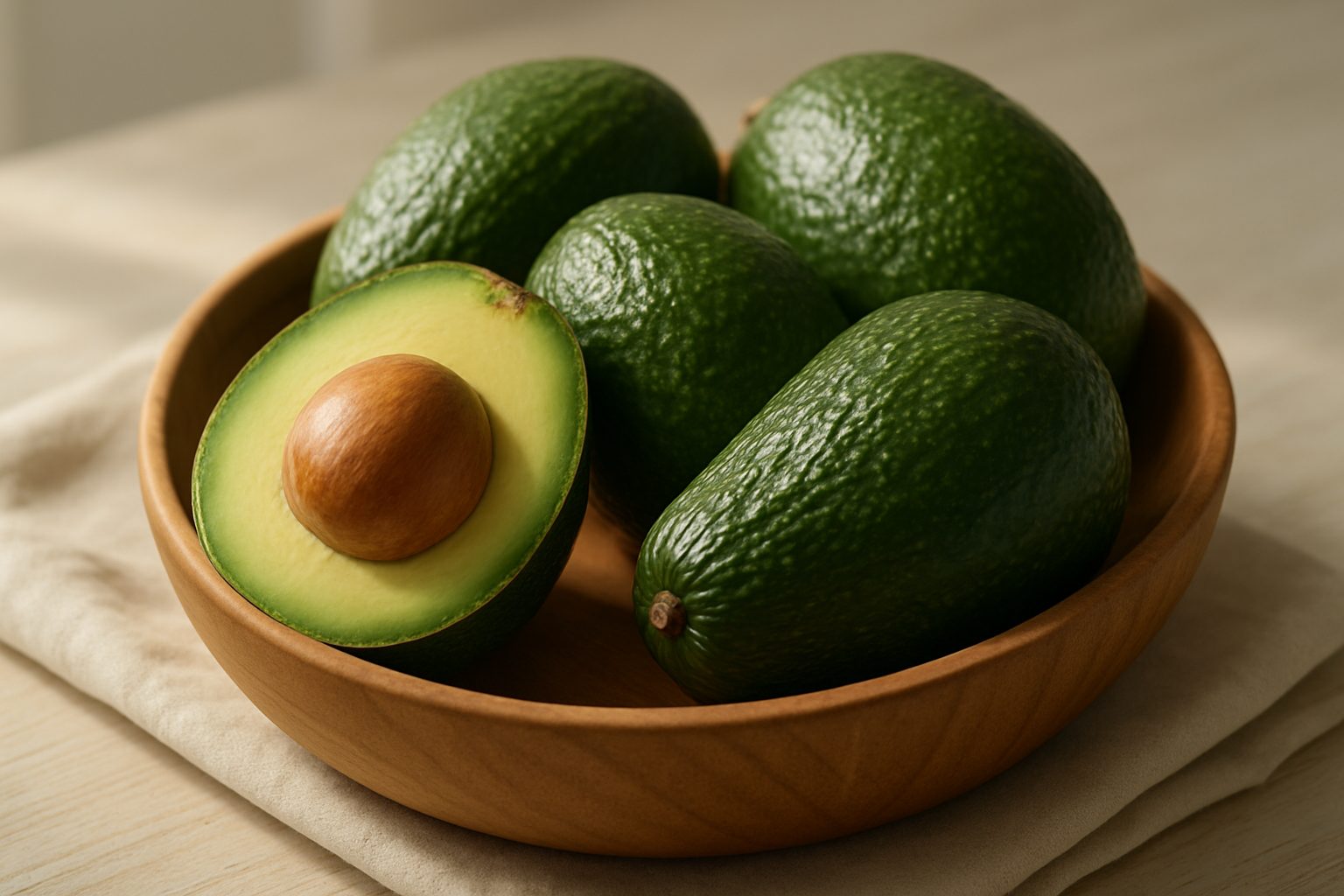
- Avocado (10 grams per medium fruit)
- Bananas, especially slightly underripe ones for resistant starch
- Ground flaxseed (3 grams per tablespoon)
- Chia seeds (10 grams per ounce)
- Cooked broccoli, carrots, sweet potato
- Whole-grain bread and pasta
Raw kale, raw cauliflower, and large salads can be hard during the first weeks. Cook your vegetables until they’re easy to chew completely.
Is Psyllium Safe with GLP-1 Medications?
Yes, and it’s the best-supported fiber supplement for GLP-1 patients. Psyllium husk forms a viscous gel that slows glucose absorption further, improves stool consistency in both constipation and diarrhea, and lowers LDL cholesterol.
A 2018 meta-analysis in the American Journal of Clinical Nutrition (Jovanovski et al.) covering 28 trials showed psyllium at 10.2 grams daily lowered LDL by 12.8 mg/dL and improved glycemic markers. The dose for GLP-1 patients typically starts at 1 teaspoon (about 4 grams) daily and titrates to 1 to 2 tablespoons.
Practical tips:
- Take with at least 8 ounces of water
- Separate by 2 hours from oral medications or other supplements
- Take at least 4 hours from your weekly injection isn’t necessary
- Increase dose over 2 to 4 weeks to avoid bloating
Metamucil, Konsyl, and store-brand psyllium are equivalent. Avoid sweetened versions if you’re watching sugar.
Key Takeaway: Insoluble fiber prevents the constipation that hits 24 percent of patients in trials
Does Fiber Reduce GLP-1 Side Effects?
Significantly, for the right side effects. Constipation responds best, with most patients seeing daily bowel movements return within 2 weeks of hitting 25 to 30 grams of fiber. Diarrhea also improves with soluble fiber, which absorbs excess water and slows transit.
A 2023 patient survey in Obesity Pillars found that GLP-1 patients hitting fiber targets reported 40 percent fewer GI side effects than those eating less than 15 grams daily.
Where fiber doesn’t help: acute nausea, vomiting, or pancreatitis-style abdominal pain. Those are separate mechanisms.
Too much fiber too fast causes bloating, gas, and worsened constipation. Increase intake by 5 grams per week max.
Can Fiber Boost Weight Loss on GLP-1?
It compounds the effect. Fiber slows gastric emptying further, increases satiety hormones (PYY, GLP-1 itself, and CCK), and reduces overall calorie intake. A 2019 meta-analysis in the Lancet (Reynolds et al.) of 185 studies linked higher fiber intake to 16 to 24 percent lower all-cause mortality.
In direct weight loss studies, every 1 gram increase in fiber correlates with about 0.25 pounds of additional weight loss over 12 months. On 25 grams daily versus 10 grams, that’s 4 to 5 pounds of compounded loss.
GLP-1 already maxes out many appetite signaling pathways, so fiber doesn’t double the effect. But it helps prevent the post-titration plateau most patients hit at month 4 to 6.
What’s the Best Fiber for Blood Sugar Control?
Beta-glucan from oats and barley has the strongest evidence. The FDA allows a health claim that 3 grams of beta-glucan daily lowers cholesterol and stabilizes blood glucose. One cup of cooked oatmeal provides about 2 grams.
Resistant starch is the other standout. Found in cooled potatoes, green bananas, cooked-and-cooled rice, and legumes, resistant starch ferments in the colon to produce butyrate. Butyrate improves insulin sensitivity and feeds colon cells.
The SUSTAIN trials of semaglutide didn’t restrict diet, so the absolute glucose-lowering of the medication is similar regardless of fiber. But long-term metabolic benefits compound when fiber is high.
Should I Take a Fiber Supplement or Just Eat Whole Foods?
Food first, supplements when food falls short. Whole foods bring vitamins, minerals, phytonutrients, and a mix of fiber types that supplements can’t match.
That said, most GLP-1 patients on calorie deficits genuinely can’t fit 30 grams of fiber from food alone. A daily psyllium supplement of 5 to 10 grams bridges the gap.
Other supplement options:
- Acacia fiber: low-bloat, well tolerated, 5 grams per scoop typically
- Inulin: prebiotic effect, can cause bloating in sensitive guts
- Wheat dextrin (Benefiber): tasteless, mixes well, soluble only
- Glucomannan: very viscous, take with lots of water, 1 gram before meals
Skip “fiber gummies” with under 3 grams per serving. The cost-to-benefit is poor.
Bottom line: Increase fiber by 5 grams per week to avoid bloating
FAQ
How Quickly Does Fiber Relieve GLP-1 Constipation?
For most patients, 5 to 10 days of consistent 25 to 30 gram intake plus adequate water restores daily bowel movements. Adding magnesium citrate 200 to 400 mg at bedtime can speed things up. If nothing has moved in 5 days despite hydration and fiber, talk to your provider about a short-term stimulant laxative.
Can Fiber Cause GLP-1 to Work Less Well?
No. Fiber doesn’t interfere with subcutaneous semaglutide or tirzepatide absorption. Oral semaglutide (Rybelsus®) is different and should be taken on an empty stomach 30 minutes before any other intake, including fiber supplements.
What’s the Best Time to Take a Fiber Supplement on GLP-1?
Morning, with breakfast, or mid-afternoon. Avoid taking fiber right before bed because slow transit at night can cause discomfort. Take fiber 2 hours away from any oral medications to avoid binding effects.
Will Fiber Make Me Bloated on GLP-1?
It can if you ramp too fast. Start at 5 grams above your baseline, hold for a week, then add another 5 grams. Most bloating resolves within 2 to 3 weeks as gut bacteria adapt to fermenting more substrate.
Are Smoothies a Good Way to Get Fiber on GLP-1?
Yes, when they include whole foods. A smoothie with frozen berries, spinach, chia seeds, Greek yogurt, and a scoop of protein can deliver 15 grams of fiber and 30 grams of protein in 350 calories. Skip the fruit-juice-base smoothies, which drop fiber and spike glucose.
Does Fiber Affect My TrimRx Compounded Semaglutide?
No interaction. The fiber you eat doesn’t change how compounded semaglutide is absorbed from the injection site or how it acts in the body. Hitting fiber targets does improve your long-term outcomes on the medication, which is why TrimRx personalized treatment plans often include nutrition recommendations.
Can I Overdo Fiber on GLP-1?
Yes. Above 50 grams daily, many people experience bloating, gas, and reduced absorption of certain minerals like calcium, zinc, and iron. Stay in the 25 to 40 gram range unless you have a specific reason for more.
Disclaimer: This content is for informational purposes only and does not constitute medical advice. It is not intended to diagnose, treat, cure, or prevent any disease or condition. Individual results may vary. Always consult a qualified healthcare professional before starting any weight loss program or medication.

Transforming Lives, One Step at a Time
Keep reading
Does Your Shoe Size Change With GLP-1 Weight Loss?
Frequently, and usually in width rather than length. Your foot bones do not change, so the underlying structure stays the same. What changes is…

Do Skin Tags Go Away With GLP-1 Weight Loss?
Existing skin tags generally do not disappear on their own. What may change is how many new ones form, because skin tags are associated…
Does Dramamine Help With GLP-1 Nausea?
Probably not very well, and it is worth asking your provider or pharmacist before trying it. Dramamine contains dimenhydrinate, an antihistamine that works primarily…


