Can You Take Zepbound Pens on a Plane? Your Essential Travel Guide
Introduction
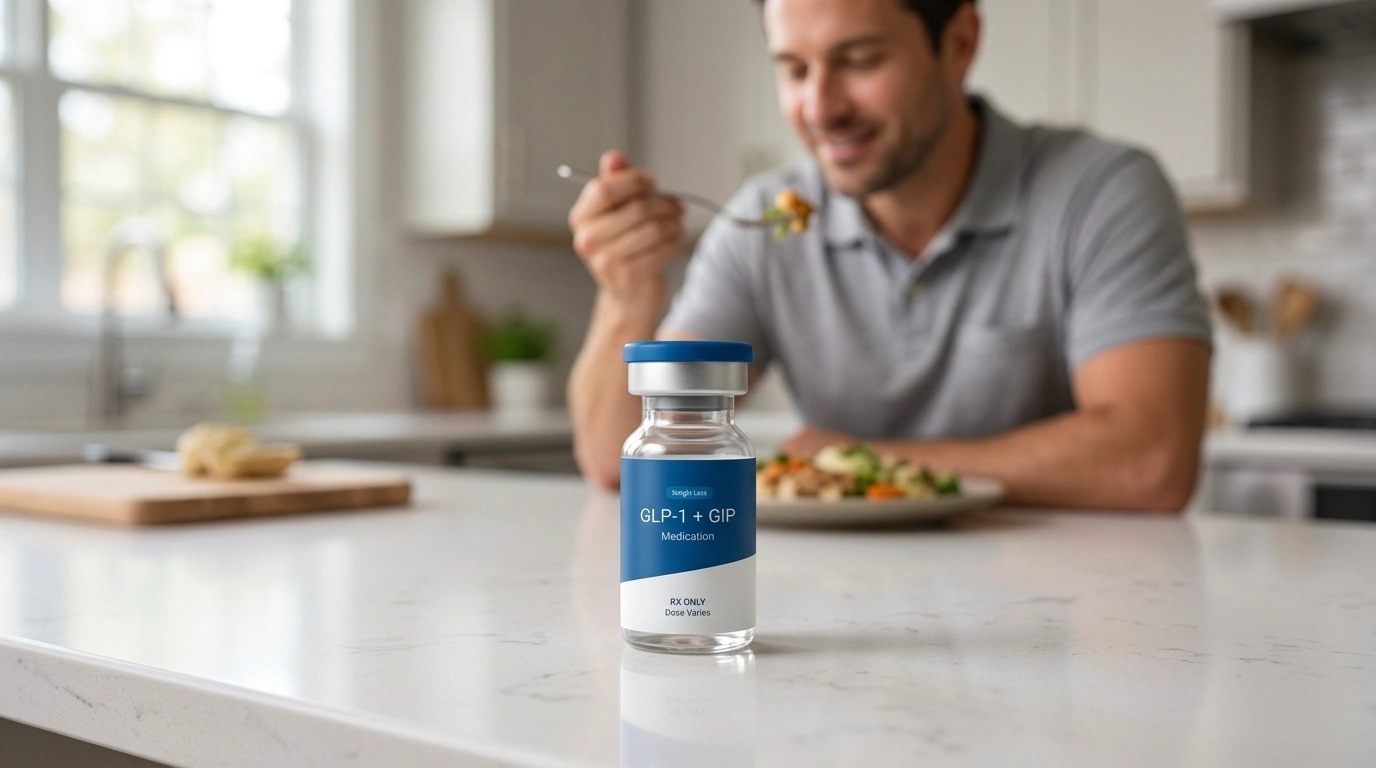
Planning a vacation or a business trip should be about your destination, not the stress of your medication logistics. For many individuals using Zepbound® for weight management, the thought of navigating airport security with injectable pens can feel overwhelming. You might worry about the pens staying cool, the X-ray machines damaging the medicine, or a TSA officer questioning your supplies. The short answer is yes, you can take Zepbound pens on a plane, and the process is more straightforward than you might think. At TrimRx, we believe that your health journey should fit into your life, not hold you back from it. If you are wondering whether a personalized program is right for you, you can take the free assessment quiz to get started. This guide provides a clear roadmap for traveling with your medication, ensuring your doses remain safe and effective while you explore the world.
The Most Important Rule: Always Carry-On
When you are preparing to fly, the single most important rule for your medication is to keep it in your carry-on luggage. Never put your Zepbound pens in a checked bag. The cargo hold of an airplane is not temperature-controlled in the same way the cabin is. Temperatures in the belly of the plane can drop below freezing or rise to extreme levels while the aircraft sits on the tarmac. For a broader look at travel logistics, see our guide on traveling with GLP-1 medications.
Extreme temperatures can ruin tirzepatide, which is the active ingredient in Zepbound. Tirzepatide is a dual receptor agonist that mimics hormones in your body to help manage weight. These types of medications are proteins, and like all proteins, they are sensitive to their environment. Freezing or excessive heat can cause the medication to break down, making it ineffective. Additionally, checked luggage is at a much higher risk of being lost or delayed. Keeping your pens in your hand luggage ensures they stay within a safe temperature range and remain in your possession at all times.
Zepbound Storage Requirements for Travel
Before you pack, it is essential to understand exactly how Zepbound® needs to be stored. Your travel strategy will depend largely on how long you will be away from home and what the climate is like at your destination.
The 21-Day Room Temperature Rule
Zepbound is typically stored in the refrigerator at a temperature between 36°F and 46°F (2°C to 8°C). However, the manufacturer states that these pens can be kept at room temperature—up to 86°F (30°C)—for up to 21 days. This is a vital piece of information for travelers. If your trip is shorter than three weeks, you may not need to worry about keeping the pens on ice the entire time, provided they are not exposed to high heat.
Temperature Comparison for Zepbound Storage
| Condition | Temperature Range | Maximum Duration |
|---|---|---|
| Refrigerated | 36°F – 46°F (2°C – 8°C) | Until Expiration Date |
| Room Temperature | Up to 86°F (30°C) | 21 Days |
| Frozen | Below 32°F (0°C) | Do Not Use |
| High Heat | Above 86°F (30°C) | Discard Immediately |
Key Takeaway: Once a Zepbound pen reaches room temperature, it should not be put back in the refrigerator. You must use it within 21 days or discard it.
Choosing the Right Travel Cooler
If you are traveling for longer than 21 days, or if you are headed to a very hot climate, you will need a way to keep your medication cool. A standard lunch bag with a basic ice pack may not be enough for long-haul flights or tropical destinations.
Insulated Pouches
For short flights in moderate weather, a simple insulated medical pouch can provide a buffer against temperature changes. These pouches do not necessarily “cool” the medication, but they help keep it at a stable ambient temperature.
Medical-Grade Cooling Cases
For more serious travel, consider a medical-grade cooling case designed specifically for injectable medications like tirzepatide. Some of these cases use specialized gel packs that stay cold longer than standard ice, while others use vacuum-insulated stainless steel. There are even electric travel coolers that can be plugged into a USB port on the plane to maintain a steady refrigerator temperature.
Note: If you use a gel pack or ice pack, ensure it does not directly touch the Zepbound® pen. Direct contact can cause the medication to freeze, which ruins it. Wrap the pen in a small cloth or use a case with a built-in divider.
Navigating TSA and Airport Security
The Transportation Security Administration (TSA) has clear rules regarding medically necessary liquids and needles. Knowing your rights can make the security line much faster.
The Medically Necessary Liquid Exception
You are likely familiar with the “3-1-1” rule for liquids in carry-ons, which limits containers to 3.4 ounces. However, prescription medications are exempt from this rule. You can carry your Zepbound pens and any necessary cooling packs even if they exceed the standard liquid limits.
Declaring Your Medication
When you reach the front of the security line, it is best to be proactive. Tell the TSA officer that you are carrying a prescription injectable medication. You should place your medication bag in a separate bin for screening. You do not need to remove the pens from their original packaging, but having the pharmacy label visible can help the officer verify the contents quickly.
X-Rays and Scanners
Many travelers ask if the X-ray machine will damage the medication. According to current medical guidance and manufacturer information, the X-ray machines used at airport security do not affect the safety or potency of tirzepatide. You can safely let your pens pass through the belt. If you are still concerned, you can request a manual visual inspection, though this may take more time.
Documentation to Carry
While not always strictly required for domestic travel, having the right paperwork can prevent delays.
- Original Packaging: Keep the pens in the box they came in, which includes your name and the prescription details.
- A Copy of Your Prescription: A paper or digital copy of your prescription is helpful.
- A Doctor’s Letter: If you are traveling with a large supply of medication or needles, a simple letter from your healthcare provider explaining the medical necessity can be useful.
Managing Doses and Time Zones
Traveling often means disrupting your normal routine. Since Zepbound® is a once-weekly injection, a long trip may cross over your scheduled “shot day.”
Adjusting Your Schedule
If you are traveling across several time zones, you might wonder when to take your dose. Most providers suggest sticking to your “home” time zone if the trip is short. If you are staying at your destination for a while, you can gradually shift your dose by a few hours each day until you reach your preferred time in the new zone.
What if You Miss a Dose?
Travel delays happen. If you miss your scheduled dose, the general rule for Zepbound is that you can take it within four days (96 hours) of your scheduled time. If more than four days have passed, you should skip the dose and wait until your next regularly scheduled day. Never take two doses at the same time to make up for a missed one.
Side Effect Management on the Road
Travel can be hard on the digestive system even without medication. When you add a GLP-1 or GIP/GLP-1 receptor agonist to the mix, you may need to be extra cautious. Common side effects of Zepbound® include nausea, bloating, and changes in bowel habits. If you want a deeper breakdown of these effects, the article on tirzepatide side effects is a helpful companion read.
Stay Hydrated
Dehydration is a common issue during air travel. It can also worsen the side effects of weight-loss medications. Drink plenty of water before, during, and after your flight. Avoid excessive caffeine or alcohol, which can further dehydrate you.
Pack a “Side Effect Kit”
We recommend our members pack a small kit to manage potential GI issues. This might include:
- Over-the-counter anti-nausea medication (after consulting your doctor)
- Fiber supplements to help with regularity
- Electrolyte powder packets
- Ginger chews or peppermint tea for mild stomach upset
Nutrient Support
For those looking to optimize their experience on these medications, supportive supplements can play a role during travel. This can help you stay on track when appetite is lower and your routine changes.
Traveling Internationally with Zepbound
International travel requires an extra layer of preparation. Different countries have different laws regarding prescription drugs, especially injectables and needles.
Check Local Laws
Before you depart, check the embassy website of your destination country. Some countries, particularly in the Middle East and parts of Asia, have very strict regulations for bringing in medications. You may need to pre-register your medication or provide specific documentation from your doctor.
Language Barriers
If you are traveling to a country where English is not the primary language, it may be helpful to have your doctor’s letter translated. This ensures that customs officials or local medical staff can understand what the medication is and why you are taking it.
Availability Abroad
Do not assume you can get a refill of Zepbound® or a similar tirzepatide product at your destination. While these medications are becoming more globally available, supply chain issues and different brand names (like Mounjaro®) can make it difficult to find. Always bring more than you think you will need in case of travel delays.
A Step-by-Step Packing Process
To make your departure as smooth as possible, follow this simple checklist:
- Calculate Your Doses: Determine exactly how many pens you need for the duration of your trip plus one extra for emergencies.
- Check Expiration Dates: Ensure your pens will not expire while you are away.
- Prepare Your Paperwork: Gather your prescription copies and doctor’s letter.
- Choose Your Cooler: Select the appropriate cooling case based on your destination’s temperature.
- Pack Your “Side Effect Kit”: Include hydration aids and OTC remedies.
- Pack Your Carry-On: Place your medication in an easily accessible part of your bag.
- Set Alarms: Adjust your phone’s calendar to remind you of your injection day in the new time zone.
How TrimRx Supports Your Journey
At TrimRx, we understand that weight loss is a journey that doesn’t stop when you board a plane. Our personalized programs are designed to provide you with the tools and support you need, no matter where you are. We offer access to medically supervised programs that include doctor consultations and medications shipped directly to your door.
Our telehealth-first approach means you can manage your health from your phone or laptop. Whether you are at home or halfway across the country, our team of specialists is available to answer your questions about dosing, side effects, or travel logistics. We believe in transparency and science, providing you with a clear path toward sustainable health without the hurdles of traditional in-person visits. If you are ready to see whether a personalized plan is a fit for you, complete the free assessment quiz.
Bottom line: Traveling with Zepbound® is entirely manageable with the right preparation. By keeping your medication in your carry-on, monitoring the temperature, and having your documentation ready, you can focus on your trip with peace of mind.
Conclusion
Taking your weight loss journey on the road should be an empowering experience. By following the storage and TSA guidelines outlined here, you can ensure your medication remains safe and effective while you travel. Remember to stay hydrated, plan for time zone changes, and keep your documentation handy. Our mission is to help you embrace a healthier lifestyle through a transparent and personalized approach to weight loss. We are here to support you every step of the way, providing the clinical expertise and dedicated care you deserve. If you are ready to take the next step in your health journey, see if you qualify for a personalized program.
FAQ
Can I put my Zepbound pens in my checked luggage?
No, you should never put Zepbound® pens in checked luggage because the temperature in the cargo hold is not controlled and can cause the medication to freeze or overheat. Additionally, there is a risk of the airline losing your bag. Always keep your medication in your carry-on bag. For more travel guidance, review our guide on traveling with GLP-1 medications.
Does Zepbound need to be refrigerated during a long flight?
Zepbound can stay at room temperature (up to 86°F) for up to 21 days. If your flight is under 21 days and the cabin temperature remains moderate, you do not strictly need a cooler. However, if you are traveling to a hot climate or will be away for more than three weeks, using a medical-grade cooling case is highly recommended.
Will the airport X-ray machine damage my Zepbound pens?
No, the X-ray machines used at airport security checkpoints are safe for Zepbound® pens. They do not affect the potency or safety of the tirzepatide inside. You can put your medication through the scanner with confidence, though you should declare it to the TSA officer first. If you want a fuller overview of common reactions, see the guide on tirzepatide side effects.
What should I do if my Zepbound pen gets too warm while traveling?
If your Zepbound pen is exposed to temperatures above 86°F (30°C), the medication may begin to degrade and become less effective. If the liquid in the pen looks cloudy, discolored, or contains particles, you should not use it. If you are unsure, consult your healthcare provider or a pharmacist before taking the dose.
Disclaimer: This content is for informational purposes only and does not constitute medical advice. It is not intended to diagnose, treat, cure, or prevent any disease or condition. Individual results may vary. Always consult a qualified healthcare professional before starting any weight loss program or medication.

Transforming Lives, One Step at a Time
Keep reading

Why Is There a Bruise Where I Injected My Zepbound?
A bruise means a small blood vessel was disturbed under the skin and blood spread into the surrounding tissue. It is one of the…
My Zepbound Pen Won’t Click Past a Certain Dose
Start by checking which device you are holding, because the answer depends entirely on that. Zepbound has commonly been supplied in the United States…
Zepbound Alternatives: Your Options Compared
If Zepbound isn’t the right fit, the main alternative is semaglutide (sold as Wegovy), which produces slightly less weight loss but works similarly, along…


