GLP-1 Diet Plan: Foods to Avoid and Include
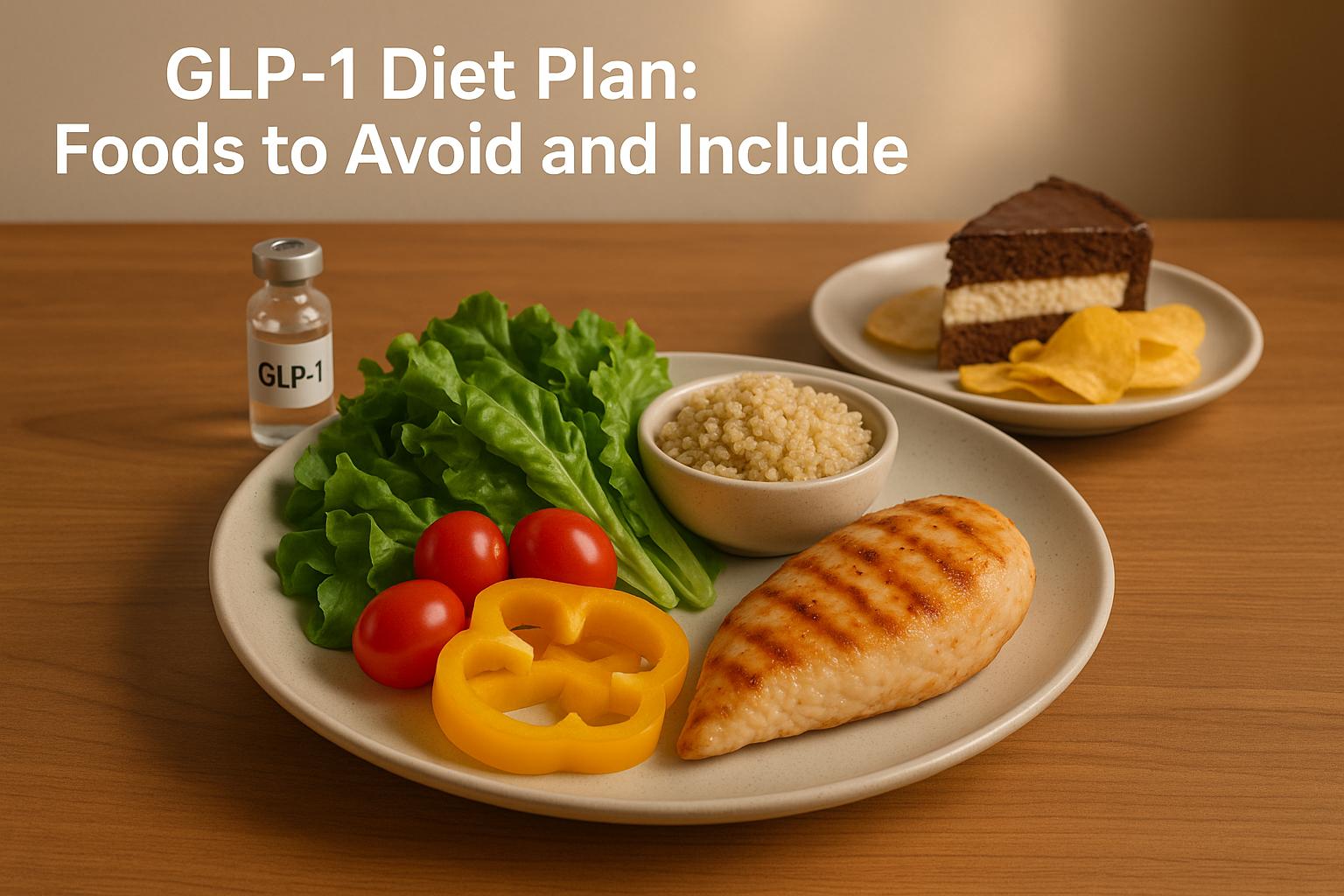
GLP-1 medications, like Ozempic and Wegovy, aid weight loss by slowing digestion, reducing cravings, and improving blood sugar control. But to maximize their benefits and minimize side effects like nausea or bloating, your diet matters. Here’s what you need to know:
Key Points:
- Foods to Include:
- Lean Proteins: Chicken, fish, eggs, tofu, lentils.
- High-Fiber Choices: Whole grains, vegetables, legumes.
- Healthy Fats: Avocados, nuts, olive oil (in moderation).
- Low-Sugar Fruits: Berries, apples, citrus.
- Foods to Avoid:
- Sugary/Processed Foods: Soda, candy, pastries, refined carbs.
- High-Fat/Greasy Foods: Fried items, creamy dishes, fast food.
- Trigger Foods: Spicy, acidic foods, alcohol, carbonated drinks.
- Tips to Manage Side Effects:
- Eat smaller, balanced meals every 3–4 hours.
- Stay hydrated (64 oz. daily).
- Include ginger or bland foods for nausea.
- Breaking Plateaus:
- Increase protein (25–30g/meal) and fiber (25–30g/day).
- Monitor portions and consider nutrient-rich foods like leafy greens and fatty fish.
A personalized plan tailored to your preferences, health, and lifestyle is essential for long-term success. Pairing the right foods with GLP-1 medications can help you stay on track and feel your best.
GLP-1 Diet Guide: What to Eat & What to Avoid (From a Nutritionist)
Foods to Include in Your GLP-1 Diet
Choosing the right foods can amplify the benefits of GLP-1 medications, keeping you energized and satisfied while supporting your weight loss journey. Since these medications slow digestion, it’s important to focus on foods that align with this process, ensuring comfort and effectiveness.
Lean Proteins for Sustained Energy
When you’re on GLP-1 medications, protein should be the star of your meals. It helps preserve muscle during weight loss, keeps hunger at bay, and provides steady energy without spiking blood sugar levels.
Some top protein picks include:
- Chicken breast, turkey, and lean beef: These options deliver complete amino acids while being easy to incorporate into meals.
- Fish like salmon, cod, and tilapia: In addition to protein, they supply omega-3 fatty acids, which support heart health and may reduce inflammation.
- Eggs: A budget-friendly, versatile option that works well scrambled, boiled, or as an omelet with veggies.
For plant-based eaters, options like tofu, tempeh, seitan, lentils, black beans, kidney beans, and chickpeas provide both protein and fiber, helping with digestion and blood sugar control.
High-Fiber Foods for Digestive Support
Fiber is your ally when taking GLP-1 medications. It not only improves digestion but also helps manage common side effects like constipation. Plus, fiber works hand-in-hand with GLP-1 medications to enhance feelings of fullness and stabilize blood sugar.
Here’s how to add more fiber to your meals:
- Whole grains: Swap refined grains for oats, brown rice, quinoa, barley, or farro. For example, starting your day with oatmeal topped with fresh fruit combines fiber and protein to curb hunger for hours.
- Vegetables: Broccoli, spinach, carrots, Brussels sprouts, and leafy greens like kale are nutrient powerhouses. Bell peppers, tomatoes, and peas add variety and support natural GLP-1 production. If cruciferous veggies like broccoli or cauliflower cause bloating, try cooking them – steaming or roasting helps make them easier to digest.
- Legumes: Black beans, lentils, kidney beans, and chickpeas provide both fiber and protein. They’re affordable, versatile, and great for keeping meals interesting.
Healthy Fats and Low-Sugar Choices
Balancing your diet with healthy fats and low-sugar foods is essential. While too much fat can slow digestion further, the right kinds in moderate amounts aid nutrient absorption and hormone production.
- Avocados: Packed with heart-healthy monounsaturated fats, avocados are an excellent addition to salads, toast, or omelets. Stick to a quarter or half an avocado per meal for optimal digestion.
- Nuts and seeds: Almonds, walnuts, chia seeds, and flaxseeds offer a mix of healthy fats, protein, and fiber. Sprinkle them on yogurt or smoothies, but keep portions small – about 1 ounce is enough.
- Olive oil: A staple for cooking and dressings, olive oil is rich in anti-inflammatory properties and heart-healthy fats. Extra virgin olive oil is especially nutritious.
- Low-sugar fruits: Berries like blueberries, strawberries, and raspberries are fiber-rich and antioxidant-packed without causing sugar spikes. Apples, pears, and citrus fruits are also great choices, especially when paired with a bit of protein or fat to slow sugar absorption.
Adding a variety of colorful fruits and vegetables not only boosts nutrient intake but also supports your overall health while you’re on GLP-1 medications. This thoughtful approach to nutrition can help you stay on track with your weight loss goals and feel your best.
Foods and Drinks to Avoid
The foods you eat can either support or hinder the effectiveness of your GLP-1 medication. While some choices can enhance your treatment, others can slow progress and worsen side effects. Knowing what to avoid can make a noticeable difference in your results and overall well-being.
Sugary and Processed Foods
High-sugar foods are one of the main culprits when it comes to undermining GLP-1 medications. These foods cause rapid blood sugar spikes, followed by crashes, which can leave you feeling hungrier, more fatigued, and prone to cravings. They may also trigger gastrointestinal discomfort.
Research from 2021 highlights that consuming too much added sugar can weaken the GLP-1 response, reducing the medication’s effectiveness. Foods like soda, fruit juice, candy, pastries, cakes, cookies, sweetened coffee drinks, and full-sugar sports drinks are among the worst offenders. These items provide little nutritional value and are packed with empty calories.
Ultra-processed foods are another challenge. A January 2024 review linked these foods to weight gain, increased waist size, higher blood pressure, and a greater risk of type 2 diabetes. Additives like emulsifiers in processed foods may harm your gut lining, cause inflammation and bloating, and disrupt gut bacteria.
Refined carbohydrates, including white bread, pasta, white rice, and crackers, also lack fiber and essential nutrients. These foods can cause blood sugar fluctuations and may worsen digestive issues like nausea or constipation.
When shopping, check nutrition labels for hidden sugars in items like salad dressings, protein bars, cereals, and sauces. Opt for whole fruits instead of fruit juice, and if you indulge in sweets, pair them with protein or healthy fats to reduce sugar absorption.
High-Fat and Greasy Foods
High-fat foods can strain your digestive system, especially when you’re on GLP-1 medication. These foods slow down digestion, which can amplify side effects such as nausea and bloating. Studies suggest that high-fat diets can interfere with the absorption of GLP-1 medications, making them less effective.
Foods to limit or avoid include:
- Fried items like french fries, fried chicken, and doughnuts
- Fatty and processed meats, such as bacon and sausage
- Rich desserts and baked goods
- Heavy, creamy dishes like mac and cheese or fettuccine Alfredo
- Full-fat dairy products if they cause discomfort
- Fast food and pizza
- Large portions of high-fat foods like peanut butter or cream-based dishes
"Higher fat foods take longer to digest. Because Ozempic helps patients lose weight in part by slowing the digestion of food, adding foods that already take a long time to digest can be a recipe for an upset stomach or nausea", explains Virta Health.
Instead of frying, choose healthier cooking methods like baking, grilling, steaming, or roasting. If you enjoy dairy, try reduced-fat options to see if they’re easier on your stomach. For higher-fat foods, keep portions small and eat slowly to minimize discomfort.
Foods That Trigger Side Effects
Certain foods can trigger side effects, particularly in the early weeks of starting GLP-1 medication when your body is still adjusting.
Spicy and acidic foods – such as hot sauce, salsa, and hot peppers – can irritate your stomach and worsen gastrointestinal issues. If you enjoy spicy flavors, consider dialing back the heat until your body adapts.
Alcohol can exacerbate nausea, vomiting, and dizziness. It may also irritate your stomach and disrupt blood sugar levels, working against your weight loss goals. If you choose to drink, do so sparingly and monitor how your body reacts.
Carbonated beverages are another common trigger. They can cause gas, bloating, and sometimes nausea or "sulfur burps." This includes soda, sparkling water, and carbonated alcoholic drinks.
Starchy fruits and vegetables are worth noting. While most fruits and vegetables are great choices, higher-starch options like potatoes, corn, peas, ripe bananas, pineapple, mangoes, and beets can spike blood sugar levels. Their fiber content may also contribute to digestive discomfort for some people.
Interestingly, many people naturally reduce their intake of problematic foods while on GLP-1 medications. Surveys show that nearly 70% of users reported eating less processed food, and about 50% consumed less soda and refined grains.
Listening to your body is key. Keeping a food diary can help you pinpoint specific triggers and adjust your diet accordingly. By avoiding these foods and drinks, you not only enhance the effectiveness of your medication but also improve your overall experience with the treatment.
sbb-itb-e2779c3
How to Break Through Weight Loss Plateaus
When it comes to overcoming weight loss plateaus, making thoughtful adjustments to your nutrition can make all the difference.
Hitting a plateau is a common hurdle for those using GLP-1 medications. After initial success, progress often slows down. Understanding that this is a natural part of the process can help you stay motivated while you make the necessary tweaks to keep moving forward.
Your body adapts over time, which can cause your metabolism to slow and reduce your response to the medication. The silver lining? With some targeted dietary changes, you can get back on track.
Adjusting Your Macronutrients
Protein and fiber are your allies during plateau periods. Aim for 25–30 grams of protein per meal to maintain muscle mass and support your metabolism. Protein also requires more energy to digest than carbs or fats, giving your calorie burn a little boost. Mix up your protein sources to keep things interesting – swap out chicken breast for options like fish, lean beef, turkey, eggs, Greek yogurt, or plant-based choices like lentils and tofu.
Fiber is just as important. Try to hit 25–30 grams of fiber daily to aid digestion and keep you feeling fuller for longer. Experiment with a variety of fiber-rich foods, such as different vegetables, quinoa, or cauliflower rice, to see what works best for you. Another tip: time your carb intake around periods of higher activity, like workouts, to help your body use that energy more efficiently.
Watching Portions and Staying Hydrated
As your appetite adjusts with GLP-1 medication, your portion sizes might need a second look. Spend a week tracking your portions to spot any imbalances. A simple guide: use your palm to measure protein, a cupped hand for carbs, and your thumb for healthy fats.
Hydration plays a key role in breaking through plateaus. Aim for at least 64 oz. of water daily – more if you’re active or dealing with hot weather. Staying hydrated supports GLP-1 medication effectiveness, aids digestion, and helps your body absorb nutrients. Try sipping water throughout the day and drinking a glass about 30 minutes before meals to enhance fullness and prevent unnecessary snacking.
Once you’ve fine-tuned your macronutrients and portions, it’s time to focus on your vitamin and mineral intake.
Adding Vitamin and Mineral Support
Nutritional balance is essential for keeping your progress steady. Certain vitamin and mineral deficiencies can stall weight loss. For example, a lack of vitamin D can slow your metabolism and lead to cravings for calorie-dense foods.
B vitamins are crucial for converting food into energy, but when your overall food intake drops, you might not be getting enough B12, folate, or B6. Magnesium also supports blood sugar regulation and muscle function, while low iron levels – especially if you’ve cut back on red meat – can cause fatigue, making it harder to stay active.
To pinpoint your specific needs, consider consulting with your healthcare provider and getting blood work done. This can help identify any deficiencies that may require targeted supplements or dietary adjustments. Focus on nutrient-dense foods like leafy greens, fatty fish, nuts, and colorful vegetables to make every bite count.
Breaking through a weight loss plateau doesn’t require drastic measures. Instead, focus on sustainable tweaks to your macronutrient balance, portion sizes, hydration, and nutrient intake to reignite your progress. Small, consistent changes can lead to big results.
Sample GLP-1 Meal Plan and Tips
Having a structured meal plan can make following a GLP-1 diet much easier. It helps you stay on track nutritionally and can even minimize some of the medication’s side effects. Below is an example of a daily meal plan designed with these goals in mind.
Daily Meal Plan Example
Breakfast (7:00 AM): Kick off your day with 2 scrambled eggs cooked in 1 teaspoon of olive oil. Pair them with 1 slice of whole grain toast and half an avocado. Add 3/4 cup of fresh berries, like blueberries or strawberries, on the side. This breakfast provides about 25 grams of protein and 8 grams of fiber to keep you full and energized through the morning.
Mid-Morning Snack (10:00 AM): Keep it light and satisfying with 1 cup of plain Greek yogurt. Top it with 1 tablespoon of chopped walnuts and a sprinkle of cinnamon. This snack adds 15 grams of protein along with healthy fats to keep hunger in check.
Lunch (1:00 PM): Create a balanced plate with 4 oz. of grilled chicken breast, 1 cup of roasted vegetables (such as broccoli and bell peppers), and 1/2 cup of quinoa. Drizzle with 1 tablespoon of olive oil and a squeeze of lemon juice. This meal delivers about 35 grams of protein and 10 grams of fiber.
Afternoon Snack (4:00 PM): Enjoy 1/4 cup of hummus with 1 cup of sliced cucumber and cherry tomatoes. This combination offers plant-based protein and fiber, while being easy on your stomach.
Dinner (7:00 PM): Savor 4 oz. of baked salmon alongside 1 cup of steamed asparagus and 1/2 cup of roasted sweet potato cubes seasoned with herbs. This meal provides a mix of omega-3 fatty acids, quality protein, and slow-digesting carbs.
Evening Snack: A small handful of almonds can help curb late-night cravings without disrupting your digestion or sleep.
This example plan provides approximately 1,200–1,400 calories with balanced macronutrients. Stay hydrated throughout the day, aiming for 8-10 glasses of water to support your medication’s effects.
Managing Side Effects with Food Choices
Nausea is one of the most common side effects when starting GLP-1 medications. To ease this, stick to bland, easy-to-digest foods like plain rice, toast, bananas, or applesauce. These options are gentle on your stomach while still offering nutrients.
Ginger is a natural remedy for nausea. Try sipping ginger tea or adding fresh grated ginger to smoothies. Eating smaller meals every 2-3 hours can also help prevent the empty stomach feeling that often worsens nausea.
When queasy, cold foods can feel more appealing than warm meals. Chilled fruit, yogurt, or smoothies made with protein powder, spinach, and frozen berries are good options. The cooler temperature can be soothing when your appetite is low.
For constipation, focus on soluble fiber sources like oatmeal, pears, and beans, which are easier on digestion compared to insoluble fiber. Prunes and prune juice can also help, offering a gentle, natural solution.
If heartburn or acid reflux is an issue, steer clear of acidic foods like citrus fruits, tomatoes, and spicy dishes. Instead, opt for alkaline foods such as leafy greens, melons, and oatmeal. To reduce nighttime reflux, avoid eating within three hours of bedtime.
Customizing the Plan for Your Needs
Personalization is key when it comes to a GLP-1 meal plan. Adjust meals to suit your tastes, dietary needs, and schedule. Aim for 25–30 grams of protein per meal, and if you prefer plant-based options, swap animal proteins for tofu, tempeh, or lentils.
If you have food intolerances, make substitutions carefully. For example, if dairy is an issue, replace Greek yogurt with coconut yogurt and add protein powder, or choose lactose-free alternatives. For gluten sensitivity, swap whole grain toast for gluten-free bread or add more veggies to your plate.
Work schedules can also affect meal timing. If you work night shifts or have irregular hours, space your meals about 4-5 hours apart based on when you wake up. Consistency in timing and portion sizes is more important than the exact clock time.
On a budget? Affordable options like canned fish, eggs, dried beans, and frozen vegetables can help you stick to your plan without overspending. Buying proteins in bulk and freezing individual portions is another cost-effective strategy.
Your activity level may also dictate some tweaks. If you’re active, consider adding an extra 1/4 cup of quinoa or sweet potato to your post-workout meal for extra energy. On less active days, slightly reduce starchy carbs while keeping your protein and vegetable intake steady.
The best GLP-1 plans are those that fit seamlessly into your life. Start with this framework and make small adjustments based on your body’s needs, lifestyle, and preferences. Consistency is the real key to success.
Getting Started with Your GLP-1 Diet
Now that you’re ready to dive into your GLP-1 diet, it’s time to focus on building a strong foundation with nutrient-packed foods and the right support system. Pairing your medication with a well-thought-out eating plan can set you up for success.
Key Points for GLP-1 Diet Success
To make the most of your GLP-1 medication, center your diet around wholesome, nutrient-rich foods. Start with lean proteins like chicken breast, fish, and eggs – these not only help maintain muscle but also keep you feeling full longer. Add a mix of fiber-rich vegetables such as broccoli, spinach, and bell peppers to aid digestion and reduce the likelihood of constipation, which can be a side effect of GLP-1 medications.
Keep your meals balanced and practice portion control. Eating every 3–4 hours can help stabilize blood sugar levels and minimize nausea. It’s also important to tailor your eating schedule to fit your body’s needs and your day-to-day routine.
Once you’ve established these basics, seeking professional guidance can help refine your approach and maximize your results.
How TrimRX Can Support Your Journey

Navigating your GLP-1 diet becomes much more manageable with expert help, and that’s where TrimRX steps in. They offer personalized weight loss programs that combine GLP-1 medications with professional support to create a plan that works specifically for you.
Your journey with TrimRX begins with a detailed consultation. Their medical team dives into your health history, personal goals, and unique needs to recommend the right GLP-1 medication. Options include Oral Semaglutide starting at $179, as well as popular brands like Wegovy, Ozempic, Tirzepatide, or Mounjaro.
What sets TrimRX apart is their unlimited access to medical support. Whether you’re figuring out how certain foods affect your body or adjusting to your medication, their team is there to guide you. They also offer custom dosing options, making it easier to stick to your plan without hassle.
For those looking to enhance their nutritional approach, TrimRX provides targeted supplements. The GLP-1 Daily Support formula ($119) features ingredients like Alpha Lipoic Acid, Berberine, and Chromium to complement your medication. Additionally, their Weight Loss Boost supplement ($149) is designed to work alongside your diet to support fat burning.
With the right combination of expert advice, personalized medication plans, and ongoing support, TrimRX offers the tools you need to make your GLP-1 diet a success.
FAQs
What are some tips for managing nausea on a GLP-1 diet plan?
To help manage nausea while following a GLP-1 diet plan, steer clear of high-fat foods like fried dishes, processed meats, and rich sauces, as these can be tough on your digestive system. Instead, stick to bland, gentle options such as whole-grain toast, plain crackers, or oatmeal, which are easier to digest.
You might also find relief with natural remedies like sipping ginger tea or enjoying small portions of fresh fruit. Eating smaller meals more frequently and keeping yourself hydrated throughout the day can also ease discomfort. If the nausea continues, it’s a good idea to reach out to your healthcare provider for tailored advice.
What are some affordable ways to include lean proteins and high-fiber foods in my GLP-1-friendly diet?
Incorporating lean proteins and high-fiber foods into your GLP-1 diet can be done without straining your wallet. Some affordable lean protein options include eggs, chicken breast, canned tuna, tofu, lentils, and beans. When it comes to high-fiber foods, you can turn to budget-friendly choices like oats, brown rice, whole-grain bread, frozen vegetables, and seasonal fruits.
By planning meals around these staples and purchasing in bulk when possible, you can cut costs while sticking to your diet plan. These foods not only complement your medication but also contribute to better health and keep you feeling full and satisfied.
What should I do if my weight loss stalls on a GLP-1 diet plan?
If you hit a weight loss plateau while following a GLP-1 diet plan, don’t stress – it’s a normal part of the process. Start by taking a closer look at your calorie intake. After shedding some pounds, your body may need fewer calories to keep progressing. Another way to shake things up is by increasing your physical activity. Adding resistance training, for example, can help rev up your metabolism and maintain lean muscle.
It’s also a good idea to check in with your healthcare provider. They can help you evaluate whether adjustments to your GLP-1 medication dosage or other treatment options might be beneficial. Beyond that, focus on the basics: get enough sleep, keep stress in check, and stick to a diet packed with protein and fiber. These small yet meaningful changes can help you push past the plateau and keep making strides toward your goals.
Related Blog Posts

Transforming Lives, One Step at a Time
Keep reading
Weight Loss Progress Tracker
Track your weight loss over time, see progress clearly, and stay motivated with simple charts, summaries, and goal-based insights.
How to Create a Personalized Adherence Plan
Build a one-page GLP-1 adherence plan: record dose, pick a weekly time, set reminders, log side effects, and review monthly.
Weight Loss Medication Dosage Calculator
Estimate weight loss medication doses by weight and drug type, with starting guidance, dose progression info, and a clear medical disclaimer.


