GLP-1 Medications and Alcohol: Does Drinking Affect Results
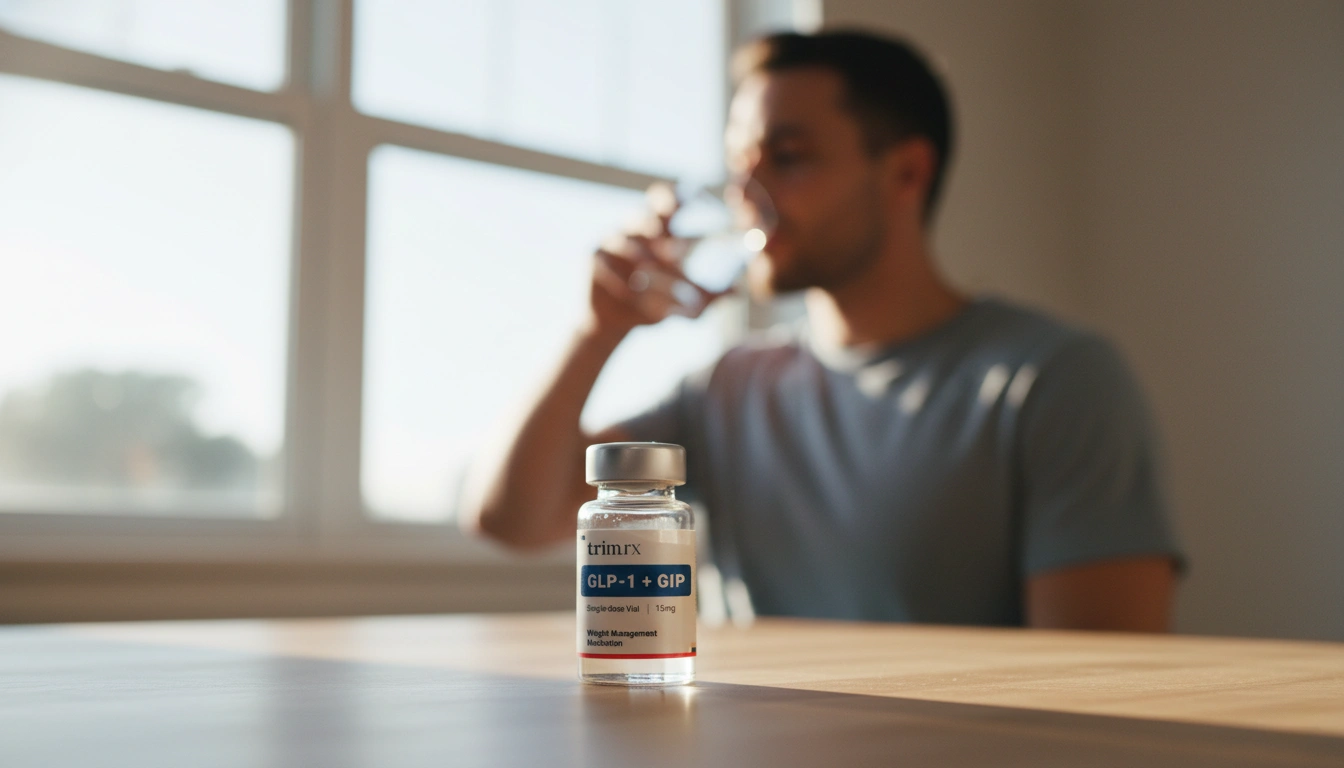
Alcohol and GLP-1 medications can coexist, but they don’t always play nicely together. If you’re taking semaglutide, tirzepatide, or any GLP-1 medication and wondering whether your weekend glass of wine (or two) is undermining your progress, the short answer is: it depends on how much you drink and how your body responds. Here’s what the research and clinical experience actually show.
How GLP-1 Medications Affect Your Response to Alcohol
One of the more surprising things patients notice on GLP-1 medications is that alcohol hits differently. Many people report feeling the effects of alcohol faster and more intensely than they did before starting treatment. This isn’t just perception.
GLP-1 medications slow gastric emptying, meaning food and liquids move through your stomach more slowly than usual. When alcohol lingers in the stomach longer before reaching the small intestine, absorption can become less predictable. In some cases this leads to a lower peak blood alcohol concentration; in others, patients feel intoxicated faster because of reduced food intake and lower overall tolerance from weight loss.
The takeaway: your previous relationship with alcohol may not apply anymore. What felt like two drinks before treatment might feel like three now.
Does Alcohol Hurt Your Weight Loss Results?
This is the practical question most patients care about. The honest answer is yes, regular or heavy drinking can slow your progress on GLP-1 medications, and here’s why.
Alcohol is calorie-dense without being filling. A standard glass of wine contains roughly 120–150 calories. A beer runs 150–200. Mixed drinks with syrups and juices can easily hit 300 or more. These calories don’t trigger the same satiety signals that food does, so they stack on top of your daily intake rather than replacing anything.
On top of that, alcohol lowers inhibitions around food choices. Even with the appetite suppression GLP-1 medications provide, a few drinks can make late-night snacking more appealing and portion control harder to maintain. Consider this scenario: a patient is doing well on semaglutide, consistently eating around 1,400 calories a day. On Friday nights she has three glasses of wine and ends up ordering takeout. She’s not gaining weight, but her plateau has lasted six weeks. The wine isn’t the only factor, but it’s a consistent variable worth addressing.
Research backs this up. A 2021 analysis published in Obesity Reviews found that alcohol consumption was independently associated with reduced weight loss success in lifestyle intervention programs, particularly when drinking occurred more than twice per week.
The Blood Sugar Connection
If you have prediabetes or insulin resistance alongside your weight loss goals, alcohol adds another layer of complexity. Alcohol can cause both hypoglycemia (low blood sugar) and delayed blood sugar spikes depending on what you’re drinking and whether you’ve eaten.
GLP-1 medications on their own carry a low risk of hypoglycemia in non-diabetic patients. But combine alcohol with reduced food intake, which is common on these medications, and the risk of a blood sugar dip increases. Symptoms like dizziness, shakiness, and confusion can overlap with simply feeling drunk, making it harder to recognize what’s actually happening.
Drinking on an empty stomach while on a GLP-1 medication is particularly risky for this reason. If you do drink, eating something beforehand matters more than it did before treatment.
GLP-1 Medications May Reduce Alcohol Cravings
Here’s something genuinely interesting. Several studies and a growing body of patient reports suggest that GLP-1 medications reduce the desire to drink alcohol, sometimes significantly.
The mechanism appears to involve dopamine pathways. GLP-1 receptors are present in the brain’s reward centers, and the same signaling that dampens food cravings seems to reduce the pull toward alcohol and other reward-driven behaviors. Early clinical observations, along with data from animal models, suggest that GLP-1 agonists reduce alcohol consumption by making it feel less rewarding.
This effect isn’t universal, and it’s not a reason to start a GLP-1 medication specifically for alcohol use. But for patients who previously relied on alcohol for stress relief or social comfort, many find that the craving simply diminishes on its own during treatment. You can read more about what’s happening neurologically in our article on why Ozempic reduces alcohol cravings.
What About Nausea and GI Side Effects?
Nausea is one of the most common side effects when starting GLP-1 medications, particularly in the first few weeks or after a dose increase. Alcohol can make this significantly worse.
Both alcohol and GLP-1 medications affect gastric motility and can irritate the stomach lining. Combining them, especially early in treatment or after a dose escalation, often intensifies nausea, reflux, and general GI discomfort. Some patients find that even one drink triggers a level of nausea that keeps them in bed the next morning.
If you’re in the early weeks of treatment or recently increased your dose, this is a practical reason to hold off on drinking until your body has adjusted. Once you’re stable on a dose and tolerating it well, moderate drinking tends to be less disruptive for most people.
Practical Guidelines for Drinking on GLP-1 Medications
There’s no blanket prohibition on alcohol while taking these medications. What matters is being thoughtful about when, how much, and what you drink. A few things that help:
Eat before drinking. Having food in your stomach slows alcohol absorption and reduces the risk of blood sugar drops. Since GLP-1 medications already reduce appetite, you may need to intentionally eat something even if you don’t feel hungry.
Stick to lower-calorie options when possible. Dry wine, light beer, and spirits with soda water have significantly fewer calories than cocktails and sweetened mixers. This won’t eliminate the impact on your results, but it limits the calorie load.
Go slower than you used to. Because your tolerance and absorption may have changed, drink one and wait before having another. The effects may take longer to show up than you expect.
Avoid drinking on your injection day or the day after a dose increase. These are the periods when nausea and GI sensitivity tend to peak.
If you’re working toward a specific weight loss goal and your results have stalled, take an honest look at how often and how much you’re drinking. It’s one of the more underappreciated variables in troubleshooting a plateau.
When to Talk to Your Provider
If you find yourself drinking more than two to three drinks regularly per week while on a GLP-1 medication, it’s worth raising with your prescriber. Not because it’s automatically dangerous, but because it can genuinely limit what the medication can do for you.
It’s also worth mentioning if you’ve noticed your alcohol tolerance has dropped significantly, you’re experiencing nausea after even small amounts, or you’re relying on alcohol to manage anxiety or stress. GLP-1 medications interact with the brain’s reward system in ways that aren’t fully understood yet, and a provider can help you sort out what’s worth monitoring.
TrimRx pairs patients with clinical support throughout treatment, not just at the prescription stage. If alcohol is complicating your results, start your assessment to connect with a provider who can help you optimize your approach.
This information is for educational purposes and is not medical advice. Consult with a healthcare provider before starting any medication. Individual results may vary.

Transforming Lives, One Step at a Time
Keep reading
Building Lasting Habits After Stopping GLP-1 Medications
One of the most common concerns people have about GLP-1 medications is what happens when they stop. The research is clear that weight regain…
Body Image and Weight Loss on GLP-1: The Emotional Side
The physical changes from GLP-1 medications like Ozempic, Wegovy, and tirzepatide can be significant. But the emotional experience of losing weight, especially substantial weight,…

How GLP-1 Medications Affect Mental Health
Weight loss and mental health are deeply connected, and not always in straightforward ways. When people start GLP-1 medications like semaglutide or tirzepatide, they’re…


