GLP-1 for Latino/Hispanic Patients: Cultural Diet Considerations
Introduction
Hispanic and Latino adults in the U.S. have a 17% higher prevalence of type 2 diabetes than non-Hispanic white adults, and a 20% higher rate of obesity (CDC 2023 National Diabetes Statistics Report). The patterns vary by country of origin: Mexican Americans have the highest diabetes rates at about 14.4%, followed by Puerto Rican adults at 12.4%, with Cuban and South American populations generally lower.
The reasons are partly genetic (the SLC16A11 variant associated with type 2 diabetes is present in about 50% of Mexican Americans), partly dietary, partly socioeconomic (access to health care, food environment), and partly cultural. The food piece is what most patients ask about first when starting GLP-1 therapy. Traditional Latino diets are rich in flavor, family ritual, and meaning. Adapting them to GLP-1 eating patterns takes thought, not abandonment.
GLP-1 trial data shows that Hispanic participants respond well. STEP and SURMOUNT enrolled meaningful numbers of Hispanic participants and the weight loss response was comparable to other groups.
At TrimRx, we believe that understanding your options is the first step toward a more manageable health journey. You can take the free assessment quiz if you’re ready to see whether a personalized program is a fit for you.
Do GLP-1 Medications Work the Same in Hispanic Patients?
Yes. Subgroup analyses from STEP and SURMOUNT trials show comparable weight loss across racial and ethnic groups.
Quick Answer: Hispanic adults have 17% higher diabetes prevalence than non-Hispanic white adults
STEP 1 enrolled about 12% Hispanic participants. Weight loss at 68 weeks was 14.5% in Hispanic participants versus 14.9% overall, statistically indistinguishable. STEP 2 in patients with type 2 diabetes had higher Hispanic representation (about 21%) and showed similar A1C and weight outcomes.
SURMOUNT-1 enrolled about 14% Hispanic participants. Weight loss with tirzepatide 15 mg was 20.6% in Hispanic participants versus 20.9% overall.
The SUSTAIN program for type 2 diabetes showed semaglutide reduced A1C by 1.4 to 1.8 points across Hispanic and non-Hispanic populations comparably. PIONEER and SURPASS trials had similar findings.
The medication biology does not vary by ethnicity. The differences in outcomes that exist in the real world are mostly about access, cost, and ability to maintain therapy, not about drug response.
What About the SLC16A11 Variant and Diabetes Risk?
The SLC16A11 variant is a strong genetic risk factor for type 2 diabetes, particularly common in Mexican and other Latin American populations. It was identified in 2014 in a large genetic study published in Nature.
The variant is present in about 50% of Mexican Americans, 10% of East Asian populations, and 2% of European populations. It affects how the liver handles lipids and contributes to insulin resistance.
What it means clinically: Hispanic patients have higher genetic susceptibility to type 2 diabetes that interacts with environmental factors (diet, weight, activity). Weight loss and metabolic intervention are particularly effective in this population because the genetic risk is partly mediated through metabolic pathways that GLP-1 medications target.
This is one reason early intervention with prediabetes is particularly important in Hispanic patients. The DPP trial showed that lifestyle intervention reduced diabetes incidence by 58% in Hispanic participants, the highest reduction of any racial/ethnic group studied.
GLP-1 therapy adds another layer of protection. STEP 1 showed 84% of prediabetic participants returned to normoglycemia. SURMOUNT-1 showed 95% reversion to normoglycemia.
How Do I Adapt Traditional Latino Meals for a GLP-1 Diet?
The traditional Latino diet has a strong nutritional backbone that adapts well to GLP-1 eating patterns. The focus is on portions, preparation methods, and protein emphasis.
Beans are the cornerstone of most Latino cuisines and are GLP-1 friendly. High in protein and fiber, low in fat, satisfying. Black beans, pinto beans, kidney beans all work. The traditional preparation with onions, garlic, and minimal oil is ideal. Avoid heavy refried preparations with lard.
Lean proteins like chicken (pollo asado), fish (pescado), and lean beef cuts (carne asada from sirloin or flank) are excellent. Avoid heavy preparations like chicharrón and high-fat ground beef.
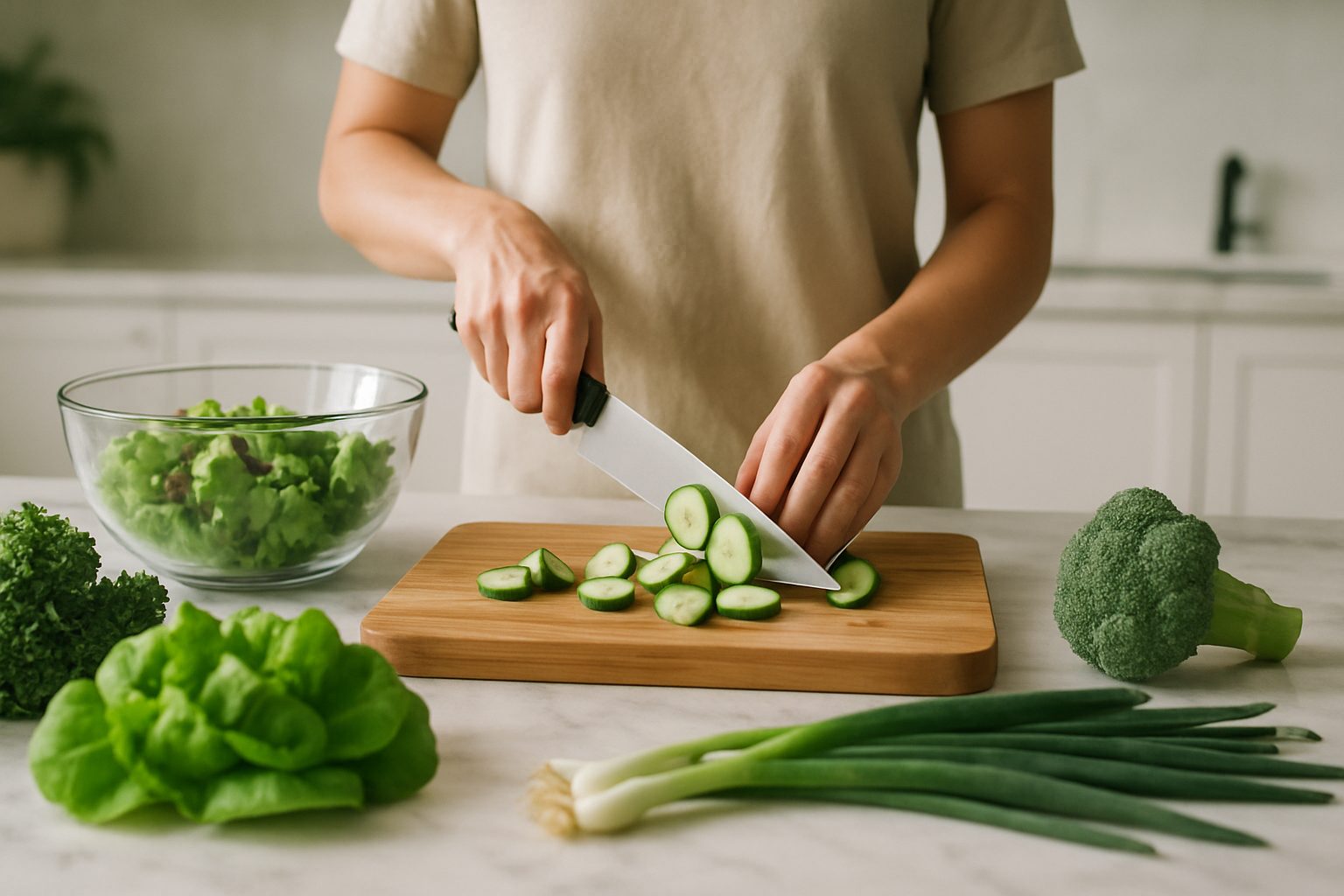
Vegetables in traditional Latino cooking include nopales (cactus), squash (calabacita), tomatoes, peppers, onions, and greens (acelgas). All work well.
Tortillas in moderation. One or two corn tortillas per meal fits within GLP-1 eating patterns. Substitute lettuce wraps when corn tortillas feel like too much.
Rice in smaller portions. Half a cup of rice rather than a full plate. Brown rice or cauliflower rice as alternatives.
What About Traditional Sweets and Celebrations?
The hardest part for many patients. Pan dulce, flan, churros, tres leches cake, dulce de leche, and similar treats are deeply tied to family celebrations and Sunday rituals.
The practical approach: small portions during special occasions rather than complete abstinence. Most GLP-1 patients find that one bite or one small piece is genuinely satisfying because the appetite suppression and slowed gastric emptying make heavy desserts feel less appealing.
The GLP-1 effect on what is sometimes called food noise (intrusive cravings) is notable. Many patients report that the constant pull toward pan dulce or other comfort foods quiets down within the first month. The dessert is still available; the craving is reduced.
Quinceañeras, weddings, holiday dinners, and family gatherings continue to center on food. Going through these on a GLP-1 is easier than expected for most patients. Eat what you want, eat less of it, and the social ritual continues without the metabolic cost.
Some traditional desserts are easier to fit. Fresh fruit-based options (frutas con chile y limón), arroz con leche in small portions, or paletas with real fruit are better fits than the heavier baked goods.
How Do I Handle Family Meals and Family Pressure?
This is often harder than the food choices themselves. Latino food culture often equates eating with love, hospitality, and respect.
Common situations: a grandmother who feels rejected if you don’t take seconds, a family gathering where declining the pan dulce is seen as snobbish, a holiday meal where everyone watches what you eat.
The honest conversation often works best. Explaining that you’re working on health goals (without necessarily disclosing medication details) lets family understand. Many Latino families have multiple members with diabetes or pre-diabetes; the broader awareness is real even if the medication piece is private.
Eating slowly and visibly enjoying what you do eat goes a long way. Praising the cook, asking for the recipe, and showing genuine appreciation for the food matters more than the volume eaten.
Some patients find that bringing a contribution to family meals helps. A vegetable dish or salad in addition to the traditional fare gives you a known option and adds to the table.
The relationship piece evolves over time. Most families adjust within a few months. The first holiday season is the hardest.
Key Takeaway: Traditional Latino diets can be adapted for GLP-1 use without losing cultural meaning
What About Food Insecurity and Access Issues?
Hispanic households have higher rates of food insecurity than non-Hispanic households (about 16.2% in 2022 according to USDA data, versus 7.9% in non-Hispanic white households). Access to fresh vegetables, lean proteins, and quality groceries is not universal.
The good news is that the traditional Latino diet template is naturally affordable and accessible when staples are available. Dried beans, brown rice, eggs, frozen vegetables, and ground turkey or chicken can build a complete week of GLP-1-friendly meals for under $50.
Food deserts in many Latino-majority neighborhoods limit access to quality produce. Strategies that help: shopping at Mexican supermarkets which often have better produce selection and prices than chain grocery stores, frozen vegetables which are as nutritious as fresh, and seasonal purchasing to control costs.
The medication cost itself is a significant barrier. Branded semaglutide and tirzepatide list prices of $1,000 to $1,400 per month are out of reach for many. Compounded versions through telehealth at $200 to $400 per month are more accessible. Patient assistance programs from Novo Nordisk and Eli Lilly can reduce costs for qualifying patients.
A TrimRx personalized treatment plan considers cost in dosing and formulation choices.
What Does a Typical Day of Eating Look Like on a GLP-1 with Latino Preferences?
Breakfast: scrambled eggs with chopped tomato, onion, and a small amount of cheese, served with one corn tortilla or with refried beans (made with minimal oil). Black coffee or cafe de olla with minimal sugar.
Mid-morning if hungry: a small handful of nuts or a piece of fresh fruit (papaya, mango in moderation, or berries).
Lunch: grilled chicken or fish with grilled vegetables and half a cup of rice or beans. A small green salad with lime juice. Water with lime.
Afternoon: yogurt, queso fresco with vegetables, or a small portion of cottage cheese with hot sauce.
Dinner: a smaller version of lunch, perhaps with different protein. Many GLP-1 patients find that dinner naturally becomes smaller than lunch because of evening appetite suppression.
Special occasions: one small piece of pan dulce or flan as a shared dessert. Half a beer or a small glass of wine.
Total calories typically fall to 1,200 to 1,500 per day for women and 1,500 to 1,800 for men on therapeutic GLP-1 doses, without conscious calorie counting.
How Do I Protect Lean Muscle on a Latino Diet?
The same way anyone protects lean muscle: high protein intake and resistance training. The cultural piece is making sure that the protein comes through traditional foods.
Protein targets: 1.0 to 1.5 g per kg body weight per day, spread across meals. For a 160-pound (73 kg) person, that’s 73 to 110 g of protein daily.
Latino diet protein sources that work well: eggs (6-7 g each), beans (15 g per cup cooked), Greek yogurt or yogurt natural (15-20 g per cup), grilled chicken (25-30 g per 4 oz), fish (25 g per 4 oz), lean ground beef or turkey (25 g per 4 oz), queso fresco (6-8 g per oz).
A common pattern: 2 eggs with breakfast (12 g), beans and chicken at lunch (35 g), fish at dinner (25 g), Greek yogurt as snack (15 g). That’s about 87 g, in the right range.
Resistance training does not require a gym. Body-weight exercises, resistance bands, or simple home routines work. The PRIDE trial in older adults showed that twice-weekly resistance training preserved lean mass during caloric restriction.
What About Cultural Considerations for Women Specifically?
Hispanic women face several specific issues. Postpartum weight retention rates are higher than the general population. PCOS prevalence appears similar across ethnic groups but Hispanic women may have higher rates of severe metabolic features.
Gestational diabetes risk is higher in Hispanic women. GLP-1 therapy before planned pregnancy can be particularly beneficial. The 2-month washout before conception applies.
Body image concerns and family pressure are complex. Cultural norms around body size vary widely across Latino populations and generations. Some communities value larger body sizes, particularly in older generations. Younger Latino women may face more contemporary thin-ideal pressure.
The medical conversation should focus on metabolic health markers (A1C, blood pressure, lipids, sleep apnea) rather than body image. Most patients respond well to a health-focused framing.
Bottom line: Beans, lean meats, and vegetables form the protein backbone of GLP-1-compatible Latino eating
FAQ
Can I Keep Eating Tortillas?
Yes, in smaller portions. One or two corn tortillas per meal is fine. Flour tortillas have more calories and refined flour; substitute corn or use as occasional rather than daily.
What About Alcohol Like Cerveza, Tequila, or Vino?
Same rules apply as any GLP-1 patient. Reduced quantities because of increased bioavailability, hydrate well, and avoid heavy drinking. One or two drinks per occasion is generally tolerated.
Will Tradicional Mexican Breakfasts Work?
Yes, with modification. Eggs with vegetables, beans in moderation, one tortilla, salsa. Avoid huevos rancheros with heavy oil, machaca with high fat, or large portions of chilaquiles.
Are Tamales Okay?
Occasional tamales are fine. They are calorie-dense (200-300 calories per tamal) so portion control matters. One tamal as part of a meal with vegetables and protein works.
Can I Eat at Taco Trucks and Mexican Restaurants?
Yes. Order grilled meats (asada, pollo, pescado), corn tortillas in moderation, lots of vegetables (cebolla, tomate, cilantro), salsa instead of cream sauces. Avoid the family-size combo plates.
What About Spanish-speaking Medical Providers?
Important for many patients. Hispanic patients with Spanish-speaking providers have better adherence and outcomes in multiple studies. TrimRx provides communication in English; patients who prefer Spanish should ensure their broader care team includes Spanish-speaking clinicians.
Does Menudo or Pozole Fit a GLP-1 Diet?
Yes, in moderation. These traditional soups are protein-rich (tripe, pork, hominy) and can be part of a balanced eating pattern. Smaller portions, less of the fatty broth, and pair with vegetables.
Disclaimer: This content is for informational purposes only and does not constitute medical advice. It is not intended to diagnose, treat, cure, or prevent any disease or condition. Individual results may vary. Always consult a qualified healthcare professional before starting any weight loss program or medication.

Transforming Lives, One Step at a Time
Keep reading

I Can’t Remember If I Already Injected This Week
If you cannot confirm that you did not inject, do not inject. That is the safe default and it is not a close call….

How to Figure Out Your Next Injection Day After Skipping a Week
The default is simple: resume on your normal weekly day at your normal dose, and do not take anything extra to make up for…

How to Change Your Injection Day When Crossing Time Zones
Keep your usual day and inject at whatever time is convenient in local time. Clock hours do not matter for a once-weekly medication. Semaglutide…


