Can I Eat Grapefruit with Ozempic?
Introduction
If you have ever started a new medication, you might be familiar with the long list of “do’s and don’ts” that come with it. One of the most common warnings found on prescription bottles involves grapefruit. This tart citrus fruit is notorious for interfering with dozens of popular medications, leaving many people wondering if their favorite breakfast fruit is suddenly off-limits. At TrimRx, we believe that understanding the science behind your treatment is the first step toward a successful health journey.
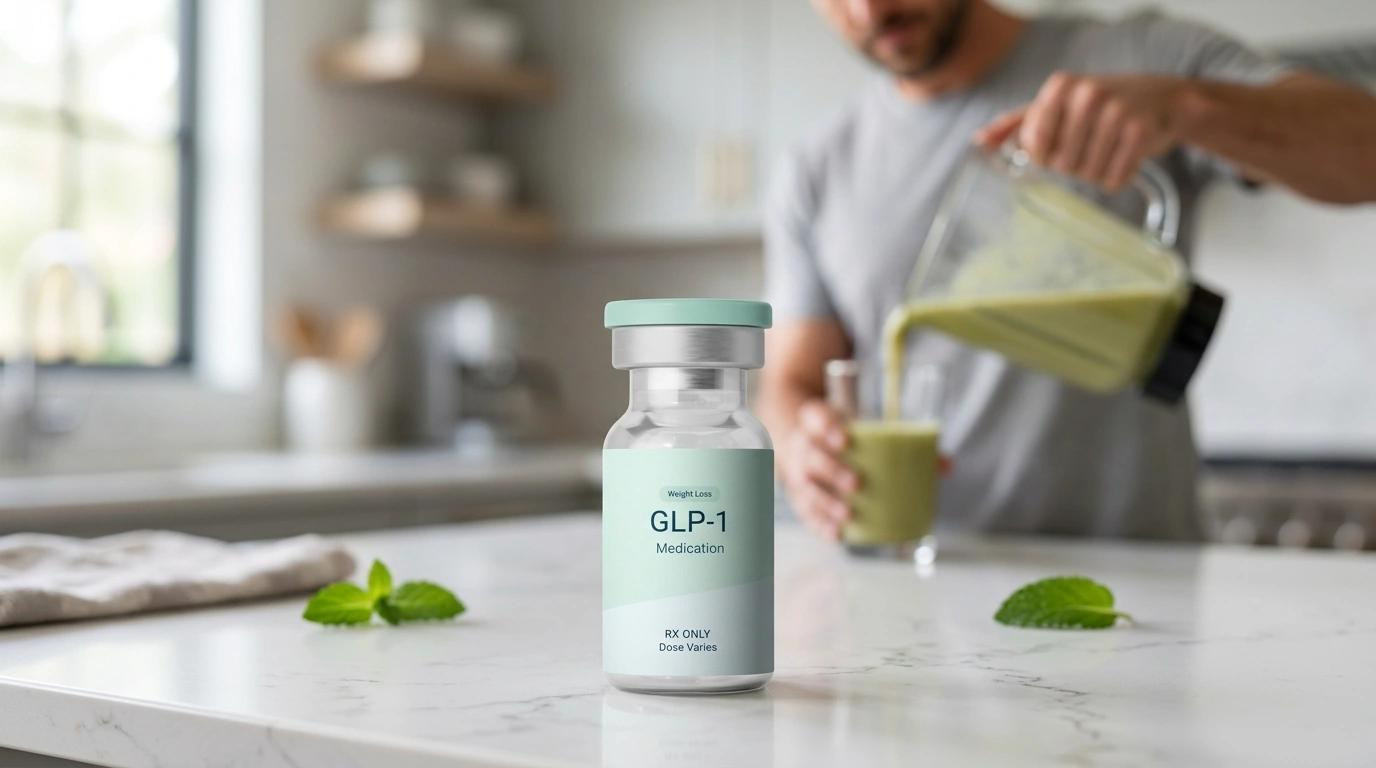
If you are currently taking Ozempic® (semaglutide) for weight management or type 2 diabetes, you may be worried about potential food interactions. The good news is that unlike many other drugs, grapefruit does not typically interfere with how this specific medication works. This article explores why grapefruit is safe for most people on GLP-1 medications and provides a clear guide on the foods that actually deserve your attention for the best results. If you are still deciding whether a prescription program is right for you, you can take the free assessment quiz to get started.
Quick Answer: Yes, you can eat grapefruit while taking Ozempic®. Unlike many oral medications, semaglutide is an injectable peptide that is not processed by the specific liver enzymes that grapefruit affects. However, you should still monitor your overall citrus intake if you experience acid reflux or nausea as a side effect.
Why Grapefruit Interacts With Some Medications
To understand why people ask about grapefruit, it helps to understand a specific enzyme in your body called CYP3A4. This enzyme is located in your small intestine and liver. Its primary job is to help your body break down (metabolize) many common medications so they can be cleared from your system.
Grapefruit contains natural compounds called furanocoumarins. These compounds “block” the CYP3A4 enzyme. When the enzyme is blocked, your body cannot break down certain drugs as quickly as it should. This can lead to the medication building up in your bloodstream to dangerous levels, increasing the risk of toxic side effects.
Common medications that interact with grapefruit include:
- Certain cholesterol-lowering statins
- Some blood pressure medications
- Specific anti-anxiety drugs
- Certain antihistamines
Why Ozempic® is Different
Ozempic® belongs to a class of drugs known as GLP-1 receptor agonists. These medications mimic a natural hormone in your body called glucagon-like peptide-1 (GLP-1), which helps regulate blood sugar and appetite. If you want a deeper look at the biology behind these medications, our guide on how GLP-1 actually works for weight loss breaks it down.
The reason grapefruit does not pose a threat to Ozempic® is based on how the drug is processed. First, Ozempic® is a subcutaneous injection (an injection under the skin), not a pill that passes through the digestive tract in the same way. Second, semaglutide is a peptide, which means it is a chain of amino acids. Your body breaks it down using proteolytic enzymes (enzymes that break down proteins) rather than the CYP3A4 enzyme system in the liver.
Because the metabolic pathways are completely different, the compounds in grapefruit do not change how much semaglutide stays in your system.
Key Takeaway: Grapefruit warnings usually apply to oral medications processed by the liver’s CYP3A4 enzymes. Since Ozempic® is an injectable peptide broken down by different processes, grapefruit is generally considered safe to consume.
Managing Dietary Triggers and Side Effects
While grapefruit is safe from a chemical interaction standpoint, it is important to listen to your body. One of the primary ways GLP-1 medications work is by slowing gastric emptying. This means food stays in your stomach longer, which helps you feel full for a greater period.
For some individuals, this slower digestion can lead to gastrointestinal side effects such as:
- Nausea
- Acid reflux or heartburn
- Bloating
- Stomach discomfort
Grapefruit is highly acidic. If you are already experiencing heartburn or nausea as your body adjusts to the medication, eating acidic fruits like grapefruit, lemons, or oranges might make those symptoms feel worse. If you notice that citrus causes discomfort, you may want to limit it until your body acclimates to your program. For more ideas on easing stomach upset, see our article on nausea and GLP-1 medications.
The Role of Personalized Support
Every individual reacts differently to GLP-1 treatments. This is why a “one-size-fits-all” diet often fails. Our approach at TrimRx emphasizes a personalized program that looks at your unique health profile. We connect you with licensed healthcare providers who can help you navigate these dietary questions. If you are ready to see whether prescription treatment is a fit, you can complete the free assessment quiz.
Whether you are prescribed Compounded Semaglutide or Compounded Tirzepatide, your provider can offer guidance on managing side effects while ensuring you get the nutrients you need.
Foods to Prioritize While on a GLP-1 Program
Since your appetite will likely decrease, it becomes even more important to focus on nutrient-dense foods. When you eat less, every bite needs to provide more value to prevent muscle loss and fatigue.
Prioritize Lean Protein
Protein is the most critical nutrient during weight loss. It helps preserve lean muscle mass and keeps you feeling satisfied.
- Chicken and Turkey: Skinless poultry is a great, low-fat source of protein.
- Fish and Seafood: Provides healthy fats and high-quality protein.
- Eggs: A versatile and bioavailable protein source.
- Plant-Based Options: Tofu, tempeh, lentils, and beans are excellent for those following a plant-forward diet.
Focus on Fiber
Fiber helps support healthy digestion, which is important when medication slows down your digestive tract.
- Non-Starchy Vegetables: Broccoli, spinach, kale, and peppers provide vitamins without spiking blood sugar.
- Berries: Raspberries and blackberries are high in fiber and lower in sugar than some other fruits.
- Whole Grains: Small portions of quinoa or oats can provide sustained energy.
Hydration is Essential
Many people on GLP-1 medications forget to drink enough water because they don’t feel “thirsty” or “hungry.” Dehydration can worsen nausea and lead to constipation. Aim for consistent water intake throughout the day.
If you need extra day-to-day nutritional help while your appetite is lower, the GLP-1 Daily Support supplement is designed to help bridge nutritional gaps.
Foods to Limit or Avoid
While no food is strictly “banned,” certain types of food are much more likely to trigger unpleasant side effects when combined with a GLP-1 medication.
| Food Category | Why to Limit | Better Alternatives |
|---|---|---|
| High-Fat / Fried Foods | Fats take longer to digest and can sit in the stomach, causing severe nausea. | Grilled, steamed, or roasted lean meats. |
| Sugary Foods & Drinks | Can lead to blood sugar spikes and crashes, making it harder to manage appetite. | Water, herbal tea, or small portions of whole fruit. |
| Highly Processed Carbs | White bread and sugary cereals offer little nutrition and can cause bloating. | Quinoa, brown rice, or sweet potatoes. |
| Excessive Alcohol | Can irritate the stomach and increase the risk of low blood sugar (hypoglycemia). | Sparkling water with a splash of lime. |
How to Start Your Journey Safely
Starting a weight loss program is about more than just the medication; it is about building a sustainable lifestyle. At TrimRx, we make the process of accessing medical weight loss support straightforward and telehealth-first. If you are considering prescription support, this is the right moment to take the free assessment quiz.
Step 1: Complete the Assessment
You begin by taking a free health assessment quiz. This helps us understand your medical history, goals, and any current health concerns.
Step 2: Consult with a Provider
A licensed healthcare professional reviews your information. They determine if a GLP-1 medication, like Compounded Semaglutide or Compounded Tirzepatide, is appropriate for you. There are no waiting rooms or in-person visits required.
Step 3: Receive Your Medication
If approved, your medication is shipped directly to your door.
Step 4: Ongoing Support
You have access to a dedicated team of specialists. If you have questions about whether you can eat grapefruit, manage a specific side effect, or adjust your lifestyle, we are here to guide you.
Understanding Compounded Medications
It is important to understand the role of compounded medications. Compounded Semaglutide and Compounded Tirzepatide are customized medications prepared by licensed pharmacists.
Compounding allows for greater flexibility in dosing and can be an essential resource when branded medications are in short supply. We ensure that all our partner pharmacies are strictly inspected and registered to maintain the highest levels of safety for our members. For a closer look at tirzepatide options, you can also read whether tirzepatide comes in pill form.
Common Myths About GLP-1 Diets
There is a lot of misinformation online regarding what you can and cannot do while on these medications. Let’s clear up a few common misconceptions.
Myth: You must follow a strictly “keto” or “low-carb” diet for the medication to work. Fact: While lower-carb diets can help with blood sugar, the most important factor is a balanced, high-protein diet that you can maintain long-term.
Myth: If you don’t feel hungry, you shouldn’t eat at all. Fact: Your body needs fuel to maintain its metabolism and muscle. Skipping meals entirely can lead to fatigue and nutrient deficiencies.
Myth: Grapefruit will make your Ozempic® stop working. Fact: As discussed, there is no clinical evidence that grapefruit interferes with the effectiveness or safety of semaglutide.
Strategies for Success
To get the most out of your program, consider these simple daily habits:
- Eat Small, Frequent Meals: Instead of three large meals, try four or five small snacks. This prevents your stomach from feeling overly full.
- Eat Protein First: At each meal, start with your protein source. This ensures you get the most important nutrients before you feel full.
- Stop When Satisfied: Learn to recognize the signal of being “satisfied” rather than “stuffed.” Because digestion is slower, it may take a few minutes for your brain to catch up with your stomach.
- Keep a Food Journal: If you aren’t sure which foods are causing discomfort, write down what you eat and how you feel. This data is invaluable for your healthcare provider.
If you want more practical guidance on getting more from treatment, the article on how to get the most out of your GLP-1 treatment is a helpful next read.
The TrimRx Mission
Our mission is to help you embrace a healthier lifestyle through science, empathy, and a transparent approach to weight loss. We know that the emotional weight of a weight loss journey is just as real as the physical weight. Our personalized programs are designed to provide the clinical expertise and modern technology you need to build sustainable routines.
Bottom line: Grapefruit is a healthy, low-glycemic fruit that is safe to enjoy with Ozempic®. Focus more on prioritizing protein, staying hydrated, and avoiding high-fat triggers to ensure your journey is as comfortable and successful as possible.
FAQ
Does grapefruit interfere with the absorption of Ozempic®?
No, grapefruit does not interfere with the absorption or metabolism of Ozempic® (semaglutide). The medication is an injectable peptide that does not rely on the liver enzymes that grapefruit typically inhibits. You can safely include grapefruit in your diet while on this medication.
Which fruits should I avoid while on Ozempic®?
There are no fruits that you are strictly required to avoid. However, if you suffer from acid reflux or nausea, you may want to limit highly acidic fruits like grapefruit and lemons, or very high-sugar fruits like dried dates or canned fruits in syrup. Stick to whole, fresh fruits like berries or apples for the best fiber intake.
Can I drink grapefruit juice instead of eating the fruit?
While grapefruit juice is chemically safe to consume with Ozempic®, it is generally better to eat the whole fruit. The whole fruit contains fiber, which helps slow down sugar absorption and supports digestion. Grapefruit juice can be high in concentrated sugar and lacks the beneficial fiber your body needs.
What are the most important dietary rules for GLP-1 medications?
The most important rules are to prioritize lean protein, stay hydrated, and eat smaller portions more frequently. Avoiding greasy, fried, and highly sugary foods is the best way to prevent nausea and bloating. Always consult with your healthcare provider to create a meal plan that is tailored to your specific health needs.
Disclaimer: This content is for informational purposes only and does not constitute medical advice. It is not intended to diagnose, treat, cure, or prevent any disease or condition. Individual results may vary. Always consult a qualified healthcare professional before starting any weight loss program or medication.

Transforming Lives, One Step at a Time
Keep reading
I Took My Ozempic Two Days in a Row by Accident
Call for guidance now rather than waiting to see how you feel. In the United States, Poison Control is available free and around the…

Why Does My Ozempic Injection Sting More Some Weeks Than Others?
Because more variables change between injections than most people realize. Temperature of the medication, which site you used, how deep the needle went, how…

How to Store Your Ozempic Pen During a Power Outage
Keep the refrigerator door closed. An unopened refrigerator holds a safe temperature for roughly four hours, and a full freezer holds for considerably longer….


