How Does Ozempic Help PCOS Symptoms and Weight Loss?
Introduction
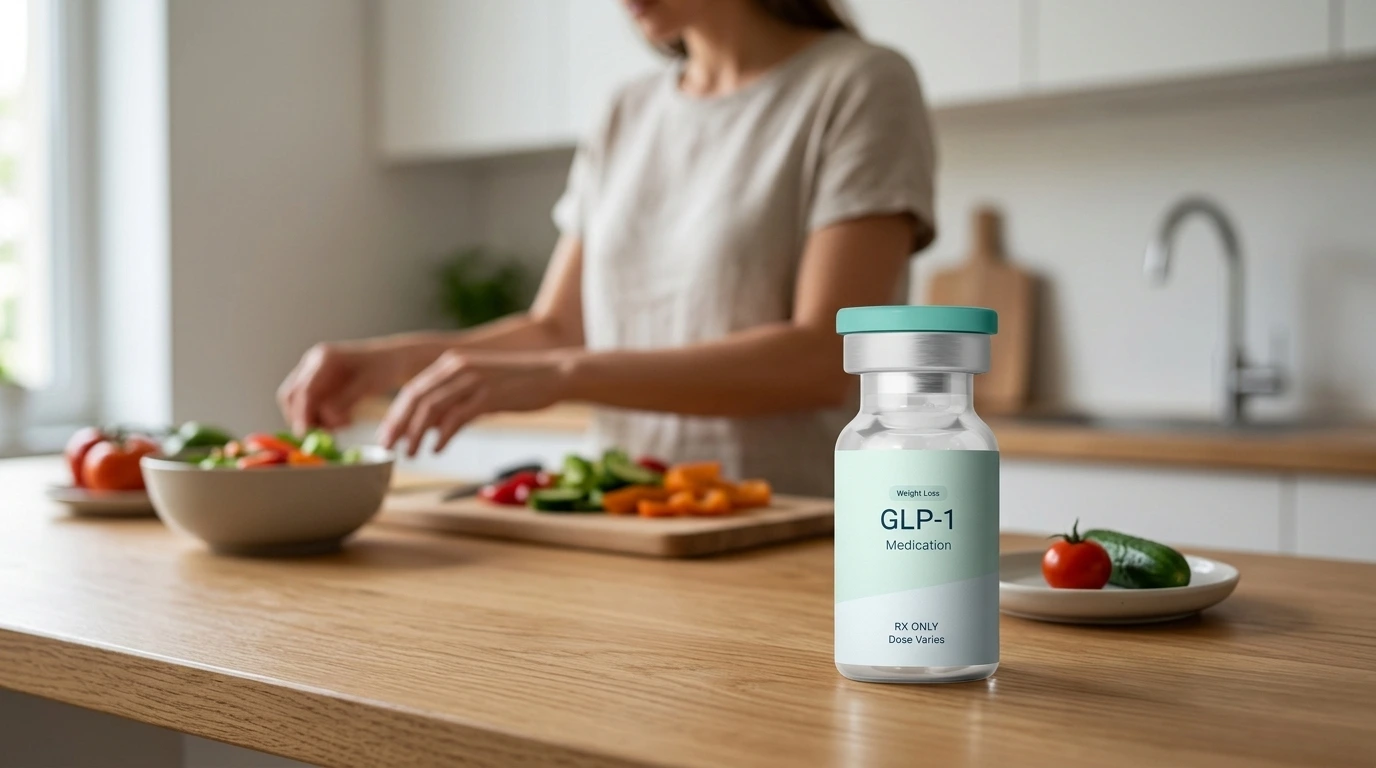
Struggling with Polycystic Ovary Syndrome (PCOS) often feels like fighting an uphill battle against your own biology. You might feel like you are doing everything right—eating well and staying active—yet the scale does not budge, and symptoms like irregular periods or persistent fatigue remain. It is a deeply personal and often exhausting journey that millions of women navigate daily. At TrimRx, we understand that PCOS is not just a reproductive issue; it is a complex metabolic challenge that requires a science-backed, empathetic approach. This article covers how the medication Ozempic® may help address the underlying hormonal imbalances of PCOS, the role of GLP-1 medications in weight management, and what the latest research says about restoring metabolic health. By addressing insulin resistance directly, these treatments offer a new pathway for those seeking to regain control of their health. If you want to see whether a personalized GLP-1 program is a fit, take the free assessment quiz.
The Metabolic Connection: PCOS and Insulin Resistance
To understand how medication helps, we must first look at what happens inside the body when you have PCOS. For many, the core of the issue is insulin resistance. This is a condition where the body’s cells do not respond effectively to insulin, the hormone responsible for managing blood sugar levels.
When cells resist insulin, the pancreas pumps out even more to compensate. High levels of insulin can signal the ovaries to produce excess androgens, often referred to as “male-type” hormones like testosterone. This hormonal shift is what often leads to the most common PCOS symptoms, including:
- Irregular or absent menstrual cycles
- Persistent acne or skin changes
- Excess hair growth or thinning hair on the scalp
- Difficult-to-manage weight gain, particularly around the midsection
Because insulin and androgens are so closely linked, treatments that improve how the body processes sugar can have a ripple effect on the entire hormonal system. For a deeper look at that connection, read How GLP-1 Medications Help PCOS: A Comprehensive Exploration.
Quick Answer: Ozempic® may help PCOS by improving insulin sensitivity and slowing digestion. By lowering insulin levels, it can help reduce excess androgen production, which may lead to more regular periods and supported weight loss.
How the Medication Works in the Body
Ozempic® contains the active ingredient semaglutide. This belongs to a class of medications known as GLP-1 receptor agonists. GLP-1 stands for glucagon-like peptide-1, which is a hormone naturally produced in your gut when you eat.
The medication mimics this hormone to help the body in three primary ways:
- Insulin Regulation: It prompts the pancreas to release the right amount of insulin when blood sugar levels are high. It also helps the liver produce less sugar.
- Gastric Emptying: It slows down the speed at which food leaves your stomach. This process, called gastric emptying, helps you feel full for a longer period after a meal.
- Appetite Signaling: It communicates with the brain’s hunger centers to reduce cravings and help you feel satisfied with smaller portions.
For someone with PCOS, these mechanisms are particularly useful. Improving the insulin response directly targets the root of metabolic dysfunction. By helping the body use insulin more effectively, the medication may reduce the overall insulin load in the bloodstream. For another overview of the medication itself, see What Is Semaglutide for Weight Loss?.
Weight Loss Challenges with PCOS
One of the most frustrating aspects of PCOS is “weight loss resistance.” Many individuals find that standard advice—simply eating less and moving more—does not produce the same results for them as it might for others. This is often because high insulin levels act as a fat-storage signal, making it biologically harder for the body to burn fat for energy.
Research has shown that medications like semaglutide can be effective for individuals with PCOS who have not seen results from lifestyle changes alone. In one study involving women with PCOS who were considered obese, participants using weekly semaglutide injections lost an average of 7.6 kilograms over just three months. A closer look at outcomes for women with PCOS is covered in PCOS and Ozempic: Weight Loss Results.
At TrimRx, we believe that weight loss is not a matter of willpower; it is about biology. Our personalized programs are designed to support your body’s natural pathways, making it easier to achieve sustainable results when lifestyle changes alone are not enough.
Restoring Menstrual Regularity and Hormonal Balance
Beyond the scale, the most significant benefit for many people is the restoration of a regular menstrual cycle. Irregular periods are more than just an inconvenience; they are a sign that ovulation is not occurring consistently.
When insulin levels drop and weight is managed, the hormonal environment often begins to stabilize. Lower insulin leads to lower testosterone, which allows the body to return to its natural ovulatory rhythm. Clinical observations suggest that a significant number of individuals regain regular periods after starting GLP-1 therapy and achieving even modest weight loss.
Key Takeaway: Even a 5% to 10% reduction in body weight can significantly improve insulin sensitivity and help balance reproductive hormones in individuals with PCOS.
Fertility and Pregnancy Considerations
While more regular cycles often lead to improved fertility, it is vital to approach this topic with caution. If you are using medication to manage PCOS and hope to conceive, you must have a clear plan with your healthcare provider.
Current medical guidance suggests that semaglutide should be discontinued at least two months before attempting to get pregnant. The effects of the medication on a developing fetus are not yet fully understood, and safety is the top priority. Many providers use these medications to “prime” the body for fertility by improving metabolic health, with the intention of stopping the treatment once a healthy baseline is established.
Always consult a qualified healthcare professional before starting or stopping any medication if you are planning to grow your family.
Branded Medications vs. Compounded Alternatives
When discussing GLP-1 medications, it is important to distinguish between the different options available. Ozempic® and Wegovy® are branded medications that are FDA-approved for specific uses, such as type 2 diabetes or chronic weight management. These medications are not currently FDA-approved specifically for the treatment of PCOS, though doctors may prescribe them “off-label” if they determine it is appropriate for a patient’s health profile.
Alternatively, some patients access treatment through compounded medications. Compounded semaglutide and compounded tirzepatide are prepared by specialized pharmacies. While these compounded versions are not FDA-approved, they are often used when branded medications are in short supply or when a patient needs a specific dosage. These are prepared in FDA-registered and inspected compounding pharmacies to ensure high standards of quality and safety.
TrimRx connects individuals with licensed healthcare providers who can determine the best course of action. Whether it is a prescription for a branded medication to be filled at a local pharmacy or a personalized compounded program, our goal is to ensure you have access to safe, medically supervised care.
Potential Side Effects and How to Manage Them
Like any medication, GLP-1 agonists can cause side effects. Most of these are gastrointestinal and occur as the body adjusts to the new hormone levels.
Common side effects may include:
- Nausea
- Bloating or gas
- Heartburn
- Constipation or diarrhea
- Mild fatigue
Most people find that these symptoms are temporary and tend to improve after the first few weeks of treatment. To manage these effects, we often recommend starting with a very low dose and gradually increasing it. Eating smaller, more frequent meals and staying well-hydrated can also make a significant difference. For a broader overview, see Common GLP-1 Side Effects: What to Expect.
If you experience severe abdominal pain, persistent vomiting, or signs of an allergic reaction, you should contact a healthcare provider immediately. There is also a boxed warning for these medications regarding the risk of thyroid C-cell tumors; therefore, individuals with a personal or family history of medullary thyroid carcinoma should avoid these treatments.
Integrating Lifestyle with Medical Support
Medication is a powerful tool, but it works best when paired with healthy habits. For those with PCOS, certain lifestyle adjustments can amplify the benefits of GLP-1 therapy:
- Protein-Forward Nutrition: Focusing on protein can help maintain muscle mass during weight loss and keep you feeling full.
- Strength Training: Building muscle improves insulin sensitivity naturally.
- Stress Management: High cortisol levels can worsen insulin resistance, so finding ways to decompress is essential.
- Consistent Sleep: Lack of sleep can disrupt hunger hormones and make weight management more difficult.
Our approach at TrimRx emphasizes the whole person. We do not just look at a prescription; we look at your medical history, your goals, and your daily life to help create a program that feels sustainable for the long term. If nutritional support during treatment matters to you, the GLP-1 Daily Support supplement can fit that broader routine.
The Path to Starting a Personalized Program
If you believe that medical support could help you manage your PCOS symptoms, the first step is a clinical evaluation. Because everyone’s hormonal makeup is unique, a “one-size-fits-all” approach rarely works for PCOS.
Step 1: Complete an assessment. Begin by completing a free assessment to share your health history, current symptoms, and weight loss goals. This helps determine if you are a candidate for a GLP-1 program.
Step 2: Connect with a provider. A licensed healthcare professional will review your information. They will look at factors like your BMI, insulin levels, and any contraindications to ensure the program is safe for you.
Step 3: Receive your personalized plan. If approved, your provider will create a treatment plan tailored to your needs. This includes the appropriate medication and dosage, with ongoing support to help you manage any side effects.
Step 4: Ongoing monitoring and support. You will have 24/7 access to specialists who can answer questions and adjust your program as you progress. This ensures you are never navigating your health journey alone.
Why a Telehealth-First Approach Works
Managing a chronic condition like PCOS requires consistency. In-person visits can be difficult to schedule, and waiting rooms can be stressful. Our telehealth platform removes these barriers. You can consult with specialists from the comfort of your home, ensuring that your care fits into your life rather than disrupting it.
We provide a comprehensive service model where doctor consultations, lab work, and medication support are handled through one streamlined platform. This transparency ensures there are no hidden fees or unexpected hurdles on your way to better health.
Conclusion
PCOS is a complex condition, but it does not have to define your life or your health. By understanding the metabolic roots of the syndrome and utilizing modern tools like GLP-1 medications, it is possible to break the cycle of insulin resistance and weight gain. Whether the goal is regular periods, improved energy, or sustainable weight loss, a personalized, science-backed approach can help you reach it.
Our mission at TrimRx is to help you embrace a healthier lifestyle through empathy and clinical expertise. We believe in providing the tools you need—whether that is a medically supervised prescription program or the Weight Loss Boost supplement—to help you feel like the best version of yourself.
If you are ready to see how a personalized program can support your PCOS journey, your next step is simple. Take our free assessment quiz today to explore your options and begin your path toward metabolic balance.
FAQ
Does Ozempic help with PCOS hair growth and acne?
While the medication does not directly target hair follicles or skin, it can help by lowering insulin levels. When insulin is reduced, the ovaries often produce fewer androgens like testosterone, which are the primary drivers of PCOS-related acne and excess hair growth. Many individuals notice improvements in their skin and hair health as their hormones become more balanced over time. For a broader explanation of the hormone involved, see What is GLP-1? A 2026 Breakdown from Our Medical Experts.
Is Ozempic a permanent fix for PCOS?
PCOS is a chronic condition, meaning there is no “cure,” but it can be managed effectively. Medication like Ozempic® can help control the metabolic symptoms and hormonal imbalances while you are taking it. To maintain these benefits long-term, it is essential to combine medical treatment with sustainable lifestyle changes in nutrition and physical activity.
How long does it take to see results for PCOS symptoms?
Weight loss results and improvements in appetite often begin within the first few weeks. However, hormonal changes—such as the return of a regular menstrual cycle or improvements in skin—usually take longer, often three to six months. Your healthcare provider will monitor your progress to ensure the medication and dosage are working effectively for your specific needs. If you are deciding whether to start treatment, check your eligibility with the quiz.
Can I take Ozempic if I am trying to get pregnant with PCOS?
No, it is currently recommended that you stop taking semaglutide medications at least eight weeks before trying to conceive. While improving your metabolic health can support fertility, the medication itself is not recommended during pregnancy due to a lack of safety data. Always discuss your family planning goals with your doctor before starting any weight loss medication.
Disclaimer: This content is for informational purposes only and does not constitute medical advice. It is not intended to diagnose, treat, cure, or prevent any disease or condition. Individual results may vary. Always consult a qualified healthcare professional before starting any weight loss program or medication.

Transforming Lives, One Step at a Time
Keep reading

How to Store Your Ozempic Pen During a Power Outage
Keep the refrigerator door closed. An unopened refrigerator holds a safe temperature for roughly four hours, and a full freezer holds for considerably longer….

I Left My Ozempic Out Overnight. Is It Still Okay?
Usually yes, if it is a pen you had already started using and it sat at ordinary room temperature. Branded semaglutide pens are labeled…

What Do the Numbers on an Ozempic Pen Actually Mean?
The numbers in the dose window on an Ozempic pen are milligrams of semaglutide, not units. This is the single most important thing to…


