How to Prepare for Ozempic Shot: A Step-by-Step Guide
Introduction
Standing in your kitchen with a new prescription can feel like a significant turning point in your health journey. While starting a medication like Ozempic® (semaglutide) is an empowering step toward metabolic wellness, it is perfectly natural to feel a bit of “first-shot anxiety.” Whether you are concerned about the needle or simply want to ensure you are doing everything correctly to maximize results, preparation is the key to a calm experience. At TrimRx, we believe that understanding your treatment is the first step toward long-term success and confidence. For a plain-English overview of the hormone behind these medications, see our What is GLP-1? A 2026 Breakdown from Our Medical Experts. This guide will walk you through the essential supplies, physical preparations, and the exact steps needed to administer your medication safely. By the time you finish reading, you will have a clear, actionable plan for your first dose.
Quick Answer: To prepare for an Ozempic® shot, gather your pen, a new needle, and an alcohol swab. Ensure the medication is clear and colorless, select a fatty injection site like the abdomen or thigh, and prime the pen before your first use.
Understanding Your Medication
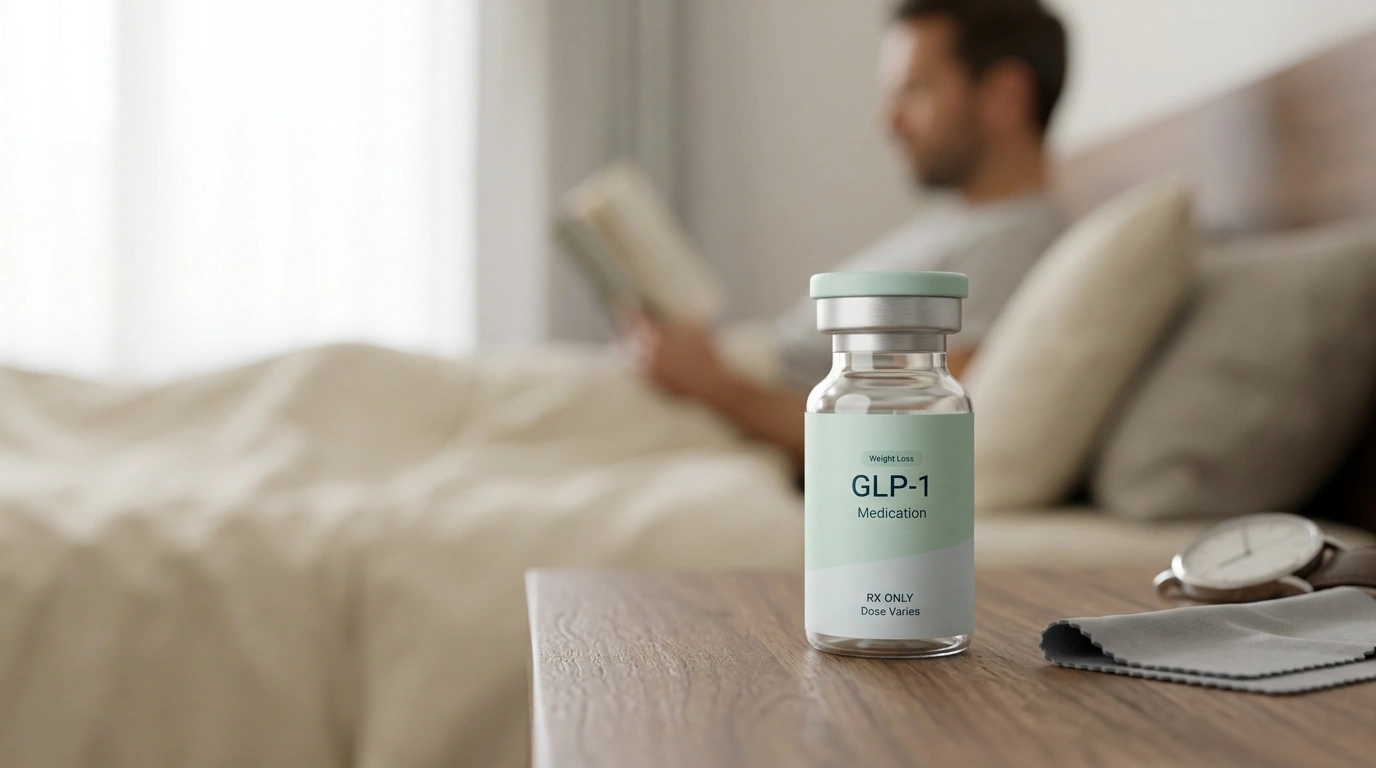
Ozempic® is a prescription medication used to improve blood sugar levels and support weight management. It belongs to a class of drugs known as GLP-1 receptor agonists (glucagon-like peptide-1). These medications work by mimicking a hormone naturally produced in your gut that regulates appetite and insulin secretion. If you want a broader primer on the medication itself, read our What Is Semaglutide for Weight Loss?. By slowing down stomach emptying and signaling to the brain that you are full, it helps you manage your caloric intake more effectively.
Before you take your first dose, it is important to verify that you have the correct pen. Ozempic® pens come in different colors and dosages, typically starting at a 0.25 mg “loading dose” to help your body adjust. Always double-check the label on your pen to ensure it matches the dosage your healthcare provider prescribed. If you want a deeper look at the biology behind these medications, our How Does GLP-1 Work? A 2026 Deep Dive on the Science of Weight Loss explains the process in more detail. The liquid inside the pen should always be clear and colorless; if it appears cloudy, contains particles, or has changed color, do not use it and contact your pharmacist.
Gathering Your Essential Supplies
Success begins with having everything you need in one clean, well-lit workspace. You do not want to be searching for a stray alcohol wipe or a disposal container halfway through the process. Setting up a dedicated “injection station” can help reduce stress and ensure the process remains sterile. For a companion walkthrough, see How Do You Give a Semaglutide Injection? A Step-by-Step Guide.
You will need the following items for every injection:
- Your Ozempic® pen: Ensure it has been out of the refrigerator for about 30 to 60 minutes if you prefer a room-temperature injection, which some people find more comfortable.
- A new, sterile needle: These are typically provided in the box. Never reuse a needle, as this increases the risk of infection and can cause the needle to become dull or barbed.
- Alcohol swabs: You will need these to clean both the top of the pen and your skin.
- A sharps disposal container: This is a puncture-resistant container for used needles. If you do not have a medical-grade one, a heavy-duty plastic laundry detergent bottle with a screw-on lid is a common alternative.
- Gauze or a cotton ball: Occasionally, a tiny drop of blood may appear at the injection site, which is normal.
Key Takeaway: Proper preparation of supplies prevents mid-process interruptions and maintains the high level of hygiene required for subcutaneous injections.
Storage and Handling Requirements
Maintaining the integrity of the medication requires strict adherence to temperature guidelines. When you first pick up your prescription or receive your shipment, it should be stored in the refrigerator between 36°F and 46°F. Do not store the medication in the door of the fridge, as the temperature there fluctuates too much; instead, keep it on a central shelf.
Once you have used a pen for the first time, you have two options for storage. You can either keep it in the refrigerator or store it at room temperature (between 59°F and 86°F) for up to 56 days. If you choose room temperature, keep the pen away from direct heat and sunlight, such as a windowsill or a hot car. Never freeze the medication. If the liquid has been frozen at any point, it is no longer safe or effective to use and should be discarded.
Physical and Nutritional Preparation
How you treat your body in the 24 hours leading up to your first shot can influence how you feel afterward. While Ozempic® can be taken at any time of day, with or without food, many people find that specific habits help minimize potential side effects like nausea or headaches. If you want a more detailed hydration framework, our Optimal Hydration for Your Goals: How Much Water Should I Be Drinking for Weight Loss? guide is a helpful companion.
Hydration is your most important tool. GLP-1 medications can sometimes lead to mild dehydration if you are not careful, especially as your appetite decreases. Aim to drink plenty of water the day before and the day of your injection. Some individuals find that adding electrolytes to their water helps keep their energy levels stable. Some readers also explore the GLP-1 Daily Support supplement for nutritional support during treatment.
Regarding nutrition, it is often best to avoid a very heavy, greasy, or high-fat meal immediately before your shot. Because the medication slows down digestion, a heavy meal can sit in the stomach longer, potentially increasing feelings of bloating or nausea. A light, protein-focused meal is generally the best choice. If you want extra energy support while building a routine, the Weight Loss Boost supplement is another option.
Timing your dose is also a personal preference. Many patients prefer taking their injection in the evening, a few hours before bed. This allows them to “sleep through” any initial mild nausea. Others prefer the morning so they can monitor their energy levels. Whatever you choose, aim to keep it consistent every seven days.
Choosing and Rotating Injection Sites
Ozempic® is administered as a subcutaneous injection, meaning it goes into the fatty tissue just under the skin. It should never be injected into a muscle or a vein. There are three primary areas recommended for these injections:
- The Abdomen: This is the most common site. Choose an area at least two inches away from your belly button.
- The Thigh: Use the front or outer part of your thigh.
- The Upper Arm: This usually requires the help of another person to ensure the needle enters the skin at the correct angle.
Rotating your injection site is a critical step in long-term comfort. If you inject in the exact same spot every week, you may develop “lipohypertrophy”—a buildup of fatty tissue under the skin that can feel lumpy and may interfere with how the medication is absorbed. You do not have to switch body parts every week; you can simply move an inch or two away from your previous spot. For a more focused technique guide, see How to Use Semaglutide Injection for Effective Weight Loss. For example, if you use your abdomen, you might switch from the left side to the right side each week.
Step-by-Step Injection Process
Following a consistent routine will help the process become second nature over time. We recommend following these specific steps to ensure a safe and effective administration of your medication. At TrimRx, we encourage our members to take their time with these steps, especially during the first few weeks of the program.
Step 1: Wash Your Hands
Cleanliness is the first line of defense against infection. Wash your hands thoroughly with soap and warm water and dry them with a clean towel before handling your supplies.
Step 2: Inspect the Pen
Take the cap off the pen and check the medication through the clear window. Ensure the liquid is clear and colorless. Check the expiration date on the side of the pen. If everything looks correct, use an alcohol swab to wipe the rubber stopper at the tip of the pen.
Step 3: Attach a New Needle
Take a new needle and pull off the paper tab. Push the needle straight onto the pen and turn it until it is tight. Pull off the outer needle cap and save it for later. Then, pull off the inner needle cap and discard it. You will see a very fine, short needle.
Step 4: Prime the Pen (First Use Only)
If you are using a brand-new pen for the first time, you must check the flow. Turn the dose selector until you see the “flow check” symbol (it looks like a small line with a dot). Point the needle upward and press the dose button all the way in. A drop of liquid should appear at the tip of the needle. If it does not, repeat this step up to six times. If a drop still doesn’t appear, change the needle and try once more.
Step 5: Select Your Dose
Turn the dose selector until the counter shows your prescribed dose (for example, 0.25 mg). Ensure the number is perfectly aligned with the pointer.
Step 6: Clean the Injection Site
Use a fresh alcohol swab to clean the area of skin you have chosen. Let the skin air dry for a few seconds; if you inject while the skin is still wet with alcohol, it might sting slightly.
Step 7: Inject the Medication
Insert the needle into your skin. Press and hold down the dose button. You will see the counter return to “0.” Crucial step: Continue to hold the needle in your skin and count slowly to six. This ensures that the full dose has been delivered from the pen into your body.
Step 8: Remove and Dispose
Withdraw the needle from your skin. If there is a tiny bit of blood, press gently with a cotton ball. Do not rub the area. Carefully put the outer needle cap back on and unscrew the needle from the pen. Place the used needle immediately into your sharps container. Put the pen cap back on and store it according to the guidelines.
Myth: “Injecting yourself is extremely painful.” Fact: The needles used for GLP-1 medications are “insulin-style” needles, which are incredibly thin and short. Most people describe the sensation as a minor pinch or even less noticeable than a standard vaccination.
Safety and Disposal Protocols
Managing your medical waste is an essential part of being a responsible patient. Used needles should never be thrown directly into the household trash or recycling bin. This poses a significant risk to sanitation workers and other members of your household.
Always keep your sharps container out of reach of children and pets. When the container is about three-quarters full, follow your local community guidelines for disposal. Many areas have “drop-off” sites at pharmacies, hospitals, or fire stations. Some people also use mail-back programs. For the pen itself, once it is empty or has been open for 56 days, it can usually be disposed of in your regular household trash once the needle has been removed and safely discarded in the sharps container.
Managing Initial Side Effects
While many people experience few issues, it is helpful to have a plan for common “adjustment” symptoms. The most frequently reported side effects when starting a GLP-1 medication are nausea, bloating, and mild stomach discomfort. These are generally a sign that the medication is working to slow your digestion. For a deeper look at nausea management, see Nausea and GLP-1 Medications: Solutions That Work.
To manage these initial feelings:
- Eat smaller meals: Instead of three large meals, try five or six very small snacks throughout the day.
- Stay upright: Avoid lying down immediately after eating.
- Avoid trigger foods: Fried, spicy, or extremely sugary foods are more likely to cause discomfort during the first few weeks.
- Ginger or peppermint: Many people find that ginger tea or peppermint can soothe a nervous stomach.
If you experience severe or persistent vomiting, intense abdominal pain, or signs of an allergic reaction (like hives or difficulty breathing), contact your healthcare provider immediately. If you want a longer-term perspective, Semaglutide Side Effects Long Term: A Complete Guide from TrimRX offers more detail. It is important to remember that for most individuals, these symptoms are temporary and dissipate as the body becomes accustomed to the medication.
Establishing a Weekly Routine
Consistency is the foundation of metabolic health. To help you remember your dose, consider setting a recurring alarm on your phone or marking a physical calendar. Choosing a specific “ritual” can also make the process feel less like a chore. For readers who want a broader next step, How to Start a Weight Loss Journey That Actually Lasts is a helpful read. For example, you might decide that Sunday evening is your time to check in on your goals, hydrate, and take your medication.
Many people find it helpful to track their progress in a journal. Note the day and time of your injection, the site you used, and how you felt throughout the week. This information can be incredibly valuable during follow-up consultations with your healthcare provider. We recommend consulting a licensed professional if you feel the need to adjust your dose or if you have questions about how the medication is interacting with your lifestyle.
The TrimRx Approach
At TrimRx, our mission is to provide more than just a platform for medication; we aim to be a supportive partner in your long-term health transformation. We understand that sustainable weight loss is a journey that requires science, empathy, and a personalized touch. By combining modern telehealth technology with clinical expertise, we help you navigate the complexities of GLP-1 therapy with confidence. If you are ready to see whether a personalized program fits your goals, take the free assessment quiz. Our programs are designed to meet you where you are, providing the tools and support necessary to help you embrace a healthier lifestyle.
Conclusion
Preparing for your first Ozempic® shot does not have to be a source of stress. By gathering your supplies early, maintaining proper storage, and following a clear step-by-step injection process, you set yourself up for a smooth experience. Remember to prioritize hydration, rotate your injection sites, and give your body time to adjust to the new medication. This small weekly action is a powerful investment in your future health. If you are ready to take the next step in your weight loss journey with a program tailored specifically to your medical history and goals, take the free assessment quiz. Your path forward is clear.
Key Takeaway: Success with GLP-1 therapy is built on preparation, consistency, and a willingness to listen to your body’s needs as it adapts to treatment.
Next Step: To see if a personalized weight loss program is right for you, take our free assessment quiz today.
FAQ
Can I take my Ozempic® shot on an empty stomach?
Yes, you can take your injection at any time of day, regardless of when you last ate. Some people prefer taking it with a small, protein-rich snack to help settle their stomach, while others prefer taking it before breakfast or before bed.
What should I do if I forget to take my dose on my scheduled day?
If you miss a dose, take it as soon as you remember, provided it is within five days of your missed dose. If more than five days have passed, skip the missed dose and take your next dose on your usual scheduled day. Do not take two doses at once to make up for a missed one.
Does the injection site affect how well the medication works?
Studies generally show that Ozempic® is effectively absorbed whether injected into the abdomen, thigh, or upper arm. The most important factor is rotating your sites each week to prevent skin irritation and ensure consistent absorption. For a more detailed site-by-site breakdown, see How and Where to Inject Semaglutide for Effective Weight Loss.
Why do I need to hold the needle in for six seconds after injecting?
Holding the needle in place and counting to six ensures that the entire dose has been released from the pen and absorbed into the subcutaneous tissue. Removing the needle too quickly may result in some of the medication leaking out onto the skin.
Disclaimer: This content is for informational purposes only and does not constitute medical advice. It is not intended to diagnose, treat, cure, or prevent any disease or condition. Individual results may vary. Always consult a qualified healthcare professional before starting any weight loss program or medication.

Transforming Lives, One Step at a Time
Keep reading

How to Tell If Your Ozempic Pen Is Empty
The dose counter is your answer, not the liquid you can see through the window. Dial the pen to your prescribed dose. If the…

What to Do If You Drop Your Ozempic Pen on the Floor
A dropped Ozempic pen is usually still usable, but you should not assume it is. Run four checks before you inject: look for cracks…
I Didn’t Hear a Click When I Injected My Ozempic Pen
The click is not how you confirm your dose went in. Semaglutide pens produce clicking sounds while you dial and while the plunger moves,…


