How Long Can You Keep Tirzepatide in Fridge?
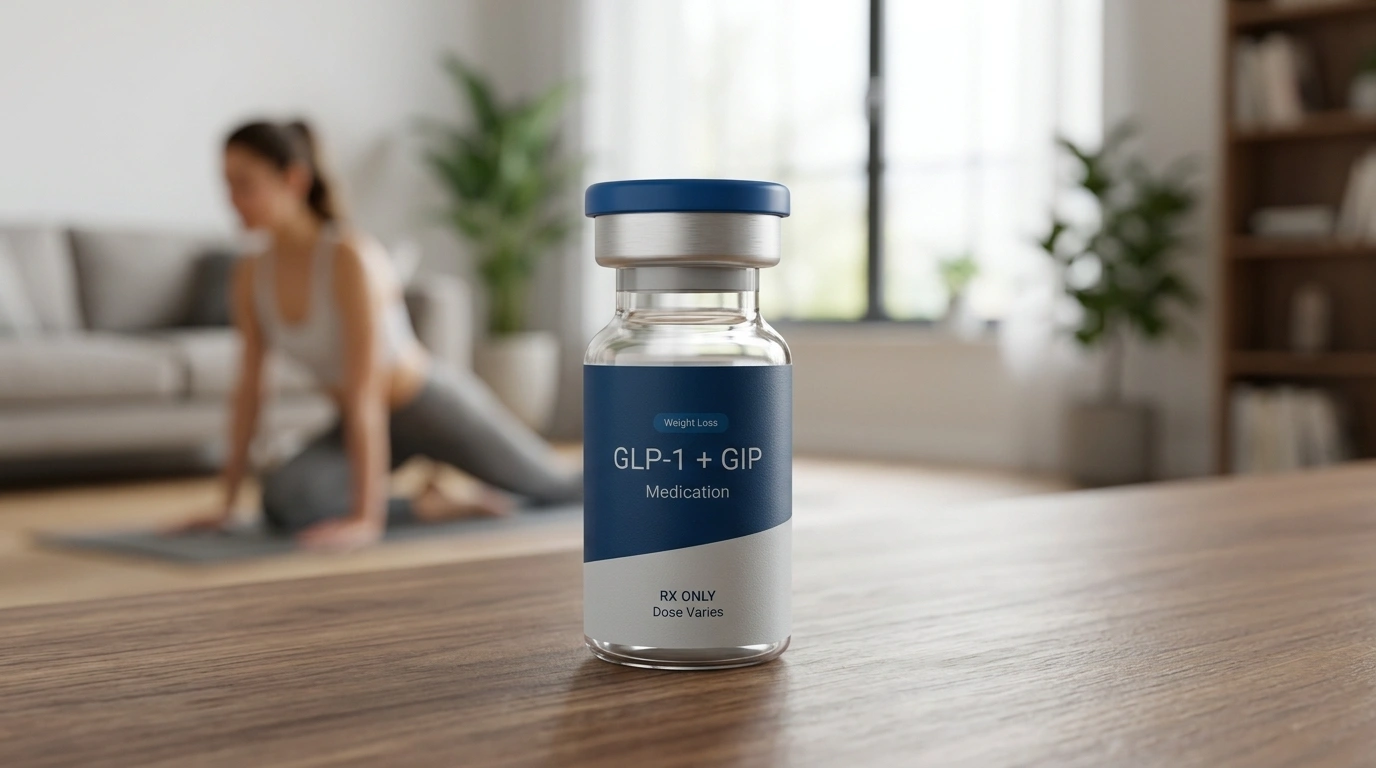
Table of Contents
- Introduction
- The Science of Tirzepatide Stability
- Refrigeration Guidelines for Tirzepatide
- Understanding Room Temperature Limits
- Protecting Tirzepatide from Light and Freezing
- How to Tell if Your Medication is Spoiled
- Handling Compounded Tirzepatide Safely
- Traveling with Your Medication
- Best Practices for Successful Storage
- Starting Your Journey with TrimRx
- Summary of Storage Rules
- FAQ
Introduction
Getting started with a weight loss medication like tirzepatide often brings a sense of hope, but it also comes with new responsibilities. You may find yourself standing in your kitchen, holding a vial or a pen, wondering if you are storing it correctly. Because these medications are a significant investment in your health, it is natural to feel anxious about keeping them at the right temperature. At TrimRx, we believe that understanding the practical side of your treatment is just as important as the clinical side. This post covers exactly how long you can keep tirzepatide in the fridge, how to handle it when you are on the go, and what to do if your medication gets too warm. By following these storage guidelines, you ensure that every dose you take remains as effective as the first.
If you are considering prescription treatment, you can complete a free eligibility assessment to see whether a personalized program may be appropriate for your health goals.
Quick Answer: Tirzepatide should be kept in the refrigerator between 36°F and 46°F (2°C to 8°C) until its expiration date. If necessary, branded versions can be kept at room temperature for up to 21 days, while compounded versions should follow the specific beyond-use date provided by the pharmacy.
The Science of Tirzepatide Stability
Tirzepatide belongs to a class of medications known as dual GIP (glucose-dependent insulinotropic polypeptide) and GLP-1 (glucagon-like peptide-1) receptor agonists. In plain English, these are proteins that mimic hormones naturally found in your body. Because tirzepatide is a peptide—essentially a chain of amino acids—it is physically delicate. Like the proteins found in food, these medicinal proteins can break down if they are exposed to extreme heat, freezing temperatures, or intense light.
For more background, you can read this overview of how GLP-1 medications work.
When we talk about the “stability” of a medication, we are referring to how long the active ingredient stays strong enough to do its job. If tirzepatide is stored improperly, the protein structure can “denature” or unravel. Once this happens, the medication may not work as intended to regulate your appetite or support your metabolic health. Maintaining a consistent temperature in the refrigerator is the most effective way to slow down this natural degradation process.
Refrigeration Guidelines for Tirzepatide
The standard recommendation for storing tirzepatide is to keep it in a refrigerator set between 36°F and 46°F (2°C to 8°C). Under these conditions, the medication is designed to remain stable and effective until the expiration date printed on the packaging or the vial. This date is determined by the manufacturer or the compounding pharmacy based on rigorous stability testing.
For a detailed overview of tirzepatide storage, travel, and handling, review the medication-specific guidance before storing or transporting your supply.
It is best to store your medication in the main body of the refrigerator rather than in the door. The temperature in the door fluctuates every time you open the fridge to grab a snack or a drink. By placing your tirzepatide on a shelf toward the middle or back, you provide it with a more stable environment. However, be careful not to push it all the way to the back wall, as some refrigerators have “cold spots” that can accidentally freeze items.
Key Takeaway: Always store tirzepatide in the main compartment of your refrigerator to avoid the temperature swings common in the door or the freezing risks at the very back.
Understanding Room Temperature Limits
There are times when refrigeration is not possible, such as during a move, a power outage, or while traveling. If you are using branded versions of the medication, such as Mounjaro® or Zepbound®, the manufacturer states that the pens can be kept at room temperature—up to 86°F (30°C)—for a total of 21 days.
If you leave the medication out of the fridge, you must use it within that 21-day window. Once a pen or vial has reached room temperature, you should not put it back in the refrigerator with the hope of “resetting” the clock. The internal countdown for protein degradation has already accelerated. If the 21 days pass and you have not used the medication, it should be disposed of safely.
For a closer look at room-temperature limits for tirzepatide, review the instructions for your specific product and prescription.
For those using compounded tirzepatide, the rules can be slightly different. Compounded medications are prepared by FDA-registered, inspected compounding pharmacies. Because these are often provided in multi-dose vials rather than single-use pens, they may have different preservatives or concentrations. Always refer to the “Beyond Use Date” (BUD) provided by the pharmacist on your specific prescription label.
Protecting Tirzepatide from Light and Freezing
While temperature is the primary concern, light exposure and freezing are equally important factors in medication safety. Tirzepatide is sensitive to light, which is why it usually comes in opaque pens or amber-colored vials. Constant exposure to direct sunlight or even heavy indoor lighting can cause the chemical bonds in the medication to break down prematurely.
To protect your medication from light:
- Keep the pens or vials in their original cardboard carton until you are ready to use them.
- Do not store the medication on a windowsill or under a bright fluorescent desk lamp.
- If using a vial, return it to its box immediately after drawing your dose.
The danger of freezing is even more critical. You should never store tirzepatide in the freezer. If the medication freezes, the protein structure is permanently damaged. Even if the liquid thaws and looks normal, the “biological activity” is likely gone. If you notice ice crystals in your medication or if your refrigerator accidentally froze your supply, do not use it. Dispose of the medication and contact your healthcare provider or the team at TrimRx for guidance on your next dose.
How to Tell if Your Medication is Spoiled
Before every injection, you should perform a quick visual inspection of your medication. This simple habit can prevent you from injecting a dose that is no longer safe or effective. Whether you are using a pre-filled pen or a vial, the liquid inside should meet specific criteria.
For additional guidance, review these signs of damaged or spoiled GLP-1 medication.
Signs of compromised tirzepatide include:
- Cloudiness: The liquid should be completely clear. If it looks milky, foggy, or “off-white,” it may be contaminated or degraded.
- Discoloration: Tirzepatide should be colorless. If you notice a yellow, brown, or pink tint, the medication has likely been exposed to too much light or heat.
- Particulates: You should not see any flakes, crystals, or “strings” floating in the liquid.
- Leaking: If a pen or vial is cracked or leaking, the sterility has been compromised.
If you see any of these signs, do not use the dose. It is always better to be cautious and consult with a professional than to risk a reaction or an ineffective treatment.
Handling Compounded Tirzepatide Safely
Many individuals choose to access their treatment through a personalized program that utilizes compounded tirzepatide. This version of the medication is prepared by specialized pharmacists to meet specific patient needs. Because compounded medications do not come in the same mass-produced hardware as branded pens, storage requires a bit more attention.
Compounded tirzepatide typically arrives in a glass vial. Because these vials often contain enough medication for four or more doses, the vial will be opened and “punctured” multiple times. Every time you insert a needle into the vial, there is a very small risk of introducing bacteria. This is why compounded versions often have a shorter “Beyond Use Date” once the vial is first punctured.
You can also review this guide to tirzepatide vial handling and administration for additional information about multi-dose containers.
Note: Always wipe the rubber stopper of your tirzepatide vial with a fresh alcohol prep pad before every single draw. This simple step is vital for maintaining the sterility of your multi-dose supply.
At TrimRx, the medications prescribed through our platform are shipped from FDA-registered, inspected compounding pharmacies. These pharmacies use cold-chain shipping methods—meaning your medication is packed with medical-grade ice packs and insulated liners—to ensure it arrives at your door within the safe temperature range. Once it arrives, you should transfer it to your refrigerator immediately.
If you are ready to explore whether a personalized program may be appropriate, take the free assessment quiz.
Traveling with Your Medication
Traveling does not have to disrupt your weight loss progress. With a little bit of planning, you can keep your tirzepatide at the correct temperature while on the road or in the air. If you are only going to be away for a few days and are using a branded pen, you may be able to keep it at room temperature (under 86°F) for the duration of your trip.
For more practical guidance, read this GLP-1 travel and medication storage guide.
For longer trips or for those using compounded vials, a dedicated medication travel cooler is a wise investment. These small, insulated cases often include reusable gel packs designed to keep the interior at “fridge temperatures” for several hours.
Tips for traveling with tirzepatide:
- Carry-on only: Never put your medication in checked luggage. The cargo hold of an airplane can experience extreme temperature fluctuations, often dropping below freezing or becoming excessively hot on the tarmac.
- Security prep: Keep your medication in its original packaging with the prescription label attached. This makes the TSA screening process much smoother.
- Hotel storage: If your hotel room has a “minibar” style fridge, check it carefully. These small units are notorious for being inconsistent—sometimes they aren’t cold enough, and sometimes they are so cold they freeze items near the back.
Best Practices for Successful Storage
To keep your weight loss journey on track, follow these three simple steps for storage management. First, check your refrigerator temperature. If you don’t have a built-in digital display, a simple $5 appliance thermometer can give you peace of mind. Second, always keep a backup of alcohol swabs and sharps containers nearby so your storage area stays organized and hygienic. Finally, mark your calendar. If you take a pen out of the fridge and decide to keep it at room temperature, write the “discard date” (21 days out) directly on the box.
Managing a medication like tirzepatide can feel overwhelming at first, but these steps quickly become a routine. When you handle your medication with care, you are protecting the tool that is helping you reach your health goals. Our team is here to support you in every aspect of this process, ensuring you have the information you need to succeed safely.
Key Takeaway: Proper storage is the foundation of medication efficacy. By monitoring temperatures and protecting against light, you ensure your metabolic support remains consistent.
Starting Your Journey with TrimRx
We believe that successful weight loss requires more than just a prescription. It requires a partnership between you and a clinical team that understands the nuances of modern GLP-1 and GIP treatments. We provide a platform where you can access personalized programs, medical consultations, and high-quality medications without the stress of traditional office visits.
Our streamlined process is designed for your convenience:
- Step 1: Complete a free online health assessment to share your history and goals.
- Step 2: Connect with a licensed provider to determine if tirzepatide or semaglutide is right for you.
- Step 3: Receive your medication via discrete, temperature-controlled shipping.
- Step 4: Benefit from ongoing support and adjustments to your program as you progress.
By choosing us, you are opting for a transparent, telehealth-first approach. We are committed to helping you navigate the complexities of weight management with science-backed tools and empathetic care. Whether you are curious about how to store your medication or ready to take the first step toward a healthier lifestyle, we are here to guide you.
If you are ready to begin, complete a free online health assessment.
Summary of Storage Rules
Bottom line: Keep tirzepatide in the fridge between 36°F and 46°F for maximum shelf life; if left out, branded pens last 21 days at room temperature, while compounded vials must follow the pharmacy’s specific beyond-use date.
FAQ
Can I use tirzepatide if it was left out overnight?
Yes, as long as the temperature of the room did not exceed 86°F (30°C). Branded tirzepatide pens like Mounjaro® or Zepbound® are safe at room temperature for up to 21 days. However, if you are using a compounded version, you should contact your provider or pharmacy for specific guidance, as formulations can vary.
What should I do if my tirzepatide froze in the back of the fridge?
If your tirzepatide has frozen, you should not use it, even after it thaws. Freezing breaks down the delicate protein structure of the medication, making it ineffective. Dispose of the frozen pen or vial safely and contact your healthcare provider to arrange for a replacement dose.
Is it okay to keep tirzepatide in a cool basement instead of a fridge?
While a basement may feel cool, it is rarely as consistent as a monitored refrigerator. Standard storage requires a temperature between 36°F and 46°F. Unless your basement stays within that exact range and you are monitoring it with a thermometer, the refrigerator remains the only recommended place for long-term storage.
How do I dispose of tirzepatide that has expired or spoiled?
You should never throw needles or pre-filled pens directly into the household trash. Use a dedicated sharps container or a heavy-duty plastic container (like an empty laundry detergent bottle) that can be sealed. For the medication itself, follow local guidelines for pharmaceutical disposal or ask your pharmacist about “take-back” programs in your area.
If you are still deciding whether prescription treatment is right for you, see if you qualify for a personalized program.
Disclaimer: This content is for informational purposes only and does not constitute medical advice. It is not intended to diagnose, treat, cure, or prevent any disease or condition. Individual results may vary. Always consult a qualified healthcare professional before starting any weight loss program or medication.

Transforming Lives, One Step at a Time
Keep reading

Should You Taper Off Tirzepatide or Just Stop? What the Evidence Says
There is very little direct evidence either way, and anyone who tells you otherwise is filling a gap with confidence. The withdrawal trials that…
Stalled on Tirzepatide Even After a Dose Increase: Your Options
The first thing to check is how long it has been since the increase, because most people ask this question too early. A dose…

Why Did Tirzepatide Stop Working After Three Months of Fast Loss?
Five things explain almost all of it, and the first is the least satisfying: the fast stretch was never going to last. Weight loss…


