How Long Does a 3ml Pen of Ozempic Last?
Introduction
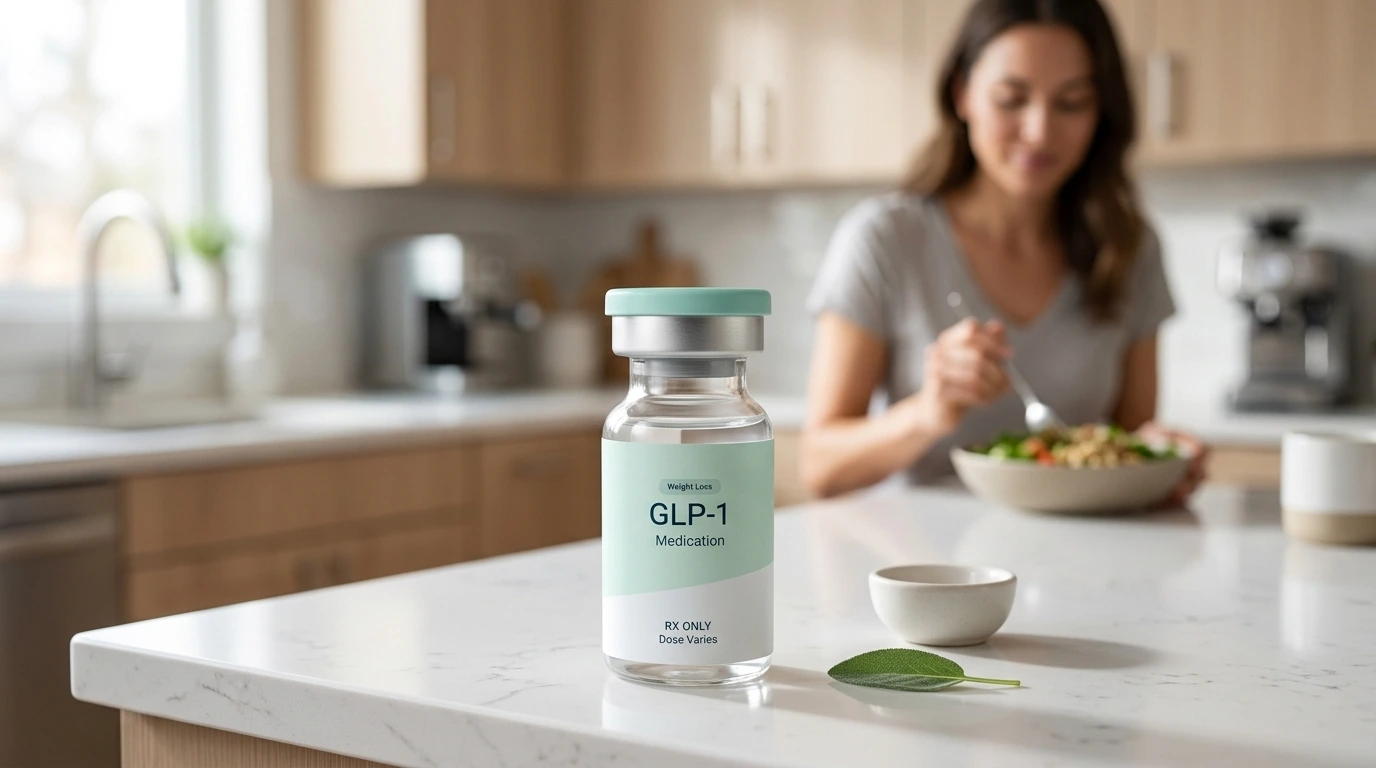
Starting a new weight loss or metabolic health journey often brings up practical questions about the tools you are using. If you have been prescribed Ozempic®, you might find yourself looking at the 3ml pen and wondering exactly how many weeks of treatment it provides. At TrimRx, we understand that managing a prescription can feel overwhelming, especially when you are balancing a busy lifestyle with new health goals. This article will clarify how long each 3ml pen lasts based on your specific dosage, how the different pen colors indicate medication strength, and what you need to know about storage safety. Our goal is to provide the clarity you need to stay consistent with your program. Understanding the lifespan of your medication ensures you can plan your refills and stay on track with your personalized health plan.
Quick Answer: A 3ml Ozempic® pen typically lasts between four and six weeks, depending on your prescribed dose. The total duration is determined by the concentration of the medication (mg) within the 3ml of liquid and whether you are in the initial “starting” phase or a “maintenance” phase of treatment.
If you are still deciding whether prescription GLP-1 treatment may fit your goals, you can complete a free eligibility assessment.
Decoding the Ozempic Pen Sizes
When looking at your medication, it is easy to get confused by the measurements on the box. Every Ozempic® pen contains 3ml of liquid solution, but the amount of the active ingredient—semaglutide (a GLP-1 receptor agonist that helps regulate blood sugar and appetite)—varies significantly between pens.
For additional context about how semaglutide dosing changes over time, review this guide to semaglutide dosing and titration.
Because the volume of liquid (3ml) is the same across different pen types, you must look at the total milligrams (mg) of medication to determine its longevity. The manufacturer color-codes these pens to help patients and providers distinguish between them. There are currently three primary pen configurations used in the United States.
The 2mg/3ml Pen (Teal/Red Label)
This pen is most common for those just beginning their treatment. It contains a total of 2mg of semaglutide. Because the starting dose for many people is 0.25mg once weekly, this pen is designed to cover the first several weeks of treatment as your body acclimates to the medication.
The 4mg/3ml Pen (Blue Label)
This pen is generally used for a mid-level maintenance dose. It contains 4mg of semaglutide. For an individual prescribed a 1mg weekly dose, this pen provides a specific amount of medication for a one-month period.
The 8mg/3ml Pen (Yellow Label)
The yellow-labeled pen is the highest concentration available. It contains 8mg of semaglutide. It is intended for individuals who have progressed through the titration schedule and are now on a 2mg weekly maintenance dose.
Duration Based on Your Weekly Dosage
How long your pen lasts is a simple math equation: the total milligrams in the pen divided by your weekly dose. However, the first pen you receive often follows a different schedule because of the titration process. Titration is the practice of starting with a very low dose and slowly increasing it to help your body adjust and minimize potential side effects, such as nausea or digestive changes.
For a closer look at gradual dose increases, read about when to increase your semaglutide dose.
The Initiation Phase (Weeks 1 through 6)
Most individuals start at a 0.25mg dose once a week for the first four weeks. Following this, the dose often increases to 0.5mg.
If you have the 2mg/3ml (Teal/Red) pen, the timeline usually looks like this:
- Weeks 1-4: 0.25mg per week (Total used: 1mg)
- Weeks 5-6: 0.5mg per week (Total used: 1mg)
- Total: 2mg used over 6 weeks.
In this scenario, your very first pen will last six weeks.
The Maintenance Phase (Monthly Cycles)
Once you have moved past the initial six weeks, your provider will likely move you to a steady maintenance dose. At this stage, pens are typically designed to last exactly four weeks (28 days).
- 0.5mg Maintenance: Using the 2mg pen, four doses of 0.5mg equal 2mg. The pen lasts 4 weeks.
- 1mg Maintenance: Using the 4mg pen, four doses of 1mg equal 4mg. The pen lasts 4 weeks.
- 2mg Maintenance: Using the 8mg pen, four doses of 2mg equal 8mg. The pen lasts 4 weeks.
| Pen Label Color | Total Medication (mg) | Typical Weekly Dose | Total Duration |
|---|---|---|---|
| Teal / Red | 2 mg | 0.25 mg (initiation) | 6 Weeks (4 doses of 0.25mg + 2 doses of 0.5mg) |
| Teal / Red | 2 mg | 0.5 mg | 4 Weeks |
| Blue | 4 mg | 1.0 mg | 4 Weeks |
| Yellow | 8 mg | 2.0 mg | 4 Weeks |
The 56-Day Safety Rule
A critical factor in how long a 3ml pen lasts is not just the volume of the medicine, but its chemical stability. Once you use an Ozempic® pen for the first time, a “countdown” begins. Regardless of how much medicine is left in the reservoir, the pen must be disposed of after 56 days (8 weeks).
For more guidance, see this overview of refrigerating and storing GLP-1 injections.
This 56-day limit exists because the preservative in the medication begins to lose its effectiveness once the pen has been punctured by a needle and exposed to room temperature or repeated handling. Using the medication after this window could mean the drug is less potent or, more importantly, could increase the risk of bacterial contamination.
Key Storage Reminders:
- Before first use: Keep your unused pens in the refrigerator between 36°F and 46°F.
- After first use: You can keep the pen in the refrigerator or at room temperature (up to 86°F) for up to 56 days.
- Never freeze: If a pen freezes, the medication is ruined and should be discarded immediately.
- Keep away from light: Store the pen with the cap on to protect the liquid from light degradation.
Key Takeaway: While a pen may physically contain enough liquid to last longer than two months depending on your dose, you must discard any remaining medication exactly 56 days after the first injection to ensure safety and efficacy.
How to Tell When Your Pen is Empty
It can be confusing to look at the clear plastic window of your pen and see a small amount of liquid still inside even after you have completed your scheduled doses. This is normal. The pens are designed with a small amount of “overfill” to ensure the needle can be properly primed and that the full final dose can be delivered accurately.
To confirm your pen is empty, look at the dose counter.
- Turn the dose selector dial.
- If the dial stops before reaching your prescribed dose (0.25, 0.5, 1, or 2), there is not enough medication left for a full injection.
- Do not attempt to “guess” a partial dose. If the dial will not turn to your full dose, the pen is functionally empty.
If you find yourself with a tiny bit of liquid remaining but the dial won’t move, it is time to move on to your next pen. At TrimRx, our platform connects you with providers who help manage these transitions, ensuring your next shipment arrives before your current pen runs out.
Navigating the Titration Schedule
The reason many people ask how long a pen lasts is that the dosage often changes while they are still using their first or second pen. The titration schedule is a safety-first approach to GLP-1 medications. By starting low, your body learns to process the hormone mimic without overwhelming your digestive system.
A typical schedule might look like this:
- Month 1: 0.25mg weekly. This “primes” the receptors in your brain and gut.
- Month 2: 0.5mg weekly. This is often where individuals begin to notice a significant change in “food noise” or appetite.
- Month 3 and beyond: Your provider may increase the dose to 1mg or 2mg depending on your results and how well you are tolerating the medication.
If you are using a personalized program through us, your provider will review your progress at these intervals. If you are experiencing results at a lower dose, you may stay there longer. If your progress stalls, a dose increase might be recommended. This flexibility is why understanding the “milligrams per pen” is more important than the “milliliters in the pen.”
If you want to see whether a personalized prescription program may be appropriate for you, take the free assessment quiz.
Managing Side Effects to Support Longevity
For your medication to last and be effective, you have to be able to take it consistently. Some people struggle with the early weeks of treatment due to gastrointestinal sensitivity. Managing these effects is a core part of a successful weight loss journey.
For additional information about beginning treatment gradually, explore this guide to your first semaglutide dose.
Tips for a smoother experience:
- Hydration: GLP-1 medications can change how your body manages fluids. Drink plenty of water throughout the day.
- Injection Site: Many people find that rotating their injection site between the abdomen, thigh, and upper arm helps reduce local sensitivity.
- Nutrient Support: Sometimes the reduced appetite caused by semaglutide can lead to a gap in essential vitamins. Using a supplement like our GLP-1 Daily Support supplement can help bridge those nutritional gaps and keep your energy levels steady while the medication works.
- Slow Down: Eat smaller meals and chew thoroughly. Since the medication slows gastric emptying (how fast food leaves your stomach), you will feel full much sooner than you used to.
Note: If you experience severe or persistent side effects, such as intense abdominal pain or uncontrollable vomiting, stop use and consult a healthcare provider immediately.
Alternatives to Branded Pens
While Ozempic® is a well-known brand, it is not the only way to access semaglutide. Due to high demand and supply chain issues, many people choose to use Compounded Semaglutide.
Compounded medications are prepared by pharmacists to meet the specific needs of an individual patient. At TrimRx, we connect patients with licensed providers who can prescribe compounded versions of these medications. These are prepared and shipped by FDA-registered and inspected compounding pharmacies.
It is important to understand that while the active ingredient (semaglutide) is the same, compounded medications are not FDA-approved in the same way branded products like Ozempic® or Wegovy® are. However, they offer a flexible and often more accessible way to stay consistent with your treatment, especially during branded medication shortages.
Why Personalization Matters
The question of “how long does it last” is ultimately about your unique health needs. No two bodies react to semaglutide in exactly the same way. Some people find their “sweet spot” at 0.5mg and stay there for months, making their pens last longer and reducing the need for higher doses. Others require the maximum 2mg dose to see metabolic improvements.
Our approach focuses on this individuality. By using a telehealth-first model, we eliminate the need for waiting rooms and allow for more frequent, easy communication with your care team. This ensures that as your dosage changes, your program adapts with you. Whether you are using a branded pen or a compounded alternative, the goal remains the same: sustainable, science-backed weight loss that fits your life.
Next Steps for Your Journey
- Check Your Label: Identify the total mg in your pen and your current prescribed dose.
- Mark Your Calendar: Write down the date you first used the pen. Set a reminder for 56 days from that date.
- Monitor Your Supply: Contact your provider for a refill when you start your final dose of the current pen.
- Support Your Body: Consider adding a targeted supplement like Weight Loss Boost to complement the metabolic effects of your medication.
Conclusion
Understanding how long a 3ml pen of Ozempic® lasts is essential for maintaining the consistency required for long-term weight loss success. Whether your pen lasts four weeks or six depends on your current stage of treatment and the specific concentration of the medication you were prescribed. By following the 56-day safety rule and keeping a close eye on your titration schedule, you can ensure that every dose is safe and effective.
The mission at TrimRx is to simplify this process for you. We provide the clinical expertise and digital tools necessary to navigate the world of GLP-1 medications with confidence. We believe that when you are empowered with knowledge and supported by a dedicated team, your health goals are within reach.
If you are ready to see which personalized program is right for your health profile, the first step is simple.
Take our free assessment quiz today to explore your options and start your journey toward a healthier, more vibrant you.
FAQ
Can I use the leftover liquid in my Ozempic pen after 4 doses?
If the dose counter dial will not turn to your full prescribed dose, the pen does not have enough medication for a complete injection. While there may be a small amount of liquid visible in the window, this is intentional “overfill” and should not be used as a partial dose.
What happens if I forget to put my pen back in the fridge?
Once an Ozempic® pen has been used for the first time, it can be safely stored at room temperature (up to 86°F) for up to 56 days. If the pen has not been used yet, it should remain in the refrigerator until its first use. If an unused pen is left out at room temperature for an extended period, consult your pharmacist before using it.
For more storage guidance, review this resource on storing semaglutide and tirzepatide at home.
Why did my first pen last 6 weeks but my second only lasts 4?
This is usually due to the titration schedule. The first pen (2mg/3ml) is often used for four weeks of 0.25mg doses and two weeks of 0.5mg doses, totaling 6 weeks. Once you are established on a maintenance dose of 0.5mg or higher, the pens are typically dispensed in one-month (4-week) increments.
How do I dispose of my pen once it is empty or reaches 56 days?
You should place your used pens in an FDA-cleared sharps disposal container immediately after use. If you do not have one, you can use a heavy-duty plastic household container with a tight-fitting, puncture-resistant lid, such as a laundry detergent bottle. Never throw used needles or pens directly into the household trash.
Disclaimer: This content is for informational purposes only and does not constitute medical advice. It is not intended to diagnose, treat, cure, or prevent any disease or condition. Individual results may vary. Always consult a qualified healthcare professional before starting any weight loss program or medication.

Transforming Lives, One Step at a Time
Keep reading
Want to Stop Ozempic but Your Provider Says Stay? How to Discuss It
Lead with your actual reason, because the conversation usually goes wrong when you argue about the evidence instead. Your provider is not wrong about…
Regained Weight After Stopping Ozempic? Don’t Restart at Your Old Dose
No. Whatever else you do, do not pick up where you left off. Tolerance to a GLP-1 is not assumed to persist through a…
Eating Less Than Ever on Ozempic but the Scale Won’t Move
Whatever else is true here, the answer is not to eat less. That needs saying first, because it is the direction this situation pushes…


