How Long Does Diarrhea Last on Zepbound and How to Manage It
Introduction
Starting a weight loss journey with a dual-agonist medication can feel like a major turning point in your health. However, that excitement often meets a sudden hurdle when gastrointestinal side effects like diarrhea begin. If you are currently reaching for the electrolyte drinks and wondering when your digestive system will settle down, you are not alone. Diarrhea is one of the most frequently reported side effects for those using Zepbound® (tirzepatide), especially during the first few weeks of treatment or after a dosage increase.
At TrimRx, we understand that managing these physical symptoms is just as important as the weight loss itself. If you are considering prescription support, take the free assessment quiz to see which program is right for you. This post covers exactly why this side effect occurs, the typical timeline for relief, and evidence-based strategies to manage your symptoms. Our goal is to help you navigate these transitions so you can stay focused on your long-term metabolic health goals. While discomfort is common, it is usually temporary and manageable with the right approach.
Why Does Tirzepatide Cause Digestive Issues?
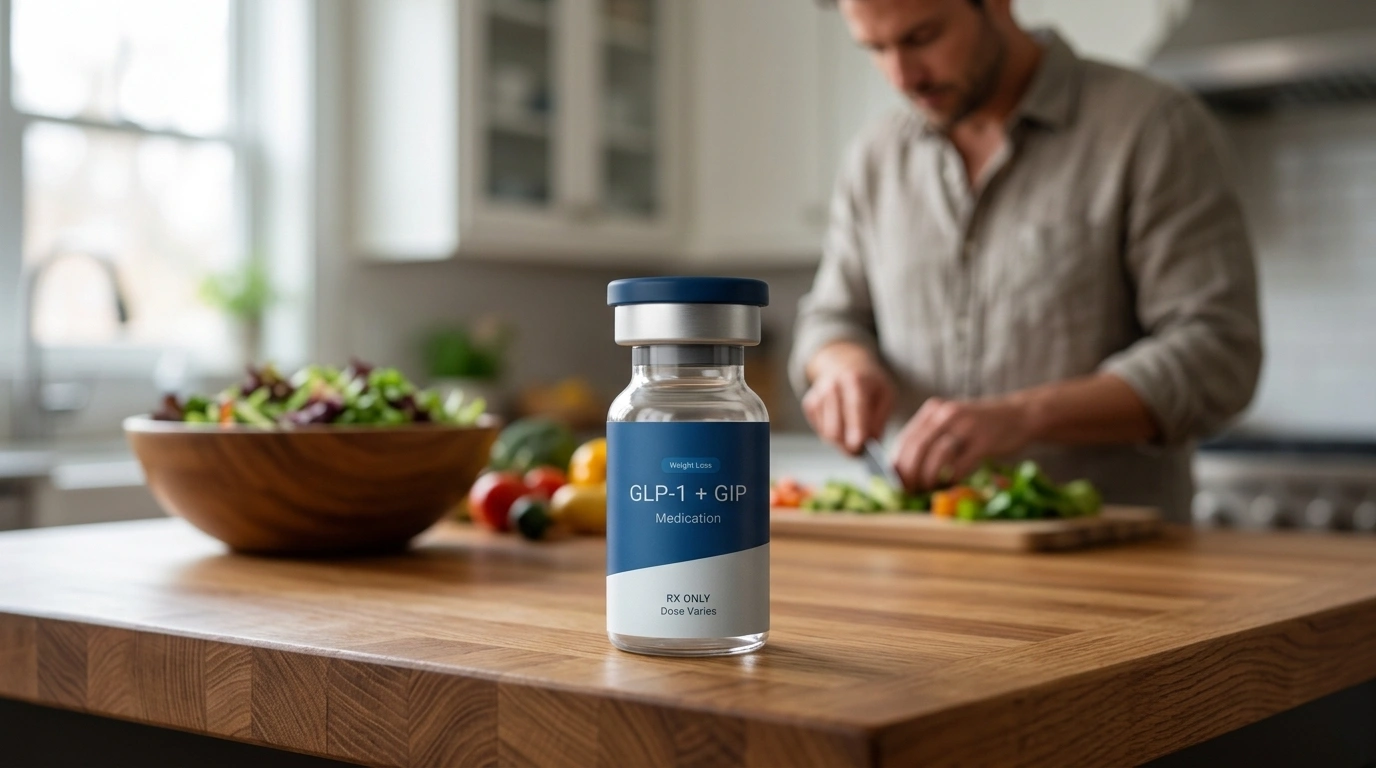
Zepbound® belongs to a class of medications known as dual GLP-1 and GIP receptor agonists. This means it mimics two different hormones in your body: glucagon-like peptide-1 (GLP-1) and glucose-dependent insulinotropic polypeptide (GIP). These hormones naturally occur in the gut and are responsible for telling your brain you are full, while also signaling your pancreas to manage insulin.
The medication works by slowing down gastric emptying. This process keeps food in your stomach longer, which helps you feel satisfied with smaller portions. However, this change in speed affects the entire digestive tract. When the transit time of food changes, the way your intestines absorb water and nutrients also shifts. For some individuals, this results in loose stools or diarrhea as the body tries to find a new equilibrium.
The “dual” action of tirzepatide is unique. While older medications only targeted the GLP-1 receptor, the addition of the GIP receptor agonist may enhance weight loss results. However, it also means the body has two different hormonal pathways to adjust to simultaneously. Most clinical data suggests that the digestive system is highly adaptable, but the initial “learning phase” for your gut can be uncomfortable. For a deeper look at the mechanism and timeline, Tirzepatide Diarrhea — Causes, Duration & Relief covers the same symptom pattern in more depth.
Quick Answer: For most people, diarrhea on Zepbound® is temporary and lasts for a few days following an injection. It typically resolves within two to four weeks as your body adjusts to the medication or a new dosage level.
The Typical Timeline: How Long Does It Last?
Most patients experience diarrhea during the first 24 to 72 hours after their weekly injection. This is when the concentration of the medication in your bloodstream is at its highest. As the week progresses and the levels stabilize, many people find their symptoms subside, only to return briefly after the next dose.
In terms of the overall program, symptoms usually peak during the titration phase. This is the period when your healthcare provider gradually increases your dose—typically every four weeks. You might feel fine on the 2.5 mg starting dose, but experience a resurgence of diarrhea when moving up to 5 mg or 7.5 mg. For a broader overview of side effects across doses, Tirzepatide Side Effects: What to Expect and How to Manage is a useful companion read.
Clinical studies provide a clear picture of the duration. In the SURMOUNT clinical trials for tirzepatide, gastrointestinal side effects were most common during the dose-escalation period. Most participants reported that these issues were mild to moderate and decreased significantly after they stayed on a consistent dose for several weeks.
Key Takeaway: Diarrhea is most often a “transition symptom.” Expect it to be most prominent in the first three days after an injection and during the first month of any new dosage increase.
Managing Symptoms During the First Week
The way you handle the first few days of treatment can dictate your comfort level. If you are experiencing loose stools, the primary goal is to prevent dehydration and allow your gut to rest. You do not necessarily need to stop eating, but you should shift your focus toward “gentle” nutrition that does not overtax your slowed digestive system. For a more detailed hydration strategy, Hydration on Tirzepatide: Why Water Intake Matters More Than You Think is a helpful companion piece.
Hydration is the single most important factor. Diarrhea causes the body to lose water and essential salts faster than normal. Simply drinking plain water may not be enough if the diarrhea is frequent. Consider drinks that include electrolytes—such as sodium, potassium, and magnesium—to maintain your energy levels and prevent the headaches that often accompany dehydration. If low energy is part of the picture, the Weight Loss Boost supplement is designed to support energy during weight loss.
Consider the “injection day” strategy. Many people find success by eating very light, low-fat meals the day before and the day of their injection. By entering the peak medication window with a “quiet” digestive tract, you may reduce the intensity of the GI response.
Note: If you experience more than three or four episodes of diarrhea in a single day, it is important to monitor for signs of severe dehydration, such as extreme thirst, dark urine, or dizziness.
Dietary Shifts to Stop Diarrhea
The foods you eat can either soothe or irritate your digestive system while on Zepbound®. Because the medication slows down your stomach, high-fat or greasy foods sit in the digestive tract for much longer than they used to. This can lead to fermentation and irritation, which often triggers urgent trips to the bathroom. If you want the broader GLP-1 context, Do GLP-1 Medications Cause Diarrhea? Understanding the Side Effects explains why this happens across the class.
The BRAT diet is a classic approach for a reason. B-R-A-T stands for Bananas, Rice, Applesauce, and Toast. These foods are low in fiber and easy for the body to process. While you shouldn’t stay on this limited diet long-term, using it for 24 to 48 hours during a flare-up can help firm up stools and give your intestines a break.
Foods to avoid during a symptomatic period include:
- Fried foods and heavy oils
- Highly processed snacks and sugary desserts
- Cruciferous vegetables (like broccoli or cabbage) that produce gas
- Large amounts of dairy, especially if you have a mild sensitivity
- Excessive caffeine, which can act as a natural laxative
Focus on small, frequent meals. Instead of three large meals, try five or six very small snacks throughout the day. This prevents the “overload” sensation in the stomach and allows the medication to process food more efficiently without triggering a backup or an emergency exit.
The Role of Supplements in Digestive Support
Specific nutrients can help stabilize the gut environment. When you are on a GLP-1 or GIP medication, your nutritional needs change. Because you are eating less, every bite needs to be nutrient-dense. Furthermore, supporting the gut microbiome can help mitigate some of the “transit time” issues that lead to diarrhea.
Fiber is a double-edged sword. While fiber is generally good for health, adding a massive amount of insoluble fiber (like raw kale or bran) during a bout of diarrhea can actually make things worse. Soluble fiber, however, absorbs water and can help add bulk to loose stools.
Nutritional support products are designed for this transition. We offer the GLP-1 Daily Support supplement, which is formulated to provide essential nutrients that may be lacking when your appetite is suppressed or when digestive issues limit your food choices. Using a targeted supplement can help fill the gaps and support overall metabolic health while your body adapts to the medication.
Bottom line: While diet is the first line of defense, adding a targeted supplement like GLP-1 Daily Support can help ensure your body has the micronutrients it needs to maintain energy and gut health during the weight loss process.
When to Seek Medical Advice
While diarrhea is usually a “nuisance” side effect, there are times when it requires professional intervention. It is essential to remember that you are on a medical treatment, and your healthcare provider is there to help you manage these hurdles.
You should contact your provider if:
- Diarrhea lasts for more than 7 days without improvement.
- You experience severe, sharp abdominal pain or cramping.
- You see blood in your stool.
- You have a fever or signs of a systemic infection.
- You cannot keep any fluids down and feel increasingly weak.
Your provider may suggest a “dose pause” or a slower titration schedule. Sometimes, the standard jump from 2.5 mg to 5 mg is too much for a person’s system to handle at once. A licensed healthcare provider can help you determine if you should stay at a lower dose for an extra month to let your body fully stabilize before trying to increase again.
Important: Never adjust your prescription dosage or stop taking your medication without first consulting the licensed healthcare professional managing your treatment program.
Compounded Tirzepatide and Side Effects
Many individuals access weight loss treatments through compounded medications. At TrimRx, we connect patients with licensed providers who may prescribe Compounded Tirzepatide. If you want to see whether a supervised program is a fit, see if you qualify for a personalized program to get started. It is important to understand the regulatory context of these options.
Compounded Tirzepatide is not FDA-approved. However, it is prepared and shipped by FDA-registered, inspected compounding pharmacies. These pharmacies follow strict quality standards to ensure the medication contains the intended active ingredients. Because the active ingredient is the same as that found in branded Zepbound®, the side effect profile—including the likelihood and duration of diarrhea—is generally expected to be very similar.
Personalized dosing is a major benefit of the compounding route. Because the medication is prepared specifically for the patient, providers have more flexibility. If a patient is struggling with significant diarrhea at a certain dose, the provider can sometimes adjust the titration more precisely than the fixed-dose pens of branded medications allow. This personalized approach is a cornerstone of how we help people achieve sustainable results without being sidelined by side effects.
Staying the Course for Long-Term Success
It is easy to feel discouraged when you feel unwell. Many people consider stopping their medication in the first two weeks because they feel the side effects outweigh the benefits. However, it is helpful to look at the “big picture.” The clinical data shows that for the vast majority of people, the gastrointestinal storm clears.
Weight loss is a marathon, not a sprint. A few days of digestive upset is often the body’s way of recalibrating to a new metabolic state. Once the diarrhea subsides and your appetite stabilizes, you will likely find it much easier to stick to a calorie-controlled, healthy eating plan. The medication provides the “quiet” in your mind regarding food cravings, but you must provide the patience for your body to catch up.
Consistency is the key to minimizing future issues. Skipping doses or changing your injection day frequently can keep your body in a state of flux. By sticking to a consistent schedule and following the dietary guidelines mentioned above, you give your digestive tract the best environment to adapt and thrive.
The TrimRx Approach to Weight Loss
Sustainable weight loss requires more than just a prescription. It requires a support system that understands the nuances of the journey. At TrimRx, our mission is to help individuals embrace healthier lifestyles through science, empathy, and a transparent, personalized approach to metabolic health. We believe that no one should have to navigate side effects like diarrhea or nausea alone.
Our telehealth-first platform removes the barriers to care. You do not need to sit in a waiting room or deal with the stress of in-person visits to get the help you need. Through our personalized programs, you have access to medical professionals who can guide you through the titration process and help you manage side effects as they arise. Whether you are using a branded medication or a compounded alternative, we are here to ensure your program is tailored to your specific health profile and goals.
Conclusion
Diarrhea on Zepbound® is a common but usually short-lived experience. While it can be disruptive, most people find that symptoms resolve within a few days of each dose and disappear almost entirely after the first month of treatment. By prioritizing hydration, sticking to a gentle diet during flare-ups, and utilizing targeted nutritional support, you can significantly reduce the impact on your daily life.
Key Takeaway: Manage diarrhea by focusing on hydration, soluble fiber, and low-fat small meals. Most GI issues are transitionary and will improve as your body adjusts to the GLP-1 and GIP receptor activity.
If you are ready to start a weight loss journey that is medically supervised and fully supported, the first step is simple. We invite you to take our free assessment quiz to see which program is right for you. Our team is dedicated to helping you find a path that is both effective and sustainable, providing the clinical expertise and modern technology you need to succeed.
FAQ
Does diarrhea on Zepbound® happen after every shot?
For most people, it only happens during the first few shots of a new dosage level. As your body reaches a “steady state” with the medication, the digestive system usually adapts, and the frequency of loose stools decreases significantly.
Can I take over-the-counter anti-diarrheal medicine?
Many patients find relief with standard over-the-counter medications like loperamide. For a step-by-step breakdown of management options, How to Stop Diarrhea on Tirzepatide: Effective Management Strategies can be a useful guide. However, you should always consult with your healthcare provider before adding any new medication to your routine to ensure it does not interfere with your weight loss treatment or any underlying conditions.
Will the diarrhea return if I increase my dose?
It is common for gastrointestinal side effects to reappear briefly when you move to a higher dosage of Zepbound®. This is why most programs use a slow titration schedule, allowing your gut several weeks to stabilize before introducing a higher concentration of the medication.
Does the injection site affect how long diarrhea lasts?
Some anecdotal evidence from patients suggests that injecting in the thigh or arm rather than the stomach can reduce the severity of nausea and diarrhea. While there is no definitive clinical study proving this, it is a safe strategy to try if you are struggling with persistent GI issues.
Disclaimer: This content is for informational purposes only and does not constitute medical advice. It is not intended to diagnose, treat, cure, or prevent any disease or condition. Individual results may vary. Always consult a qualified healthcare professional before starting any weight loss program or medication.

Transforming Lives, One Step at a Time
Keep reading

Zepbound Alternatives: Your Options Compared
If Zepbound isn’t the right fit, the main alternative is semaglutide (sold as Wegovy), which produces slightly less weight loss but works similarly, along…

Pemvidutide vs Zepbound: Muscle-Sparing Newcomer vs Proven Tirzepatide
Pemvidutide and Zepbound approach weight loss differently. Pemvidutide, an investigational GLP-1 and glucagon drug, stands out for preserving muscle unusually well (most of the…
Amycretin vs Zepbound: Investigational Newcomer vs Proven Option
Amycretin and Zepbound represent two ends of the weight-loss drug timeline. Amycretin, an investigational drug from the maker of Wegovy, has shown striking early…


