How Much Can You Eat on Zepbound: A Practical Nutrition Guide
Introduction
Starting a weight loss journey with Zepbound® often brings an unexpected sense of relief as the constant “food noise” or obsessive thoughts about the next meal finally quiet down. This shift is a powerful indicator that the medication is working, yet it often leads to a very practical question: how much can you eat on Zepbound? When your natural hunger signals change so significantly, your old eating habits and portion sizes may no longer feel appropriate or even physically comfortable. At TrimRx, we understand that navigating these metabolic changes requires more than just willpower; it requires a new strategy for nourishing your body. This guide explores how to determine your ideal intake, why your previous portion sizes might need to change, and how to ensure you are getting enough nutrition even when your appetite is low. Finding the right balance is essential for achieving sustainable results while maintaining your energy and muscle mass.
Quick Answer: There is no universal calorie count for everyone on Zepbound. Most individuals find success by listening to new satiety signals, stopping when comfortably full, and prioritizing 60 to 75 grams of protein daily to protect muscle mass.
If you are considering whether a personalized prescription weight loss program may be appropriate for you, you can complete a free eligibility assessment.
Understanding the “Fullness” Mechanism
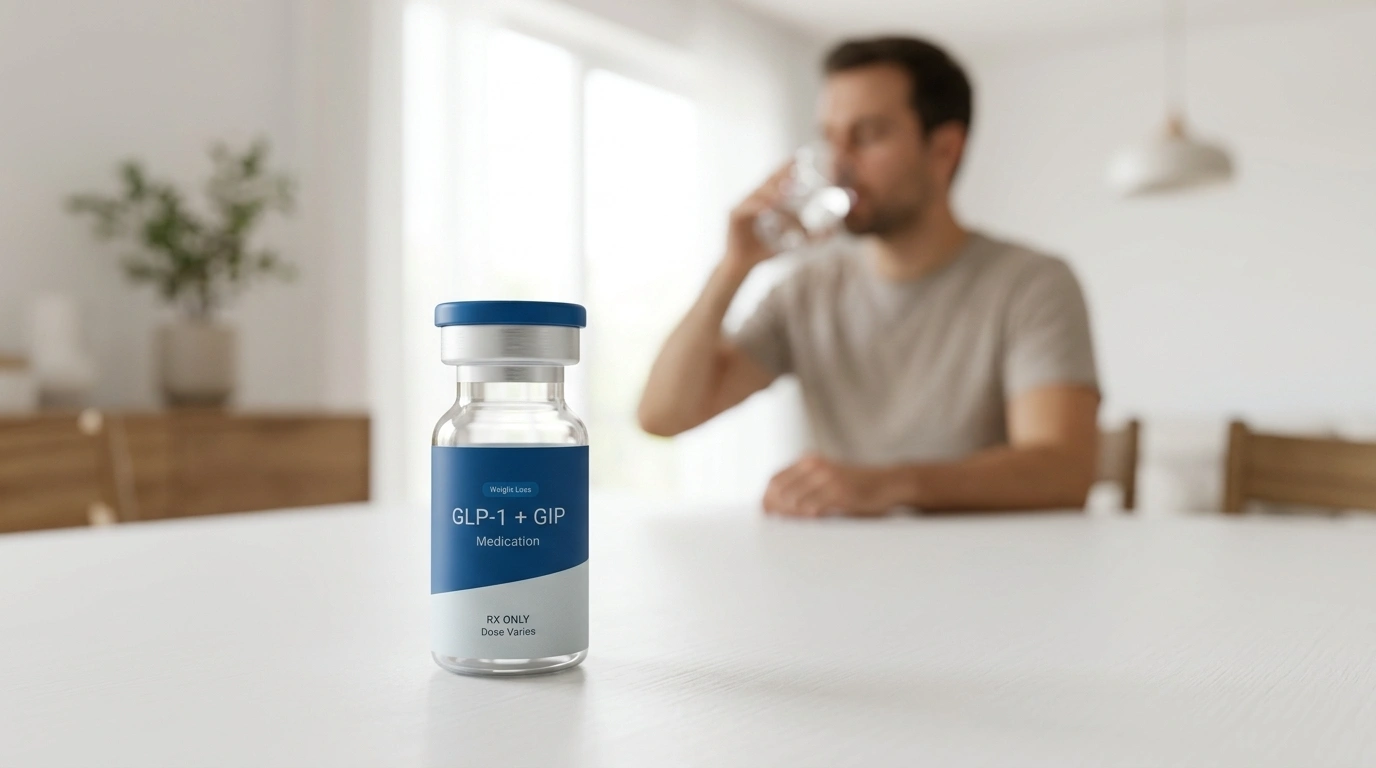
To understand how much you should eat, it is helpful to look at how Zepbound (tirzepatide) interacts with your body. This medication is a dual-receptor agonist, meaning it mimics two different gut hormones: glucagon-like peptide-1 (GLP-1) and glucose-dependent insulinotropic polypeptide (GIP). These hormones are naturally released after a meal to signal the brain that you are satisfied.
When these signals are amplified by the medication, they affect your digestive system in two primary ways. First, they target the hunger centers in the brain, reducing the urge to eat. Second, they cause delayed gastric emptying. This is the clinical term for the slowing of the speed at which food moves out of your stomach. Because food stays in your stomach for a longer duration, you will physically feel full much faster than you did before starting the treatment.
For additional guidance on eating patterns during treatment, review this Zepbound nutrition and meal-planning guide.
Key Takeaway: Zepbound changes both your brain’s perception of hunger and the physical speed of your digestion, making smaller portions a biological necessity rather than just a dietary choice.
Determining Your Calorie Needs
While many people hope for a specific number, your ideal intake depends on your height, weight, activity level, and metabolic health. However, clinical research and provider experiences offer several helpful frameworks for finding your range.
The Deficit Framework
Many healthcare providers recommend a goal of a 500-calorie deficit from your Total Daily Energy Expenditure (TDEE). Your TDEE is the total number of calories your body burns in a day to maintain its current weight. By consuming 500 calories less than this number, you support a steady weight loss pace of roughly one pound per week.
Common Daily Ranges
While individual needs vary, many adults on GLP-1 medications find that their intake naturally settles between 1,200 and 1,500 calories per day. For some individuals with lower activity levels or smaller frames, this may be closer to 1,000 to 1,200 calories. It is rarely recommended to consistently drop below 1,000 calories without direct medical supervision, as this can lead to nutrient deficiencies and extreme fatigue.
You can compare these considerations with this detailed explanation of how much to eat on Zepbound.
The Role of Biofeedback
On this medication, “how much” you eat is often governed by biofeedback—the physical signals your body sends you. Because your stomach empties slowly, your body will give you a very clear “stop” signal. Ignoring this signal to finish a plate can lead to significant discomfort, including nausea or vomiting.
The “Mini-Meal” Strategy
Traditional dietary advice often centers on “three square meals” a day. However, when taking a medication that slows digestion, large meals can be difficult for the stomach to process. Many people find that eating 4 to 6 smaller “mini-meals” throughout the day is much more manageable.
Why small meals work better:
- Reduced Bloating: Smaller volumes of food are less likely to cause the “overstuffed” feeling that often leads to indigestion.
- Stable Energy: Frequent, small doses of nutrition help maintain blood sugar levels, preventing the “crashes” that cause irritability or headaches.
- Easier Digestion: Giving the stomach smaller tasks throughout the day prevents the “bottleneck” effect where food sits too long in the upper digestive tract.
For more information about common digestive concerns, see this guide to tirzepatide side effects and management.
What to do next:
- Try eating every 3 to 4 hours.
- Keep portions to roughly the size of your palm.
- Stop eating as soon as you feel a sense of satisfaction, even if there is food left on the plate.
Prioritizing Nutritional Quality
Because you are eating less overall, the quality of every bite becomes significantly more important. When your total volume of food decreases, each meal must work harder to provide the vitamins, minerals, and macronutrients your body requires.
The Protein-First Rule
Protein is the most critical nutrient when losing weight on Zepbound. Without adequate protein, your body may begin to break down its own muscle tissue for energy. This is a common concern in rapid weight loss, as losing muscle can slow your metabolism and lead to a “soft” appearance rather than a toned one.
Most experts recommend aiming for at least 60 to 75 grams of protein per day. When you sit down to eat, you should always consume your protein source first. This ensures that if you get full quickly, you have already secured the most vital building blocks for your muscles.
For more ideas about choosing protein during weight loss, explore this guide to the best protein choices for weight loss.
The Importance of Fiber
Constipation is a common side effect of GLP-1 medications because the digestive tract is moving more slowly. Fiber acts as a natural aid to keep the system moving. Aiming for 21 to 25 grams of fiber per day can help mitigate digestive sluggishness. High-fiber choices include:
- Berries (raspberries and blackberries are particularly high in fiber).
- Cooked vegetables like broccoli, Brussels sprouts, and carrots.
- Legumes such as lentils and black beans.
- Whole grains like oats or quinoa.
For a broader overview of nutrient-dense eating, review this guide to a healthy diet for weight loss.
Note: If you are increasing your fiber intake, you must also increase your water consumption to help the fiber move through your system effectively.
Managing “Food Aversion” and Mechanical Eating
It is common to experience days—especially in the first 48 hours after an injection—where you have zero interest in food. This is often called “food aversion.” While the goal of the medication is to reduce intake, eating too little can be just as problematic as eating too much.
When you have no appetite, you may need to practice “mechanical eating.” This means eating because it is a scheduled time to nourish your body, rather than waiting for a hunger signal that may not come. In these moments, liquid nutrition like protein shakes or bone broth can be easier to tolerate than solid foods. Mechanical eating ensures that your brain has enough glucose to function and your body has enough fuel to prevent the extreme fatigue often mistaken for a medication side effect.
Signs you may not be eating enough:
- Feeling lightheaded or dizzy when standing up.
- Persistent “brain fog” or inability to focus.
- Extreme hair thinning or brittle nails.
- Intense headaches that occur daily.
Hydration Timing and Volume
Staying hydrated is non-negotiable on Zepbound, but the way you drink water matters. Gulping a large glass of water during a meal can take up valuable space in your stomach, making it impossible to finish your nutrient-dense food.
A better strategy is to sip water consistently between your eating windows. Aim for small, frequent sips throughout the day rather than large quantities at once. If you struggle with the taste of plain water, herbal teas or water infused with electrolytes can be helpful. Proper hydration helps the kidneys process the waste products of weight loss and can significantly reduce the feeling of nausea.
Bottom line: Drink between meals rather than during them to ensure you have enough physical space in your stomach for essential protein and fiber.
Foods to Limit for Better Tolerance
While no food is strictly “banned,” certain types of food are much harder for a slowed digestive system to handle. Limiting these can help you feel better and allow you to eat enough of the “good” stuff.
| Food Category | Why to Limit | Better Alternative |
|---|---|---|
| Fried & Greasy Foods | Fat slows digestion even further, often leading to severe nausea or reflux. | Grilled, baked, or air-fried proteins. |
| Sugary Sodas | Carbonation can cause painful bloating in a slowed stomach. | Still water or herbal tea. |
| Ultra-Processed Snacks | High in calories but low in nutrients, leaving you malnourished despite the intake. | Whole fruits, nuts, or Greek yogurt. |
| Large Raw Salads | Raw, fibrous vegetables can be very difficult to digest when motility is low. | Steamed or roasted vegetables. |
The Impact of Breakthrough Hunger
As the week progresses and the medication level in your bloodstream naturally dips, you may experience “breakthrough hunger.” This usually happens a day or two before your next scheduled injection. You might find that you can eat slightly larger portions during this time.
This is normal and can be used to your advantage. If you struggled to hit your protein or calorie goals earlier in the week, you can use these days to focus on nutrient-dense, slightly larger meals. However, be cautious not to “over-compensate.” Overeating right before your next dose can make the transition back to the medication’s full effect more uncomfortable.
Personalized Weight Loss with TrimRx
Navigating the nuances of GLP-1 medications is a personalized process. At TrimRx, we believe that medical weight loss is most effective when it is supervised, supported, and tailored to the individual. Our platform connects you with licensed healthcare providers who can help you determine the right path for your specific health profile.
The process is designed to be telehealth-first, meaning you never have to deal with waiting rooms or in-person visits. Our programs include:
- Expert Consultation: Access to licensed providers who understand the complexities of metabolic health.
- Compounded Options: We connect patients with medications, including Compounded Semaglutide and Compounded Tirzepatide, shipped from FDA-registered, inspected compounding pharmacies.
- Comprehensive Care: Your program includes doctor consultations, lab work coordination, and shipping—all with no hidden fees.
- Dedicated Support: Our team is available 24/7 to answer questions about side effects, nutrition, or dosage.
Whether you are interested in branded options like Zepbound® or Ozempic®, or you are exploring the benefits of personalized compounded medications, the first step is always the same.
How to get started:
- Step 1: Complete the free health assessment quiz on our platform.
- Step 2: Review your results and, if eligible, connect with a licensed provider.
- Step 3: Discuss your medical history and goals to receive a personalized treatment plan.
- Step 4: Have your medication and program materials shipped directly to your door.
Optimizing Your Results with Supplements
When your food intake is reduced, it can be a challenge to get every single micronutrient your body needs from food alone. This is where targeted support can play a role.
For individuals who find it difficult to maintain their nutrient levels or those looking to support their body’s natural metabolic pathways, we offer quick-access supplements that do not require a prescription or a quiz. GLP-1 Daily Support is designed to provide essential nutrients that may be missing in a lower-calorie diet, while Weight Loss Boost supplement can help support energy levels and metabolic function. These can be valuable tools to ensure you feel your best as your body adjusts to smaller portions and a different eating rhythm.
Conclusion
How much you can eat on Zepbound is a question that your body will ultimately help you answer through new signals of fullness and satiety. By shifting your focus toward high-quality protein, essential fiber, and frequent small meals, you can work with the medication rather than against it. It is a journey of relearning how to fuel your body in a way that respects your new metabolic reality.
At TrimRx, our mission is to help you embrace this healthier lifestyle through a transparent, personalized, and empathetic approach. We are here to provide the clinical expertise and modern technology you need to achieve sustainable weight loss without the frustration of traditional dieting. If you are ready to see how a personalized program can support your goals, we invite you to take the free assessment quiz today.
FAQ
Should I count calories while taking Zepbound?
While not everyone needs to count calories, many find it helpful during the first few weeks to ensure they are eating enough. Tracking can prevent you from accidentally consuming too few calories, which can lead to muscle loss and fatigue. It also helps you monitor your protein and fiber intake to ensure you are meeting your nutritional goals.
What happens if I can’t finish my meal?
On Zepbound, it is perfectly normal to feel full after just a few bites. If you cannot finish a meal, do not force yourself, as this often leads to nausea. Instead, save the remainder for later or plan for a small, protein-rich snack in a few hours. Listening to your “fullness” signal is the most important habit to develop for long-term success.
Can I skip meals if I am not hungry?
Skipping meals entirely is generally discouraged, even if you do not feel hunger. Long periods without food can lead to blood sugar drops, irritability, and muscle wasting. If you have no appetite, try to consume a small amount of liquid protein or a light snack like Greek yogurt to keep your body fueled and your metabolism supported.
Is it okay to eat fast food occasionally on Zepbound?
While an occasional indulgence may be fine for some, many people find that high-fat, fried fast foods are very poorly tolerated on this medication. Because digestion is slowed, the grease can sit in the stomach and cause significant gastric distress. If you do choose to eat fast food, keep the portion very small and choose the leanest options available.
Disclaimer: This content is for informational purposes only and does not constitute medical advice. It is not intended to diagnose, treat, cure, or prevent any disease or condition. Individual results may vary. Always consult a qualified healthcare professional before starting any weight loss program or medication.

Transforming Lives, One Step at a Time
Keep reading

Kids’ Birthday Party on Zepbound
If you have young children, birthday parties are a regular part of life: your own child’s, and the steady stream of classmates’ parties most…
Water Aerobics on Zepbound
For people with painful knees, hips, or backs, water aerobics and pool exercise are often the first kind of exercise that feels possible. The…

New Year’s Eve on Zepbound
New Year’s Eve is built around staying up late. There is usually a big dinner or a party spread, drinks through the evening, champagne…


