How Much Protein Per Day on Zepbound for Optimal Results
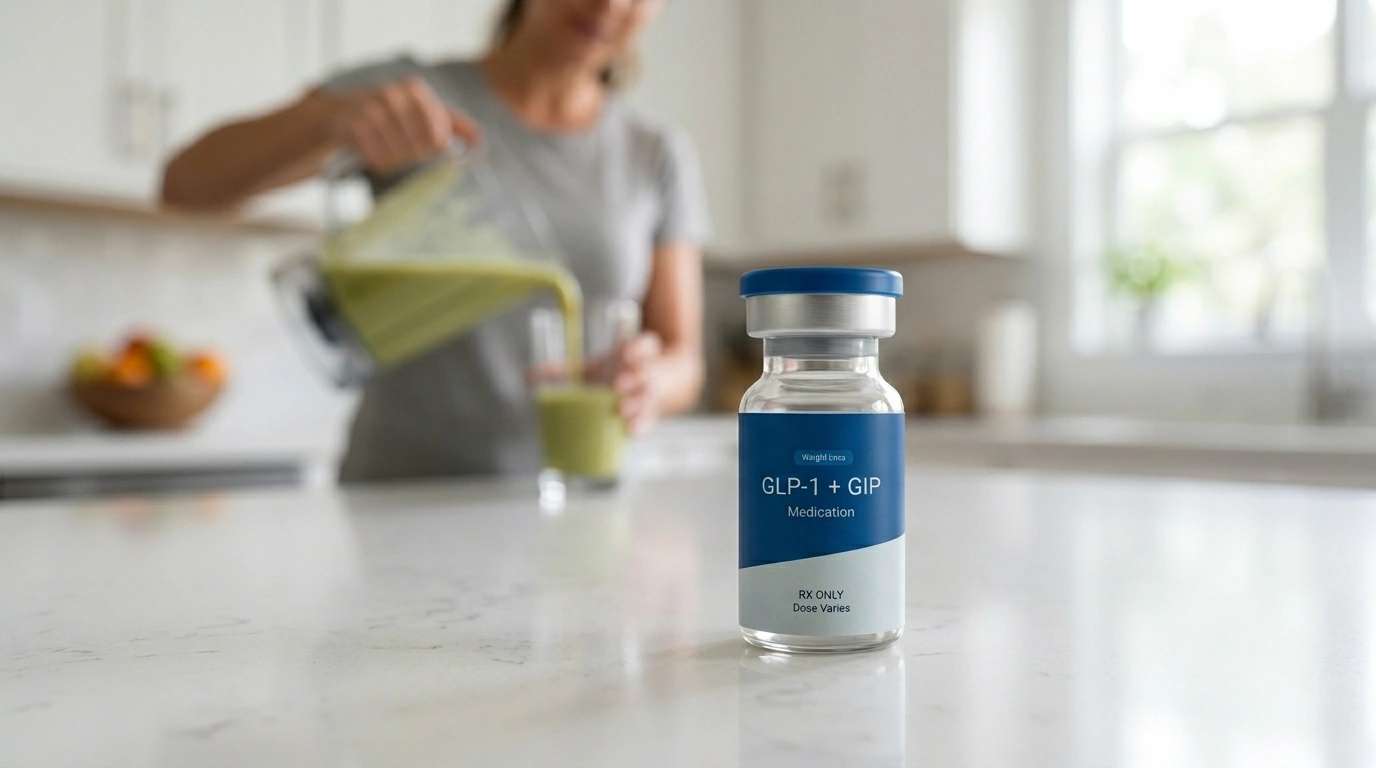
Table of Contents
- Introduction
- Why Protein is Vital During Your Weight Loss Journey
- Calculating How Much Protein Per Day on Zepbound
- The Role of Zepbound® in Metabolic Health
- Identifying the Signs of Protein Deficiency
- Best Protein Sources for Sensitive Stomachs
- Strategies to Increase Your Protein Intake
- How to Calculate Your Daily Goal
- The Importance of Resistance Training
- Onboarding with a Personalized Program
- Conclusion
- FAQ
Introduction
Watching the numbers on the scale drop can be incredibly rewarding, but for many people using Zepbound®, that progress comes with a new challenge: a significant loss of appetite that makes hitting nutritional goals feel like a chore. When you are eating much less than usual, every bite needs to count toward your long-term health. At TrimRx, we believe that successful weight loss isn’t just about losing pounds; it is about losing the right kind of weight while preserving your strength and metabolic health. Protein is the most critical macronutrient to focus on during this journey because it acts as the building block for your muscles, skin, and immune system. This article explores the specific protein requirements for those on GLP-1 and GIP receptor agonist medications and provides actionable steps to ensure you are nourishing your body properly. If you want to see whether a personalized program is a fit for you, you can take the free assessment quiz.
Why Protein is Vital During Your Weight Loss Journey
When you use a medication like Zepbound® (tirzepatide), the primary mechanism involves slowing down your digestion and signaling to your brain that you are full. While this is excellent for reducing caloric intake, it can lead to a common pitfall: rapid muscle loss. When the body is in a significant calorie deficit, it may look to muscle tissue for energy if it isn’t receiving enough protein and stimulus through movement.
Preserving lean muscle mass is essential for maintaining a healthy basal metabolic rate (BMR). Your BMR is the number of calories your body burns at rest. Because muscle tissue is more metabolically active than fat tissue, losing muscle can lead to a “metabolic slowdown,” making it harder to maintain your weight loss in the future. For a deeper look at the hormone side of the equation, how GLP-1 medications help with weight loss explains why appetite changes are so dramatic.
Key Takeaway: Prioritizing protein helps protect your lean muscle mass, ensuring that the weight you lose comes primarily from fat stores rather than functional muscle tissue.
Calculating How Much Protein Per Day on Zepbound
There is no “one size fits all” number for protein, as requirements change based on your starting weight, activity level, and age. However, clinical experts and nutritionists working with GLP-1 patients generally recommend a higher protein intake than the standard Recommended Dietary Allowance (RDA).
The General Recommendation
For an individual focusing on weight management while using tirzepatide, a common target is between 1.2 and 1.5 grams of protein per kilogram of body weight. To find your weight in kilograms, divide your weight in pounds by 2.2.
For example, an individual weighing 200 pounds (approximately 91 kilograms) would aim for:
- 91 kg x 1.2g = 109 grams of protein per day
- 91 kg x 1.5g = 136 grams of protein per day
The Minimal Threshold
Most clinical specialists suggest that a baseline of at least 60 to 90 grams of protein per day is necessary for most adults to prevent significant muscle wasting. If you find yourself struggling to eat due to the appetite-suppressing effects of the medication, hitting this minimum should be your primary nutritional goal.
Quick Answer: Most people on Zepbound® should aim for 1.2 to 1.5 grams of protein per kilogram of body weight, which typically translates to 80–120 grams of protein daily for the average adult.
The Role of Zepbound® in Metabolic Health
Zepbound® is a dual-agonist medication, meaning it mimics two different hormones in the body: glucagon-like peptide-1 (GLP-1) and glucose-dependent insulinotropic polypeptide (GIP). This dual action is highly effective for weight loss, but it also means the body’s nutritional needs are more pronounced.
When these hormones are activated, they improve insulin sensitivity and change how your body processes energy. Because your digestion slows down significantly (delayed gastric emptying), you may feel full for hours after a small meal. This makes “grazing” on low-protein snacks a risk, as you may fill up before you get to the high-quality protein your muscles need. You can read more about what GLP-1 actually does in your body if you want a broader explanation of the pathway.
We often see that individuals who do not prioritize protein while on these medications experience more fatigue and a higher likelihood of “plateauing.” At TrimRx, our personalized programs emphasize the importance of balancing these powerful clinical tools with a focused nutritional strategy to ensure long-term vitality.
Identifying the Signs of Protein Deficiency
If you are not reaching your daily protein targets while on a weight loss program, your body will eventually send signals that it is struggling. Being aware of these signs can help you adjust your diet before you experience significant muscle loss or health complications.
- Persistent Fatigue: While a calorie deficit can cause some tiredness, extreme lethargy often points to a lack of amino acids needed for energy and repair.
- Hair and Nail Changes: Protein is the primary component of hair and nails. If you notice thinning hair or brittle nails, your body may be redirecting protein away from these areas to support vital organs.
- Muscle Weakness: Finding it harder to lift objects or complete a workout you previously handled with ease.
- Slow Recovery: Soreness that lasts longer than usual after physical activity.
- Increased Hunger Cravings: Sometimes, “sugar cravings” are actually the body’s way of signaling a need for protein and stable blood sugar.
Note: If you experience severe fatigue or muscle weakness, it is important to consult with a healthcare provider to rule out other nutritional deficiencies or side effects.
Best Protein Sources for Sensitive Stomachs
Because Zepbound® can cause mild nausea or a feeling of “heaviness” in the stomach, choosing the right types of protein is essential. High-fat or heavily fried proteins may stay in the stomach too long and increase discomfort.
Lean Animal Proteins
- Grilled Chicken or Turkey: Low in fat and very high in protein.
- White Fish: Cod, tilapia, or halibut are easy on the digestive system.
- Egg Whites: A very “clean” protein source that is versatile for breakfast or snacks.
- Greek Yogurt: High in protein and contains probiotics that may help with digestive health.
Plant-Based Options
- Tofu and Tempeh: These are complete proteins that are generally easier to digest than heavy beans for some people.
- Lentils and Chickpeas: Great for fiber, though the high fiber content should be introduced slowly to avoid bloating.
- Edamame: A convenient, high-protein snack.
Supplementation
When your appetite is very low, drinking your protein can be easier than eating a full meal. High-quality whey or vegan protein isolates can provide 20–30 grams of protein in a single serving without making you feel overly full. We recommend looking for options with minimal added sugars to keep your blood glucose levels stable. For added nutritional coverage during treatment, GLP-1 Daily Support is designed to support your nutrient intake alongside a reduced-calorie routine.
Strategies to Increase Your Protein Intake
Increasing your protein intake doesn’t always mean eating larger meals. In fact, for those on Zepbound®, smaller, more frequent “protein hits” are often more effective.
- Prioritize Protein First: At every meal, eat your protein source before your vegetables or carbohydrates. This ensures you get the most important nutrients before you feel full.
- Add Protein to Every Snack: Instead of just an apple, have an apple with a string cheese or a tablespoon of nut butter.
- Utilize High-Protein Dairy: Swapping regular milk for ultra-filtered milk can significantly boost your protein intake with no extra volume.
- Keep it Simple: Use pre-cooked chicken breast, hard-boiled eggs, or canned tuna for quick meals that don’t require heavy cooking.
If you need help supporting your overall energy while you focus on eating enough protein, Weight Loss Boost can be a helpful supplement option to consider. For readers who are dealing with digestive discomfort, GLP-1 side effects is a useful companion guide.
How to Calculate Your Daily Goal
| Current Weight (lbs) | Weight in kg (approx) | Daily Protein Goal (1.2g/kg) | Daily Protein Goal (1.5g/kg) |
|---|---|---|---|
| 150 lbs | 68 kg | 82g | 102g |
| 180 lbs | 82 kg | 98g | 123g |
| 210 lbs | 95 kg | 114g | 143g |
| 250 lbs | 114 kg | 137g | 171g |
Bottom line: Aiming for at least 25–30 grams of protein at each of your three main meals, plus a high-protein snack, is the most effective way to reach these targets.
The Importance of Resistance Training
Protein alone is not enough to save your muscle mass; you must also give your muscles a reason to stay. Resistance training—whether it’s lifting weights, using resistance bands, or doing bodyweight exercises like squats and pushups—tells your body to preserve muscle tissue.
When you combine a high-protein diet with regular strength training, you optimize your body composition. This means that while the scale goes down, you are becoming leaner and stronger, rather than just “smaller.” Many patients find that even two 20-minute sessions of strength training per week can make a significant difference in how they feel and look during their weight loss journey. For a longer-view mindset on keeping results, these GLP-1 habits that actually stick can help reinforce the same routine.
Onboarding with a Personalized Program
Navigating the complexities of medication, nutrition, and lifestyle changes can be overwhelming. This is why we focus on a telehealth-first approach that removes the barriers to professional support.
When you start your journey with us, the process is designed to be straightforward and medically supervised:
- Step 1: The Assessment Quiz. You start by completing a free health assessment quiz. This helps our partner providers understand your medical history, goals, and current health profile.
- Step 2: Provider Consultation. A licensed healthcare provider reviews your information to determine if a GLP-1 or GIP medication, such as Compounded Tirzepatide, is appropriate for you.
- Step 3: Personalized Treatment Plan. If eligible, you receive a tailored plan that includes your medication, medical support, and guidance on how to optimize your results.
- Step 4: Medication Delivery. Your medication is shipped directly from an FDA-registered, inspected compounding pharmacy to your door.
- Step 5: Ongoing Support. You have 24/7 access to specialized support to help you manage side effects and nutritional questions, including how to adjust your protein intake as your weight changes.
If you are ready to see whether prescription treatment is a fit, complete the free assessment quiz. If your focus is more on managing the adjustment period, what GLP-1 side effects look like in real life offers a practical overview.
Our mission at TrimRx is to provide a transparent, science-backed platform where you feel heard and supported every step of the way. We believe that medically supervised weight loss should be accessible, empathetic, and integrated with the right lifestyle education.
Conclusion
Getting enough protein while taking Zepbound® is the single most important dietary change you can make to ensure your weight loss is sustainable and healthy. By aiming for a target of 1.2 to 1.5 grams of protein per kilogram of body weight, you protect your metabolism, preserve your strength, and support your overall well-being. Remember that your journey is unique, and your nutritional needs may evolve as you progress. Focusing on high-quality, lean protein sources and distributing them throughout your day will help you manage the appetite-suppressing effects of your medication while still giving your body the fuel it requires.
Key Takeaway: Don’t just focus on the calories you’re cutting; focus on the protein you’re keeping. This is the key to a healthier, stronger version of yourself.
To find out if a personalized weight loss program is right for you, take our free assessment quiz today and start your journey toward science-backed, sustainable health.
FAQ
What happens if I don’t eat enough protein on Zepbound®?
If you consistently fall short on protein, your body may begin to break down muscle tissue for energy, which can lead to a slower metabolism and physical weakness. You may also notice signs like thinning hair, brittle nails, and increased fatigue, making it harder to maintain your weight loss in the long run. If you want a broader explanation of how these medications affect appetite and satiety, this GLP-1 overview is a helpful next read.
Can I use protein shakes to meet my daily goal?
Yes, protein shakes are an excellent tool for those using GLP-1 medications, especially on days when your appetite is very low or you are experiencing mild nausea. Look for high-quality whey isolate or plant-based powders that are low in added sugars to ensure you are getting clean nutrition without extra calories. If you need added nutritional support during treatment, GLP-1 Daily Support is designed for that kind of routine.
Is it possible to eat too much protein while on this medication?
While rare, eating excessive amounts of protein can sometimes lead to digestive discomfort or constipation, which are already common side effects of GLP-1 medications. It is best to stay within the recommended range of 1.2 to 1.5 grams per kilogram of body weight and ensure you are also staying hydrated and consuming enough fiber. If you are trying to stay comfortable while the appetite changes settle in, side effect management strategies may help.
Should I take protein even if I’m not hungry?
When you are on Zepbound®, your hunger signals are significantly reduced, so you cannot always rely on “feeling hungry” to know when to eat. It is often helpful to follow a loose schedule, ensuring you get a small, protein-rich snack or meal every few hours to keep your energy levels stable and protect your muscle mass. For readers focused on long-term consistency, these GLP-1 habits that actually stick are worth reviewing.
Disclaimer: This content is for informational purposes only and does not constitute medical advice. It is not intended to diagnose, treat, cure, or prevent any disease or condition. Individual results may vary. Always consult a qualified healthcare professional before starting any weight loss program or medication.

Transforming Lives, One Step at a Time
Keep reading

Zepbound Alternatives: Your Options Compared
If Zepbound isn’t the right fit, the main alternative is semaglutide (sold as Wegovy), which produces slightly less weight loss but works similarly, along…

Pemvidutide vs Zepbound: Muscle-Sparing Newcomer vs Proven Tirzepatide
Pemvidutide and Zepbound approach weight loss differently. Pemvidutide, an investigational GLP-1 and glucagon drug, stands out for preserving muscle unusually well (most of the…

Amycretin vs Zepbound: Investigational Newcomer vs Proven Option
Amycretin and Zepbound represent two ends of the weight-loss drug timeline. Amycretin, an investigational drug from the maker of Wegovy, has shown striking early…


