How Much Protein Should I Eat on Mounjaro?
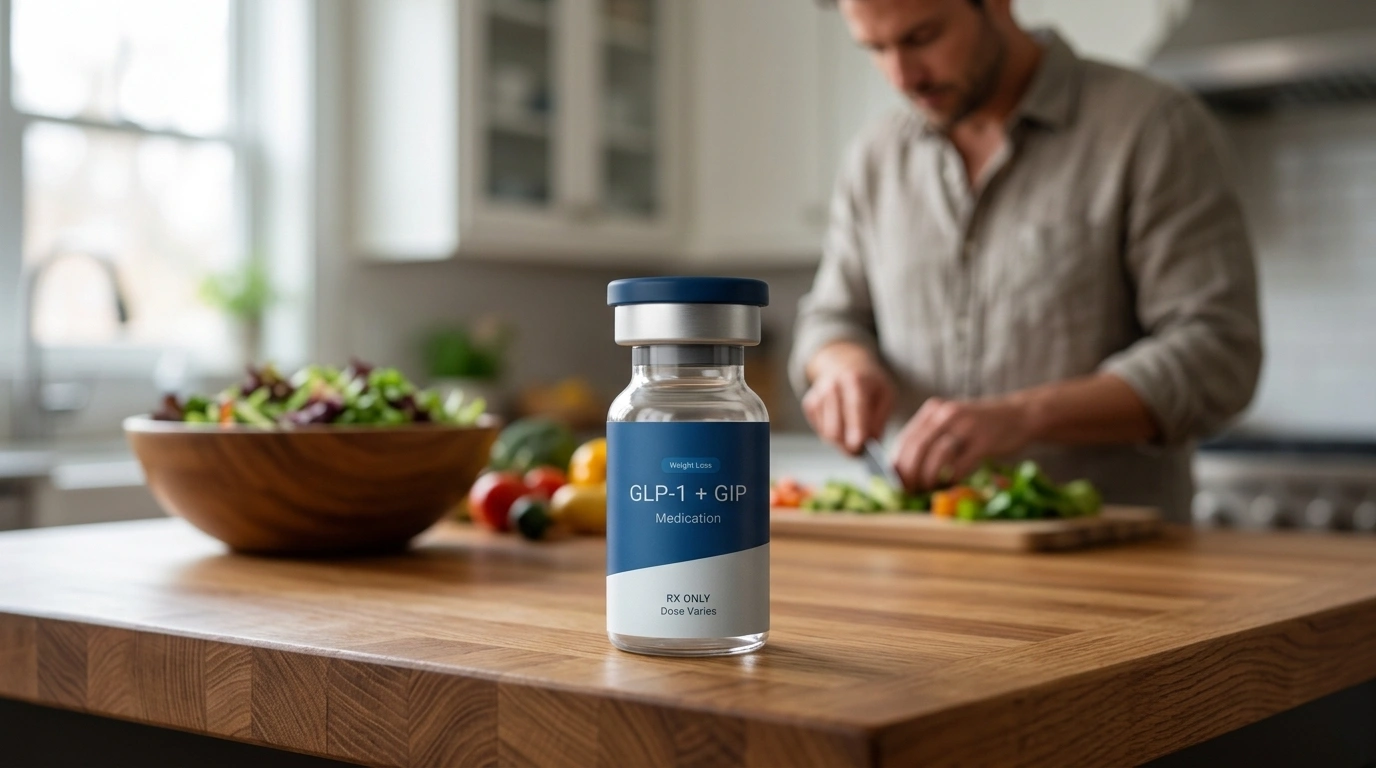
Table of Contents
- Introduction
- The Relationship Between Protein and Tirzepatide
- Why Protein Matters More During Medical Weight Loss
- Calculating Your Individual Protein Needs
- Practical Strategies for Meeting Protein Targets
- Managing Side Effects with Protein Intake
- The Importance of Resistance Training
- How Our Personalized Program Supports Your Goals
- Common Pitfalls to Avoid
- Understanding Compounded Tirzepatide
- Long-term Success and Metabolic Health
- FAQ
Introduction
Starting a journey with Mounjaro® (tirzepatide) often brings a sense of relief and hope. For many, it is the first time the “food noise” has finally quieted, allowing for a new focus on health. However, as the pounds begin to drop, a common concern arises: how do you ensure the weight you are losing is fat and not vital muscle? This is where the question of protein intake becomes central to your success. At TrimRx, we believe that medication is most effective when paired with a nutritional strategy that protects your metabolic health. Understanding exactly how much protein you need is the key to maintaining strength, energy, and long-term results. If you want to see whether a personalized program is a fit for you, take the free assessment quiz. This guide will explain why protein is your most important ally while using tirzepatide and how to calculate the right amount for your specific body.
The Relationship Between Protein and Tirzepatide
Mounjaro is a dual-action medication known as a GLP-1 (glucagon-like peptide-1) and GIP (glucose-dependent insulinotropic polypeptide) receptor agonist. These hormones work together to slow digestion, increase feelings of fullness, and improve how your body processes sugar. Because your appetite is significantly reduced, you are naturally eating fewer calories. While a calorie deficit is necessary for weight loss, it also puts you at risk for muscle loss.
When the body is in a significant calorie deficit, it looks for energy wherever it can find it. If you are not consuming enough protein, your body may begin to break down muscle tissue to access the amino acids it needs for essential functions. This can lead to a lower metabolic rate, making it harder to maintain weight loss in the future.
For a broader look at the science behind protein and weight loss, read how protein supports weight loss and muscle preservation.
Quick Answer: Most individuals on Mounjaro should aim for 0.8 to 1.5 grams of protein per kilogram of body weight daily. For a person weighing 200 pounds (91 kg), this equates to approximately 73 to 136 grams of protein per day, ideally spread across several meals.
Why Protein Matters More During Medical Weight Loss
Protein is often called the “building block” of the body, but its role during medical weight loss is even more dynamic. It serves several critical functions that help you navigate the changes your body undergoes while on a medication like tirzepatide.
Preserving Lean Muscle Mass
Muscle is metabolically active tissue. The more muscle you have, the more calories your body burns at rest. Rapid weight loss, which is common with tirzepatide, can lead to a condition called sarcopenia, or muscle wasting. By hitting high protein targets, you provide the “raw materials” necessary to keep your muscles intact while your body burns stored fat for fuel.
Enhancing Satiety and Fullness
While tirzepatide does a lot of the heavy lifting regarding appetite suppression, protein provides additional support. Protein is the most satiating macronutrient, meaning it keeps you feeling full longer than carbohydrates or fats. This can be especially helpful on the days just before your next dose when the medication’s effects might start to wane slightly.
If you are comparing different protein options, our take on the best protein for weight loss can help narrow down the choice.
Supporting the Thermic Effect of Food
The body uses more energy to digest protein than it does to digest fats or carbohydrates. This is known as the Thermic Effect of Food (TEF). By prioritizing protein, you are subtly increasing your daily energy expenditure, which supports your overall weight loss goals.
Calculating Your Individual Protein Needs
There is no “one size fits all” number for protein, as your needs depend on your starting weight, activity level, and age. However, clinical guidelines provide a clear framework for those undergoing GLP-1 or GIP therapy.
The Baseline Calculation
For a sedentary adult, the standard Recommended Dietary Allowance (RDA) is 0.8 grams of protein per kilogram of body weight. However, most experts agree that this is a “minimum to prevent deficiency” rather than an “optimal for health” amount. When you are actively losing weight, your needs increase.
The Weight Loss Adjustment
For an individual with a BMI over 30 who is utilizing a personalized program, a higher target of 1.2 to 1.5 grams per kilogram of goal body weight is often recommended.
To find your target:
- Convert your weight to kilograms (divide pounds by 2.2).
- Multiply that number by 1.2 (for a moderate goal) or 1.5 (if you are physically active or doing resistance training).
Key Takeaway: Aiming for at least 25–30 grams of protein at each meal is a practical way to ensure your body has a steady supply of amino acids throughout the day to support muscle protein synthesis.
Practical Strategies for Meeting Protein Targets
Meeting a high protein goal can be challenging when your appetite is low. Many people find that they feel full after just a few bites of food. This requires a shift in how you structure your meals.
Eat Your Protein First
This is the “golden rule” of eating while on Mounjaro. Because your stomach capacity is reduced due to slowed gastric emptying, you should always consume your protein source before moving on to vegetables or starches. If you fill up on salad first, you may not have room for the chicken or tofu your muscles need.
Prioritize High-Quality Sources
Not all protein is created equal. Focus on “complete” proteins that contain all essential amino acids.
- Animal-based: Chicken breast, turkey, lean beef, eggs, Greek yogurt, cottage cheese, and white fish.
- Plant-based: Tofu, tempeh, edamame, lentils, and chickpeas (note that plant sources often come with more carbohydrates, which may fill you up faster).
Utilize Liquid Nutrition
On days when the thought of a heavy meal is unappealing, liquid protein can be a lifesaver. High-quality whey or plant-based protein shakes can provide 20–30 grams of protein without the volume of a full meal. We often suggest these as a convenient way to bridge the gap between meals.
If you want more practical ideas for raising your daily intake, here is how to increase protein for weight loss.
Managing Side Effects with Protein Intake
Nausea is one of the most commonly reported side effects of tirzepatide. Interestingly, what you eat—and how much protein you consume—can influence how you feel.
Low Blood Sugar and Fatigue: Some users experience fatigue, which can be linked to inadequate calorie or protein intake. Ensuring you have a steady stream of amino acids can help stabilize energy levels.
Managing Nausea: While it sounds counterintuitive to eat when you are nauseated, having a small, high-protein snack can actually settle the stomach for some people. Bland options like a hard-boiled egg or a few ounces of cold turkey are often tolerated better than greasy or high-sugar foods.
The Role of Hydration: High protein intake requires adequate water to help the kidneys process nitrogen byproducts. Always pair your protein-rich diet with plenty of water and electrolytes to avoid dehydration, which can mimic or worsen medication side effects.
If your appetite is making full meals difficult, our overview of the best foods for weight loss may give you more easy-to-eat ideas.
The Importance of Resistance Training
Protein alone is only half of the equation. To truly protect your muscle mass, you must give your body a reason to keep it. Resistance training—whether that is lifting weights, using resistance bands, or doing bodyweight exercises like squats and push-ups—signals to your body that muscle tissue is “essential.”
When you combine a high-protein diet with regular strength training while on a program at us, you are optimizing your body composition. The goal is not just to be a smaller version of yourself, but a stronger, healthier version.
For a deeper look at this connection, see how lifting weights supports fat loss.
Bottom line: Protein is the dietary foundation of a successful weight loss journey on Mounjaro; without it, you risk losing the metabolic machinery (muscle) that keeps weight off long-term.
How Our Personalized Program Supports Your Goals
Navigating nutrition while on powerful medications can feel overwhelming. At TrimRx, we do not just provide access to a platform for prescriptions; we offer a holistic approach to metabolic health. Our process is designed to be simple and supportive, ensuring you have the tools you need from day one.
The Power of Personalization
Every body is different. A person starting their journey at 300 pounds has very different nutritional requirements than someone at 180 pounds. Our platform connects you with licensed providers who understand these nuances. Through our free assessment quiz, we gather the necessary health data to help determine the best path forward for you.
Specialized Support
We offer more than just a connection to medication. We provide access to a dedicated team of specialists and supplemental support designed to fill the gaps in your nutrition. If you are looking for quick-access nutritional support during treatment, GLP-1 Daily Support supplement can be a helpful addition to your routine.
Step 1: Take the free assessment quiz to share your health history and goals. Step 2: Connect with a licensed provider to discuss your options. Step 3: Receive your personalized plan and next steps if appropriate. Step 4: Benefit from ongoing support as you adjust your diet, including protein intake and lifestyle habits.
Common Pitfalls to Avoid
Even with the best intentions, it is easy to make mistakes when trying to hit protein goals.
- The “Protein Only” Trap: While protein is vital, your body also needs fiber from vegetables and healthy fats for hormone production and vitamin absorption. Don’t exclude these entirely.
- Waiting Until Dinner: Trying to eat 100 grams of protein in one meal while on Mounjaro is nearly impossible due to the delayed stomach emptying. You must spread it out.
- Ignoring Bioavailability: Some “protein-fortified” snacks are loaded with sugar and poor-quality protein sources. Stick to whole foods or high-quality supplements whenever possible.
Myth: You can’t eat too much protein on Mounjaro. Fact: While rare, excessive protein without enough water or fiber can lead to constipation, which is already a potential side effect of the medication. Balance is key.
Understanding Compounded Tirzepatide
While Mounjaro is a well-known brand name, many individuals choose to access the same active ingredient through compounded versions. Compounded Tirzepatide is prepared by specialized pharmacies to meet individual needs. It is important to note that while these medications are prepared in FDA-registered and inspected facilities, the compounded versions themselves are not FDA-approved in the same way branded medications are.
We provide a bridge to these options, ensuring that patients have access to the treatments they need without the traditional hurdles of in-person waiting rooms. Regardless of whether you are using a branded medication like Mounjaro or a compounded alternative, the nutritional requirements—especially the need for protein—remain exactly the same.
If you want to understand the bigger picture of GLP-1 therapy, what GLP-1 support means for weight loss is a useful next read.
Long-term Success and Metabolic Health
The ultimate goal of using GLP-1 and GIP medications is to reach a healthier weight and stay there. This “maintenance” phase is where your muscle mass becomes your greatest asset. People who lose a significant amount of muscle during their weight loss phase often experience a “rebound” effect because their metabolism has slowed down.
By focusing on protein now, you are investing in your future self. You are ensuring that once you reach your goal weight, your body is a calorie-burning machine that can support your new lifestyle. At TrimRx, we are committed to helping you build that foundation through science, empathy, and personalized care.
If you need an extra boost alongside your nutrition routine, Weight Loss Boost supplement is designed for that kind of daily support.
FAQ
Can I just use protein shakes instead of eating meals on Mounjaro?
While protein shakes are a helpful tool for meeting your goals when your appetite is low, they should not be your only source of nutrition. Whole foods provide essential micronutrients, healthy fats, and fiber that shakes often lack. It is best to use shakes as a supplement to at least one or two small, nutrient-dense meals per day.
What happens if I don’t eat enough protein while taking tirzepatide?
If your protein intake is too low, your body will likely break down its own muscle tissue for energy, leading to “muscle wasting.” This can cause hair thinning, brittle nails, extreme fatigue, and a significantly slower metabolism. It may also lead to a “sagging” appearance in the skin, often referred to as “Ozempic face” or “body,” which is largely due to the loss of underlying muscle support.
Is it hard to digest protein while on Mounjaro?
Because Mounjaro slows down your digestion, heavy proteins like a large steak may sit in your stomach longer, potentially causing discomfort or indigestion. To avoid this, focus on leaner, easier-to-digest proteins like fish, eggs, or ground turkey, and ensure you chew your food thoroughly. Small, frequent portions are much easier on the digestive system than one large protein-heavy meal.
How do I know if I am eating enough protein?
The best way to be sure is to track your intake for a few days using a food diary or app. If you find you are consistently falling below 60–70 grams, you may need to look for ways to sneak extra protein into your day, such as adding collagen to your coffee or choosing high-protein snacks like Greek yogurt. Monitoring your strength levels during exercise can also be a good indicator of whether your muscles are being properly fueled. If you are ready to get personalized guidance, complete the free assessment quiz.
Disclaimer: This content is for informational purposes only and does not constitute medical advice. It is not intended to diagnose, treat, cure, or prevent any disease or condition. Individual results may vary. Always consult a qualified healthcare professional before starting any weight loss program or medication.

Transforming Lives, One Step at a Time
Keep reading

Mounjaro Alternatives: What Else to Consider
If Mounjaro isn’t the right fit, the closest alternatives are other GLP-1 medications, chiefly semaglutide (Ozempic for diabetes, Wegovy for weight), along with a…

Mounjaro vs Zepbound: Same Drug, Two Brands
Like their semaglutide counterparts, Mounjaro and Zepbound are the same medication (tirzepatide) sold under two names for two purposes: Mounjaro is approved for type…

Retatrutide vs Mounjaro: Triple Agonist vs Dual Agonist
The core difference between retatrutide and Mounjaro comes down to how many hormone targets each hits: retatrutide activates three receptors, while Mounjaro (tirzepatide) activates…


