How Much Protein Should You Eat on Mounjaro?
Introduction
Finding that the “food noise” has finally gone quiet is a powerful moment for anyone starting Mounjaro® (tirzepatide). As the constant cravings fade, a new challenge often takes their place: how to nourish your body when your appetite has significantly decreased. When you eat less, the quality of every bite becomes much more important to your long-term success. At TrimRx, we believe that medical weight loss is most effective when it protects your metabolic health and preserves your strength. Protein is the single most critical nutrient in this process. It acts as a protective shield for your muscle mass while your body burns fat for fuel. This post covers exactly how to calculate your protein needs, why muscle preservation is vital for your metabolism, and practical ways to meet your goals even when you feel full quickly. Understanding your nutritional requirements is the first step toward a sustainable lifestyle change. If you are considering prescription support, you can complete a free eligibility assessment.
Quick Answer: Most individuals using Mounjaro should aim for 0.8 to 1.5 grams of protein per kilogram of body weight daily. For a person weighing 200 pounds (91 kg), this targets roughly 73 to 136 grams of protein per day, ideally divided across three to four small meals.
The Science of Protein and Tirzepatide
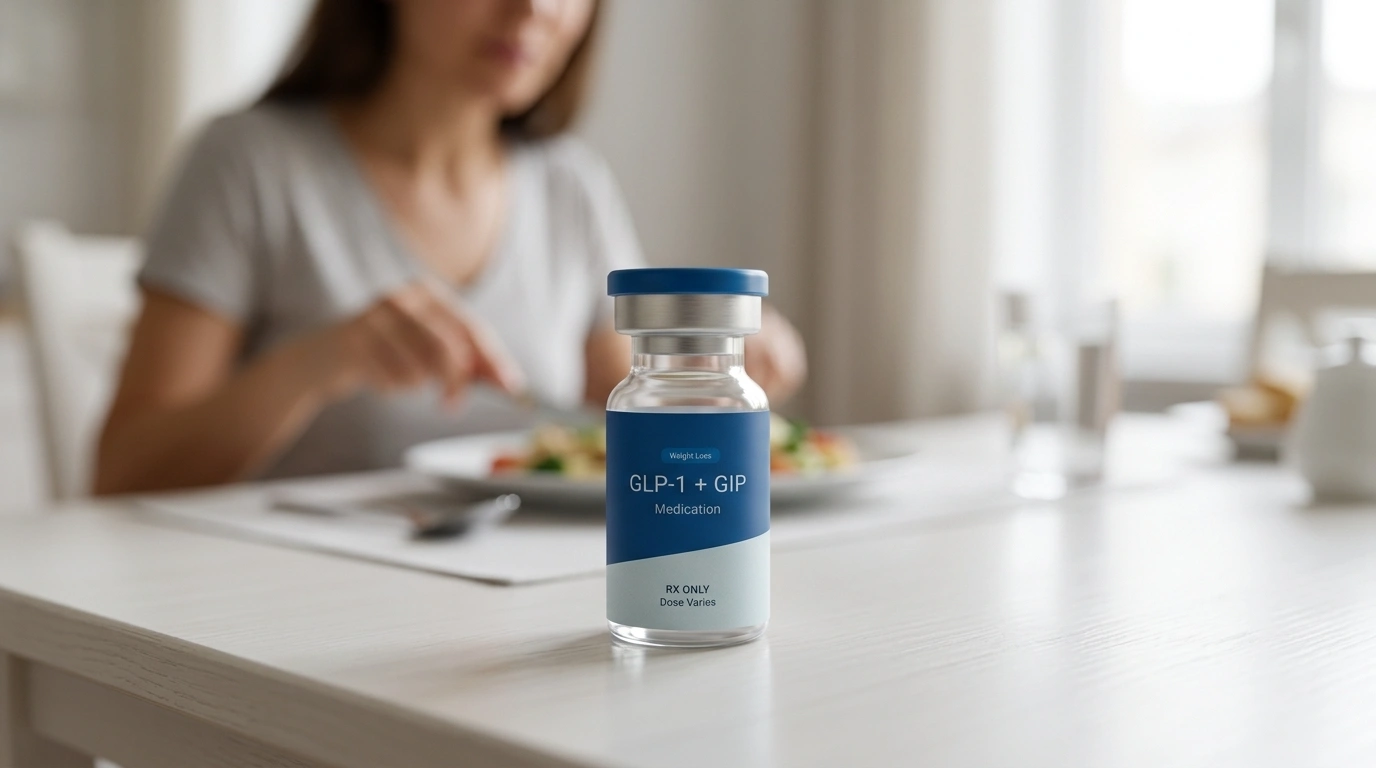
To understand why protein is so vital, it helps to look at how Mounjaro® works. This medication is a dual-action receptor agonist. It mimics two natural hormones: glucagon-like peptide-1 (GLP-1) and glucose-dependent insulinotropic polypeptide (GIP). Together, these hormones slow down your digestion and signal to your brain that you are full.
Because the medication slows gastric emptying—the rate at which food leaves your stomach—you naturally consume fewer calories. However, a significant calorie deficit can be a double-edged sword. If your body does not get enough protein from your diet, it may begin to break down its own muscle tissue to get the amino acids it needs for basic functions. Research suggests that without adequate protein, a significant portion of the weight lost on tirzepatide can come from lean muscle mass rather than just fat. For additional context, read this guide to eating enough protein on tirzepatide.
Protecting Your Metabolic Rate
Your metabolism is largely driven by your muscle mass. Muscle is metabolically active tissue, meaning it burns more energy at rest than fat does. If you lose muscle while losing weight, your metabolic rate can drop. This makes it harder to maintain your results once you reach your goal. Consuming enough protein provides the “building blocks” necessary to tell your body to keep its muscle while letting go of stored fat. TrimRx also explains this connection in its overview of muscle and metabolic health during GLP-1 weight loss.
Improving Satiety
While the medication handles a large part of appetite suppression, protein provides additional support. It is the most satiating macronutrient. This means it helps you feel satisfied for a longer period. Including protein in your meals can help prevent energy crashes and keep your hunger stable, particularly during the days leading up to your next scheduled dose.
Calculating Your Individual Protein Needs
There is no universal number that fits everyone. Your specific protein requirement depends on your current weight, your activity level, and your overall health goals. However, clinical standards provide a reliable range for those utilizing a personalized weight loss program.
The Standard Baseline
The Recommended Dietary Allowance (RDA) for a sedentary adult is 0.8 grams of protein per kilogram of body weight. It is important to note that the RDA is the minimum amount needed to prevent deficiency, not necessarily the optimal amount for someone actively losing weight.
The Weight Loss Target
For an individual with a BMI over 30 who is losing weight rapidly, experts often suggest a higher range of 1.2 to 1.5 grams per kilogram of body weight. If you are also engaging in regular resistance training, you may even aim for the higher end of that range.
How to calculate your goal:
- Find your weight in kilograms: Divide your weight in pounds by 2.2. (Example: 180 lbs ÷ 2.2 = 81.8 kg).
- Multiply by your target: Multiply your weight in kg by 1.2 or 1.5. (Example: 81.8 kg x 1.2 = 98 grams of protein per day).
Key Takeaway: Spreading your protein intake evenly throughout the day is more effective than eating it all at once. Aim for 25–30 grams of protein at each main meal to support consistent muscle protein synthesis.
Best Protein Sources for Medical Weight Loss
When your appetite is limited, you must prioritize high-quality, nutrient-dense protein. These sources provide the most “bang for your buck” in terms of amino acids per calorie.
Lean Animal Proteins
Animal-based proteins are “complete,” meaning they contain all the essential amino acids your body cannot make on its own.
- Skinless Poultry: Chicken and turkey breast are very high in protein and low in fat.
- Fish and Seafood: Salmon, cod, and shrimp provide excellent protein. Oily fish like salmon also offer omega-3 fatty acids for heart health.
- Eggs: A versatile and easily digestible source. Egg whites are particularly high in protein if you want to keep calories lower.
- Low-Fat Dairy: Greek yogurt, cottage cheese, and skyr are excellent. Greek yogurt often contains twice the protein of regular yogurt.
Plant-Based Proteins
If you prefer a plant-forward approach, you can still hit your targets with careful planning.
- Soy Products: Tofu, tempeh, and edamame are high-quality plant proteins.
- Legumes: Lentils, chickpeas, and black beans provide both protein and fiber, though they are more filling due to their carbohydrate content.
- Quinoa: One of the few plant sources that is a complete protein.
- Nuts and Seeds: Chia seeds, flaxseeds, and almonds are great for boosting protein, but they are also calorie-dense due to their healthy fat content.
| Protein Source | Typical Portion | Approximate Protein (Grams) |
|---|---|---|
| Chicken Breast | 4 oz (cooked) | 31g |
| Greek Yogurt | 6 oz | 15–18g |
| Salmon | 4 oz (cooked) | 25g |
| Tofu | 4 oz | 11g |
| Large Egg | 1 egg | 6g |
| Cottage Cheese | 1/2 cup | 12–14g |
Practical Strategies for Meeting Protein Targets
One of the most common frustrations for patients is feeling full before they can finish a high-protein meal. This is a direct result of how tirzepatide works. To overcome this, you may need to change how you approach your plate.
The Protein-First Rule
Always eat the protein portion of your meal first. If you fill up on salad, bread, or side dishes, you may run out of room for the chicken, fish, or tofu that your muscles need. By prioritizing the protein, you ensure your body gets its most important nutrients before you hit that “full” feeling.
Liquid Nutrition as a Tool
On days when your appetite is at its lowest—often the day or two after your injection—solid food might feel unappealing. This is where high-quality protein shakes can be helpful. A liquid supplement can provide 20 to 30 grams of protein without the volume or heaviness of a full meal. We often suggest these as a way to “bridge the gap” when your hunger is suppressed.
The Power of “Snackification”
If three large meals feel impossible, try five or six small, protein-rich snacks throughout the day. This “snackification” approach keeps your energy levels stable and prevents you from feeling uncomfortably full. A hard-boiled egg here, a Greek yogurt there, and a few slices of turkey later can add up to a significant daily total.
Managing Side Effects Through Nutrition
Nausea and indigestion are common side effects when starting GLP-1 or GIP medications. Your choice of protein can play a major role in how well you tolerate the treatment. For more guidance, review this tirzepatide side-effect management guide.
Choosing Easy-to-Digest Proteins
Very rich, fatty, or fried meats can worsen nausea and reflux because they stay in the stomach even longer than lean proteins. If you are feeling nauseated, stick to bland, simple options:
- Grilled or boiled chicken
- White fish
- Low-fat cottage cheese
- Tofu
Hydration and Protein Processing
When you increase your protein intake, your body needs more water to help your kidneys process the byproducts of protein metabolism. Dehydration can actually mimic some of the side effects of the medication, such as fatigue and headaches. Always pair your protein-rich diet with plenty of water. If you find it difficult to maintain your nutrient intake during treatment, our Weight Loss Boost supplement is designed to support the body’s natural pathways during a weight loss journey.
The Importance of Resistance Training
Protein provides the materials, but your muscles also need a “signal” to stay strong. Resistance training—any exercise that makes your muscles work against a weight or force—is that signal. When you combine high protein intake with strength training, you send a clear message to your body: “I am using this muscle, do not break it down for energy.” This article on preserving muscle during GLP-1 weight loss explores the same protein-and-training strategy in more detail.
You do not need to be a professional athlete to see benefits. Simple activities like using resistance bands, doing bodyweight squats, or lifting light weights at home can make a significant difference. Maintaining your muscle mass is an investment in your future metabolic health.
Personalizing Your Approach with TrimRx
Every person’s weight loss journey is unique. A target that works for one person may be too high or too low for another, depending on their medical history and health profile. At TrimRx, we focus on providing a telehealth-first experience that merges clinical expertise with personalized care.
Our platform connects you with licensed healthcare providers who can help determine the right medication and nutritional strategy for your needs. We believe that medical supervision shouldn’t be a hurdle, but a support system. When you join our program, we provide a transparent, all-inclusive model that includes your doctor consultations and unlimited support from a team of specialists.
If you are ready to see which path is right for you, we encourage you to take the free assessment quiz. This helps our partner providers understand your history and goals to create a program tailored to you. Whether you are prescribed Compounded Tirzepatide or another GLP-1 medication, we are here to guide you through the process of nourishing your body correctly.
Note: While medications like Mounjaro® and Zepbound® are FDA-approved branded products, Compounded Tirzepatide is a custom-prepared alternative from FDA-registered, inspected compounding pharmacies. Compounded medications are not FDA-approved, but they offer a way for patients to access necessary active ingredients under the care of a licensed provider.
Common Pitfalls to Avoid
Even with a clear goal, it is easy to run into obstacles. Here are a few things to watch out for:
- The “Zero Carb” Trap: While protein is the priority, do not ignore fiber. Fiber from vegetables and whole grains is essential for gut health, especially since medications can sometimes cause constipation.
- Ignoring Hidden Sugars: Some protein bars and shakes are marketed as healthy but are loaded with sugar or artificial sweeteners that might upset your stomach. Always check the labels for a clean ingredient list.
- Skipping Meals Entirely: If you go too long without eating because you aren’t hungry, your energy can crash, and you may feel weak. Even a few bites of protein every few hours can help.
- Neglecting Quality: Processed meats like bacon or pepperoni are high in sodium and saturated fats. While they contain protein, they can increase inflammation and worsen the digestive side effects of your medication.
Long-Term Metabolic Success
The ultimate goal of using medications like tirzepatide is to reach a healthier weight and build the habits necessary to stay there. Your muscle mass is your most valuable asset in this long-term plan. People who focus on protein and strength during their weight loss phase typically have an easier time maintaining their results because they haven’t “crashed” their metabolism.
By being intentional about your protein intake today, you are protecting your health for years to come. You are ensuring that the new, smaller version of yourself is also a stronger, more energized version. We are dedicated to supporting this transition with science-backed guidance and a program that fits into your daily life. For those looking for everyday nutrient support, we offer our GLP-1 Daily Support supplement to help you stay on track with your goals.
Bottom line: Protein is not just another “diet rule”—it is a biological necessity that protects your metabolism, energy, and strength throughout your weight loss journey.
FAQ
What happens if I don’t eat enough protein on Mounjaro?
If your protein intake is too low while you are in a calorie deficit, your body may break down its own muscle tissue for energy. This can lead to a slower metabolism, feelings of extreme weakness, and a loss of muscle tone. In some cases, it can also contribute to hair thinning or brittle nails, as these are non-essential tissues that the body stops prioritizing when nutrients are scarce.
Can I get all my protein from shakes?
While protein shakes are an excellent tool for hitting your targets when your appetite is low, they should not be your only source of nutrition. Whole foods contain essential vitamins, minerals, and fiber that shakes often lack. It is usually best to use shakes as a convenient supplement to at least one or two small meals consisting of solid protein and vegetables.
Why do I feel more nauseated after eating fatty protein?
Mounjaro slows down your digestion, and fat takes the longest to break down. When you eat high-fat or greasy proteins, they stay in your stomach for an extended period, which can trigger or worsen nausea and acid reflux. To minimize this, we recommend sticking to lean sources like grilled chicken, turkey, or white fish, which move through the digestive tract more comfortably.
How do I know if I’m losing muscle instead of fat?
Significant fatigue, a noticeable drop in your physical strength, or feeling “soft” even as the scale goes down can be signs of muscle loss. A more accurate way to monitor this is through body composition scales or regular resistance training. If you find you can no longer lift weights or perform exercises that were previously manageable, it is a strong signal that you need to increase your protein intake and consult with your provider. If you are considering medication-supported weight loss, you can start with a free assessment.
Disclaimer: This content is for informational purposes only and does not constitute medical advice. It is not intended to diagnose, treat, cure, or prevent any disease or condition. Individual results may vary. Always consult a qualified healthcare professional before starting any weight loss program or medication.

Transforming Lives, One Step at a Time
Keep reading
Can You Eat Clam Chowder on Zepbound?
Clam chowder is a seaside classic, often served in a bread bowl on a chilly day. New England chowder is thick, creamy, and rich…
Can You Eat Korean BBQ on Zepbound?
Korean barbecue is a social, hands-on meal: platters of marinated meats grilled at the table, surrounded by small side dishes called banchan, with lettuce…
Can You Eat Brownies on Zepbound?
Brownies are a classic homemade treat, a bake sale staple, and a common office snack. They are also dense, rich, and very sweet, made…


