How Much Water Should I Drink While Taking Mounjaro?
Introduction
Starting a weight loss journey can feel like a full-time job. You are managing your doses, planning balanced meals, and monitoring how your body responds to new medication. However, one of the most common questions people ask when they begin a program with us is often the most overlooked: how much water should I drink while taking Mounjaro? It is a simple question, but the answer is vital for your comfort and success. At TrimRx, we believe that personalized support means giving you the small, practical tools—like a hydration strategy—that make a massive difference in how you feel every day. If you are wondering whether a prescription program is the right fit, you can take the free assessment quiz. This post covers why your fluid needs change on medication, the specific amount of water to aim for, and how to manage side effects through better hydration. Staying hydrated is not just a healthy habit; it is a critical component of your metabolic health.
Why Hydration Changes on Mounjaro
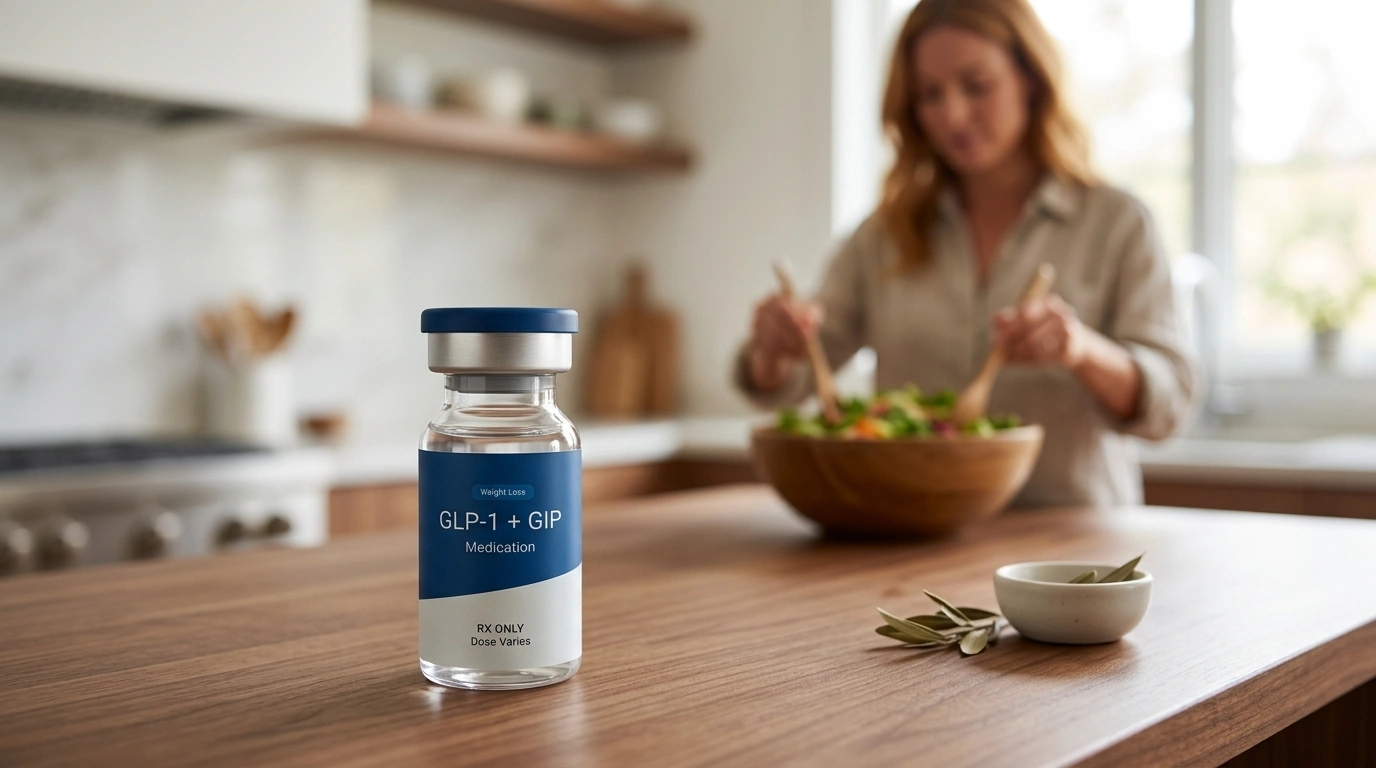
When you start taking Mounjaro® (tirzepatide), your body undergoes significant metabolic shifts. Tirzepatide is a dual-acting medication known as a GIP (glucose-dependent insulinotropic polypeptide) and GLP-1 (glucagon-like peptide-1) receptor agonist. In plain English, this means it mimics two natural hormones that tell your brain you are full and tell your stomach to slow down.
This “slow down” is called delayed gastric emptying. Because food and liquids stay in your stomach longer, your natural thirst signals can become muffled. You may simply forget to drink because you do not feel the typical “dry” sensation in your throat. For a broader look at fluid balance during treatment, this hydration on tirzepatide guide is a useful companion read. Furthermore, as your body begins to burn fat more efficiently, it creates metabolic byproducts that your kidneys must filter out. Water is the primary vehicle for this filtration process.
Quick Answer: Most adults taking Mounjaro should aim for 2 to 3 liters (roughly 68 to 100 ounces) of water daily. This helps manage side effects like nausea and constipation while supporting the kidneys as they process metabolic waste during weight loss.
The Magic Number: How Much Water Is Enough?
While the general “eight glasses a day” rule is a popular starting point, those on a weight loss program often need more. Your specific needs depend on several factors, including your starting weight, activity level, and the climate where you live.
The 2 to 3 Liter Baseline
For most people on our programs, we recommend aiming for a baseline of 2 to 3 liters of fluid per day. If you are a person who is very active or if you live in a warmer climate like Arizona or Florida, you may need to lean toward the higher end of that range.
It is important to remember that this “fluid” intake does not have to be 100% plain water. While water is the gold standard, other hydrating options include:
- Herbal teas (decaffeinated)
- Water infused with cucumber or lemon
- Clear broths
- High-water-content vegetables like celery or bell peppers
Adjusting for Your Body
A helpful way to personalize your intake is to look at your activity. If you are engaging in 30 minutes of moderate exercise, you should add at least 12 to 16 ounces of water to your daily total. This replaces the fluids lost through sweat and increased respiration.
Key Takeaway: Hydration is not a “one size fits all” number. Start with 2 liters and adjust upward if you feel fatigued, experience headaches, or notice your urine is dark yellow.
Managing Side Effects with Hydration
Many of the common side effects associated with Mounjaro® and other GLP-1 medications, like Wegovy® or Ozempic®, are actually exacerbated by dehydration. By staying ahead of your water intake, you can significantly improve your daily comfort.
Nausea and “The Sips Rule”
Nausea is one of the most frequently reported side effects. When you feel nauseated, the last thing you want to do is chug a large glass of water. However, a dehydrated stomach is often more sensitive.
The Sips Rule: Instead of drinking 8 ounces at once, take small, frequent sips throughout the day. This keeps the stomach lining hydrated without creating a “sloshing” sensation that can trigger more nausea.
Preventing Constipation
Because Mounjaro slows down the movement of food through your digestive tract, constipation can occur. Water acts as a lubricant for your intestines. When you increase your fiber intake—which we often recommend for weight loss—that fiber needs water to move through your system. Without enough fluid, fiber can actually make constipation worse. If you want a deeper look at this mechanism, GLP-1 medications and bowel changes is a helpful read.
Combating “Cotton Mouth”
Many users report a dry, sticky feeling in the mouth, often called “cotton mouth” or xerostomia. This is partly due to the medication’s effect on salivary glands and partly due to decreased fluid intake. Keeping a reusable bottle with you ensures you can frequently wet your mouth, which also protects your dental health.
The Importance of Electrolytes
Hydration is not just about water; it is about balance. When you eat less food—which is exactly what Mounjaro helps you do—you are also taking in fewer minerals. These minerals, known as electrolytes, include sodium, potassium, and magnesium.
Why Water Alone Isn’t Always Enough
If you drink massive amounts of plain water without replenishing your minerals, you can actually dilute your body’s electrolyte balance. This can lead to:
- Muscle cramps
- Dizziness when standing up (orthostatic hypotension)
- Brain fog
- Heart palpitations
We often suggest incorporating an electrolyte supplement or “smart water” once a day, especially during the first few weeks of your program when your body is adjusting most rapidly. Our Weight Loss Boost supplement is designed to support the body’s natural pathways, but maintaining your mineral balance through diet is equally important.
Natural Electrolyte Sources:
- Coconut Water: A great natural source of potassium (watch the sugar content).
- Bone Broth: Excellent for sodium and collagen support.
- Avocados: Packed with potassium and healthy fats.
- Sea Salt: Adding a tiny pinch of high-quality sea salt to your water can help with sodium retention if you are feeling dizzy.
How to Build a Hydration Routine
Knowing you need to drink water is one thing; actually doing it is another. Since Mounjaro can suppress your natural thirst, you need a system to ensure you hit your goals. If you are still figuring out whether prescription support is the right fit, you can see if you qualify with the free assessment quiz.
Step 1: Start the Day Early
Drink 16 ounces of water as soon as you wake up. Your body has been fasting and dehydrating for 7 to 9 hours. This “wakes up” your kidneys and digestive system before you even have your first cup of coffee.
Step 2: The “Anchor” Method
Link your water intake to specific daily habits. For example, drink a glass of water every time you take your supplements, every time you check your email, or before every meal. These “anchors” ensure you aren’t trying to drink a gallon of water at 9:00 PM to catch up.
Step 3: Track Your Progress
Whether you use a dedicated app or a simple tally on a piece of paper, tracking matters. Many people find that “time-marked” water bottles help them stay on pace throughout the day.
Step 4: Temperature Matters
If you are struggling with nausea, room-temperature water is often easier on the stomach than ice-cold water. Conversely, if you feel overheated or lethargic, ice-cold water can provide a quick sensory “reset.”
Signs You Are Not Drinking Enough
Because your thirst signals might be lower while on medication, you need to look for other physical “red flags” that indicate you are running low on fluids.
- Urine Color: This is the most reliable internal gauge. Your urine should be pale yellow, like lemonade. If it looks like apple juice or is dark amber, you are dehydrated.
- Headaches: The brain is very sensitive to fluid loss. A dull ache in the temples is often the first sign of dehydration.
- Skin Elasticity: If you pinch the skin on the back of your hand and it stays “tented” for a second before snapping back, your tissues need more moisture.
- Fatigue: Many people blame their medication for tiredness, but often it is simply low blood volume caused by lack of water.
Note: If you experience severe dizziness, fainting, or are unable to keep any fluids down due to vomiting, contact your healthcare provider immediately.
Myth vs. Fact: Hydration on Weight Loss Medication
Myth: If I drink too much water, I will gain “water weight” and slow my progress. Fact: The opposite is true. When your body is dehydrated, it actually holds onto water as a survival mechanism (edema). Drinking enough water tells your body it is safe to release excess fluids, which can actually help the scale move down.
Myth: Coffee and soda count toward my water goal. Fact: While they are liquids, caffeine is a mild diuretic, meaning it encourages your body to flush out water. For every cup of coffee you drink, try to add an extra glass of plain water to compensate.
Water and Your Kidneys: A Protective Measure
When you lose weight rapidly, your body breaks down fat cells. This process releases waste products that the kidneys must filter and excrete. Staying hydrated ensures that your kidneys have enough “flow” to do this job without becoming stressed.
There is also a specific concern with GLP-1 medications and kidney health. While these drugs are generally safe for the kidneys, the risk of dehydration from nausea or diarrhea can put temporary strain on these organs. By maintaining a steady intake of 2 to 3 liters of water, you are providing a protective buffer for your renal system.
The TrimRx Approach to Sustainable Weight Loss
At TrimRx, we know that medication is just one piece of the puzzle. Our personalized programs are designed to look at the whole person, not just a number on a scale. We provide access to compounded medications, like Compounded Semaglutide and Compounded Tirzepatide, which are prepared in FDA-registered, inspected compounding pharmacies. While these compounded versions are not FDA-approved, they offer a flexible way for your provider to tailor your treatment.
Our mission is to ensure you aren’t just losing weight, but gaining a healthier lifestyle. That includes mastering the basics of metabolic health, such as hydration, nutrition, and sleep. We provide a telehealth-first experience, meaning you can discuss your hydration needs or side effect concerns with a specialist without ever leaving your home. If you think prescription support may be right for you, complete the free assessment quiz to get a personalized starting point.
Bottom line: Water is the fuel for your metabolic engine. On Mounjaro, your engine is running differently, and it needs consistent hydration to stay cool, clean, and efficient.
Conclusion
Mastering your water intake is one of the simplest things you can do to ensure your experience with Mounjaro® is a positive one. By aiming for 2 to 3 liters daily, focusing on sips rather than gulps, and keeping an eye on your electrolyte balance, you can minimize side effects and support your body’s natural fat-burning processes.
Weight loss is a marathon, not a sprint, and your body needs the right resources to reach the finish line. We are here to provide the clinical expertise, the personalized medication plans, and the empathetic support you need to make this your last “first step” toward a healthier you.
- Aim for 2–3 liters of water daily.
- Add electrolytes if you feel dizzy or have muscle cramps.
- Use “The Sips Rule” to manage nausea.
- Track your urine color to ensure you are on target.
If you are ready to see how a personalized, medically supervised program can change your life, the best next step is to take our free assessment quiz. It helps our partner providers understand your unique health profile and determine the best course of action for your goals.
FAQ
Can I drink too much water while on Mounjaro?
While rare, drinking excessive amounts of water (well over 5-6 liters a day) can lead to a condition called hyponatremia, where your blood sodium levels become dangerously low. It is best to stay within the recommended 2 to 3-liter range unless otherwise directed by your healthcare provider.
Why does Mounjaro make me feel so thirsty?
Mounjaro® affects the hormones that regulate fluid balance and can cause “dry mouth” as a side effect. Additionally, as your body processes fat and your kidneys work harder to filter waste, your biological demand for water increases, which your brain interprets as thirst.
Do I need to drink electrolytes every day?
Not necessarily, but they are very helpful if you are experiencing side effects like diarrhea or if you are eating very few calories. Most people benefit from one electrolyte-rich drink a day to ensure their mineral levels remain stable while their food intake is reduced.
Will drinking more water help me lose weight faster?
Water supports weight loss by boosting metabolism, helping the kidneys flush waste, and keeping you feeling full. While water itself doesn’t “burn” fat, being properly hydrated ensures that your body’s fat-burning mechanisms are functioning at their absolute peak performance.
Disclaimer: This content is for informational purposes only and does not constitute medical advice. It is not intended to diagnose, treat, cure, or prevent any disease or condition. Individual results may vary. Always consult a qualified healthcare professional before starting any weight loss program or medication.

Transforming Lives, One Step at a Time
Keep reading

Mounjaro Alternatives: What Else to Consider
If Mounjaro isn’t the right fit, the closest alternatives are other GLP-1 medications, chiefly semaglutide (Ozempic for diabetes, Wegovy for weight), along with a…

Mounjaro vs Zepbound: Same Drug, Two Brands
Like their semaglutide counterparts, Mounjaro and Zepbound are the same medication (tirzepatide) sold under two names for two purposes: Mounjaro is approved for type…

Retatrutide vs Mounjaro: Triple Agonist vs Dual Agonist
The core difference between retatrutide and Mounjaro comes down to how many hormone targets each hits: retatrutide activates three receptors, while Mounjaro (tirzepatide) activates…


