How Much Weight Should You Lose on Zepbound®?
Introduction
Stepping on the scale can feel like a high-stakes moment when you are investing your time and energy into a new health journey. Many people who begin treatment with GLP-1 medications find themselves wondering if their progress is “normal” or if they should be seeing faster results. At TrimRx, we understand that weight loss is a deeply personal experience, often shaped by years of trying different diets and programs without lasting success. This article provides a clear, evidence-based look at the clinical expectations for weight loss on Zepbound®, the factors that influence individual results, and how a personalized program can help you reach your goals. While everyone’s body responds differently to medication, clinical data offers a reliable roadmap for what you might expect during your first year of treatment.
If you are considering whether prescription weight loss treatment may be appropriate for you, you can complete a free eligibility assessment.
The Science of Tirzepatide
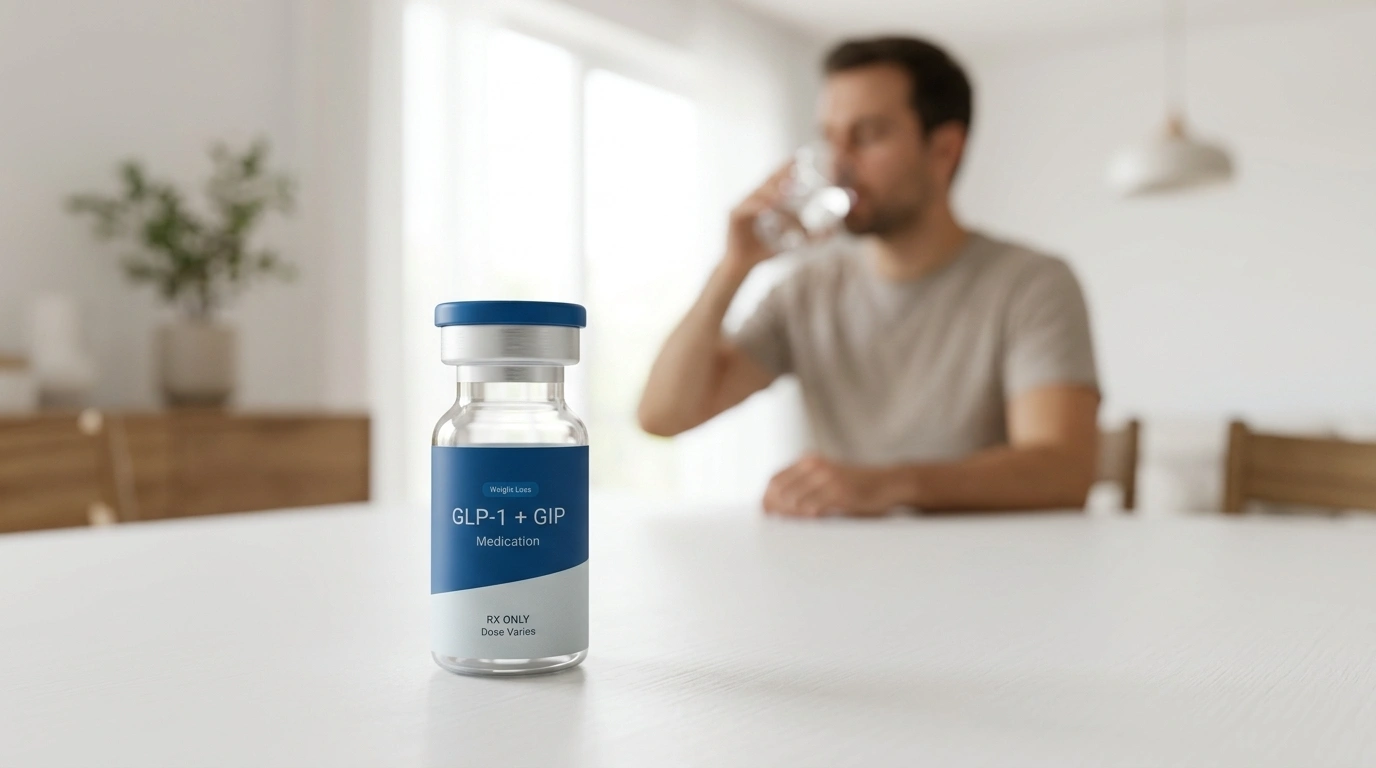
Before looking at the numbers, it is helpful to understand what is happening inside the body. Zepbound® contains the active ingredient tirzepatide. This medication is a dual glucose-dependent insulinotropic polypeptide (GIP) and glucagon-like peptide-1 (GLP-1) receptor agonist. In simpler terms, it mimics two different hormones naturally produced by your gut.
The GLP-1 component helps slow down how quickly food leaves your stomach, which makes you feel full for longer periods. It also sends signals to the brain to reduce appetite. The GIP component is thought to further support these effects by improving how the body breaks down sugar and fat. Together, these two pathways help address the biological hurdles that often make traditional weight loss feel like an uphill battle.
For a broader explanation of how these hormone pathways influence appetite and weight management, read this guide to how GLP-1 medications work.
Quick Answer: In clinical trials, participants using the highest dose of Zepbound® lost an average of 20% to 22.5% of their starting body weight over 72 weeks. For a person starting at 200 pounds, this represents a loss of roughly 40 to 45 pounds.
Clinical Trial Results: The SURMOUNT-1 Study
The most significant data regarding weight loss expectations comes from the SURMOUNT-1 clinical trial. This study followed over 2,500 adults with obesity or overweight and at least one weight-related condition. The participants were divided into groups receiving different weekly doses of tirzepatide or a placebo.
Results by Dosage
The amount of weight lost was directly related to the dosage prescribed. Clinical trials observed the following average weight loss percentages over a 72-week period:
| Dosage | Average Weight Loss Percentage | Average Pounds Lost (Based on 231 lb starting weight) |
|---|---|---|
| 5 mg | 15.0% | 35.5 lbs |
| 10 mg | 19.5% | 48.9 lbs |
| 15 mg | 20.9% | 52.0 lbs |
| Placebo | 3.1% | 5.3 lbs |
These results highlight a significant difference between the medication and lifestyle changes alone. It is important to note that participants in these trials also followed a reduced-calorie diet and increased their physical activity. This suggests that the medication works best as a support tool for a healthy lifestyle rather than a standalone solution.
What to Expect in the First Three Months
Weight loss on Zepbound® is rarely a straight line. Many people are eager to see a massive drop in the first week, but the body needs time to adjust to the medication. Most providers start patients on a low “loading dose,” typically 2.5 mg, to help the body acclimate and minimize gastrointestinal side effects.
For more perspective on expected GLP-1 weight loss patterns, review this overview of typical weight loss curves on GLP-1 medications.
The First Four Weeks
During the first month, the medication begins to reach a steady concentration in your blood. You may notice a decrease in “food noise”—the constant, intrusive thoughts about eating—almost immediately. Some people lose a few pounds in the first month as water weight and inflammation decrease, while others may not see the scale move significantly until their dose is increased to 5 mg.
The Three-Month Benchmark
Healthcare providers often look for a “5% benchmark” by the end of the third month. If an individual has lost at least 5% of their starting body weight after twelve weeks of treatment, it is a strong indicator that the medication is effective for their biology. For a 250-pound person, this would be a loss of 12.5 pounds. If this benchmark is not met, a provider may re-evaluate the dosage or the treatment plan.
Key Takeaway: While long-term results are impressive, clinical success is often defined by a 5% weight reduction within the first 90 days of treatment.
Factors That Influence Your Weight Loss
While clinical trials provide averages, your specific journey will be influenced by several biological and lifestyle factors. No two bodies process medication or burn energy in exactly the same way.
Starting Weight and Body Composition
Generally, individuals with a higher starting weight may see more significant poundage drop early on. However, the percentage of body weight lost remains a more accurate measure of progress than the raw number on the scale.
For additional guidance on setting appropriate targets, explore this resource on adjusting weight loss goals while using GLP-1 medications.
Metabolic Health
Research suggests that individuals with Type 2 diabetes may lose weight at a slightly slower pace than those without the condition. In the SURMOUNT-2 trial, which specifically looked at adults with Type 2 diabetes, the average weight loss on the highest dose was approximately 14.7% to 15.7% after 72 weeks. This is still a significant clinical improvement, but it shows how metabolic conditions can influence the rate of change.
Lifestyle and Nutrition
The medication is designed to make healthy choices easier, not to replace them. Those who prioritize high protein intake, stay hydrated, and engage in regular resistance training often see better results. Protein is especially vital because rapid weight loss can sometimes lead to muscle loss. Maintaining muscle mass helps keep your metabolism active.
Dose Titration
Your weight loss will often accelerate as you move through the titration schedule. The standard process involves staying on a specific dose for at least four weeks before moving to the next level. If you stay on a lower dose because you are responding well and have few side effects, your total weight loss over a year might be different than someone who moves quickly to the 15 mg dose.
If you are unsure whether your current treatment plan is appropriate, you can take the free assessment quiz for a provider review.
Managing the Weight Loss Plateau
Plateaus are a natural part of any weight loss journey. After several months of consistent loss, your body may enter a phase of “metabolic adaptation.” This is an evolutionary survival mechanism where the body becomes more efficient at using energy, effectively slowing down your metabolism to protect its fat stores.
For a deeper look at common causes and practical strategies, read how to restart weight loss after a plateau.
If you hit a plateau, consider the following adjustments:
- Track Your Protein: Ensure you are getting enough lean protein to support muscle maintenance.
- Change Your Movement: If you have been doing mostly cardio, try adding strength training to boost your resting metabolic rate.
- Evaluate Sleep and Stress: High cortisol levels from stress or lack of sleep can stall weight loss even when you are doing everything else correctly.
- Consult Your Provider: At TrimRx, we connect you with specialists who can determine if a dosage adjustment is necessary to help you break through a stall.
Comparing Zepbound® to Other GLP-1 Medications
It is common to compare Zepbound® with other medications like Wegovy® (semaglutide). While both are highly effective, tirzepatide (the active ingredient in Zepbound) often shows higher average weight loss percentages in clinical data. This is attributed to its dual-action mechanism, targeting two hormone receptors instead of just one.
However, the “best” medication is the one that works for your specific health profile and that your body tolerates well. Some individuals may find they prefer the side effect profile of one medication over another, even if the average weight loss is slightly lower. Our personalized programs take these individual preferences and reactions into account to ensure long-term success.
You can also review this comparison of semaglutide and tirzepatide treatment considerations.
How to Get Started with a Personalized Program
Accessing these medications is the first step toward a healthier lifestyle. The process at TrimRx is designed to be straightforward and medically supervised through a telehealth-first approach. Because weight loss is more than just a prescription, we focus on the whole individual.
The Assessment Process
The first step is a free assessment quiz. This helps determine your eligibility by looking at your health history, current BMI, and weight loss goals. You will then be connected with a licensed healthcare provider who can review your profile.
Medication Access
If appropriate, a provider may prescribe GLP-1 medications. This includes access to compounded semaglutide or compounded tirzepatide, which are prepared by FDA-registered and inspected compounding pharmacies. These options allow for flexible dosing and reliable access, even during branded medication shortages.
Ongoing Support
Once you begin your program, you have 24/7 access to a team of specialists. This support is crucial for managing side effects, navigating plateaus, and ensuring you feel confident in your progress.
If you are ready to explore whether a personalized prescription program may fit your goals, start with the free assessment quiz.
Maximizing Your Progress with Targeted Support
To get the most out of your weight loss journey, it is important to support your body’s changing needs. Rapid weight loss and changes in appetite can sometimes lead to nutritional gaps. Using high-quality supplements can help bridge these gaps and keep you feeling your best.
For example, our GLP-1 Daily Support supplement is designed to provide essential nutrients that support metabolic health during treatment. Additionally, the Weight Loss Boost supplement can assist those looking for extra metabolic support alongside their prescribed program. By combining clinical intervention with targeted nutrition, you create a foundation for sustainable health.
Setting Realistic Goals
It is helpful to shift your perspective from “how much can I lose” to “how much should I lose for better health.” Clinical research shows that losing just 5% to 10% of your body weight can significantly improve health markers such as blood pressure, cholesterol levels, and blood sugar regulation.
While the 20% average seen in Zepbound® trials is an exciting goal, any consistent downward trend is a victory. Focus on non-scale victories as well, such as:
- Having more energy for daily activities.
- Improvements in sleep quality.
- Clothing fitting more comfortably.
- Reduced joint pain.
Bottom line: While clinical trials show an average loss of 15-22%, your personal success is measured by consistent progress and improved health markers over time.
The Role of Telehealth in Your Journey
Telehealth has transformed how we approach weight management. In the past, seeking medical help for weight loss required frequent in-person visits, waiting rooms, and sometimes, a lack of specialized care. By choosing a telehealth-based platform, you gain access to clinical expertise from the comfort of your home.
For more on how virtual care can support medication access and ongoing supervision, read this guide to getting GLP-1 medications through telehealth.
We believe that high-quality care should be transparent and accessible. Our programs include doctor consultations, lab work, and medication shipping in one consistent model. This eliminates the stress of hidden fees and allows you to focus entirely on your health.
Why Some People Lose More Than Others
You may hear stories of individuals losing large amounts of weight very quickly. While these stories are motivating, they are not the benchmark for everyone. Genetic factors, age, and hormonal balance play a significant role in weight loss velocity.
For instance, younger individuals with a very high baseline metabolic rate may see faster results than someone going through menopause, which naturally alters how the body stores fat. Similarly, those who have spent years in a “yo-yo dieting” cycle may have a more resistant metabolism that takes longer to respond to the medication. The key is to stay consistent and work closely with your provider to tailor the program to your body’s specific rhythm.
Long-Term Sustainability
The goal of using GLP-1 medications is not just to lose weight, but to keep it off. This is why we emphasize the importance of lifestyle integration. The medication acts as a “reset button” for your appetite and metabolism, providing a window of opportunity to build new habits.
Sustainable weight loss involves:
- Mindful Eating: Learning to listen to your body’s fullness cues, which are sharpened by the medication.
- Regular Activity: Finding a form of movement you enjoy and can maintain long-term.
- Community and Support: Having a team to guide you through the ups and downs of the journey.
At TrimRx, our mission is to provide you with the tools, the science, and the empathy needed to make this journey your last one. We are here to support you in embracing a healthier lifestyle through a transparent and personalized approach.
FAQ
How quickly will I see results on Zepbound®?
Most people begin to see changes in their appetite within the first few days. However, noticeable weight loss on the scale typically occurs after the first month as you move from the initial 2.5 mg dose to the 5 mg dose. Clinical studies measure significant outcomes over a 72-week period, emphasizing that this is a gradual process.
What happens if I don’t lose weight in the first month?
It is not uncommon to have a slow start during the first four weeks on the 2.5 mg loading dose. This dose is primarily intended to prepare your body for the medication rather than to drive significant weight loss. If you do not see progress after moving to higher doses, your healthcare provider will work with you to adjust your plan or investigate other lifestyle factors.
If your progress has stalled, this guide explains what to do when tirzepatide stops working.
Is the weight loss from Zepbound® permanent?
The medication helps correct biological pathways that contribute to weight gain. To maintain results long-term, it is essential to use the period of treatment to establish healthy eating and exercise habits. Many healthcare providers view obesity as a chronic condition that may require long-term management to prevent weight regain.
Can I get Zepbound® through TrimRx?
We provide a platform that connects you with licensed healthcare providers who can evaluate your eligibility for various weight loss treatments. While we do not ship branded medications like Zepbound® directly, our partners can prescribe compounded tirzepatide, which contains the same active ingredient and is shipped from FDA-registered compounding pharmacies.
To begin the evaluation process, complete the free assessment quiz.
Disclaimer: This content is for informational purposes only and does not constitute medical advice. It is not intended to diagnose, treat, cure, or prevent any disease or condition. Individual results may vary. Always consult a qualified healthcare professional before starting any weight loss program or medication.

Transforming Lives, One Step at a Time
Keep reading

Surfing on Zepbound: Paddling Strength, Cold Water, and Dawn Patrol
Surfing asks a lot of your body. Paddling out through broken waves takes shoulder, back, and core strength. Cold water drains energy. Dawn sessions…

Skydiving on Zepbound: Planning a Tandem Jump
For many people who have lost weight, a skydive is a goal they set years ago and finally feel ready for. Some dropzones have…
A Day at the Renaissance Faire on Zepbound
A Renaissance faire is a full day out: jousts, stage shows, artisan stalls, dusty lanes, and food built for spectacle, from giant turkey legs…


