How Often to Take GLP-1 for Optimal Weight Loss Results
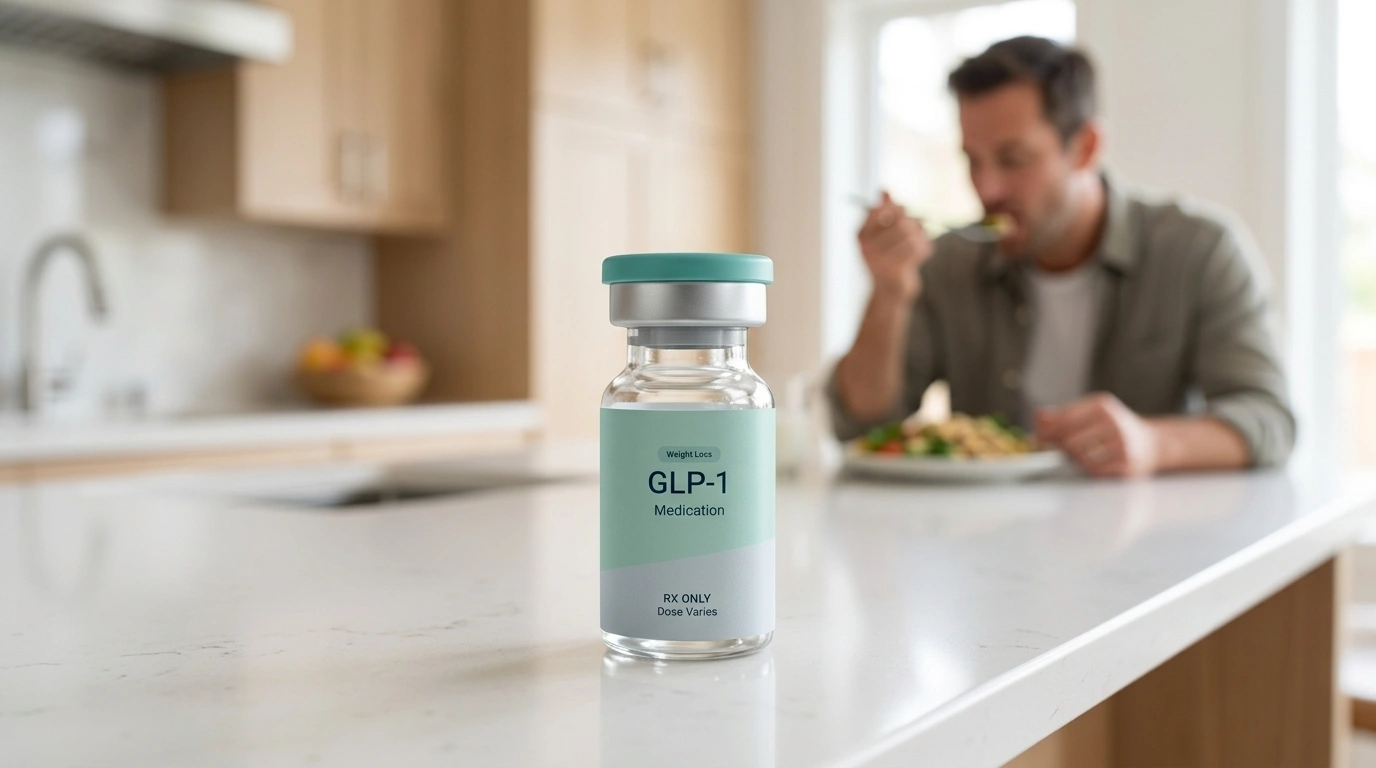
Table of Contents
- Introduction
- What Are GLP-1 Medications?
- Common Dosing Schedules for GLP-1 Agonists
- The Science of Titration: Why the Schedule Changes
- What Happens If You Miss a Dose?
- Best Practices for Your Injection Schedule
- Why Consistency Matters for Weight Loss
- How TrimRx Supports Your Dosing Schedule
- Managing Side Effects Through Scheduling
- Preparing for Your Telehealth Consultation
- The Long-Term Outlook: Is This a “Forever” Schedule?
- Summary of Action Steps
- FAQ
Introduction
Standing in front of the mirror or looking at a confusing medication schedule can feel overwhelming. You may have heard that these new medications are changing lives, but the logistics—specifically how often to take GLP-1—can leave you with more questions than answers. Whether you are balancing a busy career or managing a household, fitting a new medical routine into your life requires clarity and confidence. At TrimRx, we believe that understanding the “why” behind your schedule is just as important as the medication itself.
In this article, we will break down the different dosing frequencies for popular glucagon-like peptide-1 (GLP-1) receptor agonists, including daily and weekly options. We will also explore what happens if you miss a dose, why timing matters, and how a personalized program can help you stay on track. Our goal is to provide you with the knowledge needed to manage your health journey with ease and transparency.
If you are considering prescription treatment, you can complete a free eligibility assessment to discuss whether a personalized program may be appropriate for you.
Quick Answer: Most modern GLP-1 medications, such as semaglutide and tirzepatide, are taken once per week. However, some older versions or oral formats may require daily administration, so you should always follow the specific protocol provided by your healthcare professional.
What Are GLP-1 Medications?
Before looking at the schedule, it is helpful to understand what these medications actually do in your body. GLP-1 stands for glucagon-like peptide-1. This is a hormone that your small intestine produces naturally whenever you eat. It tells your brain you are full, signals your pancreas to release insulin, and slows down how quickly your stomach empties.
A GLP-1 receptor agonist is a medication designed to mimic this natural hormone. Because the medication stays in your system longer than the hormone your body makes, it provides a sustained feeling of fullness. This helps many individuals reduce their calorie intake without the constant “food noise” or intense hunger pangs that often lead to failed diet attempts.
For a broader overview of how these medications work, read this guide to GLP-1 medications and their starting doses.
When we talk about how often to take these medications, we are really talking about the “half-life” of the drug. Some versions are processed by your body very quickly, while others are engineered to last for several days.
Common Dosing Schedules for GLP-1 Agonists
The frequency of your medication depends entirely on the specific molecule and brand your provider prescribes. Over the last decade, the trend in medicine has moved toward once-weekly injections because they are more convenient for most people.
Once-Weekly Injections
Most patients today are prescribed once-weekly medications. These are often preferred because they only require you to think about your treatment one day a week.
- Semaglutide: This is the active ingredient found in Wegovy® and Ozempic®. It is also available as compounded semaglutide through specialized pharmacies. It is almost always administered once every seven days.
- Tirzepatide: This is a dual-acting medication (targeting both GLP-1 and GIP receptors) found in Zepbound® and Mounjaro®. Like semaglutide, it is taken once a week.
- Dulaglutide: Known by the brand name Trulicity®, this is another once-weekly option typically used for blood sugar management that may also support weight loss.
For more detail about weekly treatment, explore this guide to weekly tirzepatide dosing.
Once-Daily Medications
While weekly shots are popular, daily options still exist. Some people prefer a daily routine because it is easier to remember, much like taking a vitamin or a birth control pill.
- Liraglutide: Found in Saxenda® and Victoza®, this medication must be injected once every day. It has a shorter half-life, meaning it leaves your body faster than weekly options.
- Oral Semaglutide: Known as Rybelsus®, this is a pill version of semaglutide. Because the stomach does not absorb the medication as efficiently as an injection, it must be taken every morning on an empty stomach.
Twice-Daily Options
Some older GLP-1 medications, such as the original formulation of exenatide (Byetta®), require two injections per day. These are less common for weight loss today but are still used in specific clinical scenarios for diabetes management.
| Medication Type | Common Brand Names | Frequency |
|---|---|---|
| Semaglutide (Injectable) | Wegovy®, Ozempic® | Once Weekly |
| Tirzepatide (Injectable) | Zepbound®, Mounjaro® | Once Weekly |
| Liraglutide (Injectable) | Saxenda®, Victoza® | Once Daily |
| Semaglutide (Oral) | Rybelsus® | Once Daily |
| Dulaglutide (Injectable) | Trulicity® | Once Weekly |
The Science of Titration: Why the Schedule Changes
When you start a weight loss program with us, you won’t stay on the same dose forever. The process of gradually increasing your dose is called titration. This is a critical part of the GLP-1 journey.
Step 1: The Induction Phase. You will typically start on a very low dose. This is not meant to cause immediate, massive weight loss. Instead, it allows your body to get used to the medication. Taking a high dose right away would likely cause significant stomach upset.
Step 2: Monthly Increments. Most providers will keep you on a specific dose for at least four weeks. If you are tolerating the medication well, they may increase the dose for the following month.
Step 3: Finding the Maintenance Dose. The goal is to reach a “therapeutic dose” where you see consistent weight loss results with minimal side effects. Some people reach their goals on mid-level doses, while others need the maximum dose allowed by the protocol.
Step 4: Long-Term Stability. Once you reach your goal weight, your provider might discuss a maintenance schedule. This could involve staying on your current dose or slightly reducing it to maintain your progress.
Read more about how titration supports a gradual GLP-1 treatment plan.
Key Takeaway: The “how often” of your medication refers to the frequency of the shot, but the “how much” will change over several months to help your body adapt safely.
What Happens If You Miss a Dose?
Life is unpredictable. You might forget your injection kit on a weekend trip or simply lose track of the days. Knowing what to do when you miss a dose can prevent unnecessary anxiety.
If you are on a once-weekly schedule:
- Within 5 days: If you remember within five days of your missed dose, take it as soon as you realize. You can then resume your normal schedule on your regular day.
- After 5 days: If more than five days have passed, skip the missed dose entirely. Wait until your next regularly scheduled day to take your next dose. Never take two doses at once to “make up” for a missed one.
If you are on a once-daily schedule:
- Skip the missed dose and take your next dose at the usual time the following day. Do not double up.
For additional guidance, review what to do after missing a weekly GLP-1 injection.
Note: If you miss two or more consecutive doses of a weekly medication, your body may lose its tolerance. In this case, you should consult a healthcare provider before restarting, as you may need to go back to a lower starting dose to avoid side effects.
Best Practices for Your Injection Schedule
Consistency is the secret to success with any GLP-1 program. While the medication is powerful, it works best when the levels in your blood remain stable.
Choose a consistent day and time. Many people choose “Satur-day” or “Sun-day” to align with the weekend. Others prefer a Friday evening so they can manage any potential mild side effects while at home. Pick a day that works for your lifestyle and stick to it.
For more scheduling ideas, read about the best time to inject GLP-1 medication.
Inject in a different spot each time. You should rotate your injection sites. The common areas are the abdomen (at least two inches from the belly button), the tops of the thighs, or the back of the upper arm. Rotating sites helps prevent skin irritation or the buildup of fatty tissue.
Keep a log. Whether you use a digital app or a simple paper calendar, mark down when you took your dose. Note how you felt the day after. This information is incredibly valuable when you have your follow-up consultations with our team.
Plan for travel. Most GLP-1 pens can stay at room temperature for a certain number of days, but they are generally best kept refrigerated. If you are traveling, plan your schedule so you can take your dose before you leave, or use a small travel cooler.
Why Consistency Matters for Weight Loss
You might wonder if skipping a week here and there matters. Clinical studies suggest that consistent use is vital for long-term success. GLP-1 medications work by changing how your brain and gut communicate. When you stop the medication, your natural hunger cues—often called “hunger hormones”—will return to their baseline levels.
If you take your medication sporadically, you may experience a “yo-yo” effect with your appetite. This makes it difficult to establish the healthy eating habits required for sustainable weight loss. At TrimRx, we focus on helping you build a lifestyle that supports the medication’s effects.
By keeping the medication levels steady, you allow your body to remain in a state of satiety (feeling full). This gives you the mental space to choose nutritious foods, focus on protein intake, and incorporate regular movement into your day.
During treatment, some readers may also consider daily nutritional support designed for GLP-1 users.
How TrimRx Supports Your Dosing Schedule
Navigating a prescription program shouldn’t feel like a solo mission. Our platform is designed to take the guesswork out of your weight loss journey. When you join our program, we provide a structured path that guides you through every step.
- Personalized Consultations: You will work with licensed healthcare providers who determine the best starting dose and titration schedule for your unique health profile.
- Convenient Delivery: Medications are shipped directly to your door from FDA-registered, inspected compounding pharmacies. This means you don’t have to worry about pharmacy lines or “out of stock” notices for your next dose.
- Ongoing Support: We offer 24/7 access to specialists. If you are unsure about your next dose or how to handle a missed day, our team is there to answer your questions.
- Comprehensive Service: Our program includes your doctor visits, lab work, and the medication itself. We want the “how often” to be the only thing you have to remember.
When you are ready to explore your options, take the free assessment quiz to begin the evaluation process.
Myth: “I can just take the medication whenever I feel hungry.” Fact: GLP-1 medications are meant to be taken on a strict schedule (daily or weekly) to maintain a steady level in the bloodstream. Using them “as needed” is not effective and can lead to increased side effects.
Managing Side Effects Through Scheduling
One of the main reasons people ask about dosing frequency is a concern about side effects like nausea or fatigue. While these are common, they are usually manageable and often temporary.
If you find that you feel nauseous for 24 hours after your weekly shot, you can adjust your schedule. For example, taking the injection before bed may allow you to sleep through the peak of the initial reaction. Additionally, making sure you are well-hydrated and have eaten a small, protein-rich meal before your injection can make a significant difference.
If side effects persist, your provider may suggest staying at a lower dose for an extra month rather than increasing it. This is the benefit of a personalized program; your schedule is not set in stone, but rather adapted to your body’s response.
For broader context, read this guide to managing side effects when starting GLP-1 medications.
Preparing for Your Telehealth Consultation
If you are ready to start, the first step is a health assessment. Because these are prescription medications, a provider needs to ensure they are safe for you.
Check your eligibility. Generally, these programs are for adults with a BMI of 30 or higher, or a BMI of 27 with a weight-related health condition like high blood pressure.
Gather your history. Be ready to discuss any past attempts at weight loss, your current medications, and any family history of thyroid or pancreatic issues.
Ask about the format. During your quiz or consultation, you can express your preference for daily or weekly formats. Most patients find the weekly injectable semaglutide or tirzepatide to be the most convenient and effective for their goals.
To understand the broader telehealth process, explore this guide to getting a GLP-1 prescription online.
The Long-Term Outlook: Is This a “Forever” Schedule?
A common question is whether you will have to take these medications every week for the rest of your life. The answer is highly individualized.
For some, obesity is a chronic condition that requires long-term management, much like high blood pressure or asthma. In these cases, a “maintenance dose”—which might be a lower dose or a less frequent injection schedule—may be recommended by a provider to prevent weight regain.
For others, the medication serves as a powerful “jumpstart” to help them lose enough weight to make exercise and diet more effective. Once they reach their goal and have established firm lifestyle changes, they may work with their provider to slowly taper off the medication.
Bottom line: Whether you take a GLP-1 daily or weekly, the goal is to provide your body with the support it needs to reach a healthy weight safely. Your schedule should be a tool that serves your life, not a source of stress.
Summary of Action Steps
If you are currently taking or considering a GLP-1 medication, here is your checklist for success:
- Confirm your specific dosing frequency (Daily vs. Weekly) with your provider.
- Set a recurring alarm on your phone for your injection day/time.
- Always have a plan for missed doses based on the “5-day rule” for weekly shots.
- Focus on hydration and protein intake, especially on the day of your injection.
- Communicate regularly with your support team about any side effects or progress milestones.
The journey toward a healthier version of yourself is a marathon, not a sprint. By mastering the rhythm of your medication, you are setting the foundation for lasting change. Our mission is to help you navigate this path with science-backed tools and empathetic support.
If fatigue or energy concerns are part of your weight loss routine, explore energy support while on GLP-1 medication.
FAQ
Can I change my injection day if my schedule changes?
Yes, you can generally change your weekly injection day as long as there are at least 48 to 72 hours between doses. It is best to shift the day gradually by one day at a time or consult with your provider before making a permanent change to your routine.
Should I take my GLP-1 on an empty or full stomach?
For injectable GLP-1s, it does not matter if you have eaten, as the medication is absorbed into the fatty tissue rather than the digestive tract. However, for oral versions like Rybelsus®, you must take it on an empty stomach with a small sip of water at least 30 minutes before eating or drinking anything else.
Does it matter what time of day I take my weekly shot?
The time of day does not significantly impact the effectiveness of weekly injections. Many people choose to take it at night to sleep through potential initial nausea, while others prefer the morning to get it out of the way; the most important factor is consistency.
For more timing guidance, review when to inject GLP-1 for optimal results.
What should I do if I feel the medication wearing off at the end of the week?
It is common to feel a slight return of appetite a day or two before your next weekly dose as the medication levels naturally dip. Focus on sticking to your meal plan and staying hydrated, and avoid the temptation to take your next dose early without medical supervision.
If you are considering a personalized prescription program, find out if GLP-1 medications may be right for you.
Disclaimer: This content is for informational purposes only and does not constitute medical advice. It is not intended to diagnose, treat, cure, or prevent any disease or condition. Individual results may vary. Always consult a qualified healthcare professional before starting any weight loss program or medication.

Transforming Lives, One Step at a Time
Keep reading
Weight Loss Progress Tracker
Track your weight loss over time, see progress clearly, and stay motivated with simple charts, summaries, and goal-based insights.
How to Create a Personalized Adherence Plan
Build a one-page GLP-1 adherence plan: record dose, pick a weekly time, set reminders, log side effects, and review monthly.

Weight Loss Medication Dosage Calculator
Estimate weight loss medication doses by weight and drug type, with starting guidance, dose progression info, and a clear medical disclaimer.


