How Safe Is Compounded Tirzepatide
Introduction
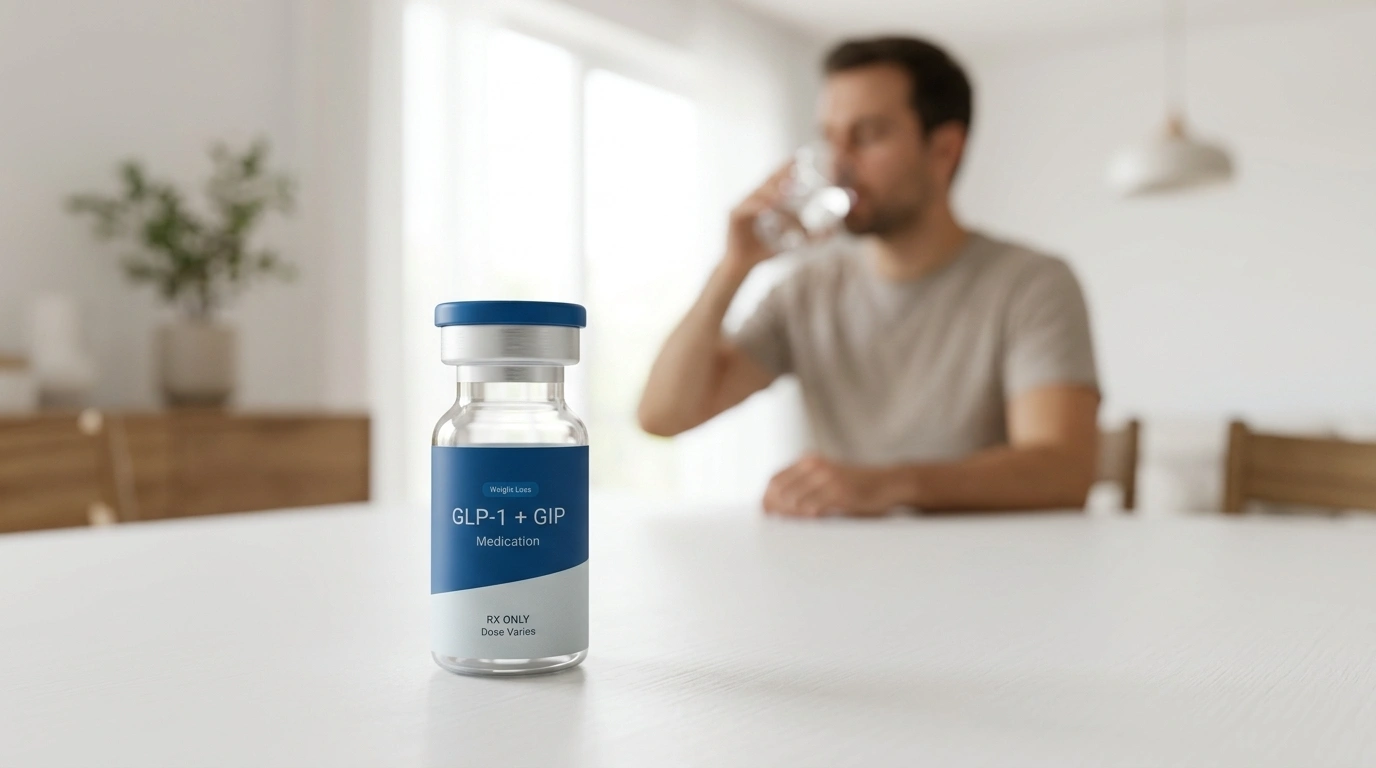
Finding a weight loss solution that actually works can feel like a lifelong search. For many, the discovery of tirzepatide—a dual-acting medication that targets two different hunger-related hormone receptors—has provided a sense of hope that traditional dieting often lacks. As demand for these medications has increased, many individuals are looking toward compounded versions as a viable option. At TrimRx, we understand that your primary concern when starting any new health journey is safety. You want to know if what you are putting into your body is effective, pure, and prepared with the highest clinical standards. This article will explain the safety protocols surrounding compounded tirzepatide, the regulations governing the pharmacies that produce it, and how a medically supervised program ensures your well-being throughout the process. Our goal is to provide a clear, science-backed look at the safety profile of compounded tirzepatide so you can make an informed decision about your metabolic health.
What Is Tirzepatide?
Tirzepatide is a dual glucose-dependent insulinotropic polypeptide (GIP) and glucagon-like peptide-1 (GLP-1) receptor agonist. While that sounds like a mouthful of medical jargon, the mechanism is quite straightforward. It is a medication that mimics two naturally occurring hormones in your body. These hormones are responsible for telling your brain you are full and helping your pancreas manage blood sugar levels effectively.
By activating both the GIP and GLP-1 pathways, tirzepatide works on multiple fronts. It slows down the rate at which your stomach empties, which helps you feel satisfied for a longer period after eating. Simultaneously, it communicates with the reward centers in the brain to reduce “food noise,” which is the constant, intrusive thoughts about eating that many people struggle with during a weight loss journey.
Quick Answer: Compounded tirzepatide is considered safe when it is prescribed by a licensed healthcare provider and prepared by a reputable, FDA-registered compounding pharmacy. Safety depends on the pharmacy’s adherence to strict sterility and potency standards, as well as the patient’s medical eligibility.
For a broader overview of the medication’s dual-receptor mechanism, read how tirzepatide works for weight loss.
The Role of Compounding Pharmacies
Compounding is the process of creating a customized medication tailored to the specific needs of an individual patient. In the United States, compounding pharmacies play a vital role in the healthcare system, especially when there are shortages of commercially available drugs. When a medication like tirzepatide is listed on the FDA’s drug shortage list, licensed pharmacies are permitted to prepare compounded versions of that medication.
It is a common misconception that “compounded” means “unregulated.” In reality, the pharmacies that produce these medications must follow strict federal and state guidelines. There are two primary types of compounding pharmacies that you should be aware of when considering safety.
503A Pharmacies
503A pharmacies are traditional compounding pharmacies that provide medications based on patient-specific prescriptions. These facilities are regulated primarily by state boards of pharmacy. They must follow standards set by the United States Pharmacopeia (USP), specifically USP <797> for sterile preparations. These standards ensure that the environment where the medication is mixed is free from contaminants.
For additional context, review how a compounding pharmacy works.
503B Pharmacies
503B pharmacies are outsourcing facilities that can manufacture large batches of medications. These facilities are held to even higher standards and are directly inspected by the FDA. They must comply with Current Good Manufacturing Practice (CGMP) requirements, which are the same standards that apply to traditional pharmaceutical manufacturers.
Key Takeaway: The safety of a compounded medication is directly tied to the standards of the pharmacy. Choosing a program that partners with FDA-registered, inspected compounding pharmacies is the best way to ensure the purity and potency of your treatment.
Is Compounded Tirzepatide FDA-Approved?
It is important to understand that compounded tirzepatide itself is not FDA-approved. The FDA approves specific branded drugs, such as Mounjaro® and Zepbound®, which are manufactured by Eli Lilly. When a pharmacy compounds a medication, the final compounded product does not go through the same FDA new drug approval process as a branded pharmaceutical.
However, the individual ingredients used in compounding must meet specific standards. Reputable pharmacies use tirzepatide base that is sourced from facilities that are registered with the FDA. This ensures that the raw materials used to create your medication are of high quality.
Myth: Compounded medications are “knock-offs” or illegal versions of branded drugs.
Fact: Compounding is a legal and regulated practice in the United States, specifically allowed under the Federal Food, Drug, and Cosmetic Act when a drug is in shortage or a patient has a specific medical need.
You can also compare the preparation and oversight differences in compounded versus branded tirzepatide.
Factors That Influence Safety
The safety of compounded tirzepatide depends on several critical factors, ranging from the source of the ingredients to the way the medication is handled. When you are evaluating a telehealth platform or a local pharmacy, you should look for transparency in these areas.
Quality of the Base Ingredient
Safety begins with the raw tirzepatide used to create the injectable or oral solution. High-quality compounding pharmacies use tirzepatide in its “base” form, rather than salt forms like tirzepatide sodium or tirzepatide acetate. The FDA has previously expressed concerns about the use of salt forms because they may not have the same safety or efficacy profile as the base medication.
For more detail about formulation and ingredient quality, explore what is in compounded tirzepatide.
Sterility and Testing
Since tirzepatide is often administered via a small subcutaneous injection, sterility is paramount. A safe compounding pharmacy will conduct rigorous testing on every batch of medication. This includes:
- Sterility Testing: Ensuring no bacteria or fungi are present.
- Endotoxin Testing: Checking for byproducts of bacteria that could cause a fever or reaction.
- Potency Testing: Confirming that the concentration of the medication matches what is on the label.
Professional Medical Oversight
You should never obtain tirzepatide without a prescription from a licensed healthcare provider. A provider’s role is to review your medical history, check for potential drug interactions, and determine if you have any contraindications. For example, individuals with a personal or family history of medullary thyroid carcinoma or Multiple Endocrine Neoplasia syndrome type 2 (MEN 2) should not use tirzepatide. Without this medical screening, the safety of the medication cannot be guaranteed.
If you are considering treatment, complete a free eligibility assessment so a licensed provider can review your health history.
Common and Rare Side Effects
Like all GLP-1 and GIP receptor agonists, tirzepatide can cause side effects as your body adjusts to the medication. Most of these are gastrointestinal in nature and are generally mild to moderate. Understanding these side effects is a key part of staying safe and comfortable during your treatment.
For a deeper review, read what to expect from tirzepatide side effects.
Common Gastrointestinal Effects
- Nausea: This is the most frequently reported side effect. It often occurs when you first start the medication or when your dosage is increased.
- Diarrhea or Constipation: Changes in digestion speed can lead to bowel habit changes.
- Vomiting: Usually less common than nausea, but can occur if the dosage is too high or if you eat very large, fatty meals.
- Stomach Pain: General discomfort as the digestive system slows down.
Managing Side Effects
Most side effects can be managed with simple lifestyle adjustments. Staying hydrated is essential, especially if you experience diarrhea or nausea. Eating smaller, more frequent meals rather than three large ones can also help. Many people find that avoiding high-fat or greasy foods reduces the likelihood of stomach upset.
You can find additional guidance in this compounded tirzepatide side effect guide.
Rare but Serious Risks
While rare, there are more serious risks associated with tirzepatide that require immediate medical attention. These include:
- Pancreatitis: Inflammation of the pancreas characterized by severe abdominal pain that may radiate to the back.
- Gallbladder Problems: Such as gallstones or inflammation.
- Kidney Issues: Often a secondary effect of dehydration caused by severe vomiting or diarrhea.
- Severe Allergic Reactions: Symptoms like swelling of the face, tongue, or throat, or difficulty breathing.
Note: If you experience severe, persistent abdominal pain or signs of an allergic reaction, stop the medication immediately and contact a healthcare professional or emergency services.
Comparing Safety: Branded vs. Compounded
When comparing branded medications like Mounjaro® or Zepbound® to compounded tirzepatide, the primary difference lies in the manufacturing process and FDA oversight. Branded medications are produced in a mass-market, standardized environment with FDA approval for the specific finished product. Compounded medications are prepared in smaller batches by specialized pharmacies.
| Feature | Branded (Mounjaro®/Zepbound®) | Compounded Tirzepatide |
|---|---|---|
| FDA-Approved Product | Yes | No |
| Active Ingredient | Tirzepatide | Tirzepatide (typically base) |
| Source | Single Manufacturer | Licensed Compounding Pharmacies |
| Regulation | FDA Manufacturing Standards | State Board / USP Standards |
| Prescription Required | Yes | Yes |
While the active ingredient is the same, the delivery method (such as the type of syringe or vial) may differ. At TrimRx, we ensure that the pharmacies we work with provide clear instructions and high-quality supplies to maintain safety at home.
The Importance of the Right Dosage
Safety is also a matter of using the correct dose at the right time. Tirzepatide treatment usually follows a titration schedule. This means you start at a very low dose—typically 2.5 mg—to allow your body to get used to the hormone changes. Every four weeks, your provider may increase the dose based on how well you are tolerating the medication and your weight loss progress.
Attempting to “speed up” the process by taking a higher dose than prescribed is dangerous. It significantly increases the risk of severe nausea, vomiting, and dehydration. A medically supervised program ensures that your dosage is adjusted safely and responsibly.
Learn more about safe GLP-1 dose titration.
Identifying “Red Flags” in Compounded Tirzepatide
As the popularity of tirzepatide has grown, so has the number of unregulated sources selling it online. To stay safe, you must be able to distinguish between a legitimate telehealth platform and a “pill mill” or an unsafe source.
Red Flag 1: No Prescription Required
If a website offers to sell you tirzepatide without a consultation with a licensed healthcare provider, it is illegal and highly dangerous. You have no way of knowing what is actually in the vial, and you lack the medical screening necessary to ensure the drug is safe for your specific health profile.
Red Flag 2: “Research Grade” or “Not for Human Consumption”
Some websites sell “peptides” labeled as research chemicals. These substances are not manufactured for human use, are not held to any sterility standards, and can contain harmful contaminants. Never inject a substance labeled for research only.
Red Flag 3: Lack of Pharmacy Information
A transparent program will be open about where their medications come from. If a provider cannot or will not tell you which pharmacy is fulfilling your order, or if that pharmacy is not a licensed, US-based facility, do not use their services.
How TrimRx Prioritizes Your Safety
At TrimRx, safety is the foundation of our personalized weight loss programs. We don’t just provide access to medication; we provide a clinical framework designed to support your health. Our process is built on several layers of safety checks:
- Comprehensive Medical Screening: Every patient begins with a free assessment quiz and a review by a licensed healthcare provider. This ensures that tirzepatide is a medically appropriate choice for you.
- Vetted Pharmacy Partners: We only work with FDA-registered, inspected compounding pharmacies. These facilities must meet the rigorous USP standards for sterility and potency.
- Continuous Support: Weight loss is not a “set it and forget it” process. Our members have 24/7 access to a dedicated team to answer questions about side effects, dosing, or any other concerns that arise.
- Personalized Dosing: We follow clinical guidelines for titration, ensuring that your body has time to adjust to the medication, which minimizes side effects and maximizes long-term success.
Our goal is to remove the guesswork and anxiety often associated with starting a GLP-1 or GIP medication. By merging modern technology with clinical expertise, we create a path to weight loss that is both effective and responsible.
Step-by-Step: Starting Safely
If you are considering compounded tirzepatide, following a structured process is the best way to ensure your safety.
- Step 1: Complete an Assessment. / Provide an honest and thorough medical history, including any current medications or underlying health conditions.
- Step 2: Consult with a Provider. / A licensed healthcare professional will review your data to determine eligibility and discuss the potential benefits and risks.
- Step 3: Source from a Regulated Pharmacy. / Ensure your medication is coming from a US-based, licensed compounding pharmacy that follows USP <797> standards.
- Step 4: Monitor Your Response. / Keep a log of how you feel, especially in the first 48 hours after an injection, and report any concerns to your clinical team.
Clinical Evidence for Tirzepatide
While compounded tirzepatide is a custom preparation, the active ingredient has been extensively studied. In clinical trials for the branded versions, tirzepatide has shown significant results in weight reduction when combined with lifestyle changes. Participants in these studies often experienced a reduction in body weight ranging from 15% to over 20%, depending on the dosage and duration of the study.
These studies also help us understand the safety profile of the molecule. Because tirzepatide targets both GIP and GLP-1 receptors, it may offer a more balanced metabolic effect than medications that only target GLP-1. Research suggests that GIP may help buffer some of the gastrointestinal side effects of GLP-1, though individual experiences vary.
Long-term Safety Considerations
Weight management is often a long-term journey, which leads many to ask about the safety of staying on tirzepatide for an extended period. Current clinical data suggests that these medications can be used long-term under medical supervision. However, it is essential to focus on lifestyle foundations alongside the medication.
Using tirzepatide should be seen as a tool to help you implement healthier habits, such as improved nutrition and regular physical activity. This “whole-person” approach not only improves safety by reducing the dose needed over time but also ensures that you can maintain your results if you ever decide to transition off the medication.
Bottom line: Compounded tirzepatide offers a scientifically sound option for weight loss when sourced through a legitimate, medically supervised platform that utilizes FDA-registered compounding pharmacies.
Conclusion
Safety is not a single checkbox; it is an ongoing commitment to quality, clinical oversight, and patient education. Compounded tirzepatide can be a safe and highly effective tool for those struggling with weight management, provided it is approached with the necessary precautions. By choosing a program that emphasizes pharmacy transparency and professional medical guidance, you can focus on your progress with peace of mind. At TrimRx, we are dedicated to helping you reach your goals through a personalized, science-backed approach that puts your well-being first. We believe that everyone deserves access to modern metabolic medicine in a way that is transparent, empathetic, and safe.
If you are ready to see if a personalized tirzepatide program is right for you, the best next step is to complete a free medical assessment.
FAQ
Is compounded tirzepatide as effective as the branded version?
Compounded tirzepatide contains the same active ingredient as the branded versions and is designed to work in the same way by targeting GLP-1 and GIP receptors. While it is not FDA-approved as a finished product, many patients report similar results in weight loss and appetite suppression when using high-quality compounded versions from regulated pharmacies.
How do I know if a compounding pharmacy is safe?
A safe compounding pharmacy should be US-based, licensed by its state board of pharmacy, and ideally registered with the FDA as a 503A or 503B facility. You should ensure the pharmacy follows USP <797> or <800> standards for sterile compounding and performs third-party testing for potency and sterility.
What should I do if I experience side effects?
Most side effects like nausea or mild stomach upset are temporary and can be managed by staying hydrated and eating smaller meals. If side effects become severe, such as persistent vomiting or intense abdominal pain, you should contact your healthcare provider immediately to discuss a dosage adjustment or medical evaluation. You can also review this guide to managing tirzepatide side effects.
Can I travel with compounded tirzepatide?
Yes, you can travel with your medication, but it should be kept at the temperature recommended by the pharmacy (usually refrigerated). Use a small insulated travel bag with a cold pack, and always keep the medication in its original packaging with the prescription label attached for security purposes.
Disclaimer: This content is for informational purposes only and does not constitute medical advice. It is not intended to diagnose, treat, cure, or prevent any disease or condition. Individual results may vary. Always consult a qualified healthcare professional before starting any weight loss program or medication.

Transforming Lives, One Step at a Time
Keep reading

Should You Taper Off Tirzepatide or Just Stop? What the Evidence Says
There is very little direct evidence either way, and anyone who tells you otherwise is filling a gap with confidence. The withdrawal trials that…
Stalled on Tirzepatide Even After a Dose Increase: Your Options
The first thing to check is how long it has been since the increase, because most people ask this question too early. A dose…

Why Did Tirzepatide Stop Working After Three Months of Fast Loss?
Five things explain almost all of it, and the first is the least satisfying: the fast stretch was never going to last. Weight loss…


