How to Administer Ozempic Shots for Your Best Results
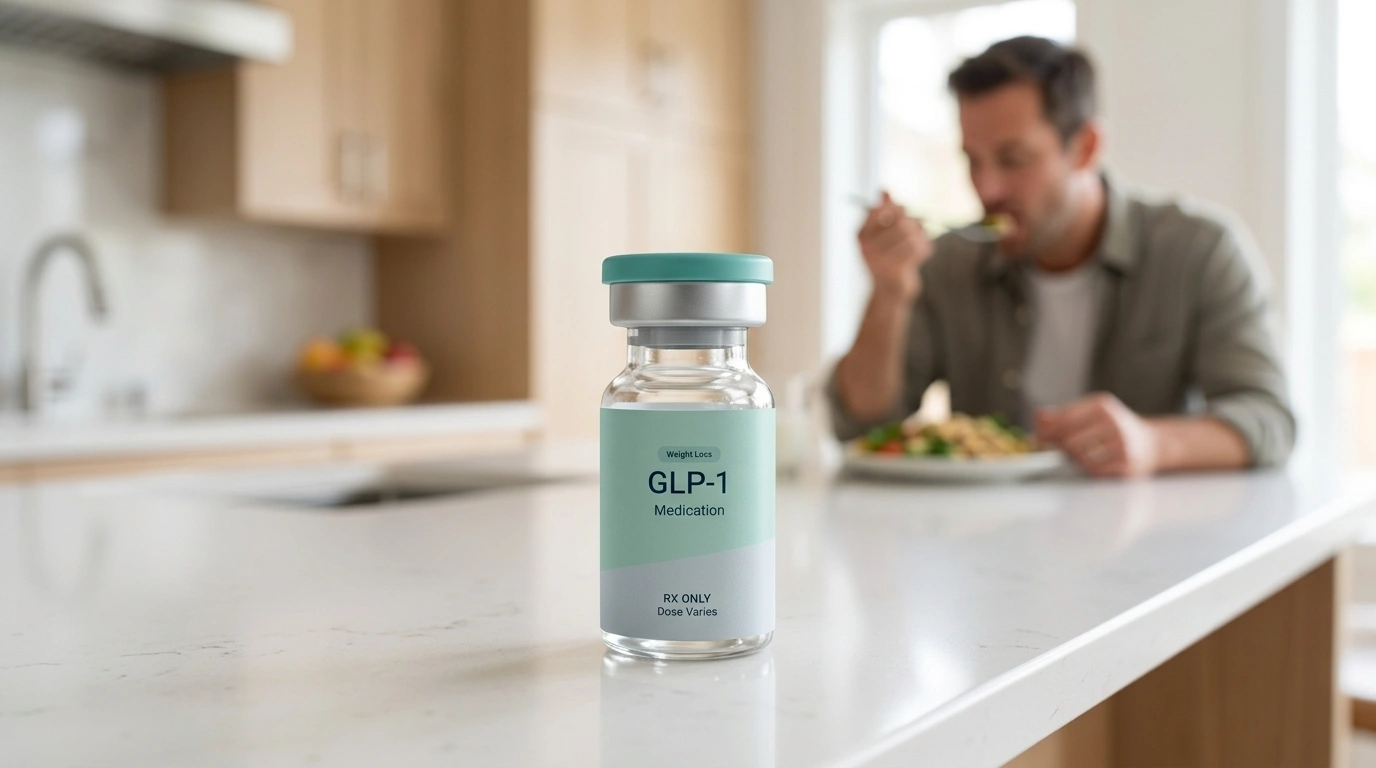
Introduction
Standing in your kitchen with a new medication pen in your hand can feel like a daunting moment. You know that this treatment represents a significant step toward your health goals, but the actual process of giving yourself an injection might trigger a wave of anxiety. It is completely natural to feel hesitant or even a bit nervous about using a needle for the first time. Most people find that once they complete their first dose, the process becomes a quick and stress-free part of their weekly routine.
At TrimRx, we believe that the right support makes all the difference in your weight management journey. This guide is designed to remove the mystery from the process, providing you with clear, manageable steps to ensure your medication is delivered safely and effectively. If you’re ready to see whether prescription GLP-1 treatment is a fit for you, complete our free assessment quiz. We will cover everything from preparing your supplies and choosing the right injection site to troubleshooting common concerns. By following these evidence-based steps, you can feel confident and empowered as you take control of your metabolic health.
Preparing Your Space and Supplies
Before you begin the process of administering your medication, it is helpful to gather everything you need in one well-lit, clean area. Creating a “ritual” around your weekly dose can help reduce anxiety and ensure you never miss a step. You do not need a medical clinic to do this safely; a clean kitchen table or bathroom counter works perfectly. If you want a closer look at the device itself, The Ozempic Pen: A Closer Look at Semaglutide Injections offers a deeper breakdown.
Essential Supplies Checklist
You will need the following items before you start:
- Your Ozempic® pen (check the label to ensure it is the correct medication and not expired).
- A new, disposable needle (these are provided with your pen).
- An alcohol swab or a cotton ball soaked in rubbing alcohol.
- A dedicated sharps container for safe needle disposal.
- A clean tissue or gauze pad.
Key Takeaway: Preparation is the foundation of a successful injection. Having all your supplies within reach prevents mid-process interruptions and helps maintain a sterile environment.
Checking the Medication
Take a close look at the liquid inside the pen through the clear window. The medication should be clear and colorless. If the liquid looks cloudy, discolored, or contains visible particles, do not use that pen. Contact your healthcare provider or pharmacist for a replacement. Additionally, check the expiration date printed on the side of the pen. Using expired medication can lead to reduced effectiveness or unexpected reactions.
If you have been storing your pen in the refrigerator, you may want to let it sit at room temperature for about 15 to 20 minutes before injecting. While it is safe to inject cold medication, many people find that a room-temperature liquid is more comfortable and less likely to cause a slight stinging sensation.
Choosing and Preparing the Injection Site
Ozempic® is a subcutaneous injection, which means it is designed to be delivered into the fatty tissue just below the skin. It should never be injected into a muscle or a vein. Choosing the right spot ensures the medication is absorbed correctly and minimizes discomfort.
Recommended Injection Areas
There are three primary areas where you can safely administer your dose:
- The Abdomen: This is the most common choice. Aim for the area at least two inches away from your belly button.
- The Thigh: Use the front or outer side of your thigh. This area is often easier to reach if you are sitting down.
- The Upper Arm: This is the back of the upper arm. Since this can be tricky to reach on your own, you might need someone to assist you if you choose this site.
The Importance of Site Rotation
It is vital to rotate your injection site every week. This means you should not use the exact same spot two weeks in a row. For example, if you inject into the right side of your abdomen this week, choose the left side next week.
Important: Rotating sites prevents a condition called lipohypertrophy, which is a buildup of fatty tissue under the skin. If you inject into the same spot repeatedly, the skin may become firm or lumpy, which can prevent the medication from being absorbed properly.
Cleaning the Skin
Once you have selected your site, use an alcohol swab to clean the area. Use a firm, circular motion and allow the skin to air-dry completely. Do not blow on the skin or fan it with your hands to speed up the drying, as this can reintroduce bacteria. Injecting through wet alcohol can cause a temporary stinging sensation, so patience is key here.
Step-by-Step Injection Instructions
Now that you are prepared, you can begin the actual administration. If you want a more detailed walkthrough of technique and timing, Your Guide to Semaglutide Injections: Where and How to Take Your Shot covers the practical details in depth. The Ozempic® pen is designed to be user-friendly, but following these steps precisely ensures you receive the full, correct dose.
Step 1: Attach a New Needle
Wash your hands thoroughly with soap and water. Take a new needle and pull off the paper tab. Push the needle straight onto the pen and turn it until it is tight. Pull off the outer needle cap and set it aside (you will need it later). Then, pull off the inner needle cap and throw it away. You should now see the small needle at the tip of the pen.
Step 2: The Flow Check (Priming a New Pen)
If you are using a brand-new pen for the very first time, you must perform a flow check. This ensures the pen is working correctly and removes any air bubbles.
- Turn the dose selector until you see the flow check symbol (it looks like a small line with a dot).
- Hold the pen with the needle pointing up.
- Press and hold the dose button until the dose counter returns to 0.
- A drop of liquid should appear at the needle tip.
If a drop does not appear, repeat this step up to six times. If there is still no drop, change the needle and try once more. If it still fails, do not use the pen.
Step 3: Dial Your Dose
Turn the dose selector until the dose counter shows the exact dose your healthcare provider prescribed (for example, 0.25 mg or 0.5 mg). You will hear a clicking sound as you turn the dial. If you accidentally turn it too far, you can turn it backward to reach the correct number.
Step 4: Insert the Needle
Hold the pen so you can see the dose counter. Gently pinch a fold of skin at your cleaned injection site (this is optional but can help ensure you hit the fatty tissue). Insert the needle straight into your skin. You do not need to push hard; the needle is very thin and designed to slide in easily.
Step 5: Administer the Medication
Press and hold the dose button all the way down. You will see the dose counter move back toward 0. Once the counter hits 0, you might hear a click. Do not remove the needle yet. Slowly count to six while keeping the button pressed. This ensures that the full amount of medication has been released from the pen into your body.
Step 6: Remove and Dispose
After counting to six, pull the needle straight out of your skin. If a tiny drop of blood appears, you can press a tissue or gauze pad against the spot for a few seconds. Do not rub the area.
Carefully put the outer needle cap back onto the needle without touching it. Unscrew the needle and drop it into your sharps container immediately. Place the pen cap back on the pen to protect the remaining medication from light.
Bottom line: Holding the needle in place for a full six seconds after the dial hits zero is the most important step to guarantee you receive your full prescribed dose.
Troubleshooting and Common Concerns
Even with a clear guide, questions can arise during the process. If you want a broader overview of common reactions and what to expect as your body adjusts, GLP-1 Side Effects in 2026: What Our Team Sees Every Day is a helpful companion read. Understanding what is normal and what requires action can help keep your treatment on track.
What if a Drop Stays on the Needle?
It is common to see a tiny drop of liquid at the tip of the needle after you remove it from your skin. This is normal and does not mean you missed your dose. As long as the counter reached 0 and you counted to six, you received the correct amount.
What if the Dose Counter Doesn’t Hit Zero?
If the button is hard to press or the counter stops before reaching 0, the needle may be blocked. You should remove the old needle, attach a new one, and try to complete the injection. If the counter still does not move, there may not be enough medication left in the pen. Each pen contains a specific number of doses; once it is empty, the dial will not turn to a full dose.
Managing Injection Anxiety
If the thought of the needle is still causing stress, try these tips:
- Deep Breathing: Take three slow, deep breaths before you start to calm your nervous system.
- Ice the Area: You can hold an ice cube against the injection site for 30 seconds before cleaning it with alcohol to numb the skin slightly.
- Listen to Music: Playing a favorite song can provide a helpful distraction.
- Stay Hydrated: Being well-hydrated makes your skin more supple and can make the process feel smoother.
Storage and Maintenance of Your Pen
Proper storage is essential to maintain the integrity of the medication. The active ingredient, semaglutide (a GLP-1 receptor agonist that mimics natural hormones to regulate appetite), is sensitive to extreme temperatures. For a broader explanation of the hormone behind semaglutide, What is GLP-1? A 2026 Breakdown from Our Medical Experts is a useful place to start.
Before the First Use
Unused Ozempic® pens must be stored in the refrigerator. Aim for a temperature between 36°F and 46°F. Do not store them in the freezer or near the cooling element at the back of the fridge. If the medication freezes, it is no longer safe to use and must be discarded.
After the First Use
Once you have used a pen for the first time, you have two options for storage:
- You can keep it in the refrigerator.
- You can keep it at room temperature (up to 86°F).
Regardless of where you store it, the pen must be used or disposed of within 56 days of the first use. Always keep the pen cap on when you are not using it to protect the medication from light. Never store the pen with a needle attached, as this can lead to medication leaks or contamination.
Safety and Professional Guidance
While learning how to administer Ozempic® shots is a practical skill, it is only one part of a successful weight management program. If you want a deeper explanation of how this medication class works in the body, How Does GLP-1 Work? A 2026 Deep Dive on the Science of Weight Loss offers a clear science-focused overview. Your journey should always be guided by a licensed healthcare professional who can monitor your progress and adjust your treatment as needed.
Understanding Your Medication
It is important to distinguish between branded medications and compounded versions. Branded medications like Ozempic®, Wegovy®, Mounjaro®, and Zepbound® are FDA-approved for specific uses such as type 2 diabetes or chronic weight management.
At TrimRx, our program connects you with licensed providers who may prescribe compounded semaglutide or compounded tirzepatide. If you want to understand that category better, What Is Compounded GLP-1? The 2026 Medical Breakdown explains the difference between brand-name and compounded options. These compounded versions are prepared and shipped by FDA-registered, inspected compounding pharmacies. While the compounded medications themselves are not FDA-approved, they are a vital tool for many patients seeking personalized treatment options.
When to Contact a Provider
Most people experience only mild side effects, such as temporary nausea or changes in digestion. However, you should contact a healthcare professional if you experience:
- Severe or persistent abdominal pain.
- Signs of an allergic reaction (rash, itching, or swelling).
- Repeated vomiting or inability to keep fluids down.
- Lumps or skin changes at the injection site that do not go away.
Personalized care is at the heart of what we do. By working with a specialist, you can ensure that your dosage is optimized for your body’s unique needs, minimizing side effects while supporting sustainable progress.
Optimizing Your Results
Administering your weekly shot is a powerful step, but it works best when supported by other healthy habits. GLP-1 medications (glucagon-like peptide-1 receptor agonists) help manage hunger and blood sugar, but they are most effective when paired with a balanced lifestyle.
Nutritional Support
Since these medications slow down gastric emptying (the speed at which food leaves your stomach), you may find that you feel full much faster than before. Focus on high-quality proteins and fiber-rich vegetables to ensure your body gets the nutrients it needs. Some people find that our GLP-1 Daily Support supplement helps provide the extra nutritional foundation needed during this transition.
Consistency is Key
Try to take your injection on the same day each week. This keeps the level of medication in your bloodstream steady. If you need to change your “injection day,” you can do so as long as there are at least two days (48 hours) between doses. If you miss a dose, consult your provider or the medication guide for the specific window of time in which you can “catch up.”
If you want additional support during weight loss, the Weight Loss Boost supplement is another option to explore alongside your routine.
Myth: You have to inject in the exact same minute every week for it to work. Fact: While consistency is helpful for memory and steady levels, being off by a few hours or even a day is generally fine, provided you stay within the safety windows recommended by your provider.
Conclusion
Mastering the art of self-injection is a milestone in your health journey. By gathering your supplies, choosing the right site, and following the “count to six” rule, you ensure that every dose brings you closer to your goals. The initial nerves will quickly fade as the process becomes second nature, leaving you to focus on the positive changes in your energy and well-being.
Our mission at TrimRx is to provide the science-backed tools and empathetic support you need to make sustainable weight loss a reality. We are here to guide you through every step, from the first assessment to the long-term maintenance of your health. You do not have to navigate the complexities of modern weight loss medications alone.
Next Steps:
- Create a dedicated “injection kit” with all your supplies in one container.
- Set a recurring alarm on your phone for your weekly dose.
- If you have questions about your eligibility or treatment options, complete our free assessment quiz to connect with a specialist.
FAQ
Does the Ozempic® injection hurt?
Most people describe the sensation as a tiny pinch or a quick sting. The needle used in these pens is exceptionally thin and short, designed specifically for comfort and ease of use. If you are sensitive to pain, allowing the pen to reach room temperature before injecting can help reduce any discomfort.
What should I do if I forget to take my shot?
If you miss a dose and it is within five days of your scheduled day, take the dose as soon as you remember. If more than five days have passed, skip the missed dose and wait until your next regularly scheduled injection day. Never take two doses at once to make up for a missed one, as this can increase the risk of side effects.
Can I share my Ozempic® pen with someone else if we change the needle?
No, you must never share your medication pen with another person, even if the needle is changed. Sharing pens carries a high risk of transmitting blood-borne infections. Each pen is intended for a single user only to ensure safety and hygiene.
Where is the best place to store my pen once I have started using it?
After the first use, you can keep your pen in the refrigerator or at room temperature (up to 86°F) for up to 56 days. Regardless of where you store it, you must keep the pen cap on and ensure it is protected from excessive heat and direct sunlight. Always remove the needle after each injection before storing the pen.
Disclaimer: This content is for informational purposes only and does not constitute medical advice. It is not intended to diagnose, treat, cure, or prevent any disease or condition. Individual results may vary. Always consult a qualified healthcare professional before starting any weight loss program or medication.

Transforming Lives, One Step at a Time
Keep reading

Does Pepto Bismol Help Nausea on Ozempic?
Ask your pharmacist before using it, because Pepto Bismol is not the neutral stomach remedy most people assume. Its active ingredient, bismuth subsalicylate, contains…

Can You Sunbathe With an Injection Site Bruise on Ozempic?
You can, and the better answer is to cover that specific spot. Ultraviolet light on skin that is actively healing can trigger post-inflammatory hyperpigmentation,…
Can You Swim Right After Injecting Ozempic?
Essentially yes. Once the needle is out and you have held it in place for the recommended few seconds, the medication is in your…


