How to Get Approved for GLP-1 Prescription: Process and Requirements
Introduction
If you have spent years navigating the cycle of restrictive dieting and intense exercise only to see the scale stay still, you are not alone. Many people reach a point where biological factors make traditional weight loss methods feel like an uphill battle. The emergence of GLP-1 medications has provided a new path for those seeking evidence-based medical support. However, these are not over-the-counter supplements; they require a professional medical evaluation and a valid prescription.
At TrimRx, we understand that the process of obtaining a prescription can feel overwhelming and technical. This article covers the specific clinical criteria providers look for, the medical history requirements, and the role of telehealth in modern weight management. By understanding how to get a GLP-1 prescription, you can better prepare for a consultation and move closer to your health goals. Getting approved is a clinical process designed to ensure your safety and the long-term effectiveness of the treatment.
Understanding GLP-1 Medications
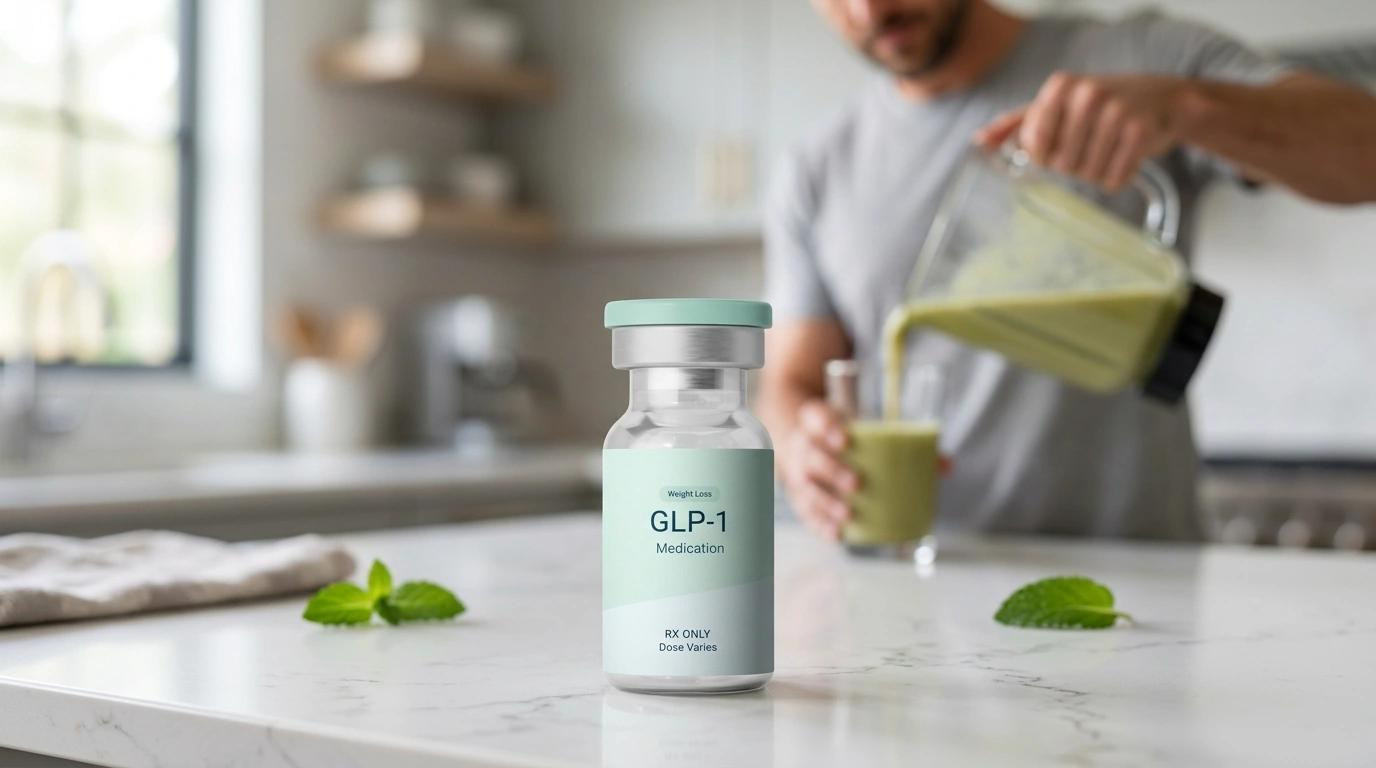
Before seeking approval, it is helpful to understand what these medications are and how they interact with your body. GLP-1 stands for glucagon-like peptide-1, which is a hormone naturally produced in your intestines. This hormone plays a critical role in how your body handles food and energy.
GLP-1 receptor agonists are a class of medications that mimic this natural hormone. They work by targeting areas of the brain that regulate appetite and fullness. When these receptors are activated, you may feel satisfied with smaller portions, and your cravings may decrease. They also slow down gastric emptying, which is the process of food moving out of your stomach. This helps you feel fuller for a longer period after eating. You can also review what GLP-1 medications are and how they work before speaking with a provider.
The most common active ingredients in this category are semaglutide and tirzepatide. Semaglutide is the active ingredient found in branded medications like Ozempic® and Wegovy®. Tirzepatide, which mimics both GLP-1 and another hormone called GIP (glucose-dependent insulinotropic polypeptide), is the active ingredient in Mounjaro® and Zepbound®.
While the branded medications mentioned above are FDA-approved for specific uses like type 2 diabetes or chronic weight management, many patients also access compounded semaglutide or compounded tirzepatide. These versions are prepared by licensed pharmacists in FDA-registered and inspected compounding pharmacies to meet specific patient needs.
Clinical Eligibility Criteria
To be approved for a GLP-1 prescription, an individual must generally meet specific clinical benchmarks. These guidelines are established to ensure that the medication is being used by those who will benefit from it most while minimizing unnecessary risks.
Body Mass Index (BMI) Standards
The primary metric used by healthcare providers is the Body Mass Index, or BMI. This is a calculation of your weight in relation to your height. Most clinical guidelines for weight management medications follow these two tiers:
- BMI of 30 or Higher: Individuals in this category are generally considered eligible for GLP-1 treatment, even in the absence of other weight-related health conditions.
- BMI of 27 or Higher with Comorbidities: If your BMI is between 27 and 29.9, you may be approved if you also have at least one weight-related medical condition.
You can review common GLP-1 prescription eligibility requirements before completing your assessment.
Identifying Weight-Related Comorbidities
A comorbidity is an additional medical condition that exists alongside a primary concern. In the context of weight management, providers look for conditions that are often caused or worsened by excess weight. Common examples include:
- Hypertension: Persistently high blood pressure that requires monitoring or medication.
- Dyslipidemia: High cholesterol or triglyceride levels that increase cardiovascular risk.
- Type 2 Diabetes or Prediabetes: Issues with blood sugar regulation and insulin resistance.
- Obstructive Sleep Apnea: A condition where breathing repeatedly stops and starts during sleep.
- Cardiovascular Disease: Existing heart-related issues that could be improved by weight reduction.
Key Takeaway: Approval is not based on a desire to lose a few vanity pounds; it is a clinical decision based on your BMI and whether your current weight is impacting your long-term metabolic health.
The Role of Medical History
A significant part of getting approved involves a deep dive into your medical background. Because GLP-1 medications affect your endocrine and digestive systems, your provider must ensure there are no contraindications.
Personal and Family History
Your provider will ask about specific conditions that might make GLP-1 medications unsafe for you. You should be prepared to discuss any history of:
- Medullary Thyroid Carcinoma (MTC): A specific type of thyroid cancer. A personal or family history of MTC is a primary reason a provider will not approve a GLP-1 prescription.
- Multiple Endocrine Neoplasia syndrome type 2 (MEN 2): A rare genetic condition that affects the endocrine glands.
- Pancreatitis: Inflammation of the pancreas. Providers are cautious about prescribing these medications to anyone with a history of chronic or acute pancreatitis.
- Kidney Issues: While some GLP-1s are being studied for kidney benefits, severe existing kidney disease requires careful medical review.
- Gallbladder Disease: Rapid weight loss and the medication itself can sometimes impact gallbladder function.
For additional context, review this guide to GLP-1 medical history and contraindications.
Current Medications and Supplements
It is essential to provide a full list of every medication, vitamin, and herbal supplement you currently take. Because GLP-1 medications slow down how quickly your stomach empties, they can change how your body absorbs other oral medications. Your provider needs this information to prevent potential drug interactions or reduced efficacy of your other treatments.
The Assessment Process
The path to approval usually follows a structured sequence of events. Whether you choose an in-person doctor or a telehealth platform, the following steps are standard.
Step 1: Initial Health Screening
Most programs begin with a health assessment or intake form. This is your opportunity to provide your current weight, height, health goals, and medical history. On our platform, we use a free assessment quiz to gather this initial data. This helps determine if you meet the baseline criteria before moving forward with a more detailed medical review.
Step 2: Laboratory Testing
In many cases, a provider will require blood work before issuing a prescription. These labs help establish a baseline for your metabolic health. Common tests include:
- HbA1c: This measures your average blood sugar levels over the past three months and screens for prediabetes or diabetes.
- Lipid Panel: This checks your cholesterol and triglyceride levels.
- Metabolic Panel: This looks at kidney and liver function to ensure your body can safely process the medication.
- Thyroid Stimulating Hormone (TSH): This screens for thyroid issues that might be contributing to weight gain.
Step 3: Provider Consultation
After your screening and labs are complete, you will consult with a licensed healthcare provider. This is a critical step in the approval process. The provider will review your data, discuss your weight loss history, and determine if a GLP-1 medication is the right clinical fit. They will also discuss potential side effects, such as nausea or digestive changes, and how to manage them. A semaglutide and tirzepatide comparison can help you prepare for this conversation.
Telehealth vs. In-Person Approval
Many people are choosing telehealth for their weight loss journey due to the convenience and specialized focus. Both paths have the same goal—your health and safety—but the experience differs.
Traditional In-Person Visits
Visiting a primary care physician (PCP) involves making an appointment, traveling to an office, and often waiting several weeks for an opening. While some PCPs are well-versed in obesity medicine, others may still follow older protocols or may not have the time to provide the intensive support required for a GLP-1 program.
The Telehealth Advantage
Telehealth platforms like ours provide a more streamlined experience. We focus specifically on weight management and metabolic health, meaning our partnered providers are deeply familiar with GLP-1 protocols.
The benefits of the telehealth-first approach include:
- No travel or waiting rooms required.
- Direct access to specialists who understand the nuances of GLP-1 therapy.
- Continuous digital support and monitoring.
- Clear, upfront communication about the program and medications.
If you are ready to begin the screening process, you can complete a free eligibility assessment. Regardless of the method you choose, the medical standards for approval remain the same. A provider must still verify your identity, review your labs, and confirm your eligibility according to clinical guidelines.
Navigating Insurance and Prior Authorization
One of the biggest hurdles in getting approved for a branded GLP-1 prescription is insurance coverage. Even if a doctor writes a prescription for Wegovy® or Zepbound®, your insurance company may not automatically pay for it.
What is Prior Authorization?
Prior Authorization (PA) is a requirement from an insurance company that your doctor provide additional documentation before the medication is covered. The insurance company wants to see proof that you meet their specific criteria, which often include:
- Documentation of your BMI.
- Evidence that you have tried other weight loss methods (such as diet and exercise) for at least six months without success.
- Confirmation that you are participating in a comprehensive weight management program.
Insurance Denials and Alternatives
If your insurance denies the PA, it does not mean you cannot have the medication; it simply means the insurance company will not pay for it. In these cases, the out-of-pocket cost for branded medications can be very high.
This is why many individuals turn to compounded medications. Compounded semaglutide and compounded tirzepatide can often be accessed through a subscription-based program without the need for complex insurance approvals. At TrimRx, we work with FDA-registered compounding pharmacies to ensure high-quality alternatives are available to those who may not have insurance coverage for branded products.
Bottom line: While a doctor can approve you for a prescription, your insurance company has its own separate approval process for coverage. Be prepared for the possibility of a prior authorization requirement.
Why Lifestyle Changes are Part of the Approval
When a provider approves you for a GLP-1 prescription, they are not just giving you a medication; they are initiating a medical weight loss program. Most clinical studies, including those for Ozempic® and Mounjaro®, show that these medications are most effective when used in conjunction with lifestyle modifications.
Your provider will likely discuss the following with you during the approval process:
Nutritional Support
GLP-1s change your relationship with food, but you still need to focus on nutrient density. Because you will be eating less, it is vital to prioritize protein to maintain muscle mass and fiber to support digestive health. For more guidance, explore these long-term weight loss habits while using GLP-1 treatment.
Physical Activity
Weight loss is not just about losing fat; it is about improving metabolic health. Incorporating strength training and cardiovascular exercise helps preserve lean muscle and improves the long-term sustainability of your results. Learn more about exercise strategies for weight loss.
Behavioral Habits
Addressing why you eat—not just what you eat—is essential. Developing habits like mindful eating, better sleep hygiene, and stress management will help you maintain your progress if you ever decide to stop the medication.
Preparing for Your Consultation
To improve your chances of a smooth approval process, come prepared to your appointment or telehealth consultation. Having your information organized shows your provider that you are serious about this commitment.
- Know Your Stats: Have your current weight and height ready.
- Document Your History: List the diets, programs, or medications you have tried in the past.
- List Your Health Conditions: Include even minor things like high cholesterol or a history of acid reflux.
- Prepare Your Questions: Ask about side effects, dosing schedules, and what happens if you miss a dose.
- Check Your Labs: If you have had blood work done in the last 3-6 months, have those records available.
Myth: “I can just buy GLP-1s online without talking to anyone.” Fact: Any legitimate source of GLP-1 medication requires a consultation with a licensed healthcare professional. Buying “research chemicals” or medication from unlicensed sources is dangerous and illegal.
Is Everyone Approved for a GLP-1?
Not everyone who applies for a GLP-1 prescription will be approved. A provider’s primary responsibility is “do no harm.” If the risks of the medication outweigh the potential benefits for your specific situation, the provider will deny the prescription and may suggest alternative paths.
Common reasons for denial include:
- BMI is too low: If your BMI is under 27, or under 30 without comorbidities, you do not meet the clinical guidelines for these specific medications.
- Contraindicated Medical History: A history of certain cancers or pancreatitis will lead to an immediate denial.
- Pregnancy or Nursing: GLP-1 medications are not approved for use during pregnancy or while breastfeeding.
- Active Eating Disorders: These medications may be unsafe for individuals struggling with certain types of disordered eating.
If you are not approved, do not view it as a failure. It is a safety precaution. Your provider may suggest different weight management tools, such as nutritional counseling or other medications that have different mechanisms of action.
Starting Your Program with TrimRx
Once a provider approves your prescription through our platform, your journey truly begins. We focus on a holistic approach that goes beyond just the medication. Our personalized programs are designed to fit your unique health profile and lifestyle needs.
We believe that medical weight loss should be transparent and supportive. Our program includes the medical consultation, the necessary lab work, and the medication itself, all handled through a telehealth-first model. We work with FDA-registered, inspected compounding pharmacies to provide access to compounded semaglutide and compounded tirzepatide, ensuring you have a reliable path to treatment.
By choosing our platform, you gain access to a dedicated team of specialists who are available to answer your questions 24/7. We help you navigate the transition, manage any initial side effects, and celebrate your milestones along the way.
Conclusion
Getting approved for a GLP-1 prescription is a significant step toward reclaiming your metabolic health. It requires meeting clinical criteria, providing a thorough medical history, and undergoing a professional evaluation. Whether you are navigating the complexities of insurance for branded medications or choosing the accessibility of compounded options, the goal remains the same: a healthier, more sustainable lifestyle.
At TrimRx, we are committed to providing a personalized, science-backed experience that removes the traditional barriers to weight loss. We merge clinical expertise with modern technology to ensure you feel supported every step of the way.
Next Steps for Your Journey:
- Review your BMI and health history to see if you meet the general guidelines.
- Gather your previous lab results or medical records.
- Take our free assessment quiz to determine your eligibility.
- Prepare to discuss your weight loss goals with a licensed professional.
FAQ
What is the minimum BMI required for a GLP-1 prescription?
Generally, a BMI of 30 or higher is the standard for approval. However, if you have a weight-related health condition such as high blood pressure or type 2 diabetes, you may be approved with a BMI of 27 or higher.
Do I have to see a doctor in person to get approved?
No, you can be evaluated and approved through a telehealth platform. A licensed healthcare provider will review your medical history and lab results virtually to determine if the medication is safe and appropriate for you. You can learn how the telehealth prescription process works before getting started.
What if I don’t have insurance coverage for weight loss meds?
If your insurance does not cover branded medications like Wegovy® or Zepbound®, you may consider compounded semaglutide or tirzepatide. These are often available through personalized programs at a more consistent cost without the need for insurance prior authorization.
Will I be approved if I have a history of thyroid issues?
It depends on the specific type of thyroid issue. A history of Medullary Thyroid Carcinoma (MTC) or MEN 2 will result in a denial, but other thyroid conditions like hypothyroidism are generally not a contraindication for GLP-1 medications. If you are unsure whether you may qualify, you can complete the free assessment.
Disclaimer: This content is for informational purposes only and does not constitute medical advice. It is not intended to diagnose, treat, cure, or prevent any disease or condition. Individual results may vary. Always consult a qualified healthcare professional before starting any weight loss program or medication.

Transforming Lives, One Step at a Time
Keep reading

Weight Loss Progress Tracker
Track your weight loss over time, see progress clearly, and stay motivated with simple charts, summaries, and goal-based insights.

How to Create a Personalized Adherence Plan
Build a one-page GLP-1 adherence plan: record dose, pick a weekly time, set reminders, log side effects, and review monthly.

Weight Loss Medication Dosage Calculator
Estimate weight loss medication doses by weight and drug type, with starting guidance, dose progression info, and a clear medical disclaimer.


