How to Maintain Muscle Mass on Mounjaro® Safely
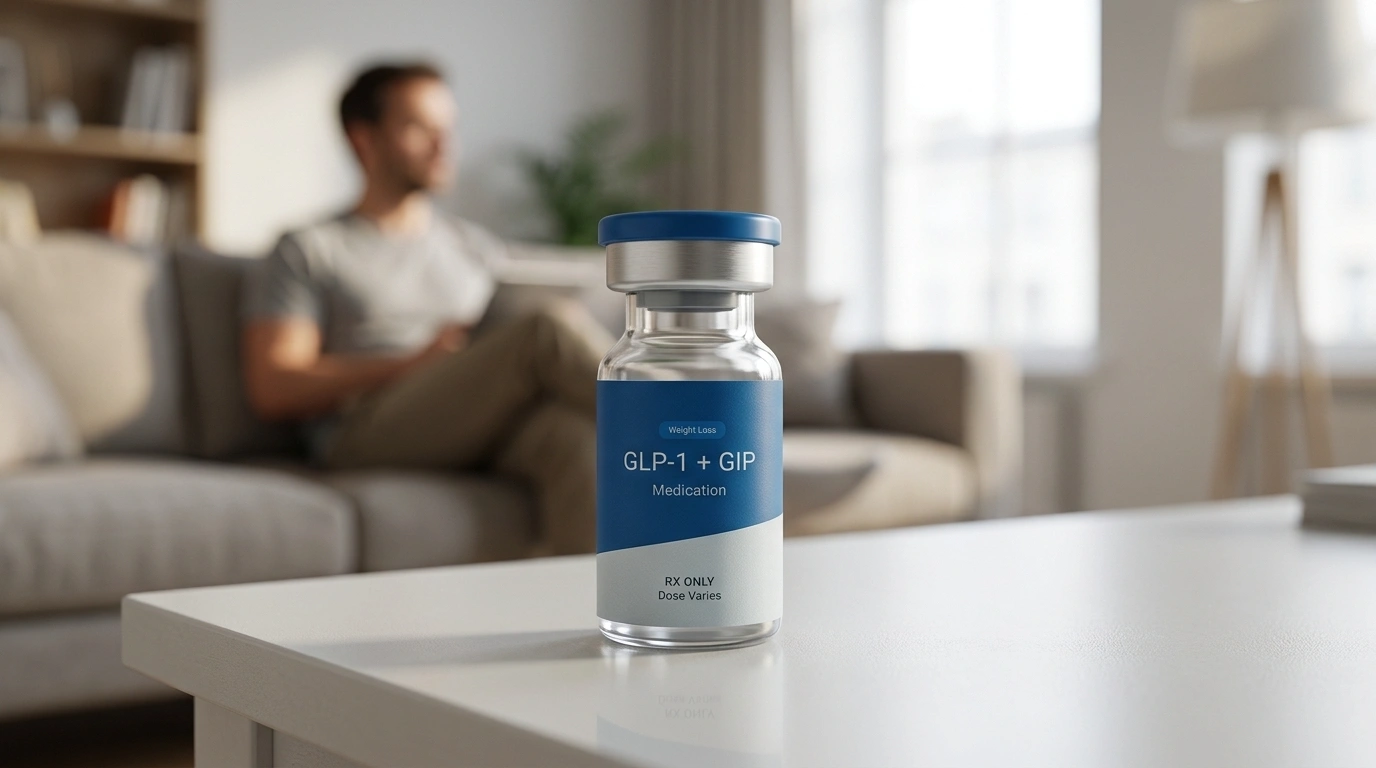
Table of Contents
- Introduction
- Understanding the Relationship Between Tirzepatide and Muscle
- The Importance of High Protein Intake
- Resistance Training: The Non-Negotiable Factor
- The Role of Personalized Support
- Managing Side Effects to Support Consistency
- Monitoring Progress Beyond the Scale
- The Science of Muscle Recovery and Sleep
- Addressing Common Myths About Muscle Loss
- How to Get Started with a Personalized Program
- Long-Term Sustainability and Metabolic Health
- Conclusion
- FAQ
Introduction
Watching the numbers on the scale drop can be incredibly rewarding, especially after years of struggling with weight management. However, many people starting their journey with Mounjaro®—a brand-name medication containing tirzepatide—notice a side effect they didn’t anticipate: a loss of physical strength or a “soft” appearance. This often happens because rapid weight loss can lead to the depletion of lean muscle tissue alongside fat. At TrimRx, we believe that successful weight loss is about more than just a lower number on the scale; it is about improving your overall body composition and metabolic health. This post covers the biological reasons muscle loss occurs during medical weight loss and provides actionable strategies to protect your strength. If you’re ready to see whether a personalized program is a fit, you can complete the free assessment quiz.
Understanding the Relationship Between Tirzepatide and Muscle
Mounjaro® is a dual-acting medication that mimics two natural hormones in the body: glucagon-like peptide-1 (GLP-1) and glucose-dependent insulinotropic polypeptide (GIP). These hormones work together to regulate blood sugar, slow down digestion, and signal to the brain that you are full. While this is highly effective for reducing caloric intake and shedding weight, the body does not always choose to burn only fat stores for energy. If you want a deeper look at the training side of this, this tirzepatide strength training guide covers the muscle-preservation approach in more detail.
When you are in a significant calorie deficit, your body may look to break down muscle tissue to meet its energy demands. This process, known as muscle catabolism, is more likely to occur when weight loss happens quickly. Because tirzepatide is so effective at suppressing appetite, many individuals find it difficult to consume enough calories or protein to signal the body to preserve its muscle.
Quick Answer: To maintain muscle mass on Mounjaro®, you must prioritize a high-protein diet, engage in consistent resistance training, and ensure you are not in an excessive calorie deficit. Monitoring your progress through body composition rather than just weight is key.
The Importance of High Protein Intake
Protein is the primary building block of muscle tissue. When you are taking a medication that reduces your appetite, every bite you take needs to be nutrient-dense. If you do not consume enough protein, your body will take the amino acids it needs from your existing muscle fibers, leading to weakness and a slower metabolism. For a practical breakdown of daily intake, our tirzepatide protein guide is a useful next read.
Most clinical experts recommend aiming for a higher protein target than the standard recommended dietary allowance when undergoing medical weight loss. For many individuals, this means aiming for 1.2 to 1.5 grams of protein per kilogram of body weight. For someone weighing 200 pounds, this could mean consuming between 110 and 135 grams of protein daily.
Choosing the Right Protein Sources
Focusing on “complete” proteins—those that contain all nine essential amino acids—is vital. These are most commonly found in animal products, but can also be achieved through careful plant-based combinations.
- Lean Meats: Chicken breast, turkey, and lean cuts of beef provide high protein with minimal fat.
- Seafood: White fish, salmon, and shrimp are excellent sources that also provide heart-healthy fats.
- Dairy and Eggs: Greek yogurt, cottage cheese, and egg whites are easy to digest even when appetite is low.
- Plant-Based Options: Lentils, chickpeas, tofu, and tempeh are great for those following a vegetarian or vegan lifestyle.
Timing and Distribution
It is not just about the total amount of protein you eat, but how you distribute it throughout the day. Your body can only process a certain amount of protein for muscle synthesis at one time. Try to include 20 to 30 grams of protein in every meal and snack. This provides a steady stream of amino acids to your muscles, helping to “switch on” the machinery that builds and repairs tissue.
Resistance Training: The Non-Negotiable Factor
If protein is the fuel for muscle maintenance, resistance training is the spark. To keep your muscle, you must give your body a reason to hold onto it. When you lift weights or perform bodyweight exercises, you create micro-tears in the muscle fibers. The body then repairs these fibers, making them stronger and denser. If you want a broader overview of how lifting fits into a GLP-1 routine, this strength training article for GLP-1 users is a strong companion piece.
Without this physical stimulus, the body views muscle as “expensive” tissue that requires a lot of energy to maintain. In a calorie deficit, the body will gladly shed that muscle to save energy. Resistance training sends a clear signal that the muscle is necessary for survival and function.
How to Start a Strength Routine
You do not need to spend hours in the gym to see results. A well-structured routine can be performed in 30 to 45 minutes, three times per week.
- Focus on Compound Movements: Exercises like squats, lunges, push-ups, and rows work multiple muscle groups at once, providing the most “bang for your buck.”
- Practice Progressive Overload: As you get stronger, gradually increase the weight, the number of repetitions, or the intensity of your workouts.
- Prioritize Form: Especially when using medications that may cause occasional fatigue, ensuring proper form prevents injury and targets the right muscles.
- Allow for Recovery: Muscle grows while you rest, not while you work out. Ensure you have at least one full day of rest between sessions targeting the same muscle groups.
Key Takeaway: Muscle preservation requires a “use it or lose it” approach; combining high protein intake with at least two to three days of strength training is the most effective way to prevent lean tissue loss during weight loss.
The Role of Personalized Support
Navigating the complexities of medical weight loss can be overwhelming. This is where a personalized approach becomes invaluable. We provide a platform that connects you with licensed healthcare providers who can tailor your treatment plan to your specific needs. Through our telehealth services, you can receive guidance on how to balance your medication with your lifestyle goals.
Our programs are designed to be comprehensive. When you complete the free assessment quiz, you are providing the information needed to create a plan that considers your medical history, your current health status, and your long-term objectives. Whether you are prescribed tirzepatide or another GLP-1 medication, having a dedicated team of specialists ensures you aren’t just losing weight, but getting healthier.
Managing Side Effects to Support Consistency
One of the biggest hurdles to maintaining muscle mass is the presence of side effects like nausea or fatigue. If you feel sick, the last thing you want to do is eat a chicken breast or go to the gym. Managing these side effects is essential for staying consistent with your muscle-sparing habits.
Hydration and Electrolytes: Dehydration can mimic the feeling of fatigue and make workouts feel much harder. Ensure you are drinking plenty of water and consider adding electrolytes, especially if you are losing fluids through digestive side effects.
Smaller, Frequent Meals: If a large meal feels daunting, break your protein intake into five or six small snacks throughout the day. This keeps your energy levels stable and ensures you are meeting your nutritional goals without feeling overly full.
Supplementing Wisely: Sometimes, getting all your nutrients from food alone is difficult when your appetite is significantly suppressed. Using a high-quality protein powder or specific supplements like our GLP-1 Daily Support supplement can help bridge the gap. Our Weight Loss Boost supplement is also designed to complement your journey by supporting energy levels and metabolic function.
Note: If side effects become severe or prevent you from eating and drinking entirely, it is important to consult your healthcare provider to adjust your dosage or discuss management strategies.
Monitoring Progress Beyond the Scale
When your goal is to maintain muscle, the standard bathroom scale can be a “liar.” Because muscle is denser than fat, you might find that your weight stays the same for a week even though your clothes are fitting better and you feel stronger.
Tools for Tracking Body Composition
To get a clearer picture of your progress, consider using other methods of measurement:
- Body Measurements: Use a tape measure to track inches lost at the waist, hips, chest, and thighs.
- Progress Photos: Taking photos every few weeks allows you to see changes in muscle tone and body shape that the scale won’t show.
- Smart Scales: While not 100% accurate, bioelectrical impedance scales can provide a general trend of your body fat percentage and muscle mass over time.
- DEXA Scans: For the most accurate data, a DEXA scan can provide a detailed breakdown of your bone density, fat mass, and lean muscle tissue.
By shifting your focus to these metrics, you can stay motivated even when the scale moves slowly. Maintaining muscle is a marathon, not a sprint, and these tools help you see the long-term benefits of your hard work.
The Science of Muscle Recovery and Sleep
Sleep is often the “forgotten” pillar of muscle maintenance. Most muscle repair and growth happen during deep sleep cycles when the body releases growth hormone. If you are chronically sleep-deprived, your body produces more cortisol, a stress hormone that can contribute to muscle breakdown and fat retention.
Aim for seven to nine hours of quality sleep per night. If the medication affects your sleep patterns—which can happen for some—try to establish a calming bedtime routine, limit caffeine in the afternoon, and keep your sleeping environment cool and dark.
Bottom line: Muscle maintenance on Mounjaro® is a multi-front effort involving high protein, consistent lifting, side-effect management, and adequate rest.
Addressing Common Myths About Muscle Loss
There is a lot of misinformation regarding medical weight loss and muscle tissue. Let’s clarify some of the most common misconceptions.
Myth: “Muscle loss is inevitable on Mounjaro®.” Fact: While some lean mass loss is common during any weight loss, it is not inevitable or permanent. With the right protein intake and resistance training, you can significantly minimize muscle loss and even build strength.
Myth: “You should wait until you reach your goal weight to start lifting weights.” Fact: Starting resistance training on day one is the best way to protect your metabolism. Waiting until you have already lost muscle makes it much harder to regain later.
Myth: “Cardio is the best way to lose weight on this medication.” Fact: Cardio is excellent for heart health, but excessive steady-state cardio without resistance training can actually accelerate muscle loss in a calorie deficit.
How to Get Started with a Personalized Program
If you are concerned about maintaining your strength while using GLP-1 or GIP medications, the first step is to ensure you have the right clinical oversight. Our platform makes it simple to begin your journey toward sustainable weight loss.
Step 1: Complete the Free Assessment Quiz.
Start by providing details about your health history, weight loss goals, and any previous experiences with medication. This helps our partner providers understand your unique profile.
Step 2: Consult with a Licensed Provider.
A healthcare professional will review your information to determine if a medication like tirzepatide or another option is appropriate for you. They can also provide guidance on nutrition and exercise.
Step 3: Receive Your Personalized Plan.
If approved, your medication will be shipped directly to your door from a compounding pharmacy. You will also have support to help you navigate side effects and lifestyle changes.
Step 4: Focus on Your Habits.
With the clinical support in place, you can focus on the habits discussed here—eating your protein, lifting weights, and staying hydrated.
Long-Term Sustainability and Metabolic Health
The ultimate goal of using medications like Mounjaro® or Wegovy® is to reach a healthier weight that you can maintain for life. Muscle mass plays a critical role in this “after” phase. Muscle is metabolically active, meaning it burns more calories at rest than fat tissue does. By preserving your muscle now, you are setting yourself up for a higher “basal metabolic rate” later. This makes it much easier to maintain your weight loss once you reach your goal. For more on what this looks like in practice, our Mounjaro strength training guide is a helpful next step.
We are committed to helping you navigate this path with empathy and science. We understand that weight loss is a deeply personal journey, and our mission is to provide the tools and support necessary for you to succeed without sacrificing your strength or well-being.
Conclusion
Maintaining muscle mass while taking Mounjaro® requires a proactive and disciplined approach. By prioritizing protein at every meal, engaging in regular resistance training, and monitoring your body composition, you can ensure that the weight you lose is primarily fat. This not only improves how you look and feel but also protects your long-term metabolic health. We are here to support you every step of the way with personalized programs that merge clinical expertise with your unique lifestyle needs.
- Prioritize 1.2-1.5g of protein per kg of body weight daily.
- Incorporate at least three days of resistance training per week.
- Stay hydrated and manage side effects to ensure consistency.
- Focus on body composition metrics rather than just the scale.
The most important thing you can do for your future self is to start today. Whether you are just beginning to research options or are already on your journey, focusing on your strength will pay dividends for years to come. Take the next step with the free assessment quiz to see how a personalized program can help you reach your goals safely and effectively.
FAQ
How much protein should I eat daily while on Mounjaro®?
While individual needs vary, a common goal is to consume between 1.2 and 1.5 grams of protein per kilogram of body weight. For many people, this translates to roughly 25 to 30 grams of protein per meal, ensuring your body has a steady supply of amino acids to repair and maintain muscle tissue.
Can I still build muscle while taking tirzepatide?
Yes, it is possible to build muscle while on tirzepatide, though it is more challenging in a calorie deficit. By focusing on progressive resistance training and ensuring you are not in an extreme calorie deficit, you can achieve “body recomposition,” where you lose fat and gain or maintain muscle simultaneously. If you want a more structured starting point, you can see if you qualify with the free assessment quiz.
Is cardio or weight lifting better for muscle preservation?
Weight lifting is significantly better for muscle preservation than cardio. While cardio is beneficial for cardiovascular health and burning calories, resistance training provides the necessary stimulus to prevent the body from breaking down muscle tissue for energy during weight loss.
What should I do if I’m too tired to workout on Mounjaro®?
Fatigue can be a common side effect, often linked to dehydration or low calorie intake. Ensure you are drinking enough water with electrolytes and eating small, protein-rich meals throughout the day; if fatigue persists, consult your healthcare provider to ensure your dosage is appropriate and that you are meeting your basic nutritional needs.
Disclaimer: This content is for informational purposes only and does not constitute medical advice. It is not intended to diagnose, treat, cure, or prevent any disease or condition. Individual results may vary. Always consult a qualified healthcare professional before starting any weight loss program or medication.

Transforming Lives, One Step at a Time
Keep reading

Mounjaro Alternatives: What Else to Consider
If Mounjaro isn’t the right fit, the closest alternatives are other GLP-1 medications, chiefly semaglutide (Ozempic for diabetes, Wegovy for weight), along with a…

Mounjaro vs Zepbound: Same Drug, Two Brands
Like their semaglutide counterparts, Mounjaro and Zepbound are the same medication (tirzepatide) sold under two names for two purposes: Mounjaro is approved for type…

Retatrutide vs Mounjaro: Triple Agonist vs Dual Agonist
The core difference between retatrutide and Mounjaro comes down to how many hormone targets each hits: retatrutide activates three receptors, while Mounjaro (tirzepatide) activates…


