How to Reconstitute 15 mg Tirzepatide
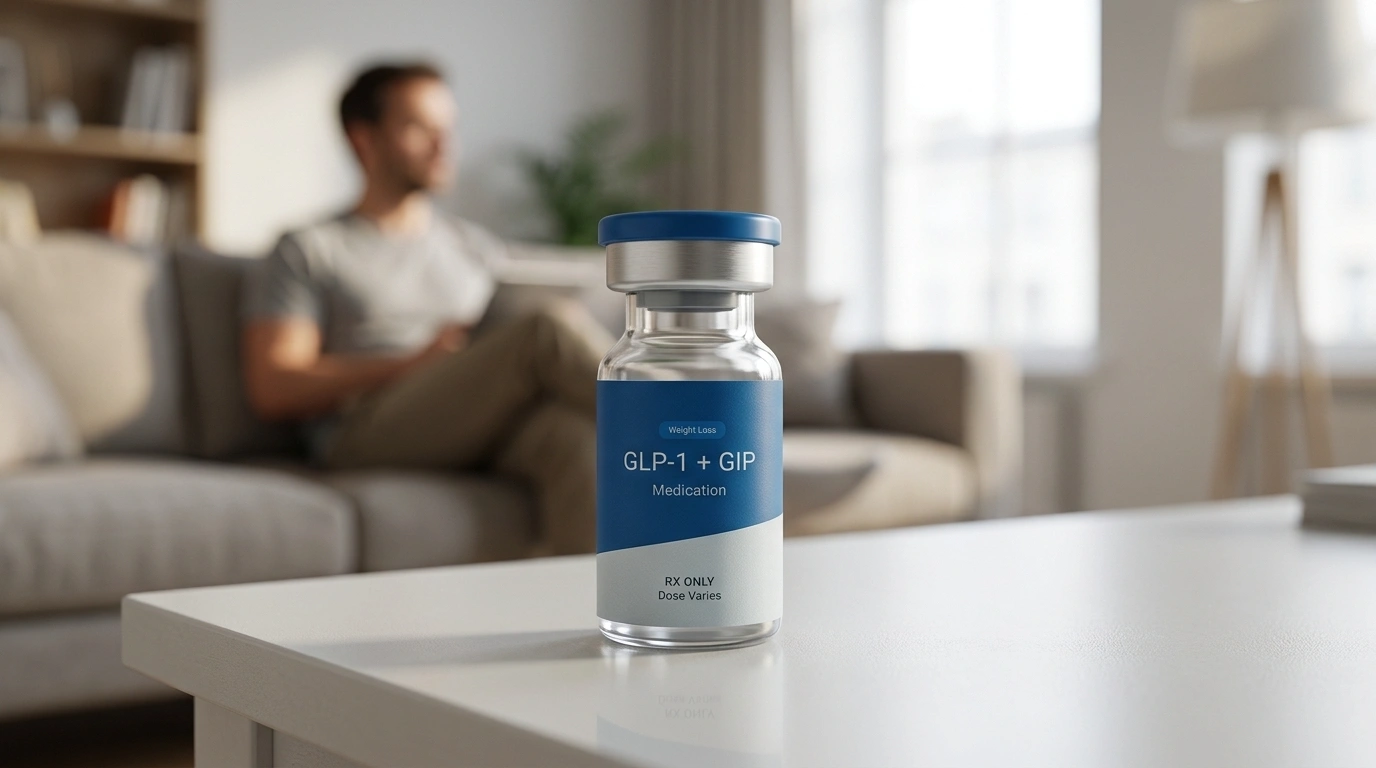
Table of Contents
- Introduction
- What Is Reconstitution and Why Is It Necessary?
- Understanding the Molecule: What Is Tirzepatide?
- Essential Supplies for Tirzepatide Reconstitution
- Calculating the Dilution for a 15 mg Vial
- Step-by-Step Guide: Reconstituting 15 mg Tirzepatide
- Safety and Hygiene Best Practices
- Storage and Handling of Reconstituted Tirzepatide
- Common Challenges and Troubleshooting
- Understanding Dosing Schedules
- Managing Side Effects During the Transition
- The Role of Personalized Weight Loss Programs
- Why Quality and Transparency Matter
- Bottom Line: Precision Leads to Success
- FAQ
Introduction
Standing in your kitchen with a vial of medication can feel overwhelming, especially when it involves mixing components yourself. Many individuals who choose telehealth for their weight loss journey eventually encounter the process of reconstitution. This is the act of turning a freeze-dried powder into a liquid solution that the body can absorb. If you are just getting started and want to see whether a personalized program makes sense for you, you can take the free assessment quiz. At TrimRx, we believe that clear information is the foundation of a successful health transformation. Knowing how to handle your medication safely ensures you maintain the integrity of the treatment and stay on track with your goals. This article provides a detailed walkthrough on how to reconstitute 15 mg tirzepatide, covering the essential supplies, the necessary math, and the best practices for hygiene. By mastering this process, you can focus on what truly matters: your long-term metabolic health.
What Is Reconstitution and Why Is It Necessary?
Reconstitution is a standard pharmaceutical process. It involves adding a liquid, known as a diluent, to a dry powder to create a shelf-stable injectable solution. Tirzepatide is a peptide, which is a short chain of amino acids. In its liquid form, a peptide can be fragile. To extend its shelf life and ensure it remains potent during shipping, many compounding pharmacies freeze-dry the medication. This process is called lyophilization.
When you receive a 15 mg vial of Compounded Tirzepatide, it will likely look like a small “cake” or a dusting of white powder at the bottom of the glass. You cannot inject this powder directly. You must mix it with a specific liquid—usually bacteriostatic water—to create the medication you will eventually use. Bacteriostatic water is sterile water containing a small amount of benzyl alcohol, which prevents the growth of bacteria for up to 28 days after the vial is opened.
Key Takeaway: Reconstitution is simply the process of safely mixing powdered medication with a sterile liquid so it can be used for treatment.
Understanding the Molecule: What Is Tirzepatide?
Before handling the medication, it is helpful to understand what it does. Tirzepatide is a dual-acting medication. It is known as a GIP (glucose-dependent insulinotropic polypeptide) and GLP-1 (glucagon-like peptide-1) receptor agonist. These are hormones naturally found in the human body that regulate hunger and blood sugar.
By mimicking these hormones, tirzepatide helps the pancreas release the right amount of insulin when blood sugar is high. It also slows down the speed at which the stomach empties. Most importantly for weight management, it signals to the brain that the body is full. If you want a broader overview of the science behind this class of medications, our guide on what GLP-1 therapy can do for your weight loss journey is a helpful next read. This dual-action approach is why many clinical studies suggest it is highly effective for weight loss when combined with lifestyle changes. While branded versions like Mounjaro® and Zepbound® are FDA-approved for specific uses, many patients access the same active ingredient through Compounded Tirzepatide prepared by FDA-registered, inspected compounding pharmacies.
Essential Supplies for Tirzepatide Reconstitution
To perform a safe reconstitution, you must have a clean environment and the correct tools. Using the wrong supplies can lead to contamination or incorrect dosing.
The Medication Vial
You will have a vial containing 15 mg of lyophilized tirzepatide. This is the solute. Ensure the vial is not cracked and the powder looks white or off-white.
The Diluent
The most common diluent is bacteriostatic water. Do not use plain sterile water or saline unless explicitly directed by a healthcare provider, as these do not contain the preservative needed to keep the multi-use vial safe after the first puncture.
Syringes and Needles
You generally need two types of syringes.
- A mixing syringe: Usually a larger 3 mL syringe with a 21-gauge or 23-gauge needle. This is used to transfer the water to the powder.
- Insulin syringes: These are used for the actual injection. They are much smaller and measured in “units.” A common size is 0.5 mL or 1 mL (50 or 100 units).
Sanitation Tools
- Alcohol Prep Pads: You will need several of these. Every time you touch a vial stopper, it must be sanitized.
- Sharps Container: A puncture-proof container for disposing of used needles.
Calculating the Dilution for a 15 mg Vial
The most confusing part of how to reconstitute 15 mg tirzepatide is often the math. The concentration of your medication depends entirely on how much bacteriostatic water you add. The 15 mg of tirzepatide does not change, but the “volume” of each dose does.
Concentration = Total Milligrams / Total Milliliters
Common dilution scenarios for a 15 mg vial include:
- The 1.5 mL Dilution: If you add 1.5 mL (150 units) of water to a 15 mg vial, your concentration is 10 mg per 1 mL.
- The 3 mL Dilution: If you add 3 mL (300 units) of water to a 15 mg vial, your concentration is 5 mg per 1 mL.
- The 0.75 mL Dilution: If you add 0.75 mL (75 units) of water, your concentration is 20 mg per 1 mL.
Most providers recommend adding enough liquid so that your weekly dose is easy to measure on a standard insulin syringe. For example, if your current dose is 5 mg and you used 3 mL of water, your dose would be 1 mL (100 units).
Quick Answer: To reconstitute 15 mg of tirzepatide, most users add 1.5 mL or 3 mL of bacteriostatic water. The amount of liquid determines the strength of the solution, but it does not change the total 15 mg of medication available in the vial.
Dosing Chart Example (Based on 1.5 mL Dilution)
| Desired Dose | Volume to Pull (units) |
|---|---|
| 2.5 mg | 25 units |
| 5.0 mg | 50 units |
| 7.5 mg | 75 units |
Always follow the specific instructions provided by your clinical team. They will tell you exactly how many units to draw based on the specific volume of water they want you to use.
Step-by-Step Guide: Reconstituting 15 mg Tirzepatide
Once you have your supplies and understand your math, you can begin the physical process. Work on a flat, well-lit surface, and ensure you will not be interrupted.
Step 1: Preparation and Hygiene
Wash your hands thoroughly with soap and warm water for at least 20 seconds. Clean your workspace with an antibacterial wipe. Lay out your 15 mg tirzepatide vial, your bacteriostatic water, alcohol pads, and your mixing syringe.
Step 2: Sanitize the Vials
Pop the plastic caps off both the medication vial and the bacteriostatic water vial. Use a fresh alcohol prep pad to vigorously scrub the rubber stopper of each vial for 15 seconds. Allow them to air dry completely. Do not blow on them to speed up the process, as this can introduce bacteria.
Step 3: Draw Air into the Syringe
Take your mixing syringe and pull back the plunger to the mark indicating the amount of water you plan to use (e.g., 1.5 mL). This fills the syringe with air.
Step 4: Pressurize the Water Vial
Insert the needle through the rubber stopper of the bacteriostatic water. Push the air from the syringe into the vial. This creates positive pressure, making it much easier to withdraw the liquid.
Step 5: Withdraw the Diluent
Turn the water vial upside down. Slowly pull back the plunger to the desired mark (e.g., 1.5 mL). Ensure there are no large air bubbles in the syringe. If there are, tap the side of the syringe so the bubbles rise to the top and push them back into the vial, then draw more liquid. Remove the needle from the water vial.
Step 6: Introduce Water to the Powder
Insert the needle into the 15 mg tirzepatide vial. Important: Do not spray the water directly onto the powder “cake.” Instead, tilt the vial slightly and aim the needle at the glass wall of the vial. Slowly depress the plunger, letting the water dribble down the side. This prevents the peptide from foaming or being damaged by high pressure.
Step 7: The Dissolving Process
Remove the needle and discard it in your sharps container. You will see the powder begin to dissolve. Do not shake the vial. Shaking can “denature” or break the delicate peptide bonds, making the medication less effective. Instead, gently swirl the vial between your palms or rotate it slowly.
Step 8: Final Inspection
Wait a few minutes. The solution should become completely clear. If the liquid looks cloudy, contains visible clumps, or has “floaters” after 10–15 minutes of gentle swirling, do not use it. Contact your provider or the pharmacy.
Note: A clear solution is a sign of a successful reconstitution. Any persistent cloudiness or discoloration should be reported to a healthcare professional immediately.
Safety and Hygiene Best Practices
When handling any injectable medication, safety is the highest priority. Because Compounded Tirzepatide is often used in a home setting, the burden of maintaining a sterile environment falls on the individual.
- Never Reuse Needles: A needle becomes dull and contaminated after a single use. Using a needle twice increases the risk of infection and makes the injection more painful.
- The “One Needle, One Entry” Rule: Use a fresh needle for every entry into the medication vial. If you are drawing a dose and accidentally touch the needle to a surface, discard the syringe and start with a new one.
- Check the Expiration: Always check the “Use By” or “Discard After” date on both the tirzepatide vial and the bacteriostatic water. Most bacteriostatic water must be discarded 28 days after the first puncture.
- Injection Site Rotation: When you move from reconstitution to injection, remember to rotate your sites. Common sites include the abdomen, thigh, or back of the arm. Rotating sites helps prevent skin irritation and lipohypertrophy (the buildup of fat under the skin).
If you experience signs of an infection at an injection site—such as spreading redness, extreme warmth, or pus—consult a doctor immediately.
Storage and Handling of Reconstituted Tirzepatide
Proper storage is just as important as proper mixing. Peptides are sensitive to temperature and light.
Once you have reconstituted your 15 mg vial, it must be stored in the refrigerator. The ideal temperature range is between 36°F and 46°F (2°C to 8°C). Do not place the vial in the freezer. Freezing will destroy the tirzepatide molecule and make the medication unusable.
Keep the vial in its original box or a small opaque container to protect it from light. Constant exposure to light can degrade the medication over time. Most reconstituted peptides should be used within 28 to 30 days. After this point, the preservative in the bacteriostatic water may no longer be effective, and the tirzepatide itself may begin to lose potency.
Key Takeaway: Cold, dark, and still is the rule for tirzepatide storage. Keep it in the fridge, away from the light, and avoid unnecessary agitation.
Common Challenges and Troubleshooting
Even with careful preparation, you might encounter issues during the reconstitution process.
The Vacuum Effect
Medication vials are often vacuum-sealed. When you insert the needle to add water, the plunger might be sucked down faster than you expect. This is normal. Just maintain a firm grip on the plunger to control the speed of the water entry. Conversely, if you find it very hard to push the water in, there may be too much air pressure. You can pull the plunger back slightly to let some air into the syringe, then try pushing the liquid again.
Bubbles and Foaming
If you inject the water too quickly or shake the vial, the solution may foam. If this happens, don’t panic. Place the vial in the refrigerator and let it sit for an hour. The bubbles will eventually settle, and the liquid will clear. In the future, remember to aim the water at the side of the vial.
Incomplete Dissolving
Sometimes a small piece of the powder “cake” takes longer to dissolve. Do not force it by shaking. Let the vial sit at room temperature for 10 minutes, giving it a gentle swirl every few minutes. Most tirzepatide will dissolve completely with time and gentle movement.
Understanding Dosing Schedules
Tirzepatide is typically started at a low dose to allow the body to adjust. A common starting dose is 2.5 mg once per week. After four weeks, your provider may increase the dose to 5.0 mg. This escalation continues in 2.5 mg increments (7.5 mg, 10 mg, 12.5 mg, and 15 mg) based on your tolerance and results.
Because a 15 mg vial contains the total amount of medication, it might represent several weeks of doses if you are on a lower strength. For example:
- If your dose is 2.5 mg, a 15 mg vial contains 6 doses.
- If your dose is 5.0 mg, a 15 mg vial contains 3 doses.
- If your dose is 7.5 mg, a 15 mg vial contains 2 doses.
Always double-check your math before drawing your dose. If you are unsure of how many units to pull from your reconstituted vial, contact your clinical support team for clarification.
Managing Side Effects During the Transition
As you begin using your reconstituted medication, you may experience some side effects. These are common with GLP-1 and GIP medications as the body learns to process the hormones. The most frequently reported issues include:
- Nausea
- Mild stomach upset or bloating
- Changes in bowel habits (constipation or diarrhea)
- Reduced appetite
To manage these, many individuals find success in eating smaller, more frequent meals and staying hydrated. If you feel fatigued during the early weeks of treatment, Weight Loss Boost is designed to support energy during weight loss. For a broader look at symptom management, our guide to GLP-1 support covers the topic in more detail.
The Role of Personalized Weight Loss Programs
Weight loss is not a one-size-fits-all journey. While knowing how to reconstitute 15 mg tirzepatide is a technical skill, the broader success of your health goals depends on a comprehensive strategy. We understand that navigating the world of GLP-1 medications can be complex. That is why our platform focuses on more than just the medication.
Through TrimRx, we connect you with licensed healthcare providers who tailor your treatment to your specific metabolic profile. This personalized approach ensures that you are on the right dosage and that you have the support needed to manage side effects and maintain progress. To see whether this type of care is the right next step, complete the free assessment quiz. Our telehealth-first model means you can access this expertise from the comfort of your home, avoiding the stress of waiting rooms and in-person appointments.
Why Quality and Transparency Matter
In the world of compounded medications, where you get your tirzepatide matters. You should only use medications sourced from pharmacies that are FDA-registered and regularly inspected. These facilities follow strict quality control standards to ensure the purity and potency of the product. If you want a deeper look at how these medications fit into a treatment plan, this overview of GLP-1 treatment goals is a useful companion read.
Reconstituting your own medication can feel like a big responsibility, but it also gives you a deeper connection to your health journey. It requires patience, precision, and a commitment to safety—qualities that will serve you well as you work toward your weight loss goals.
Bottom Line: Precision Leads to Success
The process of reconstituting 15 mg tirzepatide is a manageable task when broken down into clear steps. By prioritizing hygiene, performing the correct math, and handling the medication with care, you ensure that every dose is as effective as possible. Remember that this medication is a tool designed to work alongside healthy habits.
Our mission at TrimRx is to empower you with the tools and knowledge needed for sustainable change. We combine modern science with empathetic support to help you navigate every step of this journey, from the first assessment to your final goal. If you are ready to take that next step, start with the free assessment quiz.
Bottom line: Reconstitution is a three-part process of sanitation, precise measurement, and gentle mixing. When done correctly, it provides a safe and effective way to administer your weight loss treatment.
FAQ
How much bacteriostatic water should I add to 15 mg of tirzepatide?
The amount of water depends on the instructions from your healthcare provider, but common volumes are 1.5 mL or 3 mL. Adding 1.5 mL makes a more concentrated solution where 10 units on an insulin syringe equals 1 mg, while adding 3 mL makes a more diluted solution where 20 units equals 1 mg.
Can I use sterile water instead of bacteriostatic water?
It is not recommended for multi-dose vials. Bacteriostatic water contains benzyl alcohol, which acts as a preservative to prevent bacterial growth. Plain sterile water does not have this preservative, meaning the medication could become unsafe to use shortly after the first time you puncture the stopper.
What should I do if my tirzepatide looks cloudy after mixing?
If the solution remains cloudy, discolored, or contains visible particles after 15 minutes of gentle swirling, do not inject it. This could indicate a problem with the medication’s purity or that the peptide has been damaged. Contact your pharmacy or healthcare provider for guidance on a replacement.
How long does a 15 mg vial of tirzepatide last after it is mixed?
Once reconstituted with bacteriostatic water, the medication should generally be used within 28 days and must be kept refrigerated. After 28 days, the risk of bacterial contamination increases, and the potency of the tirzepatide may begin to decline significantly.
Disclaimer: This content is for informational purposes only and does not constitute medical advice. It is not intended to diagnose, treat, cure, or prevent any disease or condition. Individual results may vary. Always consult a qualified healthcare professional before starting any weight loss program or medication.

Transforming Lives, One Step at a Time
Keep reading
Marathon Training on Tirzepatide When You Can’t Fuel
You have a plan on the fridge and a medication that has made eating feel optional. Those two things are in genuine conflict, and…
Paying Cash for Tirzepatide? Don’t Stretch Your Supply
When every vial comes out of your own pocket, the arithmetic is hard to ignore. If a month’s supply costs what it costs, and…
Working Around Food All Day on Tirzepatide When You Can’t Eat It
There are two separate problems here and they have different answers. One is physical: food smells, especially hot fat and fried food, make nausea…


